
The Ultimate Guide to Cleaning Razor Clams: Why Salt and Oil Are Mistakes & A Foolproof Method for Spotless Results
The Ultimate Guide to Cleaning Razor Clams: Why Salt and Oil Are Mistakes & A Foolproof Method for Spotless Results
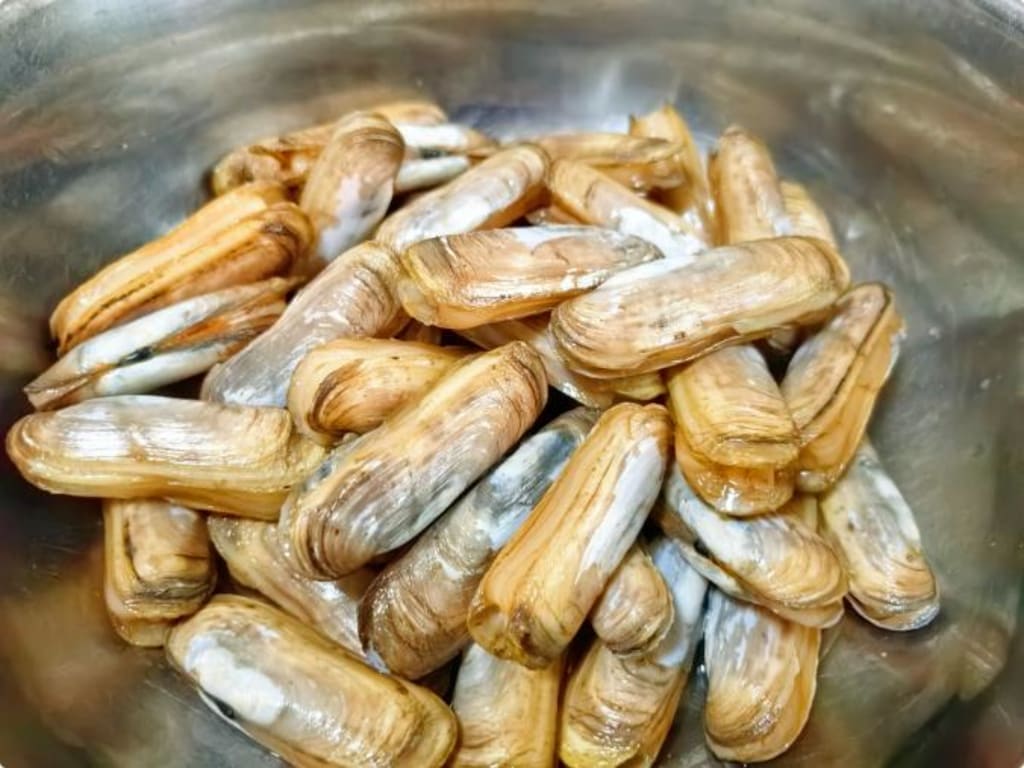
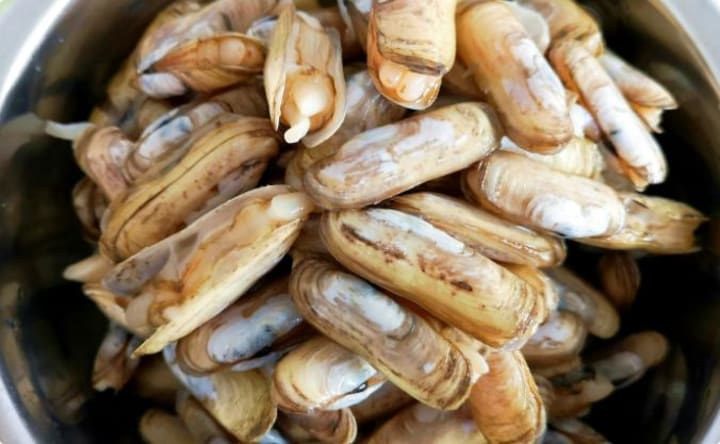
There’s something irresistible about fresh razor clams at the market—plump, lively, and brimming with the sweetness of early summer seawater. My family adores their tender texture, a taste that transports us straight to the coast. But nothing ruins this delicacy faster than biting into gritty sand hidden within their shells. To avoid this, many home cooks rely on a popular "trick": soaking clams in water with generous handfuls of salt and drizzles of cooking oil, waiting patiently for the sand to purge.
Surprisingly, this method is utterly counterproductive! Adding salt? Sea-dwelling clams, suddenly thrust into hyper-salty water, panic and clamp their shells shut—they won’t relax enough to expel sand. The oil slick coating the surface is even worse: it blocks vital oxygen, suffocating the clams. I learned this the hard way until a weather-beaten fisherman, his face etched with decades of ocean wisdom, set me straight: "Lass, why overcomplicate? Plain water’s all you need. Salt and oil just hurt ’em."
The Secret Lies in Warm Water
His decades-tested method hinges on one simple element: warmth. Here’s how to unlock perfectly clean clams every time:
1. Prepare the Water:
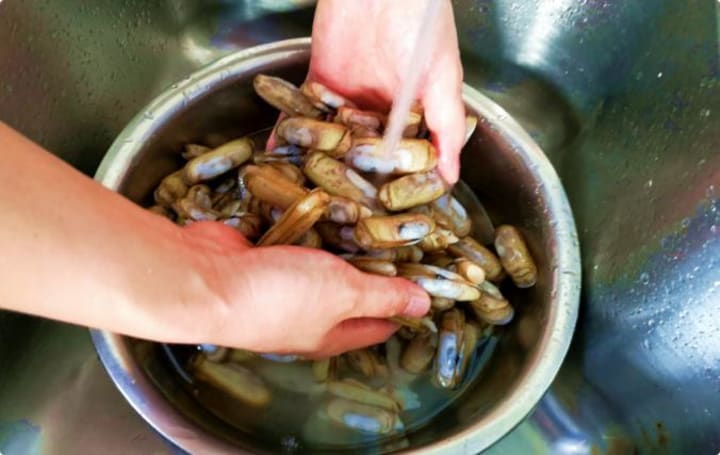
Fill a deep bowl with enough room-temperature water to fully submerge your clams. Now, the crucial step: gradually add warm water (heated to 30–40°C / 85–105°F). Test it with your hand—it should feel comfortably warm, like sun-kissed seawater, not hot. This gentle warmth mimics the clams’ natural tidal environment, signaling safety and triggering their instinct to open.
2. Soak and Relax:
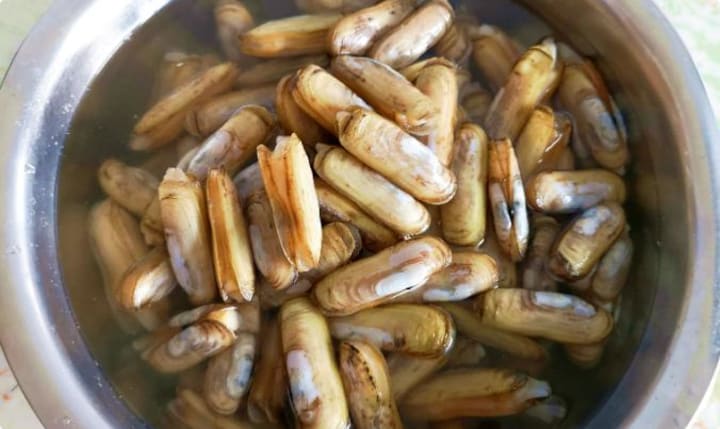
Gently place the clams into the bowl. Within minutes, magic happens: soothed by the warmth, they’ll extend their siphons (the fleshy "necks") and begin rhythmically filtering water. This is how they breathe—and crucially, how they’ll expel sand.
3. Patient Waiting:
Move the bowl to a quiet, shaded spot. Wait 20–30 minutes—no stirring, no additives. As the clams relax, they’ll efficiently purge grit. You’ll see sand accumulating visibly at the bottom.
4. Final Rinse:
Drain the clams. Under cold running water, gently scrub the shells, paying extra attention to the siphon area where mucus and residual sand may cling. To confirm success, open one clam—its flesh should be pristine, free of grit.
Why This Works
Salt shocks clams into defensive mode; oil starves them of oxygen. Warm water, however, taps into their biology: it replicates the rising tide, triggering a natural purge reflex. No stress, no additives—just pure, ocean-smart efficiency.
Bonus: Spicy Stir-Fried Razor Clams
Once your clams are grit-free, try this vibrant recipe:
Ingredients:
• 500g cleaned razor clams
• 3 cloves garlic, minced
• 1 thumb ginger, minced
• 2 spring onions, sliced
• 1–2 red chilies (optional), sliced
• Sauce: 2 tbsp light soy sauce, 1 tbsp oyster sauce, 1 tbsp cooking wine, 1 tsp sugar, ½ tsp white pepper, 2 tbsp water
Steps:
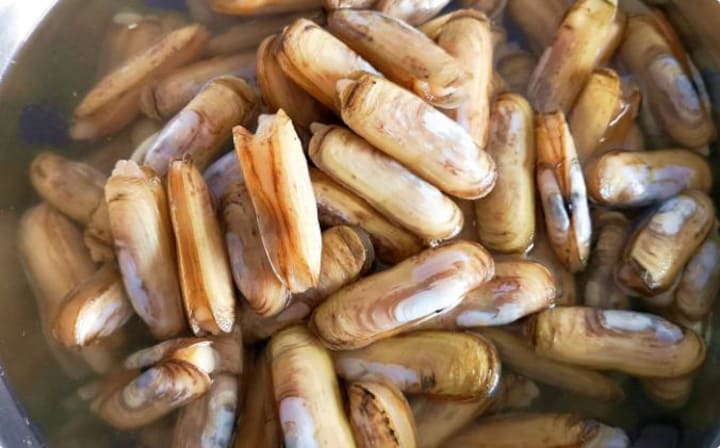
1. Blanch the clams: Bring a pot of water to a rolling boil. Add clams; remove immediately once shells open (10–15 seconds). Drain well. This step removes any lingering fishiness and prevents excess water during stir-frying.
2. Stir-fry aromatics: Heat 2 tbsp oil in a wok over medium. Sauté garlic, ginger, and chilies (if using) until fragrant (30 seconds).
3. Combine: Increase heat to high. Add clams and stir-fry vigorously for 20 seconds. Pour in the sauce, tossing constantly to coat evenly (another 30 seconds).
4. Finish: Toss in spring onions. Stir once more, then remove from heat the moment the aroma intensifies. Serve immediately.
The Takeaway
Forget salt and oil—they only sabotage your efforts. Warm water is the key to tranquil, thorough cleaning. By honoring the clam’s natural rhythms, you unlock pure, unadulterated flavor. So next time you bring home these briny treasures, let a basin of warm water work its gentle magic. As the tides never betray those who wait, your patience will be rewarded with sand-free, succulent perfection.
Why Temperature Matters: The Science Behind the Method
Razor clams are ectothermic (cold-blooded) creatures. Their metabolism—and thus their filtering activity—accelerates in warmer water. At 30–40°C, they enter an optimal state for feeding and expulsion. Colder water slows them down; hotter water risks cooking them. This precise thermal window is why the fisherman’s method succeeds where others fail.
Common Pitfalls to Avoid
• Overcrowding: Clams need space to extend their siphons. Use a wide bowl, not a deep pot.
• Tap Water Chlorine: If your tap water smells strongly of chlorine, let it sit for 30 minutes first. Chlorine can irritate clams.
• Extended Soaking: Beyond 45 minutes, clams exhaust their energy and may die, tainting their flavor.
• Reusing Water: Always discard sandy water after one use. Soaking in dirty water recontaminates clams.
Beyond Stir-Fries: Other Quick Serving Ideas
• Steamed with Garlic: Place cleaned clams on a plate. Top with minced garlic, ginger, and a drizzle of sesame oil. Steam for 5–6 minutes until opened. Finish with soy sauce and fresh cilantro.
• Clam Soup: Simmer clams with sliced daikon radish, ginger, and scallions in light broth for 10 minutes. Finish with a dash of white pepper.
• Grilled: Marinate clams in a mix of lime juice, fish sauce, and chili for 15 minutes. Grill over charcoal until shells pop open (3–4 minutes).
A Nod to Sustainability
When purchasing razor clams, choose smaller to medium-sized ones—they’re often younger and more sustainable. Avoid clams with broken shells or overly strong "fishy" odors, signs of poor handling. By respecting both the ingredient and the wisdom of those who harvest it, we savor not just a meal, but a legacy of harmony with the sea.
The ocean’s rhythms are ancient and trustworthy. With this method, you align your kitchen with that timeless wisdom—transforming a mundane chore into a quiet ritual that honors nature’s design. And in return? Clams so clean, so sweet, they taste like the pure essence of the tide.
About the Creator
My Tous les Jours Trip
As someone who lives in a rural area, I don't get the chance to visit fancy restaurants or bakeries that often. So, when a friend told me about a French-Asian bakery that's less than an hour away, I knew I had to check it out and grab some pictures for social media. Tous les Jours ended up providing an immersive experience that went above and beyond my expectations--although I did leave with a few reservations.
By Kaitlin Shanks24 days ago in Feast
No-Recipe-Needed Dessert Tutorials
1. Basque Burnt Cheesecake Cream cheese, a few high-quality farm-fresh eggs, heavy cream, and sugar—just mix them together. Sift the mixture into a mold to remove air bubbles. Bake at 180°C (356°F), both top and bottom heat, for 40-50 minutes. Done! It must be completely chilled before slicing. One bite, and you'll be floating on cloud nine... This is so good! It has an incredibly rich, cheesy aroma and melts instantly in your mouth. The key is that this method is just too simple and unbeatable.
By yue . shui4 days ago in Feast



Comments
There are no comments for this story
Be the first to respond and start the conversation.