
"Double Spring, Leap June: Sauna-Like Dog Days Ahead" – Will 2025’s Triple Summer Heat Bring Tears?
"Double Spring, Leap June: Sauna-Like Dog Days Ahead" – Will 2025’s Triple Summer Heat Bring Tears?

The "Dog Days" (San Fu Tian), the hottest period in the Chinese lunar calendar, consist of three phases: Chu Fu (Initial Heat), Zhong Fu (Mid Heat), and Mo Fu (Final Heat). In 2025, these phases are scheduled as follows:
• Initial Heat: July 20–29 (10 days)
• Mid Heat: July 30–August 8 (10 days)
• Final Heat: August 9–18 (10 days)
During this time, the sun directly irradiates the Northern Hemisphere, and the persistent subtropical high-pressure system creates a "steaming and simmering" climatic pattern.
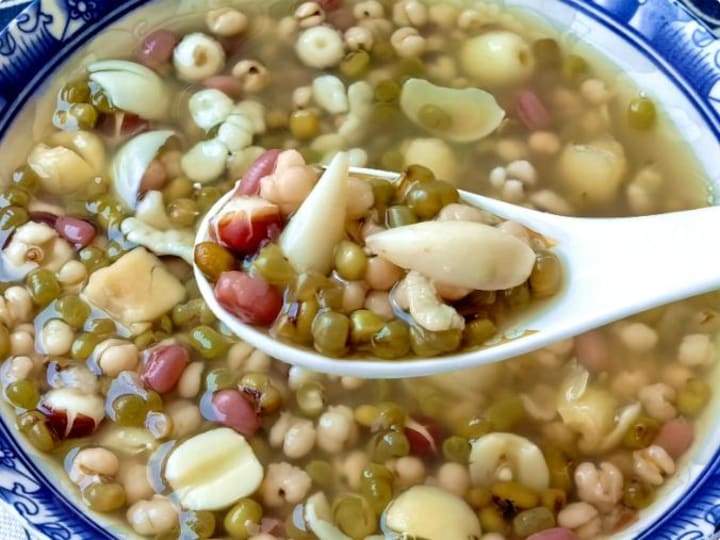
The agricultural proverb, "Double Spring, Leap June: Sauna-Like Dog Days," links unique calendrical phenomena with extreme heat. 2025 coincides with a leap sixth month in the lunar calendar (July 22–August 19) and features a "double spring" (two Lichun solar terms within one lunar year). Ancient observations suggest such calendrical anomalies often foreshadow scorching temperatures.
I. Decoding Heat in Agricultural Wisdom
1. "Leap Month in Dog Days? Tears Will Abound!"
A leap month causes the Dog Days to fully overlap with the sixth lunar month. In 2025, the entire Zhong Fu phase falls within the leap June. Data from the China Meteorological Administration (1951–2020) shows leap June years average 5–8 more high-temperature days (>35°C) than normal years.
2. "Double Spring and Leap Month? Furnace Heat Needs No Proof!"
Years with double springs and leap months often bring sustained extreme heat (>40°C) to the North China Plain and Yangtze River Basin. For example, Wuhan hit 41.3°C in 2014 (a leap September year).
3. "Autumn in Leap June? Heat Kills the Oxen!"
The 2025 Liqiu (Start of Autumn, August 7) occurs within leap June, extending the "autumn-enveloped dog days" (Qiu Bao Fu). A similar pattern in 2006 (leap July) triggered Chongqing’s severe drought (44.5°C).
Note: Urban heat islands may intensify perceived temperatures. The CMA forecasts summer 2025 temperatures to be 0.5–1°C higher than average, though real-time monitoring remains essential.
II. Three-Word Guide to Surviving the Dog Days
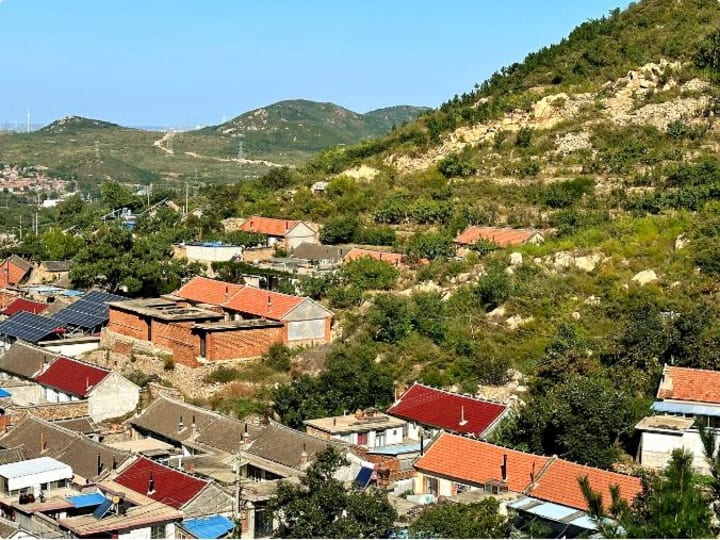
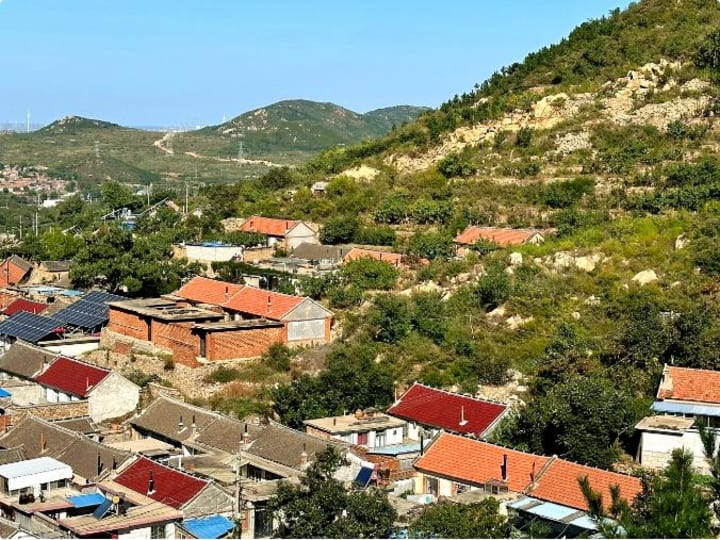
1. Dietary Wisdom
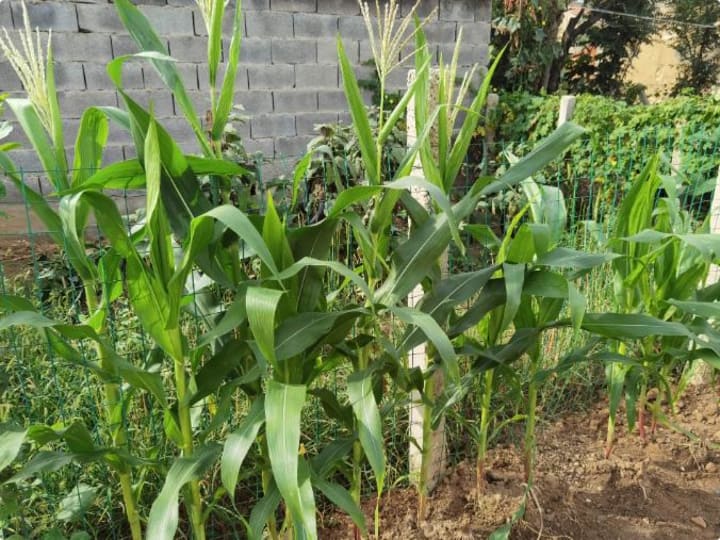
• "Sour Mornings, Bitter Noons": Start with sour plum drink or hawthorn tea to stimulate appetite; consume bitter foods (bitter melon, lotus seeds) at lunch to clear heat.
• "Three-Bean Defense": Combine red adzuki beans, mung beans, and black beans (2:2:1 ratio) in a broth to prevent heatstroke while protecting the spleen and stomach.
• Avoid "Ice-Fire Clash": Never pair cold drinks with spicy hotpot—this triggers gastrointestinal spasms.
2. Lifestyle Adjustments
• "Midday Nap Ritual": Rest between 11:00–13:00 for 20 minutes to nourish yang energy per TCM principles.
• "Slow-Motion Pace": Exercise only during 5:00–7:00 or 19:00–21:00; avoid midday exertion.
Special Advisory: Leap June corresponds to "long summer," amplifying humidity. Recommended:
• Herbal tea blend (5g each of agastache, eupatorium, and aged tangerine peel).
• Atractylodes incense in air-conditioned rooms to dispel dampness.
• Cardiovascular patients: Drink 100ml warm water before morning activity.
III. Navigating 2025’s Unique Heat Challenge
2025’s rare calendrical alignment heightens risks of extreme heat, yet modern science offers robust countermeasures. Heed the mantra: "Avoid heat without overindulging in cold; nurture the heart to safeguard health." With this wisdom, even the fiercest Dog Days can be weathered gracefully.
Epilogue: Ancient Wisdom in a Warming World
The proverb "Double Spring, Leap June: Sauna-Like Dog Days" is a chapter from humanity’s oldest weather almanac—etched in the sweat of farmers across millennia. 2025’s celestial choreography seems to breathe life into this age-old prophecy. While folk sayings cannot precisely measure every cloud’s temperature, they chart territories of caution in our warming world.
Facing the coming furnace, let us weave ancestral insights into modern resilience: align with nature’s rhythms, adapt scientifically, and cultivate inner calm. For it is in this profound dialogue with the elements that human tenacity and wisdom are tempered—allowing us to thrive even beneath heaven’s most blazing sun.
Additional Context on Triple Summer Heat:
Historically, the Dog Days were pivotal for agrarian societies. Farmers relied on phenological cues to time planting and harvests, making accurate heat predictions vital for food security. The term "Dog Days" itself originates from ancient Greek and Roman associations with Sirius, the "Dog Star," believed to intensify summer heat. Modern climatology, however, attributes the phenomenon to Earth’s axial tilt and atmospheric circulation patterns.
Urbanization has compounded heat risks. Concrete landscapes absorb and radiate heat, elevating city temperatures by up to 5°C compared to rural areas—a "heat island" effect that strains energy grids and public health systems. During the 2003 European heatwave (a non-leap year event), urban centers saw mortality rates spike by 70%, underscoring the need for adaptive infrastructure.
Global Warming’s Role:
The World Meteorological Organization notes that 2023–2027 will likely be Earth’s warmest five-year period on record. Anthropogenic climate change amplifies traditional heat patterns, making historical precedents like leap-month years even more extreme. China’s 2022 heatwave—its most severe in 60 years—offers a glimpse into this future, where 40°C becomes a summer norm rather than an anomaly.
Integrated Solutions:
• Tech-Driven Adaptation: Satellite now track urban heat islands in real-time, enabling targeted interventions like reflective pavements and green roofs.
• Community Protocols: Cities like Shanghai deploy "cooling centers" and heat advisories via mobile apps during heat emergencies.
• Holistic Health: TCM’s emphasis on seasonal acclimatization complements Western hydration and electrolyte guidelines, offering a dual-shield approach.
In essence, 2025’s triple threat of double spring, leap June, and prolonged Dog Days demands not fear but preparation. By fusing folklore with meteorology and tradition with innovation, we transform ancient warnings into actionable resilience—proving humanity’s capacity to thrive amid nature’s most formidable seasons.
About the Creator
My Tous les Jours Trip
As someone who lives in a rural area, I don't get the chance to visit fancy restaurants or bakeries that often. So, when a friend told me about a French-Asian bakery that's less than an hour away, I knew I had to check it out and grab some pictures for social media. Tous les Jours ended up providing an immersive experience that went above and beyond my expectations--although I did leave with a few reservations.
By Kaitlin Shanks25 days ago in Feast
Global Beef Market Trends & Summary: A Protein-Driven Industry on the Rise
Global Beef Market Outlook 2025–2033 The global beef market is entering a phase of steady yet resilient growth as changing diets, rising incomes, and evolving consumer expectations reshape the world’s meat industry. According to Renub Research, the global beef market is expected to reach US$ 749.90 billion by 2033, up from US$ 520.53 billion in 2024, expanding at a compound annual growth rate (CAGR) of 4.14% from 2025 to 2033.
By Marthan Sir3 minutes ago in Feast
The Devil's Cut
“Comrade, finally you’re awake.” The voice was smooth, sensual. A flickering incandescent bar was all that lit the white, sterile room. All Vladimir remembered was everything going black. He tried to move his arms and found them strapped to the gurney.
By Matthew J. Fromm6 days ago in Fiction



Comments
There are no comments for this story
Be the first to respond and start the conversation.