
The Secret to Fall-Apart Tender Beef Stew: Why Blanching & Direct Boiling Ruin Your Dish
The Secret to Fall-Apart Tender Beef Stew: Why Blanching & Direct Boiling Ruin Your Dish
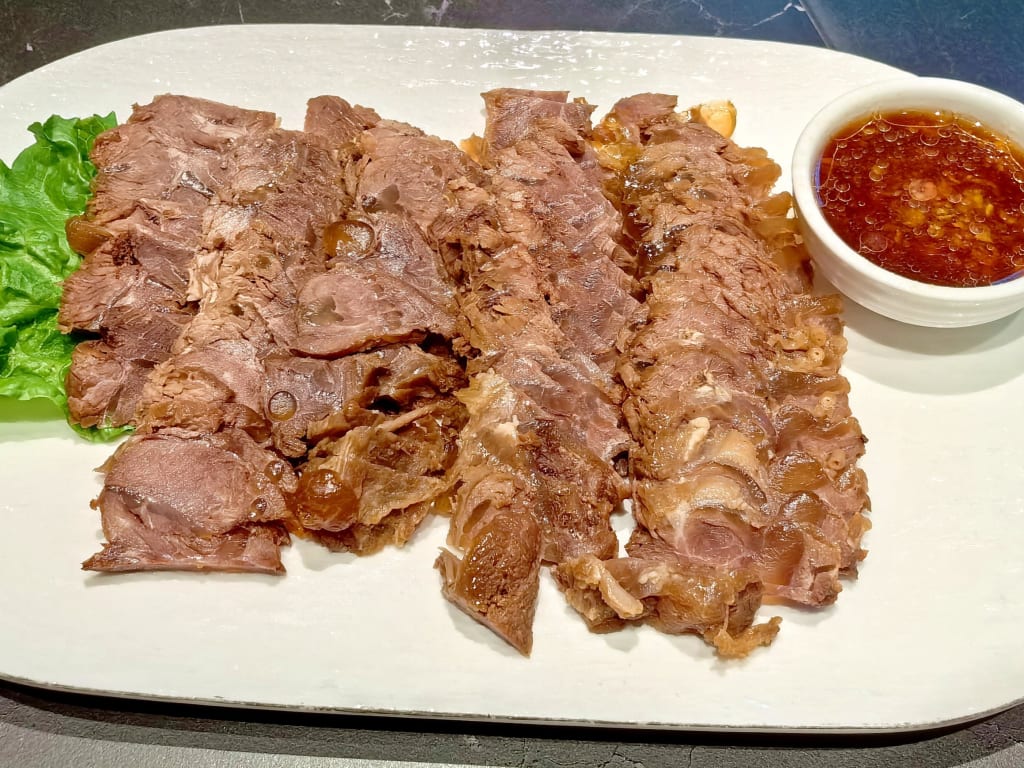
That rich protein packed within beef? It’s premium, body-nourishing fuel—loaded with iron for healthy blood and stamina, especially comforting as the weather turns cool. A steaming bowl of beef stew warms you from the inside out, delivering deep satisfaction. Yet, many home cooks sigh in frustration: "Every time I try, the meat turns out tough and chewy! It’s flavorless, nothing like the melt-in-your-mouth tenderness you get at restaurants." Some, rushing the process, immediately blanch chopped beef in boiling water or toss it straight into a pot with cold water. No wonder it ends up tough as shoe leather! Why are these common approaches disastrous?
The Science Behind the Failure
Especially when using beef straight from the fridge—cold at its core with tightly contracted muscle fibers—plunging it into boiling water causes surface proteins to instantly seize and shrink. This reaction is catastrophic. It traps blood, impurities, and gamey flavors inside like a biological straightjacket. Not only does the unpleasant odor remain trapped, but the braising liquid also cannot penetrate the meat fibers. The result? Tough, chewy, and stubbornly bland beef.
Using the cold-water-start method isn’t any better. As the water gradually heats, that same "protein straightjacket" effect occurs, yielding equally disappointing results.
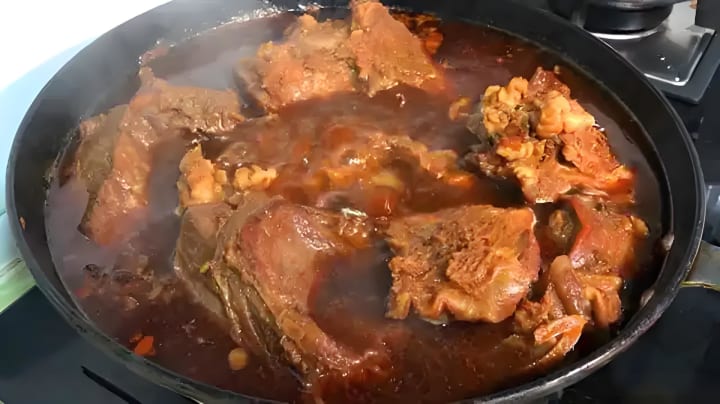
The Restaurant Secret: Gentle Treatment & Patience
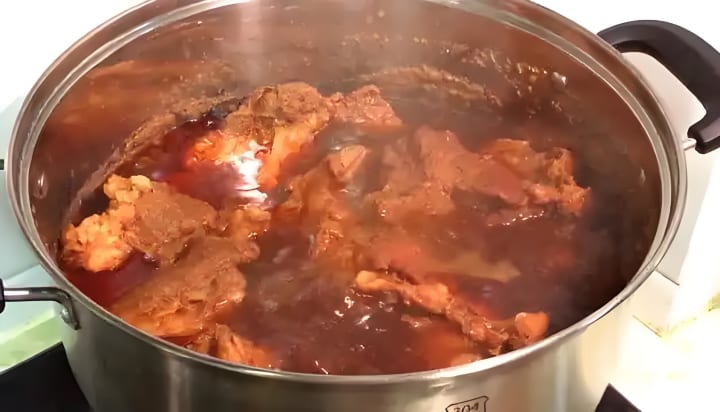
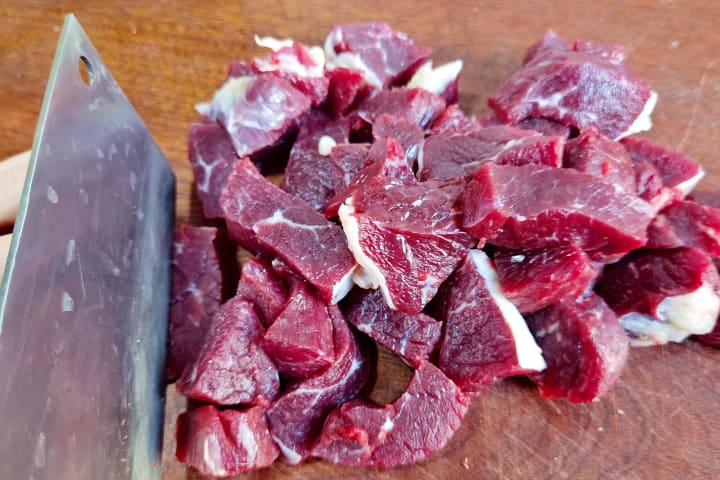
Achieving fork-tender, deeply flavorful beef isn’t about speed—it’s about respecting the process. The core principle: Handle with Care, Cook with Patience. Here’s your foolproof, three-stage method:
STAGE 1: GENTLE CLEANSING – REMOVE IMPURITIES, PRESERVE FLAVOR
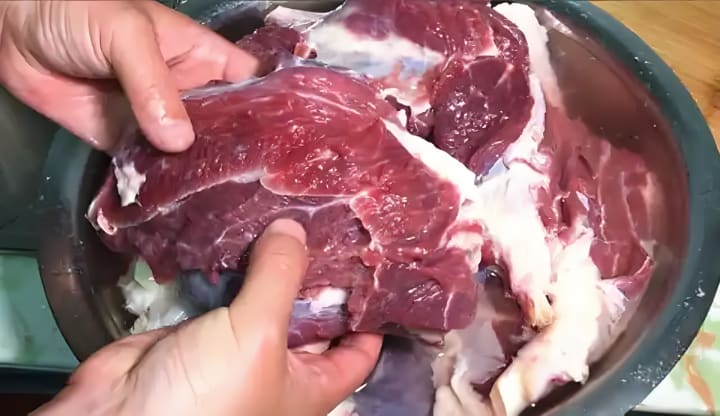
1. Cold Water Bath: Cut fresh brisket or shank into large chunks. Submerge them completely in a large bowl of cold water. This step is non-negotiable! Cold water gently coaxes out residual blood and myoglobin trapped within the meat. Soak for at least 1 hour, changing the water 2-3 times. When the water runs clear and the beef appears slightly pale, it’s ready.
2. Flour & Vinegar Scrub: Drain the beef (no need to dry it). Sprinkle 1-2 tablespoons of all-purpose flour over the chunks, followed by 1 teaspoon of white vinegar or rice vinegar. Using your hands, massage the mixture thoroughly into the meat for 3-5 minutes. The flour acts like a magnet, lifting away surface grime and excess fat. The vinegar neutralizes gamey odors while subtly beginning to relax and tenderize the muscle fibers. Rinse vigorously under cold running water until the water runs completely clear.
STAGE 2: COLD-START BLANCHING – THE "NO-SHOCK" METHOD
1. Cold Water Setup: Place the cleaned beef in your stewing pot. Cover completely with fresh cold water. Add a few slices of ginger, one section of scallion (white part only), 1-2 star anise pods (optional), and 1-2 tablespoons of Shaoxing wine or dry cooking sherry. Critical: Keep the heat OFF initially! Allow the beef and water to come up to temperature together gradually.
2. Skim Relentlessly: As the water heats, a layer of greyish-brown scum (coagulated proteins and impurities) will rise to the surface. Use a fine spoon or skimmer to meticulously remove ALL of this froth. Continue skimming until the water reaches a full boil and the liquid appears relatively clear. This is the absolute key to a clean-tasting broth and non-gamey beef.
STAGE 3: SIMMER TO SUBLIME – HEAT, TIME, & REST
1. Hot Water Top-Up: After skimming, add enough hot water (or low-sodium broth) to cover the beef by 2-3 inches (roughly 2-3 times the volume of the meat).
2. Low & Slow Simmer: Once the liquid returns to a boil, immediately reduce the heat to the lowest possible simmer. Cover the pot (leaving a slight crack for steam to escape if using a tight lid).
• Clay Pot / Dutch Oven: Simmer gently for 2-2.5 hours (Brisket cooks slightly faster; shank may need longer).
• Pressure Cooker: While faster (approx. 40-50 minutes under pressure), the depth of flavor won't match traditional slow simmering.
3. Season Strategically: Add salt, soy sauce, or other salty seasonings only during the last 30-45 minutes of cooking. Adding salt too early tightens proteins, preventing tenderization.
4. Optional Reduction: If the broth is too thin after cooking, increase the heat slightly to reduce and concentrate flavors, creating a richer, more velvety sauce.
The Reward: Beef That Truly Loves You Back
Each piece emerges succulent and deeply infused with the aromatic broth. A gentle press of your fork causes it to yield effortlessly—no wrestling with rubbery fibers or unpleasant chew. The flavor is profound, comforting, and utterly satisfying.
Why This Works:
• Cold Soaking: Removes myoglobin (source of metallic/bloody taste) without shocking proteins.
• Flour/Vinegar Scrub: Physically cleans the surface and jumpstarts enzymatic tenderization.
• Cold-Start Blanching: Allows impurities to dissolve gently and be removed before proteins fully contract.
• Delayed Salting: Prevents osmotic pressure from drawing moisture OUT of the meat prematurely.
• Hot Water Simmer: Maintains even, gentle heat penetration without overcooking the exterior.
Ditch the instinct to blanch furiously or dump beef straight into the pot. Embrace this method of "gentle treatment." When the heady aroma fills your kitchen and your family’s eyes light up at the first fork-tender, flavor-packed bite, you’ll know—every patient minute was well worth the effort. This isn’t just cooking; it’s coaxing greatness from humble ingredients through respect and understanding. The result? Beef stew that transcends the ordinary, offering pure, soul-warming perfection.
About the Creator
My Tous les Jours Trip
As someone who lives in a rural area, I don't get the chance to visit fancy restaurants or bakeries that often. So, when a friend told me about a French-Asian bakery that's less than an hour away, I knew I had to check it out and grab some pictures for social media. Tous les Jours ended up providing an immersive experience that went above and beyond my expectations--although I did leave with a few reservations.
By Kaitlin Shanks23 days ago in Feast
Edible Offal Market Size and Forecast 2025: A Global Shift Toward Sustainable, Affordable Protein
Edible Offal Market Size and Forecast 2025 The Edible Offal Market is projected to reach US$ 59.60 billion by 2033, rising from US$ 39.66 billion in 2024, registering a CAGR of 4.63% from 2025 to 2033, according to Renub Research. This steady expansion reflects a powerful global shift toward affordable, nutrient-dense protein sources, culturally rooted culinary practices, rising meat consumption, sustainable meat processing, and increasing awareness of food waste reduction. Particularly in developing regions and ethnic cuisine markets, offal is no longer seen as a by-product—it is emerging as both a nutritional asset and a sustainability solution.
By jaiklin Fanandish3 days ago in Feast



Comments
There are no comments for this story
Be the first to respond and start the conversation.