
The Rise of Fusion Cuisine: Blending Cultures, Flavors, and Culinary Traditions
Bridging Borders on the Plate: Exploring the Global Culinary Revolution of Fusion Cuisine


Cuisine has always been a reflection of cultural identity and a way to celebrate the unique flavors and traditions of a particular region. However, in recent years, there has been a culinary revolution taking place, giving rise to the phenomenon known as fusion cuisine. Fusion cuisine is the art of blending different culinary traditions, ingredients, and cooking techniques to create innovative and harmonious dishes that transcend cultural boundaries. This culinary movement has gained immense popularity worldwide, captivating the taste buds of adventurous diners and challenging traditional notions of what constitutes a "typical" dish.
At its core, fusion cuisine is a product of globalization and cultural exchange. As travel and communication have become more accessible, the world has become a melting pot of cultures, and this fusion of cultures is reflected in the culinary landscape. People from different backgrounds bring their unique culinary traditions with them, creating a rich tapestry of flavors that chefs and food enthusiasts can draw inspiration from.
One of the pioneers of fusion cuisine was the renowned chef, Wolfgang Puck, who seamlessly combined French and Asian culinary techniques at his iconic restaurant, Spago, in the 1980s. Puck's innovative approach introduced dishes like his famous "Chinois Chicken Salad," which blended Asian flavors with classic French ingredients. This marked the beginning of a new era in gastronomy, where chefs started experimenting with unconventional flavor combinations and cross-cultural techniques.
Fusion cuisine is not limited to any specific set of cuisines or regions. It is a dynamic and evolving style that draws inspiration from various culinary traditions. For example, in the United States, fusion cuisine has flourished as a result of the diverse cultural landscape. Chefs have embraced the fusion of Mexican and American flavors in dishes like Korean-inspired tacos or Vietnamese-inspired banh mi sandwiches. These creations have become staples in food trucks and trendy restaurants, offering a tantalizing mix of flavors that reflects the multicultural essence of the country.
Similarly, in Europe, fusion cuisine has taken root, blending traditional European flavors with influences from Middle Eastern, African, and Asian cuisines. Chefs experiment with ingredients and spices, incorporating Moroccan spices into French cuisine, or infusing Italian dishes with Indian spices, creating a delightful fusion of tastes and aromas.
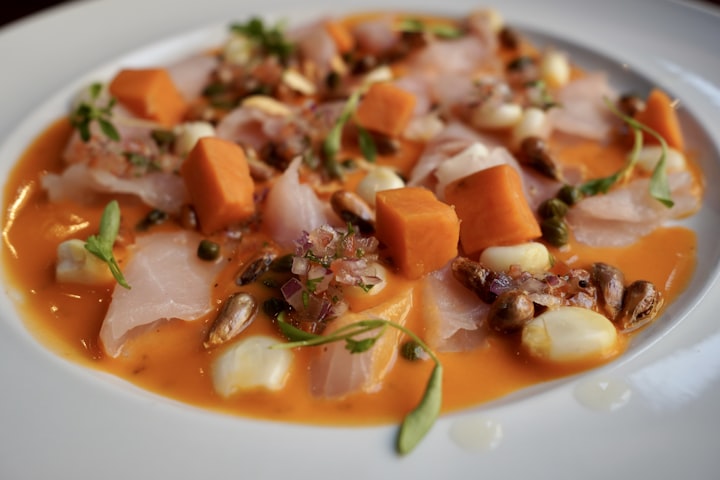
Fusion cuisine also extends to the realm of fine dining, where renowned chefs push the boundaries of culinary innovation. They meticulously blend ingredients and techniques from different cultures to create sophisticated and visually stunning dishes. These culinary masterpieces not only tantalize the taste buds but also captivate the eyes, highlighting the artistic nature of fusion cuisine.
One of the keys to successful fusion cuisine is maintaining a delicate balance of flavors. Chefs must have a deep understanding of the ingredients they are working with and the cultural context from which they originate. It is not simply a matter of combining random ingredients but rather a thoughtful and intentional process that respects and honors the traditions being fused. Through careful experimentation and creativity, chefs are able to create harmonious dishes that celebrate the best of multiple culinary traditions.
The rise of fusion cuisine has not been without its controversies. Some argue that by blending different culinary traditions, the authenticity and integrity of individual cuisines are compromised. However, proponents of fusion cuisine see it as a way to celebrate diversity and promote cultural exchange. It is an opportunity to showcase the beauty of different culinary traditions while pushing the boundaries of creativity and innovation.
Moreover, fusion cuisine has played a crucial role in breaking down cultural barriers and fostering a sense of community. Sharing a meal that blends flavors from different parts of the world can be a unifying experience, promoting understanding and appreciation for diverse cultures.
As fusion cuisine continues to evolve, chefs are finding inspiration in unexpected places. They draw influences from street food, traditional cooking methods, and even molecular gastronomy, pushing the boundaries of what is considered possible in the culinary world. This constant evolution keeps fusion cuisine fresh and exciting, as new combinations and techniques are discovered.
In addition to its artistic and cultural significance, fusion cuisine has also had a significant impact on the restaurant industry. Fusion restaurants have emerged as hotspots for food lovers seeking innovative and unique dining experiences. These establishments offer menus that showcase the creativity and expertise of the chefs, attracting a diverse clientele who appreciate the fusion of flavors and the adventurous spirit of the cuisine.
The popularity of fusion cuisine has also extended beyond the walls of restaurants. Home cooks and food enthusiasts have embraced the concept, experimenting with their own fusion creations in their kitchens. Cooking shows and social media platforms have become platforms for sharing fusion recipes and techniques, creating a global community of culinary explorers.
Furthermore, fusion cuisine has opened up opportunities for collaboration and cultural exchange among chefs. It has become common for chefs from different culinary backgrounds to work together, combining their expertise and knowledge to create extraordinary dining experiences. These collaborations not only produce remarkable dishes but also foster a sense of camaraderie and mutual respect among chefs.
As fusion cuisine continues to thrive, it is important to recognize the cultural context and sensitivity required when blending culinary traditions. Chefs must approach fusion cuisine with a deep appreciation for the roots and history of the cuisines they are working with. It is crucial to acknowledge and respect the traditions and ingredients being fused, ensuring that the final result is a celebration of cultural diversity rather than a disregard for culinary heritage.
The rise of fusion cuisine has also brought attention to the importance of sustainable and locally sourced ingredients. Chefs who embrace fusion cuisine often prioritize using fresh, seasonal, and locally available produce, supporting local farmers and reducing the carbon footprint associated with long-distance food transportation. This emphasis on sustainability aligns with the growing global awareness of the environmental impact of food production and consumption.
In conclusion, the rise of fusion cuisine has revolutionized the culinary world by blending cultures, flavors, and culinary traditions. It is a celebration of diversity, creativity, and innovation in the kitchen. Fusion cuisine offers a unique and exciting dining experience, pushing the boundaries of what is considered traditional or typical. Through thoughtful combinations, careful balance, and a deep respect for culinary heritage, fusion cuisine bridges gaps, fosters cultural exchange, and delights the taste buds of adventurous food lovers worldwide. As the culinary landscape continues to evolve, fusion cuisine will undoubtedly remain at the forefront of culinary innovation, creating new culinary experiences that delight and inspire.
About the Creator
Keep reading
More stories from Courtney Burch and writers in Feast and other communities.
Unearthing Hidden Gems: Lesser-Known Cuisines Worth Discovering
In a world that celebrates the familiar and the popular, there lies a wealth of lesser-known cuisines waiting to be discovered. While global culinary scenes often revolve around well-known dishes and cuisines, there is a whole world of flavors, ingredients, and techniques that remain unexplored. These hidden gems are a testament to the diversity and richness of our planet's culinary heritage. Today, we invite you on a journey to unearth these lesser-known cuisines, as we explore the unique flavors that are waiting to be discovered.
By Courtney Burch3 years ago in Feast
Nuclear vs Joint Family: Freedom or Belonging Subtitle: Exploring the dynamics, benefits, and challenges of nuclear and joint families in today’s world.
Family is often described as the cornerstone of society, shaping values, behaviors, and emotional well-being. Yet, the concept of family varies greatly, especially in cultures where both nuclear and joint family systems coexist. While some people cherish the independence and privacy of a nuclear family, others find support and a sense of belonging in a joint family. Understanding these two structures offers insight into how family shapes modern life and influences personal choices.
By Salaar Jamali5 days ago in Feast
Emotional Struggles Behind Perfect Couples Shared Across Social Media Platforms
Social media has changed the perception of people regarding love and relationships. Millions of couples are posting smiling photographs, sensual text posts and well-edited events that seem perfect every day. Such images give an illusion that other people are happy and that they can always be happy without working hard. Although these posts might look harmless, most of them conceal emotional facts that cannot be seen. It is a complicated tale behind each ideal image with hardships, misunderstandings, and self-investigations that are almost never brought to the screen.
By Grace Smith2 days ago in Feast



Comments
There are no comments for this story
Be the first to respond and start the conversation.