
The Right Way to Mix Sesame Paste: Adding Oil or Water is a Big Mistake! A Hotpot Restaurant Owner Taught Me This Trick—Silky, Smooth, and Incredibly Fragrant
The Right Way to Mix Sesame Paste: Adding Oil or Water is a Big Mistake! A Hotpot Restaurant Owner Taught Me This Trick—Silky, Smooth, and Incredibly Fragrant
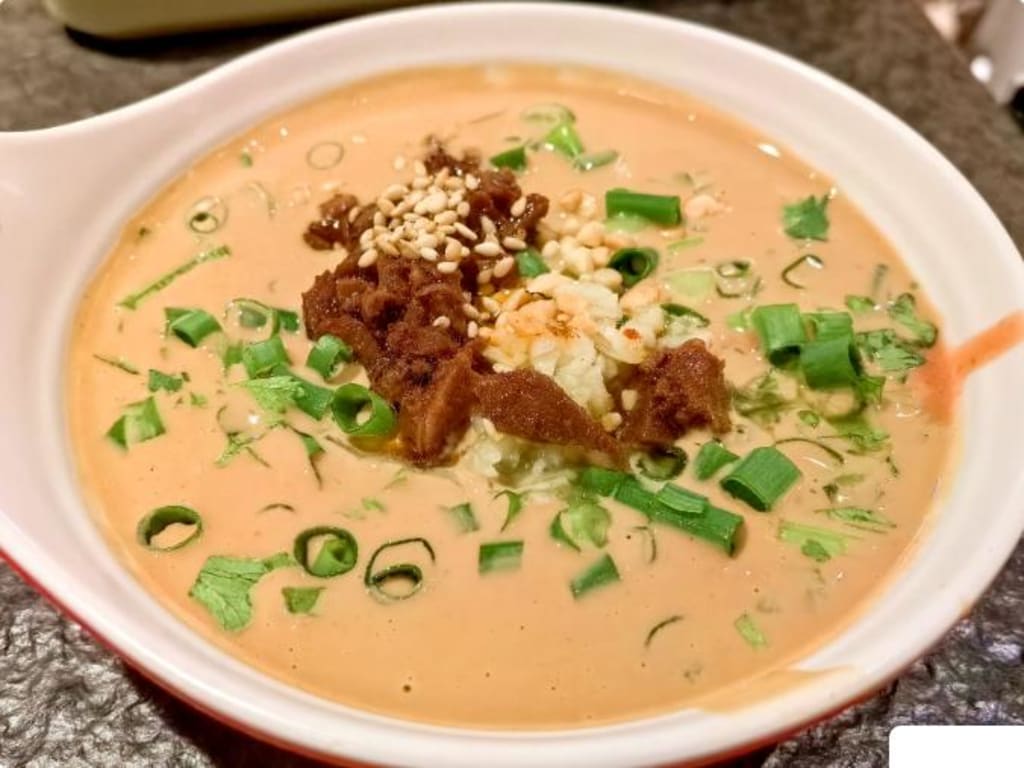
The secret to a delicious cold dish lies in its soulful sauce—sesame paste. Its rich aroma can make even the simplest vegetables taste meaty. But sesame paste can be stubborn. Many people confidently scoop out a spoonful, add water, and stir, only to end up with either a watery mess or clumpy lumps. Desperate, they pour in a few extra spoonfuls of sesame oil, but the result is an overly greasy, muted flavor. What should have been a smooth, fragrant sesame paste turns into a "sesame disaster."
It wasn’t until last winter, while watching the owner of my favorite hotpot restaurant effortlessly mix his sauce, that I realized how wrong I’d been all along. Seeing me stare in amazement, the owner chuckled and shook his head: "Nine out of ten people mess up the first step when mixing sesame paste—they either add oil or cold water. No wonder it never turns out right!" As he spoke, he demonstrated the proper technique. The key to a rich, velvety sesame paste lies in one thing: gentle, warm water. And even then, the water must be introduced patiently, bit by bit, allowing it to fully meld with the paste.
The Hotpot Owner’s Secret Method:
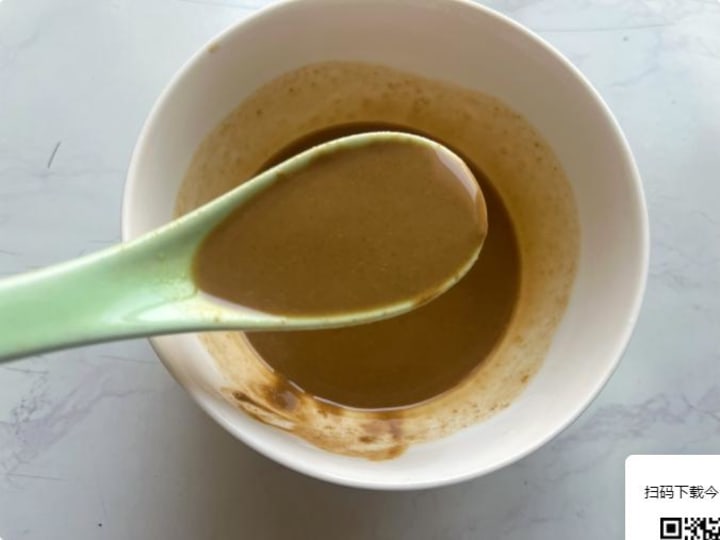
1. Use a wide, shallow bowl—preferably ceramic—and scoop in a generous amount of pure sesame paste. A wide bowl makes stirring easier and prevents sticking.
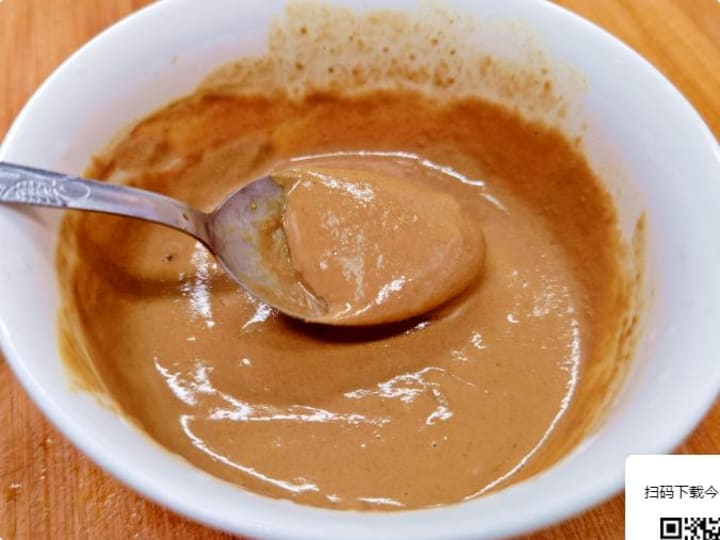
2. Boil water and let it cool to about 60°C (140°F)—warm to the touch but not scalding. Cold water will cause the paste to clump stubbornly, while boiling water will scorch the aroma and even introduce a bitter edge.
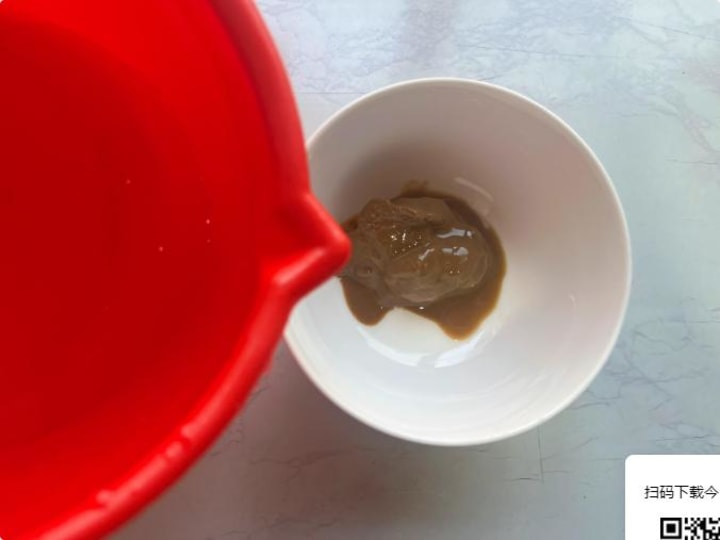
3. Here’s the crucial step! Take a small spoon and drizzle the first spoonful of warm water right into the center of the sesame paste. Do not stir immediately. Let it sit for a few seconds, allowing the water to slowly penetrate and soften the thick paste.
4. Use a whisk (or chopsticks, though a whisk works more evenly) and stir gently in one direction. You’ll see the paste gradually absorb the water, thickening into a creamy consistency. Only after it fully "drinks up" the first spoonful and becomes smooth should you add the next. Repeat this process—water, stir, absorb, repeat—like patiently coaxing a stubborn child. Never rush by adding too much water at once, or you’ll ruin the texture.
5. Continue this gentle process until the paste reaches your desired thickness. For cold dishes, I prefer it slightly thicker to cling to the vegetables; for dipping, a thinner consistency works better. The magic? This method yields an unprecedentedly smooth, glossy paste, silky as satin, with the aroma fully unlocked—no greasiness, just pure, nutty fragrance that hits your nose instantly.
Once prepared, this sesame paste is perfect for tossing with noodles, dipping hotpot ingredients, or slathering on steamed buns—so delicious it’ll make you slap the table in delight! No wonder the hotpot owner grinned proudly: "Oil? Not a single drop needed! Good sesame paste 'releases its own oil.'" This warm-water, gradual-mixing method is nothing short of genius.
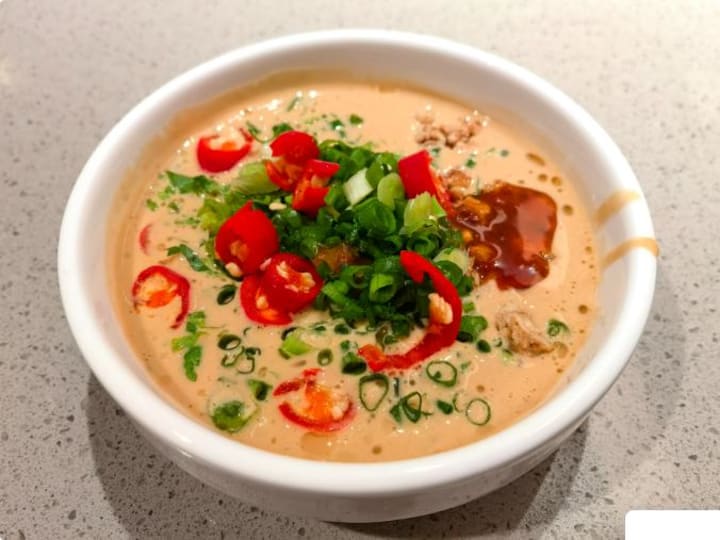
Sesame Paste Green Beans Recipe:
1. Trim and blanch fresh green beans: Remove the ends and snap them into bite-sized pieces. Bring a pot of water to a boil, add a pinch of salt and a few drops of oil (the salt seasons, the oil preserves color), then blanch the beans for about 2 minutes—just enough to cook but keep them crisp.
2. Shock in ice water (or rinse under cold water) to lock in their vibrant green color and crunch. Drain well and arrange on a plate.
3. Drizzle with your perfectly mixed sesame paste—thick enough to coat. For extra flavor, add minced garlic, a splash of vinegar, or light soy sauce. Toss and enjoy!
Mixing sesame paste is, at its core, a patient and gentle conversation. Oil and cold water are impatient intruders that disrupt its harmony, while warm water added gradually acts like a trusted friend, awakening the paste’s hidden richness and silkiness. Next time you scoop out that dense sesame paste, remember: arm yourself with warm water, take your time, and stir with care. When the paste flows like liquid silk in the bowl, its pure, intoxicating aroma will be the ultimate reward for your patience.
Bonus Tips for Perfect Sesame Paste:
• Storage: Keep leftover paste in an airtight container in the fridge. It thickens when cold, so let it sit at room temperature or add a splash of warm water to loosen before use.
• Variations: For a tangy twist, mix in a bit of rice vinegar or citrus zest. For spice lovers, a dash of chili oil works wonders.
• Pairings: Beyond green beans, try it with shredded chicken, cucumber salads, or as a base for Sichuan-style "ma la" sauces.
Mastering this technique transforms not just your dishes but your entire approach to cooking—patience, precision, and respect for ingredients always yield the best results. Happy mixing!
About the Creator
My Tous les Jours Trip
As someone who lives in a rural area, I don't get the chance to visit fancy restaurants or bakeries that often. So, when a friend told me about a French-Asian bakery that's less than an hour away, I knew I had to check it out and grab some pictures for social media. Tous les Jours ended up providing an immersive experience that went above and beyond my expectations--although I did leave with a few reservations.
By Kaitlin Shanks24 days ago in Feast
Orange Market Size and Forecast 2025–2033
Orange Market at a Glance (Renub Research) The Global Orange Market is expected to reach US$ 53.74 billion by 2033, up from US$ 38.45 billion in 2024, expanding at a CAGR of 3.79% from 2025 to 2033. Rising consumer demand for vitamin C–rich foods, the rapid growth of juice and beverage categories, health-conscious lifestyles, and the expanding use of oranges in cosmetics, pharmaceuticals, and functional foods are the primary growth engines. Export opportunities and favorable cultivation conditions across major producing regions further reinforce long-term market expansion.
By Aaina Oberoi6 days ago in Feast




Comments
There are no comments for this story
Be the first to respond and start the conversation.