


INTRODUCTION
The Nutritarian Diet by Dr. Joel Fuhrman focuses on optimal health and longevity through a diet rich in nutrient-dense, plant-based foods. It totally emphasizes maximizing the intake of vitamins, minerals, and phytochemicals while keeping at bay the intake of foods high in calories but low in nutrients. This is encouraging a whole, unprocessed plant-based diet rich in vegetables, fruits, legumes, nuts, and seeds.
HISTORY
Dr. Joel Fuhrman, a family physician and nutritional researcher, published his diet, the Nutritarian Diet, in his book "Eat to Live" in 2003. He coined the term "nutrient density," referring to the amount of micronutrients a food contains per calorie. The approach advocated by Dr. Fuhrman is underpinned by decades' worth of scientific research on the health benefits of plant-based eating and nutrition in the prevention and reversal of chronic disease.
KEY COMPONENTS
1. Nutrient Density: The diet recommends that a person consume foods that provide maximum nutrition for each available calorie. In other words, it suggests foods that are compact with the main nutrients: vitamins, minerals, and phytochemicals.
2. Plant-Based Foods: Basically plant-based, the diet is centered on vegetables, fruits, legumes, nuts, and seeds, which are rich in fiber and antioxidants and other compounds that exert positive effects.
3. Whole Foods: Processed and refined foods are reduced or avoided in this diet to the greatest extent possible. Whole, unprocessed foods are encouraged to maximize the intake of nutrients while limiting additives and other unhealthy ingredients.
4. Low Animal Product Intake: Although not strictly vegan, this diet contains very limited animal products like meat, dairy, and eggs—first of all because they are more thinly dense in terms of nutrient value and they are higher in terms of the number of calories they offer.
5. Low Glycemic Load: This diet focuses on foods with a low glycemic load to regulate blood sugar and prevent surges in insulin spikes.
6. Good Fats: This promotes good plant fats, including those found in avocados, nuts, seeds, and olive oil, while generally decreasing saturated and trans-fatty acids.
WHO CAN FOLLOW NUTRITARIAN DIET
1. Those with Weight Loss Goals: The diet's focus on low-calorie, nutrient-dense foods can support weight loss and enhance satiety.
2. Chronic Disease Patients: The Nutritarian Diet can help those patients who have diseases like heart, diabetes, and hypertension by focusing on the consumption of heart-healthy foods that help decrease inflammation.
3. Health-Conscious People: Those wishing to maximize their consumption of nutrients for the optimization of health will be interested in this diet.
4. Vegans and Vegetarians: Since the diet highly emphasizes eating plants, it is appropriate for both vegans and vegetarians.
WHO SHOULD AVOID NUTRITARIAN DIET
1. People with Particular Nutrition Requirements: Those with some kind of dietary limitation, allergy, or other medical conditions should consult a doctor before getting into the diet.
2. High Energy Requirement People: Athletes or those involved in highly energetic sports may require more protein and calories than the diet can provide.
3. Discomfort with Plant-Based Eating: People who have a stronger preference towards animal products might find the diet too oriented towards plant-based foods.
BENEFITS
1. Nutrient Dense: The diet is focused upon foods that have high nutrient density for the maintenance of excellent health and well-being.
2. Weight Management: Since it is rich in low-calorie, high-nutrient foods, the diet provides a foundation for weight loss and the maintenance of ideal body weight and thus acts against obesity.
3. Chronic Disease Prevention: The diet basically relies on plant-based and whole food products that may mitigate some chronic diseases like heart diseases, diabetes, and even certain forms of cancer.
4. Good Digestion: The diet is rich in fiber and thus helps to ensure good digestion and the passing of stools.
5. Sustainable Eating: This diet advocates responsible and ethical choices at the table, such as plant-based eating and low intake of processed foods.
DEMERITS
1. Too Restrictive: The stringent rules about the nutrient density of food and the restriction of animal products and processed foods might be difficult for many to follow.
2. Potential Nutrient Deficiencies: The diet is very dense in nutrients, and so at some point, planning may become necessary to ensure adequate consumption of those nutrients that the diet is usually low in, mainly derived from animal products, such as vitamin B12, iron, and omega-3 fatty acids.
3. Social and Cultural Constraints: Due to the diet's restrictions, it is pretty hard to be flexible with social dining and cultural food traditions.
CONCLUSION
The Nutritarian Diet places a heavy emphasis on maximizing the intake of nutrients per calorie consumed, trying to rebuild diets back toward their natural state. This being very much a plant-based and whole-food diet will, therefore, ensure that it is rich in nutrients; thus, it will easily be able to sustain weight loss, prevent chronic diseases, and foster healthy well-being. However, the degree of restriction of the diet could lead to deficiencies of certain nutrients in people.
Like with every diet, it is necessary to consult with a health professional or registered dietitian before starting this. Nutritarian Diet more so for people with certain health conditions or nutritional needs. Making mindful choices of food intake with a major concentration on nutrient-dense food, individuals can achieve optimal health and well-being through the Nutritarian Diet.
About the Creator
Vishnu's Nutritips
Welcome to "Vishnu's Nutritips"! I'm Vishnu Varthini Govindarajan, a postgrad in Nutrition. Explore diets like plant-based, keto, Mediterranean, and fasting for a healthier life. Subscribe for tips and insights!
Keep reading
More stories from Vishnu's Nutritips and writers in Feast and other communities.
THE MEDITERRANEAN DIET
INTRODUCTION The Mediterranean Paleo Diet is a hybrid of the traditional Mediterranean diet with basic eating paleo principles. It places a high premium on whole, unprocessed foods: radically, fruits, vegetables, nuts, seeds, fish, and healthy fats. These were supplemented by eliminating grains, legumes, dairy, and other processed foods. The proponents combine the major features of these dietary philosophies to ensure optimal health.
By Vishnu's Nutritips2 years ago in Feast
Widow invests $800,000 to start hawker culture experience centre in honour of late husband
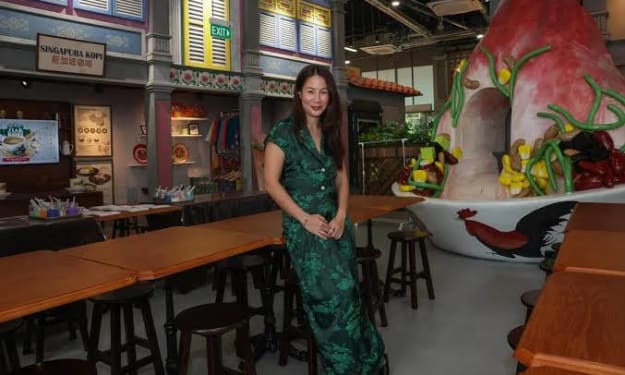
In a touching tribute to love, memory, and cultural heritage, a Singaporean widow has invested nearly $800,000 to establish a hawker culture experience centre dedicated to preserving and celebrating the vibrant food traditions that her late husband cherished throughout his life. The centre, which opened recently in Singapore, aims to provide visitors with an immersive journey into the country’s beloved hawker culture while honouring the legacy of a man who spent decades supporting local food vendors. The project was initiated by Lim Mei Hua, whose husband, Tan Wei Chong, passed away three years ago after a long illness. Tan was widely known among friends and family as a passionate supporter of traditional hawker stalls and frequently spent his weekends exploring different food centres across Singapore. According to Lim, the idea of creating a space dedicated to hawker heritage had long been one of her husband’s dreams. “He always believed that hawker culture was the heart of Singapore,” Lim said during the centre’s opening ceremony. “After he passed away, I wanted to do something meaningful that would keep his passion alive and allow future generations to understand why these traditions matter.” Singapore’s hawker culture is a cornerstone of the nation’s identity. The bustling open-air food centres, filled with vendors serving affordable and diverse dishes, reflect the multicultural roots of the country. In recognition of its cultural importance, UNESCO added Singapore’s hawker culture to its Representative List of the Intangible Cultural Heritage of Humanity in 2020. Lim’s experience centre is designed to showcase this heritage through interactive exhibits, live cooking demonstrations, and storytelling sessions led by veteran hawkers. Visitors can learn about the origins of iconic dishes such as Hainanese chicken rice, Laksa, and Char kway teow, while also exploring the personal journeys of the hawkers who prepare them. The centre includes a small exhibition gallery featuring photographs, kitchen tools, and handwritten recipes collected from hawker families across the city. Many of these items date back decades, offering a glimpse into how culinary traditions have been passed down through generations. One section of the centre recreates a traditional hawker stall environment, allowing visitors to experience what it feels like to work behind the counter during a busy lunch rush. Young participants can try their hand at simple cooking techniques while learning about the discipline and dedication required to master hawker cuisine. Local hawkers have warmly welcomed the initiative. Many worry that younger generations may be less interested in taking over family stalls, which often involve long hours and physically demanding work. By highlighting the cultural significance of these businesses, Lim hopes the centre will inspire renewed appreciation among the public. “Hawker food is not just about eating,” said veteran vendor Ong Kee, who participated in one of the centre’s demonstration sessions. “It’s about history, family, and community. Places like this help remind people why our traditions should continue.” Beyond cultural preservation, the experience centre also aims to support hawkers economically. A portion of ticket sales will be directed toward training programs for aspiring food vendors, helping them learn both traditional recipes and modern business skills. Lim believes this approach can help sustain the industry while adapting to changing times. Tourism officials in Singapore have also expressed optimism about the centre’s potential to attract international visitors interested in culinary experiences. Food tourism has become an increasingly important part of the country’s travel industry, with visitors eager to explore authentic local cuisine. For Lim, however, the centre’s true purpose goes far beyond tourism or business success. Every corner of the space reflects memories of her husband—his favorite dishes, the stalls he frequently visited, and the stories he loved to share. “Whenever I see people enjoying the exhibits or learning about hawker culture, I feel like his spirit is still here,” she said quietly. “This place is not just about the past. It’s about keeping something precious alive.” Through her remarkable gesture, Lim has transformed personal grief into a lasting tribute that celebrates love, heritage, and the enduring power of food to bring communities together. Her $800,000 investment ensures that the spirit of Singapore’s hawker culture—and the memory of the man who cherished it—will continue inspiring generations to come.
By Fiaz Ahmed about 7 hours ago in Feast



Comments
There are no comments for this story
Be the first to respond and start the conversation.