
The Delicious History of Pizza: From Ancient Ovens to Modern Slices
Discover how a humble flatbread turned into the world’s favorite comfort food.

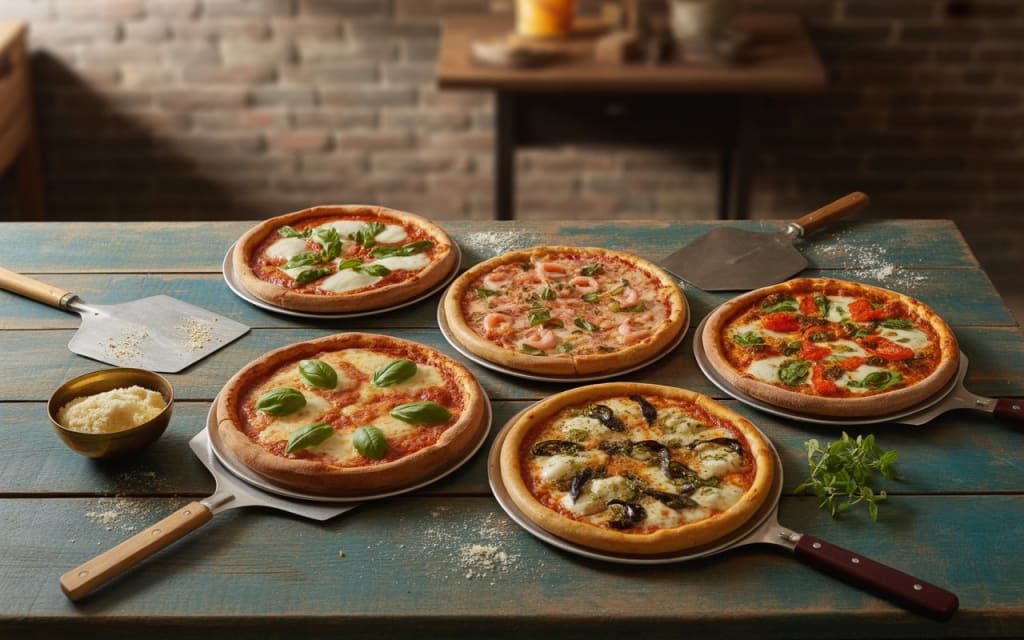
Pizza is one of the most loved foods around the world. Whether you enjoy a classic slice of cheese, a loaded meat lover’s pie, or even a pineapple-topped version, there’s no denying the magic of pizza. But have you ever wondered where pizza came from? Its story is rich, full of flavor, and dates back much further than you might think.
Let’s take a bite into the tasty history of pizza, from its ancient beginnings to the global favorite we enjoy today.
🍞 It All Started with Flatbread
Long before pizza looked like the cheesy dish we know today, ancient people were baking simple flatbreads. These early versions didn’t have tomato sauce or mozzarella, but they were the foundation of what would become pizza.
Over 2,000 years ago, people in places like Egypt, Greece, and Rome were cooking flatbreads in stone ovens. They would add oils, herbs, and sometimes vegetables. It was simple, affordable, and tasty—just like pizza today.
🇮🇹 Pizza Takes Shape in Italy
Pizza, as we know it, started to take form in Naples, Italy, during the late 1700s and early 1800s. Naples was a busy city near the sea, and it had a large population of working-class people. These people needed cheap, filling food that they could eat quickly. The solution? A flatbread topped with tomatoes, garlic, cheese, and oil—the first real pizzas.
Back then, tomatoes were a new ingredient in Europe. Some people thought they were poisonous! But the poor folks in Naples tried them anyway, and soon, the tomato-topped flatbread became very popular.
👑 The Queen's Pizza
In 1889, pizza got royal attention. The King and Queen of Italy visited Naples, and a famous pizza maker named Raffaele Esposito made three different pizzas in their honor. One of them had tomatoes, mozzarella cheese, and fresh basil—the colors of the Italian flag.
This pizza was Queen Margherita’s favorite, so Esposito named it after her: the Margherita Pizza. This moment helped bring pizza into the spotlight, not just in Naples, but all over Italy.
✈️ Pizza Travels to America
In the early 1900s, many Italians moved to the United States, bringing their recipes with them. They settled in cities like New York, Chicago, and Boston, opening small pizza shops in their neighborhoods.
At first, pizza was mostly enjoyed by Italian-Americans. But after World War II, American soldiers who had been stationed in Italy returned home craving the pizza they had tasted overseas. Suddenly, everyone wanted pizza.
🍕 The Rise of Pizza Chains
By the 1950s and 60s, pizza was exploding in popularity. Big chains like Pizza Hut, Domino’s, and Little Caesars opened up across the country, making pizza more accessible than ever. Frozen pizza also hit grocery store shelves, making it easy to bake a pie at home.
Pizza became a favorite for parties, movie nights, and lazy weekends. It was cheap, quick, and delicious—perfect for modern life.
🌍 Pizza Goes Global
Today, pizza is loved all around the world. Different countries have put their own twist on it:
In Japan, you might find pizza with mayo and seafood.
In Brazil, green peas are a popular topping.
In India, you’ll see spicy curry-flavored pizzas.
In Sweden, people eat pizza with bananas and curry powder!
There’s even dessert pizza, breakfast pizza, and gluten-free versions. No matter where you go, there’s a pizza for every taste.
❤️ Why We Love Pizza
Pizza is more than just food—it’s comfort, celebration, and creativity all in one slice. It’s easy to share, simple to customize, and always satisfying. Whether you order it from a famous chain or make it yourself at home, pizza brings people together.
🎉 Final Slice
From ancient ovens to fast food counters, pizza has come a long way. Its history is full of flavor, and its future looks just as tasty. So the next time you enjoy a slice, remember—you’re not just eating food. You’re enjoying a piece of delicious history.
About the Creator
Keep reading
More stories from Muhammad Farhad Khan and writers in Feast and other communities.
Why Facebook Marketplace Is the Best Place to Buy and Sell Locally in 2025
Have you ever wished there was an easy way to make some extra money or find affordable items in your local area? That’s exactly what Facebook Marketplace helps you do. It’s not just a side feature on Facebook anymore—it’s one of the most popular and easiest tools people use to buy and sell things close to home.
By Muhammad Farhad Khan8 months ago in Lifehack
My Tous les Jours Trip
As someone who lives in a rural area, I don't get the chance to visit fancy restaurants or bakeries that often. So, when a friend told me about a French-Asian bakery that's less than an hour away, I knew I had to check it out and grab some pictures for social media. Tous les Jours ended up providing an immersive experience that went above and beyond my expectations--although I did leave with a few reservations.
By Kaitlin Shanks24 days ago in Feast
White Mushroom Market Size and Forecast 2025–2033
Introduction White mushrooms—scientifically known as Agaricus bisporus—are no longer confined to salads, pizzas, and soups. Once considered a humble kitchen staple, they are now emerging as a strategic crop in the global agrifood ecosystem. Driven by sustainability trends, plant-based eating, and rising health consciousness, white mushrooms have carved out a powerful position in both consumer markets and foodservice industries.
By jaiklin Fanandish3 days ago in Feast
Silver Screen Magic with Mae West
American actress and singer Mae West became a popular film actress during the Great Depression. She started entertaining in vaudeville, then performed on Broadway, and finally went to Hollywood. She signed up with Paramount Pictures and made her debut in the 1932 film “Night After Night.” She also starred in musicals, comedies, and crime dramas. The American Film Institute named her one of the best classic Hollywood actresses.
By Rasma Raisters6 days ago in Geeks




Comments
There are no comments for this story
Be the first to respond and start the conversation.