
The Culinary Treasures of the Sea: A Deep Dive into Seafood
Exploring the Rich Tapestry of Flavors, Techniques, and Traditions in Seafood Cuisine

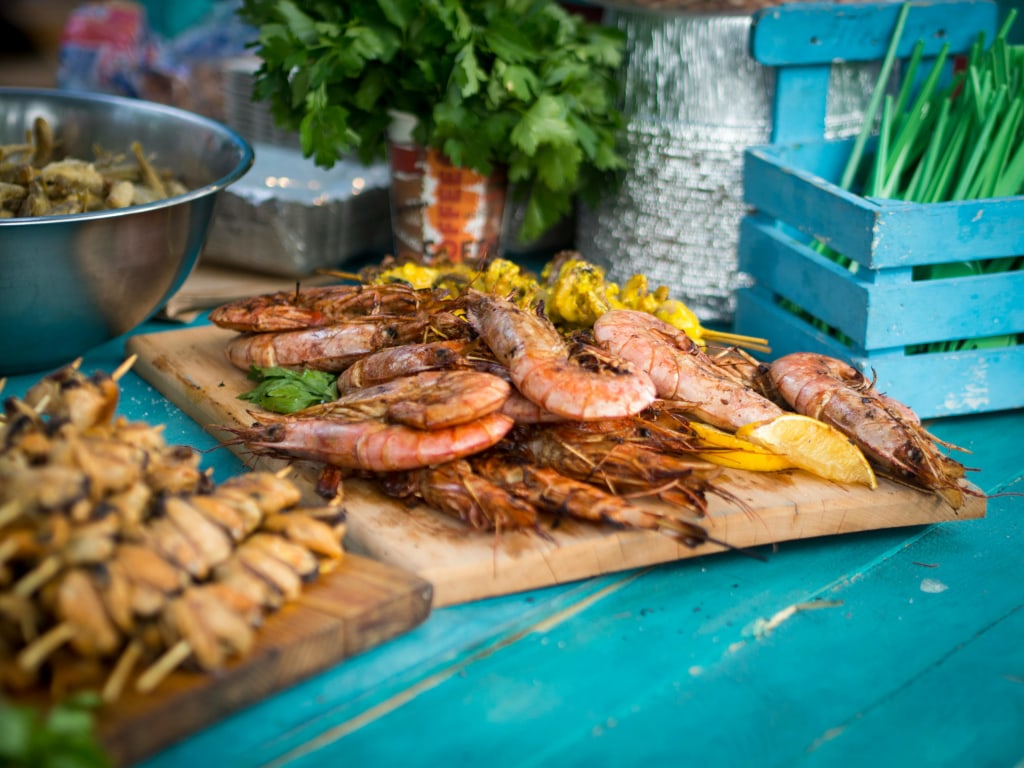
Seafood is often regarded as one of the finest culinary delights, cherished for its diverse flavors, textures, and health benefits. From succulent shrimp and delicate scallops to robust fish varieties, the ocean's bounty offers a world of culinary possibilities. In this article, we will explore the allure of seafood, its nutritional benefits, the various cooking methods, sustainability concerns, and global seafood traditions.
The Allure of Seafood
A Flavorful Journey
One of the most enchanting aspects of seafood is its remarkable flavor profile. The natural salinity of the ocean imbues fish and shellfish with a distinct taste that is both refreshing and savory. Whether it’s the mild sweetness of cod, the rich flavor of salmon, or the briny kick of oysters, seafood caters to a wide range of palates. This variety allows chefs and home cooks alike to create dishes that transport diners to distant shores with each bite.
Versatility in Preparation
Seafood's versatility is another reason it holds a special place in the culinary world. It can be grilled, baked, steamed, fried, or even served raw as sushi or sashimi. Each cooking method brings out different flavors and textures. For example, grilling can impart a smoky char, while steaming preserves the natural moisture and tenderness of the fish. This adaptability means seafood can be easily integrated into various cuisines, from Mediterranean to Asian, making it a favorite ingredient in kitchens around the globe.
Nutritional Benefits
In addition to its delightful flavors, seafood is known for its numerous health benefits. Rich in high-quality protein, essential omega-3 fatty acids, vitamins, and minerals, seafood is a nutritious choice. Omega-3s, found in fatty fish like salmon and mackerel, are vital for heart health, brain function, and reducing inflammation. Furthermore, seafood is generally lower in calories and saturated fats compared to other protein sources, making it an excellent option for those looking to maintain a healthy diet.
The Culinary Techniques of Seafood Preparation
Grilling
Grilling is a popular method for preparing seafood, as it enhances the natural flavors while adding a delicious char. Fish steaks, such as salmon or swordfish, are ideal for grilling due to their firm texture. Shrimp and scallops also grill beautifully, taking on a slightly smoky flavor that complements their sweetness. Marinating seafood before grilling can add depth, with ingredients like olive oil, garlic, and citrus elevating the dish.
Baking
Baking seafood is another favored technique that is both simple and effective. It allows for even cooking and can easily accommodate various flavors. Fish fillets can be topped with breadcrumbs, herbs, or sauces before being baked, resulting in a crispy exterior and moist interior. Dishes like baked cod with lemon and dill or a seafood casserole are perfect examples of how baking can showcase seafood's versatility.
Sautéing
Sautéing seafood in a hot pan with a bit of oil or butter is a quick and flavorful method. This technique is particularly effective for delicate items like scallops and fish fillets. The high heat allows for a delicious sear while maintaining the tenderness of the seafood. Adding aromatics like garlic, shallots, or ginger can further enhance the dish, creating a delightful symphony of flavors.
Raw Preparations
Raw seafood dishes, such as sushi, sashimi, and ceviche, highlight the freshness and quality of the ingredients. Sushi combines vinegared rice with various toppings, while sashimi focuses solely on the fish. Ceviche, a Latin American classic, involves marinating raw fish in citrus juices, which "cooks" the fish through acidity. These preparations showcase the delicate flavors of seafood in their purest form.
Sustainability and Ethical Considerations
As the demand for seafood continues to rise, sustainability has become a critical concern. Overfishing, habitat destruction, and pollution threaten marine ecosystems and the long-term viability of seafood resources. Responsible sourcing is essential for preserving ocean health and ensuring that future generations can enjoy seafood.
Sustainable Seafood Choices
Consumers can make informed choices by looking for seafood that is sustainably sourced. Certifications such as the Marine Stewardship Council (MSC) and the Aquaculture Stewardship Council (ASC) indicate that the seafood has been harvested or farmed in a way that minimizes environmental impact. Additionally, choosing local and seasonal seafood can support regional economies and reduce carbon footprints associated with transportation.
The Role of Aquaculture
Aquaculture, or fish farming, has emerged as a viable solution to meet the growing demand for seafood while alleviating pressure on wild populations. When done responsibly, aquaculture can provide a sustainable source of fish and shellfish. However, it’s crucial to monitor farming practices to avoid issues such as habitat destruction and water pollution.
Global Seafood Traditions
Seafood plays a significant role in many cultures around the world, with each region boasting its own unique dishes and preparation methods.
Mediterranean Cuisine
In Mediterranean countries, seafood is celebrated for its fresh flavors and healthy preparation methods. Dishes like paella from Spain, a saffron-infused rice dish filled with a variety of seafood, or Italian spaghetti alle vongole, featuring clams and garlic, showcase the region's love for the ocean's bounty. Olive oil, herbs, and citrus are commonly used to enhance the natural flavors of seafood in this cuisine.
Asian Influences
Asian cuisines are known for their diverse and intricate seafood dishes. In Japan, sushi and sashimi are revered for their artful presentation and emphasis on quality. Chinese cuisine often features stir-fried or steamed seafood, enhanced with bold flavors like ginger and soy sauce. Thai cuisine celebrates seafood in dishes like tom yum soup, a spicy and sour shrimp soup that exemplifies the balance of flavors characteristic of the region.
North American Seafood Culture
In North America, seafood is an integral part of many regional cuisines. From New England clam chowder to Cajun jambalaya, each dish tells a story of cultural heritage and local ingredients. The Pacific Northwest is renowned for its salmon, while the Gulf Coast is famous for its shrimp and oysters. Festivals celebrating seafood, such as the Maine Lobster Festival, highlight the significance of these ingredients in local traditions.
Seafood is not just a meal; it's an experience that connects us to the ocean and the diverse cultures that celebrate it. With its incredible flavors, versatility in preparation, and health benefits, seafood continues to captivate food lovers around the world. As we explore this culinary treasure, it’s essential to prioritize sustainability and responsible sourcing to ensure that future generations can continue to enjoy the rich bounty of the sea. So the next time you indulge in a seafood dish, take a moment to appreciate the journey from ocean to plate and the myriad of flavors it brings to your table.
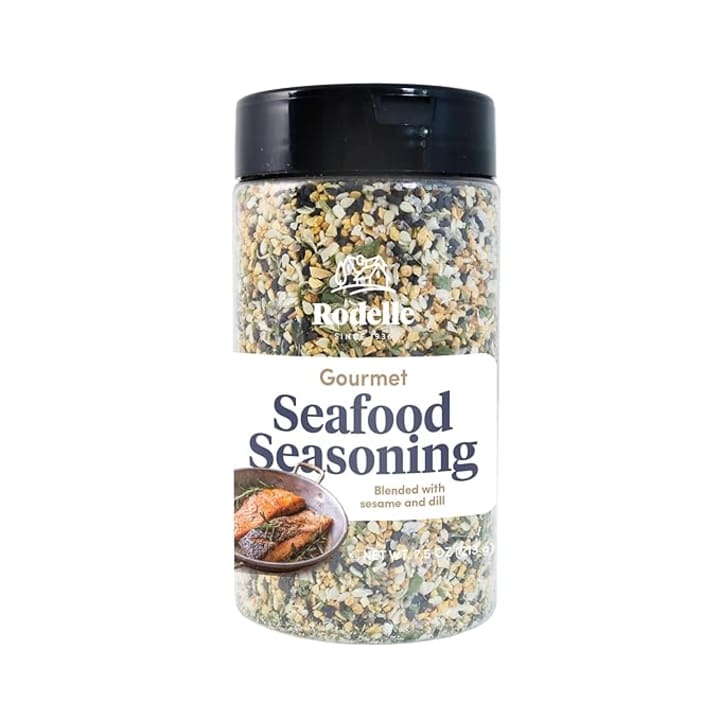
RODELLE Seafood Seasoning, Sesame Dill, 7.5 oz, is a delightful blend crafted to elevate your seafood dishes with a unique flavor profile. This seasoning features a harmonious combination of aromatic dill and nutty sesame, expertly designed to enhance the natural flavors of fish and shellfish.
The bright, fresh notes of dill bring a refreshing zest, while the subtle richness of sesame adds depth and complexity. Whether you're grilling, baking, or sautéing, this seasoning offers versatility and ease, making it perfect for everything from salmon to shrimp.
With its thoughtfully balanced ingredients, RODELLE Seafood Seasoning not only enhances your meals but also adds a touch of culinary sophistication. A must-have for seafood lovers looking to create memorable dishes with minimal effort!
About the Creator
Keep reading
More stories from DaslesGuide and writers in Feast and other communities.
Alexa
In today's fast-paced world, technology continues to advance at an astonishing rate. One of the most groundbreaking inventions in recent years is the Amazon Alexa, a voice-controlled virtual assistant that has revolutionized the way we interact with our devices. In this blog post, we will delve into the world of Amazon Alexa, exploring its features, capabilities, and the impact it has had on our daily lives.
By DaslesGuideabout a year ago in Education
My Tous les Jours Trip
As someone who lives in a rural area, I don't get the chance to visit fancy restaurants or bakeries that often. So, when a friend told me about a French-Asian bakery that's less than an hour away, I knew I had to check it out and grab some pictures for social media. Tous les Jours ended up providing an immersive experience that went above and beyond my expectations--although I did leave with a few reservations.
By Kaitlin Shanks23 days ago in Feast
Bacon Ranch Scalloped Potatoes
There’s something undeniably comforting about a bubbling dish of scalloped potatoes—layers of tender spuds, creamy sauce, and melted cheese all baked to golden perfection. Add the smoky crunch of bacon and the tangy zip of ranch seasoning, and you’ve got a side dish that steals the show. Whether you’re feeding a crowd at a potluck or cozying up for a weeknight dinner, this Bacon Ranch Scalloped Potatoes recipe is a guaranteed crowd-pleaser.
By Kristen Barenthaler4 days ago in Feast
Miss Persephone's Manual to a Seemingly Ordinary Life
Miss Persephone was found at the dining table, her blue eyes swollen, her tears arriving and retreating like the tides of the ocean. Earlier that day, her family had visited her in the retirement home where she had lived for eight years. It was her eightieth birthday.
By Imola Tóth3 days ago in Fiction




Comments (1)
yum I love seafood thank you for this ultimate guide, Joshua!