
The 8 Easiest Foods to Prepare
The 8 Easiest Foods to Prepare

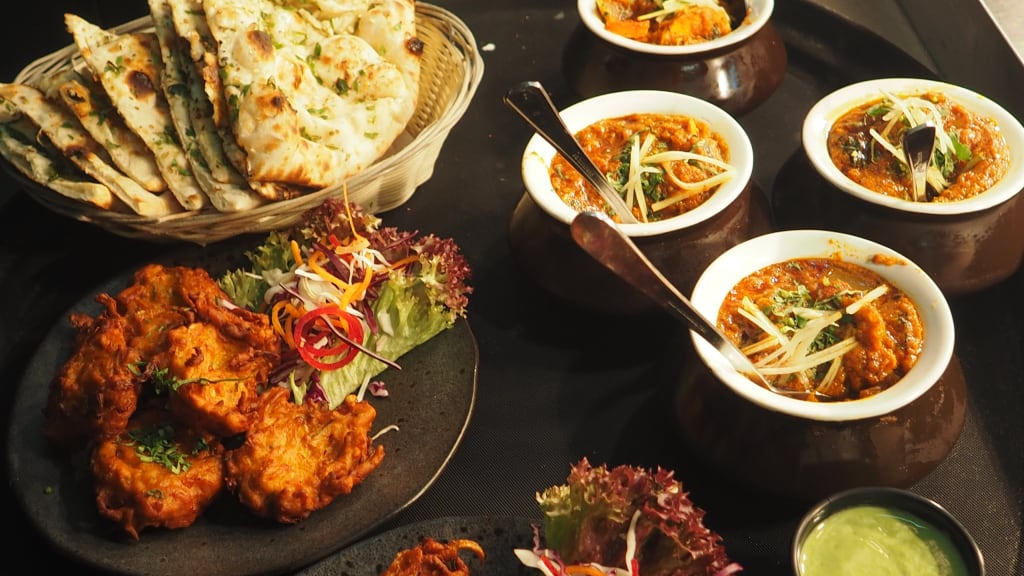
Preparing your meals can be one of the most cost-effective, time-saving ways to lose weight and take care of yourself in the long term, as long as you know how to do it efficiently. When you’re tired of running low on time, it can be tempting to grab fast food or microwavable meals. However, even if you have a million things to do, these eight foods are simple enough that you’ll never need an excuse not to eat them! Read on for our eight favorite easy-to-prepare foods that will help keep you healthy in no time!
1. Eggs

Eggs are quick and easy to prepare, so you can have breakfast on your table in minutes. And with almost zero preparation time, they’re an excellent solution for last-minute meal planning. Eggs are a staple in any diet, offering all nine essential amino acids that help keep you full and satisfied for hours—and there are dozens of ways to cook eggs without getting bored of them. Try scrambled eggs with fresh herbs or vegetables, hardboiled eggs for a grab-and-go snack (they don’t even need refrigeration), or a frittata at night when dinner plans fall through.
2. Chicken breast

Chicken breasts are relatively inexpensive and can be prepared in any number of ways. Grilled chicken is delicious when paired with fresh vegetables or served over a salad for a complete meal. For an easy, no-fuss dinner, roast chicken breasts at 350 degrees for about 20 minutes, until they reach an internal temperature of 165 degrees. You can prepare them as poached chicken breast by simmering them gently in liquid over low heat. This makes it possible to cook up tender and moist chicken without adding fat or extra calories—and it also means you don’t have to worry about undercooked poultry after taking it off the heat!
3. Vegetables

While fresh produce is always healthier than canned, frozen, or dried alternatives, it’s usually easy to stick with a few key veggies that don’t take up much prep time. Canned and frozen veggies are typically just as nutritious as fresh versions—but they can be much more convenient. For example, if you use frozen broccoli in place of fresh broccoli in your stir-fry recipe, not only will you reduce preparation time (it won’t have time to go bad!), but you also reduce cleanup time since there’s no need for a vegetable peeler. Anything that requires washing and/or slicing is an excellent candidate for frozen preparation.
4. Seafood

Fish is easy to cook, but it’s also high in omega-3 fatty acids and low in fat. This makes it one of your best choices when looking for healthy meals that you can quickly prepare. There are a wide variety of types of fish available at your local market, so feel free to mix things up. Oily fish such as salmon and tuna are both healthy and delicious. If you don’t like fish or can’t find it locally, try shellfish instead.
5. Beans and legumes

Beans and legumes are relatively inexpensive, have a long shelf life, are high in fiber and protein, and they pack in a solid dose of complex carbohydrates. They’re filling as well; eating beans or lentils at dinner can help you feel full longer—helping you lose weight. Beans are also naturally gluten-free, helping celiacs keep to their diet. While they need water to cook (or at least soak), they don’t require much attention while cooking—meaning they’re easy enough for almost anyone to make. Just be sure you fully cook them before trying them out in recipes; even pre-soaking doesn’t help here!
6. Tofu

Not every vegetarian has made peace with tofu, but it's a great choice for healthy eating because it is high in protein and low in fat. Tofu is an ideal replacement for meat, particularly beef; try marinating it and baking or sauteing it on its own or mixed with vegetables. You can also purchase fresh tofu that comes pre-seasoned for ease of preparation. There are even organic frozen varieties available if you aren't much of a cook or just don't have time to prepare your food.
7. Salmon

Baking or grilling salmon is a snap and it’s one of my go-to meals because it’s so easy and delicious. Salmon also has lots of health benefits, including omega-3 fatty acids, which can improve heart health. When purchasing fresh salmon look for dark red flesh that is moist, but not mushy. It should smell like very clean ocean water (not fishy at all). I prefer wild-caught Alaskan sockeye over the Atlantic because of its higher fat content which results in more flavor. When preparing a salmon fillet, season liberally with salt and pepper then place skin side down on a grill pan or foil-lined baking sheet.
8. Quinoa

This grain is high in fiber and protein, making it a great alternative to pasta or rice. And with its pleasant nutty flavor, it’s easy to make and doesn’t taste like health food at all. Cooked quinoa can be used in a wide variety of dishes, from salads and burritos to stir-fries and breakfast bowls. Simply combine 1 cup of quinoa with 2 cups of water or broth in a saucepan and bring it to a boil over medium heat. Cover, reduce heat, and simmer for 15 minutes until water is absorbed. Remove from heat; let stand for 5 minutes then fluff with fork before serving.
About the Creator
Healthy Body
Some Healthy Tips♥
Keep reading
More stories from writers in Feast and other communities.
My Tous les Jours Trip
As someone who lives in a rural area, I don't get the chance to visit fancy restaurants or bakeries that often. So, when a friend told me about a French-Asian bakery that's less than an hour away, I knew I had to check it out and grab some pictures for social media. Tous les Jours ended up providing an immersive experience that went above and beyond my expectations--although I did leave with a few reservations.
By Kaitlin Shanks25 days ago in Feast
So You Decided To Become a Nurse Practitioner:
So you decided to become an "Advanced Practice" nurse. Congratulations!... is what I would say if this was a good idea. Grad school? In this economy? What were you thinking? Likely it was something along the lines of either 1) “I've seen these other chucklefucks do it— Why can't I?” or even 2) “I've got a nice career, I should shake it up. I miss feeling like I have no clue what I'm doing.”
By Sandor Szabo3 days ago in Fiction



Comments
There are no comments for this story
Be the first to respond and start the conversation.