vegetarian
Vegetarian recipes, lifestyle, and culture presented by the Feast community.
Harness the Healing Power of Superfoods to Empower Immunity
In today's hectic world, we often neglect our health until illness strikes. But what if we could actively protect our bodies from sickness while still enjoying delicious, natural remedies? Superfoods, or nutritional superheroes, include a variety of vitamins, minerals, and antioxidants that help our immune systems work.
By David Oladimeji Olaoye2 years ago in Feast
Can Vegan Food Boost Brain Power?
A vegan diet consists only of plants. Meat, seafood, poultry, dairy, honey, and cheese are not allowed in vegan diets. In addition to not using leather or wool, they also tend not to use other animal products. Vegan diets have health benefits. There is a reduced risk of cancer, lower blood pressure, and heart disease. Furthermore, a diet that lacks meat and dairy can worsen or cause new psychological symptoms. The vegan diet can sometimes lead to depression in people who eat it. Vegans plan in mental health The benefits of vegan diets are numerous, including a lower mortality rate and a lower impact on the environment. As a result, vegetables, legumes, and grains that make up vegan diets take up less land and water than those found in animal products. They also produce fewer wastes and greenhouse gases than livestock. According to a 2017 study published in the journal Climatic Change, Americans could achieve 74% of the Paris Agreement greenhouse gas reduction goals if they substituted beans for beef in their diet. Impact of Veganism on Your Mental Health Healthier physically. Chronic disease risk can be reduced by eating a vegan diet. Other health conditions can also be improved by it, such as:
By Rosemary Ingado, PA ( Physician Associate/ Physician Assistant)2 years ago in Feast
THE GLUTEN-FREE DIET
INTRODUCTION A gluten-free diet is a dietary regimen that excludes gluten, a protein found in wheat, barley, rye, and their derivatives. Gluten is responsible for the elastic texture of dough, but for some individuals, consuming it can cause adverse health effects. A gluten-free diet is essential for managing symptoms and preventing complications associated with gluten-related disorders such as celiac disease, non-celiac gluten sensitivity, and wheat allergy.
By Vishnu's Nutritips2 years ago in Feast
THE RAW FOOD DIET
INTRODUCTION The raw food diet, also known as raw foodism or raw veganism, emphasizes consuming unprocessed and uncooked foods. Advocates believe that eating raw foods preserves their nutritional value and enhances health benefits. The diet primarily consists of fruits, vegetables, nuts, seeds, and sprouted grains, with some variations allowing raw dairy, meat, or fish. The central philosophy is that heating food above 104-118°F (40-48°C) destroys essential nutrients and enzymes that aid digestion and overall health.
By Vishnu's Nutritips2 years ago in Feast
5-Ingredient Dinners: Quick, Easy, and Delicious Recipes
1. One-Pan Lemon Herb Chicken: This flavorful and aromatic dish requires just five ingredients but packs a punch in terms of taste. Start by seasoning boneless, skinless chicken breasts with salt, pepper, and your favorite herbs (such as rosemary or thyme). Place the chicken in a baking dish and drizzle with fresh lemon juice and olive oil. Roast in the oven until the chicken is cooked through and golden brown, then serve with roasted vegetables or a simple salad for a complete meal.
By Vimoksha Jayasinghe2 years ago in Feast
The Ultimate Guide to Perfecting Your Homemade Pizza Dough
1. The Importance of Quality Ingredients: Just like any other culinary endeavor, the key to perfecting your homemade pizza dough lies in using high-quality ingredients. Opt for fine Italian flour, such as Tipo 00, which is finely ground and produces a soft and tender crust. Additionally, invest in premium extra-virgin olive oil, sea salt, and active dry yeast to ensure optimal flavor and texture in your dough.
By Vimoksha Jayasinghe2 years ago in Feast
THE FLEXITARIAN DIET
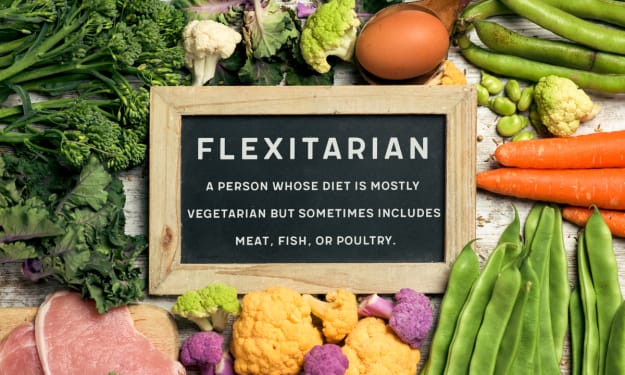
INTRODUCTION The flexitarian diet is a flexible approach to eating that encourages primarily plant-based foods while allowing for occasional meat and animal products. The term "flexitarian" is a blend of "flexible" and "vegetarian," coined to describe a diet that is mostly vegetarian but includes meat and other animal products in moderation. This diet is designed to offer the benefits of vegetarianism while providing flexibility, making it more sustainable for many people.
By Vishnu's Nutritips2 years ago in Feast
THE WHOLE30 DIET
INRODUCTION The Whole30 diet is a 30-day nutritional program designed to eliminate certain food groups to reset eating habits, improve health, and identify food sensitivities. Founded by Melissa Hartwig Urban and Dallas Hartwig in 2009, Whole30 emphasizes whole foods and prohibits sugar, alcohol, grains, legumes, soy, and dairy. The goal is to promote a holistic reset of eating habits and help individuals understand how different foods impact their bodies.
By Vishnu's Nutritips2 years ago in Feast
Egg-Stuffed Baked Tomato
One of my favorite things to make when fresh vegetables are getting cheaper in season is my good eggplant spread. It’s relatively easy to make and incredibly versatile: you can eat it on a toast, a bruschetta, use it as a dip with your favorite crackers or as a vegetable side for dinner.
By Lana V Lynx2 years ago in Feast
THE ZONE DIET
INTRODUCTION The Dietary Approaches to Stop Hypertension (DASH) diet is a nutritional plan primarily developed to combat high blood pressure. This diet emphasizes the consumption of fruits, vegetables, whole grains, and lean proteins, with a focus on reducing sodium intake and limiting foods high in saturated fats and sugars. The DASH diet has garnered significant attention not only for its effectiveness in lowering blood pressure but also for its potential to improve overall cardiovascular health.
By Vishnu's Nutritips2 years ago in Feast
Opinion: Not Investing in Lab-Grown Meat is a Massive Mistake
On May 1st, 2024, infamous Governor Ron DeSantis signed a contentious bill into law: the banning of lab-grown meat in Florida. Only six days later, Governor Kay Ivey signed Alabama’s version into law to follow Desantis’ lead. Claimed to be a protection of the beef industry in Florida and Alabama, the proponents of the law believe that the use of cultured meat is against nature and could result in harm to ranching as a livelihood. Notably, both states have also shared an undertone of anti-authoritarianism in their reasoning, stating concern over the federal government having jurisdiction over what is and isn’t allowed in stores. Though these states are the first to take action, there are several other measures across the United States close to passing similar bills, namely in Arizona and Tennessee.
By Olivia L. Dobbs2 years ago in Feast