
Spicing up Dinner Time: The Art of Cooking Kung Pao Chicken
Learn to Cook Kung Pao Chicken Like a Pro
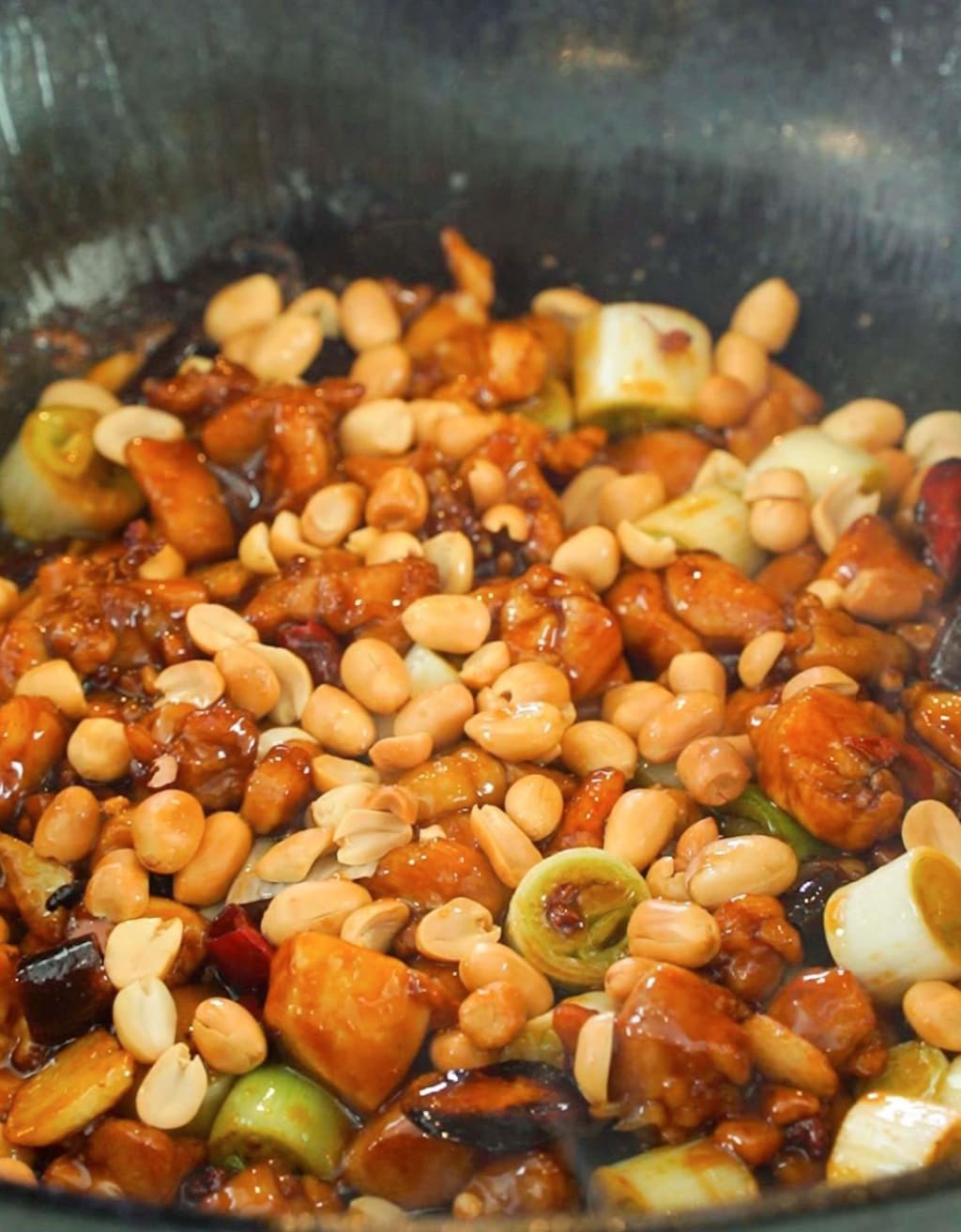
Kung Pao Chicken(宫保鸡丁 in Chinese) is indeed a popular stir-fried dish. It typically features cubed chicken, dried chili peppers, and crunchy peanuts, and it's often highlighted by its sweet and spicy sauce. The harmony of flavors and textures makes it a classic and beloved dish in both Sichuan cuisine and worldwide.
"Friends who like cooking sometimes try to make some famous dishes at home, such as Kung Pao Chicken from Sichuan cuisine, which has been imitated by countless people. Yet, despite their best efforts, the flavor of these homemade dishes tends to fall short when compared to the same dish served in a big restaurant. What's the reason for this? In fact, we made a mistake in selecting ingredients from the very beginning. Authentic Kung Pao Chicken should not be made with chicken breast, but with chicken thigh meat."
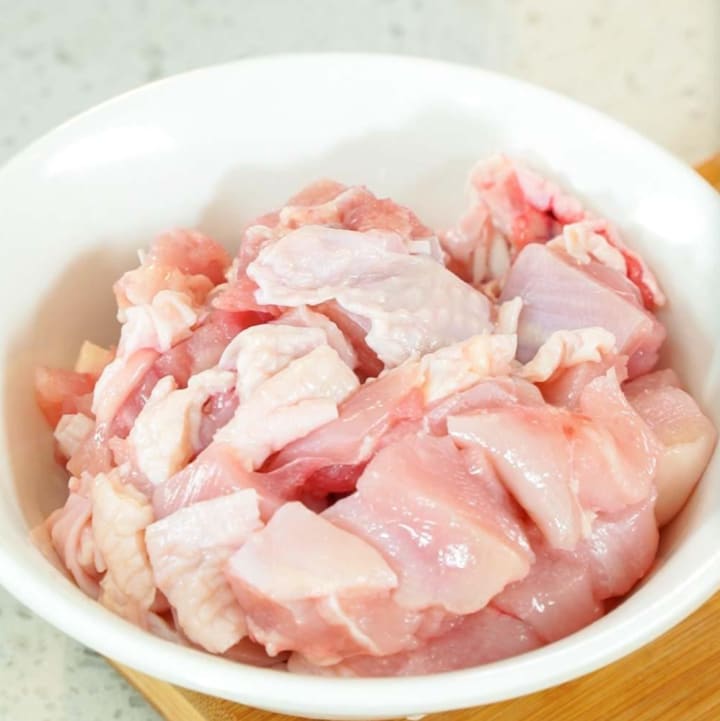
2 boneless, skinless chicken thighs (about 1/2 lb.), cut into 1-inch cubes.
When choosing chicken thighs, it's best to opt for rooster thighs. After washing them thoroughly, make a vertical cut and pull out the bone. Giving the meat a good whack with the dull side of the knife will help tenderize it, resulting in a more enjoyable, succulent dish."
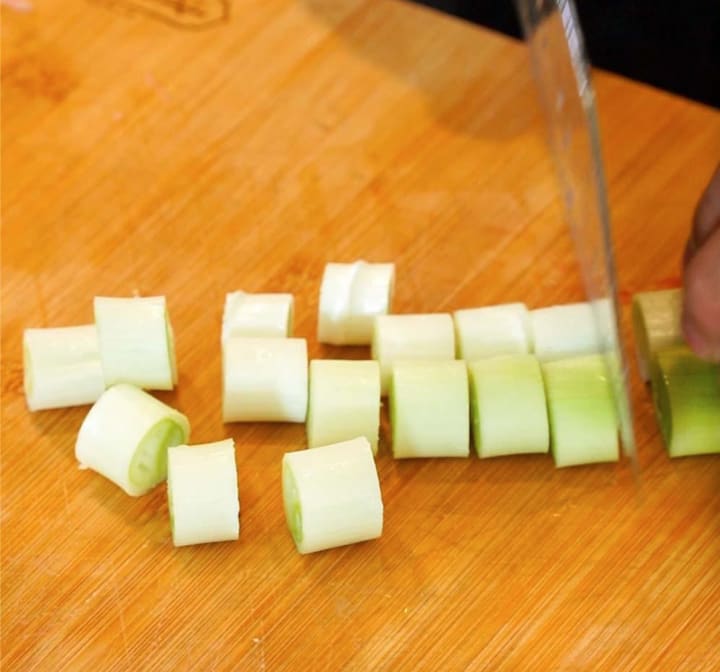
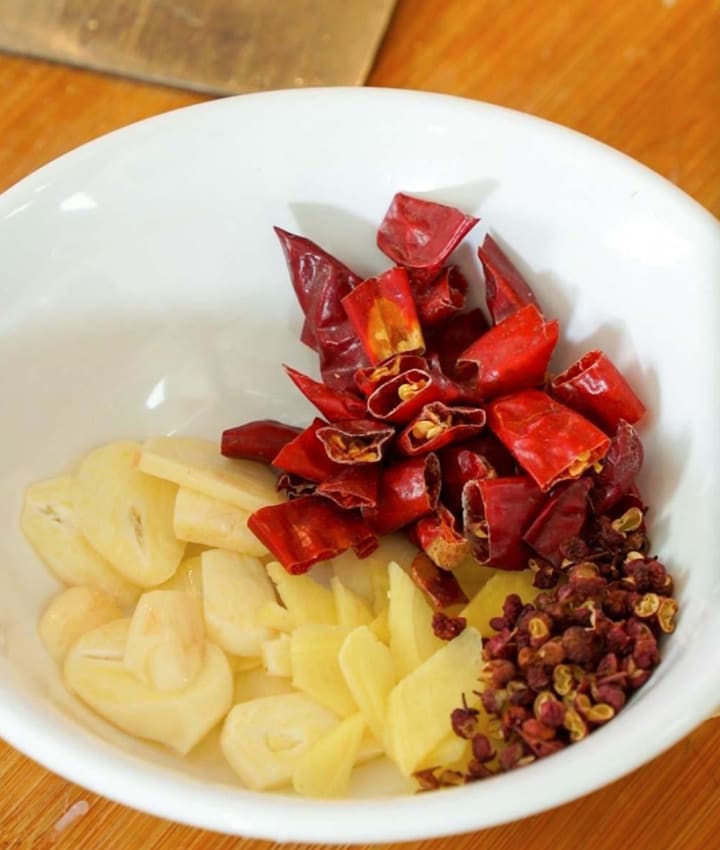
1/2 cup unsalted dry roasted peanuts; some dried red chili peppers; 3 cloves garlic, minced; 1 tablespoon minced ginger; 2 green onions, sliced and 1 teaspoon Szechuan peppercorns (optional).
For the marinade, you need to prepare 1 teaspoon soy sauce; 2 teaspoons Chinese Shaoxing wine (or dry sherry), and 2 teaspoons cornstarch.

Combine the chicken cubes with the marinade ingredients. Let it sit for 15-20 minutes.
Mix the Sauce: In another bowl, whisk together one tablespoon of Chinese black vinegar (or balsamic vinegar), one tablespoon of soy sauce, and one tablespoon of hoisin sauce with some sugar. Do not forget to add 2 teaspoons of cornstarch.
Stir-fry the Chicken: Heat a tablespoon of cooking oil in a wok or large frying pan over medium-high heat. Add the marinated chicken. Stir-fry until the chicken is fully cooked. Remove the chicken from the wok and set it aside.
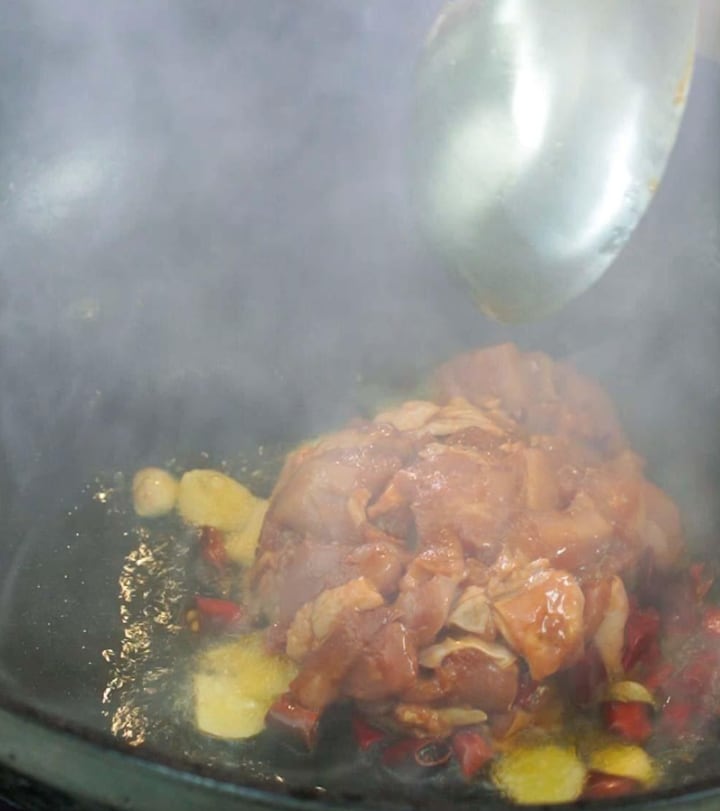
Stir-fry the Chilies and Aromatics: In the same wok, add the dried chili peppers and Szechuan peppercorns (if using). Stir-fry for about 30 seconds or until you can smell the fragrance. Add the garlic, ginger, and the white parts of the green onions. Stir-fry for another 30 seconds.
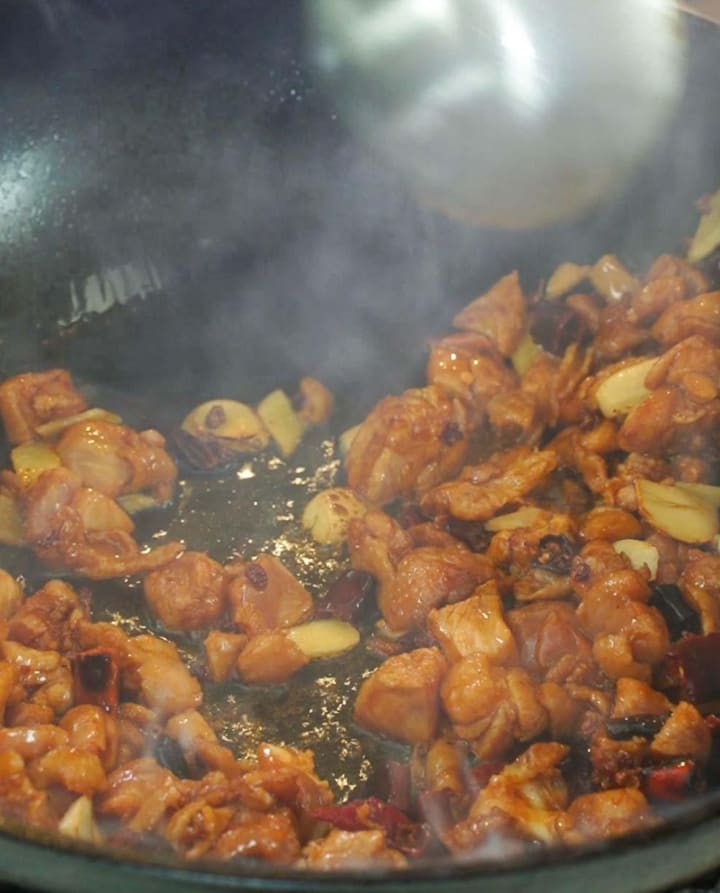
The last step is to return the chicken to the wok, add the peanuts, and stir. Give the sauce a quick stir, then pour it over the chicken. "As the heat increases, excess moisture will evaporate, leaving the sauce in the pan thick and flavorful. When you notice the sauce reducing, add the pre-prepared roasted peanuts.Stir continuously until the sauce thickens and coats everything well. After a couple of quick stirs, you're ready to turn off the heat and serve the dish."
After all, sprinkle the green parts of the green onions over the top. Serve your Kung Pao Chicken hot, preferably with rice.
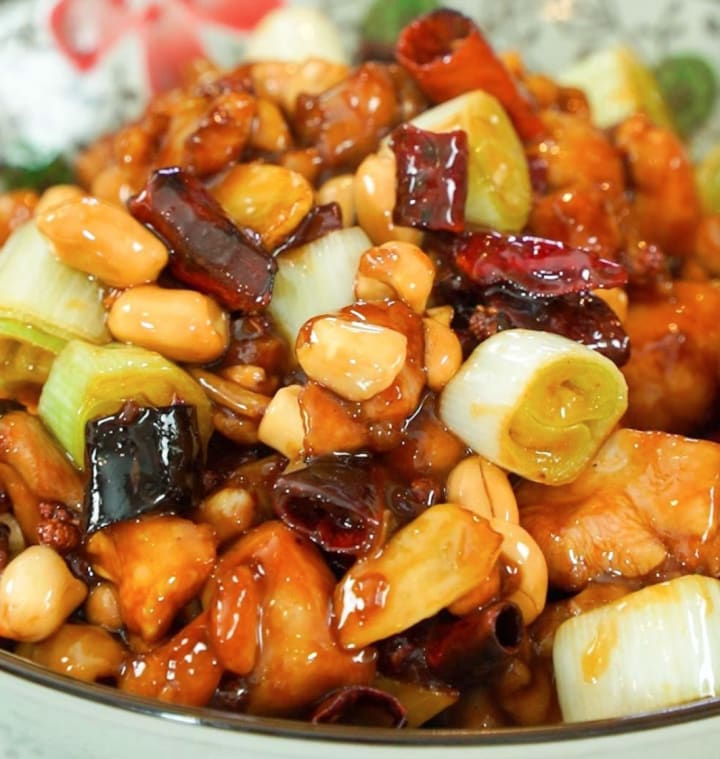
Keep in mind that the amount of dried chili peppers you include should ideally be tailored to your personal taste. If you have a penchant for spicy cuisine, go for hotter varieties of chili peppers. On the other hand, if your goal is to simply augment the aroma without increasing the heat significantly, opt for a milder variety of dried chili peppers.
The key to achieving the distinctive taste of Kung Pao Chicken lies in carefully selecting the ingredients and following the steps to ensure that the flavors meld perfectly. When done correctly, you will have a dish that rivals those served in restaurants, bringing a taste of Sichuan cuisine right into your own kitchen. Enjoy the process and the delicious results!
About the Creator
Keep reading
More stories from writers in Feast and other communities.
Michelin-Style Desserts
Tired of complicated recipes? Craving restaurant-quality desserts without the fuss? These 10 incredible treats are your answer. Each one is based on a simple "mix-and-make" principle, delivering stunning flavors and textures that feel gourmet. They're perfect for impressing guests, treating your family, or simply satisfying your own sweet tooth with minimal effort. Get ready to become your own favorite pastry chef!
By yue . shui7 days ago in Feast
Nuclear vs Joint Family: Freedom or Belonging Subtitle: Exploring the dynamics, benefits, and challenges of nuclear and joint families in today’s world.
Family is often described as the cornerstone of society, shaping values, behaviors, and emotional well-being. Yet, the concept of family varies greatly, especially in cultures where both nuclear and joint family systems coexist. While some people cherish the independence and privacy of a nuclear family, others find support and a sense of belonging in a joint family. Understanding these two structures offers insight into how family shapes modern life and influences personal choices.
By Salaar Jamali6 days ago in Feast
🅼🅸🅳🅽🅸🅶🅷🆃 🆂🅽🅰🅲🅺🆂
"It's 10 in Tuscon! We all know what that means... It's Time for Midnight Snacks with your man, Gerald Gee! Ready to spend the night together? Me too! I'm full of snacks and can't wait to regurgitate them all back into your hungry ears. Crack a brew! Pop some corn! Anything to get ready for one hell of a show where the talk maybe cheap but the words cut deep...
By Lamar Wiggins7 days ago in Fiction


Comments
There are no comments for this story
Be the first to respond and start the conversation.