
South Korea Seafood Market Size & Forecast 2026–2034
Rising Health Awareness, Aquaculture Innovation, and Cultural Food Traditions Sustain Market Growth


South Korea Seafood Market Outlook
The South Korea Seafood Market is expected to register steady and resilient growth over the forecast period, expanding from US$ 4.75 billion in 2025 to US$ 6.74 billion by 2034, at a CAGR of 3.96% from 2026 to 2034, according to Renub Research. This growth reflects the country’s deeply rooted seafood culture, increasing health awareness, technological advancements in aquaculture, and improved cold-chain logistics that ensure product quality and availability across urban and coastal regions.
Seafood occupies a central place in South Korea’s food ecosystem, supported by centuries-old culinary traditions and modern consumption trends. Fish, shellfish, mollusks, and seaweed are consumed daily in households and restaurants, making seafood one of the most stable food categories in the nation. As consumer preferences evolve toward protein-rich, low-fat, and functional foods, seafood continues to benefit from its reputation as a natural health enhancer.
Understanding Seafood and Its Role in Modern Diets
Seafood refers to edible aquatic animals and plants derived from oceans, rivers, lakes, and aquaculture farms. It includes fish such as tuna, salmon, and mackerel; shellfish like shrimp, crab, and lobster; mollusks such as oysters, clams, and squid; and marine plants including seaweed. These products are available in multiple forms—fresh, frozen, dried, canned, and processed—and are prepared using diverse cooking methods such as grilling, steaming, frying, fermenting, and curing.
Globally, seafood is valued for its high-quality protein, omega-3 fatty acids, vitamins, and minerals, which support cardiovascular health, brain function, and overall wellness. In South Korea, these nutritional benefits combine with cultural preferences, making seafood an everyday staple rather than an occasional indulgence.
Key Factors Driving the South Korea Seafood Market
1. Strong Cultural Preference for Seafood-Based Diets
South Korea has one of the highest per capita seafood consumption rates in the world. In 2022, the average annual marine product consumption reached 63.3 kg per person, surpassing the intake of rice and meat. Seafood is deeply embedded in traditional meals such as grilled fish, seafood stews, fermented fish (jeotgal), and raw fish dishes (hoe).
Seafood consumption is also tied to cultural festivals, ancestral rituals, and regional food practices, ensuring steady demand across all income groups. Unlike meat, which is often consumed periodically, seafood forms a daily dietary component for many households. This cultural consistency makes seafood one of the most demand-stable segments of South Korea’s food industry.
Government initiatives further strengthen the sector. The Ministry of Oceans and Fisheries has introduced a Development Plan for the Oyster Aquaculture Industry, aiming to increase oyster production by 100,000 tons and double export revenue to US$ 160 million by 2030, positioning South Korea as a global oyster export leader.
2. Rising Health Consciousness and Nutritional Awareness
Health awareness among South Korean consumers has increased significantly, especially after the pandemic. Seafood is increasingly viewed as a healthier alternative to red meat due to its low saturated fat content and high omega-3 concentration.
An aging population, rising cases of obesity, and lifestyle-related diseases have encouraged dietary shifts toward seafood-based meals. Government-backed nutrition guidelines and food media campaigns also reinforce the perception of seafood as a “functional food” that supports heart health, brain development, and longevity. Younger consumers are drawn to seafood for its fitness and wellness benefits, while older consumers prefer it for its digestibility and nutrient density.
3. Expansion of Aquaculture and Cold-Chain Infrastructure
Technological improvements in aquaculture practices and cold-chain logistics have transformed South Korea’s seafood supply chain. Local aquaculture reduces reliance on imports while ensuring stable supply for key species such as fish, oysters, and shellfish. Advanced farming techniques have improved yields, reduced disease risks, and increased sustainability.
Simultaneously, enhanced cold-chain networks preserve freshness from farms to retail outlets, allowing seafood to reach inland cities without compromising quality. These advancements also reduce waste and increase consumer confidence.
In February 2025, Raon Bada became the first South Korean firm to receive Aquaculture Stewardship Council (ASC) certification for olive flounder (Gwangeo), signaling a new era of sustainability and quality assurance in the industry.
Challenges Facing the South Korea Seafood Market
Sustainability and Environmental Pressures
Overfishing, climate change, rising ocean temperatures, and marine pollution pose significant challenges. These factors affect fish migration patterns, reduce marine biodiversity, and limit farming productivity. At the same time, consumers are increasingly demanding eco-certified seafood, pushing producers to adopt sustainable practices that raise operational costs.
Balancing environmental responsibility with commercial viability remains a critical challenge for industry stakeholders.
Price Volatility and Supply Uncertainty
Seafood prices in South Korea are highly sensitive to seasonal changes, weather events, and geopolitical disruptions. Fuel and labor cost increases further add to price volatility. These fluctuations create challenges for retailers and foodservice operators who must maintain consistent pricing and quality.
Market Segmentation Insights
Fresh Seafood Market
Fresh seafood dominates the South Korean market due to strong consumer preference for quality and authenticity. Fish, shellfish, and mollusks are commonly purchased from wet markets, supermarkets, and specialty seafood stores. Live seafood tanks enhance consumer trust and encourage purchase. Fresh seafood is particularly popular for raw consumption, which remains an integral part of Korean cuisine.
Frozen Seafood Market
The frozen seafood segment is growing rapidly due to urbanization and busy lifestyles. Products such as frozen fish, shrimp, squid, and mixed seafood offer convenience and extended shelf life. Advances in freezing technology have minimized quality differences between fresh and frozen seafood, making frozen options increasingly popular among households and foodservice establishments.
Fish Segment
Fish remains the dominant category in South Korea’s seafood market. It is consumed grilled, boiled, fried, fermented, and raw. Domestic fishing supplies a large portion of demand, supported by imports. The cultural importance of fish ensures stable, long-term demand.
Mollusks Segment
Mollusks such as oysters, clams, and squid play a vital role in soups, stews, grilled dishes, and fermented foods. Coastal regions support strong mollusk farming, while winter festivals and seasonal traditions boost demand. This segment also benefits from export potential and improving aquaculture methods.
Distribution Channel Analysis
Seafood Retail Market
Traditional wet markets continue to dominate seafood retailing, but supermarkets and specialty stores are gaining share due to better packaging, hygiene, and certification. E-commerce platforms are gradually expanding seafood sales, driven by convenience and improved cold-chain delivery systems.
Seafood Foodservice Market
Restaurants, street food vendors, and institutional kitchens are major consumers of seafood. Dishes such as grilled fish, seafood stew, fried seafood, and raw fish bowls are staples of South Korea’s dining culture. Tourism further strengthens demand from the foodservice sector, requiring consistent supply and quality assurance.
Recent Developments in South Korea’s Seafood Industry
April 2025: South Korea opened its first land-based salmon farming facility, operated by GS Engineering & Construction’s subsidiary Eco Aqua Farm using RAS technology from AKVA Group.
April 2025: Norway-based Lerøy Seafood Group launched Lerøy Korea, expanding its footprint through online grocery platforms such as Market Kurly and Coupang.
October 2024: Singapore-based Umami Bioworks partnered with K-Cell Biosciences and WSG to develop a cell-based seafood production pipeline in South Korea.
June 2023: South Korean cell-based seafood startup Cellmeat raised 174.17 billion won (US$ 13 million) to scale production of cultivated shrimp and caviar.
These developments highlight South Korea’s emergence as a hub for innovation, sustainability, and alternative seafood production.
Market Segmentation Overview
By Form:
Fresh
Frozen
Ambient
Canned & Processed
By Type:
Fish
Crustaceans
Mollusca
Others
By Application:
Retail
Institutions
Food Service
By Cities:
Seoul
Incheon
Busan
Ulsan
Daegu
Daejeon
Gwangju
Sejong
Competitive Landscape
Key companies operating in the South Korea seafood market include:
Atlantic Capes Fisheries, Inc.
Dongwon Industries
Hansung Enterprise
Lotte Foods
Korea Fisheries Trade Association
Mokpo Fisheries
Each company has been analyzed across five viewpoints: overview, key personnel, recent developments, SWOT analysis, and revenue performance, reflecting a highly competitive and innovation-driven market environment.
Final Thoughts
The South Korea Seafood Market stands as one of the most culturally embedded and nutritionally relevant food industries in the country. Supported by strong consumption habits, rising health awareness, and expanding aquaculture infrastructure, the market is well-positioned for stable growth through 2034. While sustainability and price volatility remain challenges, continued investments in technology, certification, and alternative seafood production are reshaping the industry’s future.
As South Korea balances tradition with innovation, seafood will remain a cornerstone of both its economy and daily life—driving steady market expansion for years to come.
About the Creator
jaiklin Fanandish
Jaiklin Fanandish, a passionate storyteller with 10 years of experience, crafts engaging narratives that blend creativity, emotion, and imagination to inspire and connect with readers worldwide.
Keep reading
More stories from jaiklin Fanandish and writers in Feast and other communities.
Non-GMO Food Market Size and Forecast: A Global Shift Toward Clean, Transparent Nutrition (2025–2033)
Global Non-GMO Food Market at a Glance The global Non-GMO Food Market is entering a period of sustained expansion as consumers increasingly prioritize transparency, sustainability, and health in their food choices. According to Renub Research, the market was valued at US$ 309 billion in 2024 and is expected to reach US$ 476.08 billion by 2033, growing at a CAGR of 4.92% from 2025 to 2033.
By jaiklin Fanandish2 days ago in Feast
My Tous les Jours Trip
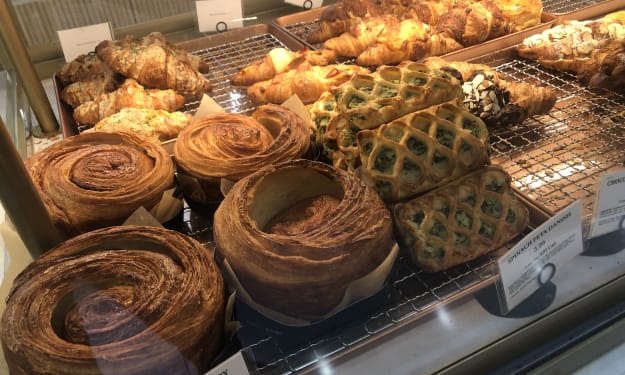
As someone who lives in a rural area, I don't get the chance to visit fancy restaurants or bakeries that often. So, when a friend told me about a French-Asian bakery that's less than an hour away, I knew I had to check it out and grab some pictures for social media. Tous les Jours ended up providing an immersive experience that went above and beyond my expectations--although I did leave with a few reservations.
By Kaitlin Shanksabout a month ago in Feast
The Duelist
The rays of a dying red sun flashed against the onrushing blade. The grey beards say the key to dueling lies in size, speed, reach, righteous fury, whatever the person in front of them pays them to say. Matteo knew better than any it was none of these and had an undefeated record on these sands to prove it.
By Matthew J. Frommabout 2 hours ago in Fiction


Comments
There are no comments for this story
Be the first to respond and start the conversation.