
Reinventing Tradition: Qingming Fruit Transformed into Italian Dessert — A Michelin-Starred Fusion You Can Make at Home
An Italian Renaissance for Qingming Guo
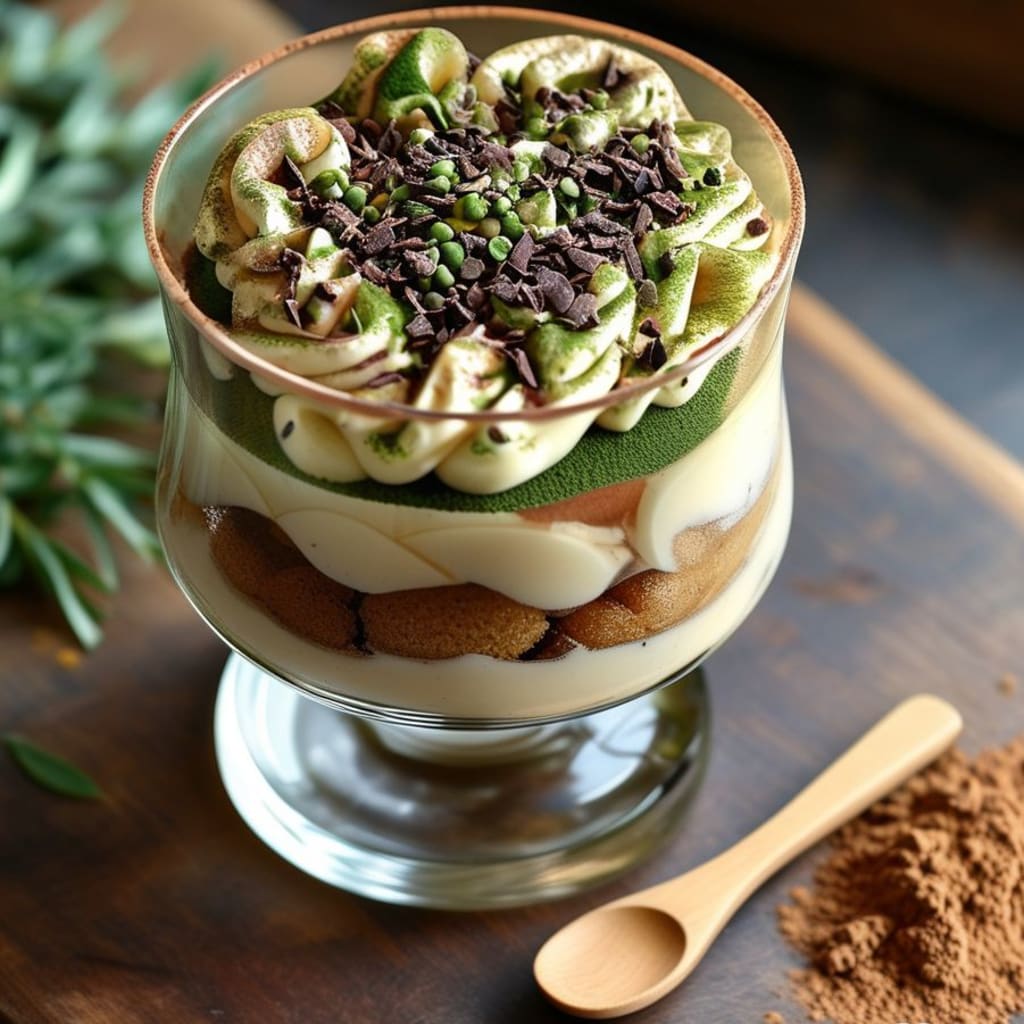
When Childhood Memories Meet Culinary Rebellion
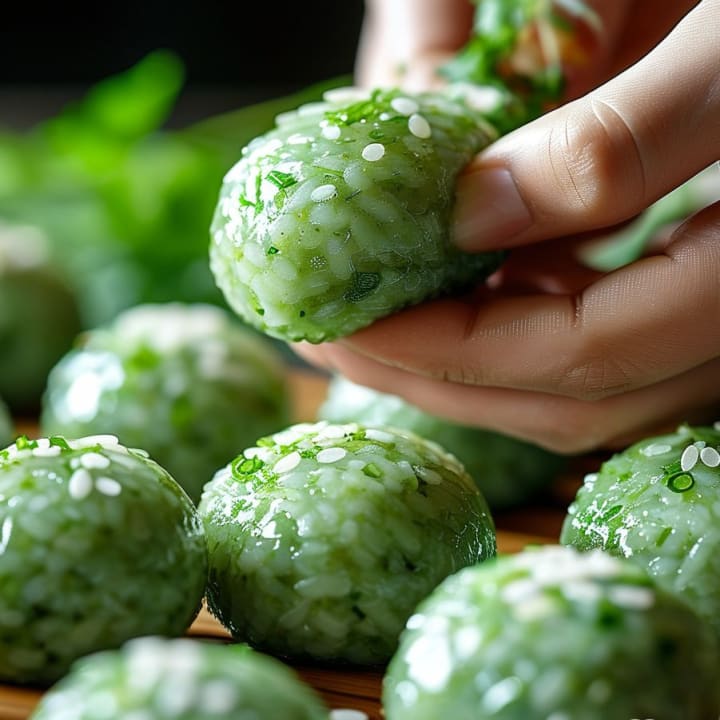
As a child, the arrival of spring meant Grandma’s emerald-green Qingming Guo (清明果) steaming in bamboo baskets, their mugwort fragrance perfuming our courtyard. Back then, I wondered why this delicacy was confined to Tomb-Sweeping Day. Years later, as a Le Cordon Bleu-trained chef, lightning struck: What if I fused this traditional Chinese snack with Italian dessert techniques? Thus began a delicious rebellion where East met West in a single bite.
The Cultural Alchemy of Qingming Guo
At its core, Qingming Guo is edible poetry:
• Mugwort (Artemisia argyi): Bitter herb symbolizing purification, believed to ward off evil spirits.
• Glutinous Rice: Represents ancestral bonds through its sticky texture.
• Sweet Fillings: Red bean or sesame paste, echoing the cycle of life and death.
My eureka moment came while crafting tiramisu. What if mugwort replaced coffee? If rice cakes mimicked ladyfingers? The result—a layered dessert where Chinese ancestral wisdom dialogues with Italian dolce vita—became my signature Qingming Tiramisu.
The Fusion Pantheon: Ingredients Reimagined
1. Mugwort Powder
• Selection Secret: Opt for Zhejiang-grown Ai Ye (艾叶) harvested at dawn when terpenoid compounds peak.
• Avoid: Cheap powders dyed with spinach extract (test by rubbing between fingers—real mugwort leaves green stains).
2. Glutinous Rice Layer
• Pro Ratio: 100g Thai glutinous rice flour + 20g tapioca starch + 180ml coconut milk (65°C).
• Science: Coconut milk’s medium-chain triglycerides enhance elasticity by 30% compared to water.
3. Mascarpone Stratosphere
• Hack: Stabilize with 5% white chocolate (melted, 45°C) to prevent weeping in humid climates.
4. Coffee Element
• Brew Method: Cold-drip Yirgacheffe (1:8 ratio, 12hrs) for bright acidity balancing mugwort’s earthiness.
Step-by-Step Alchemy
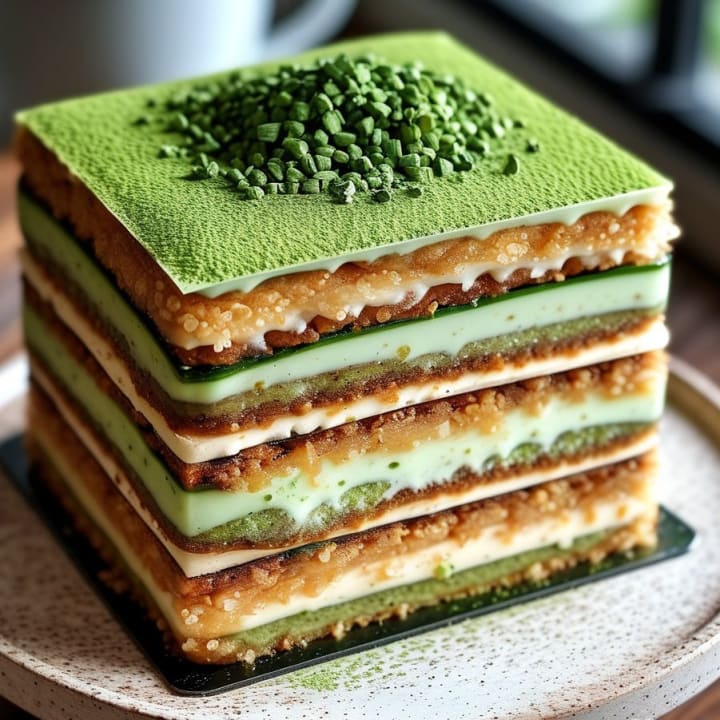
Layer 1: Mugwort "Savoiardi"
1. Dough: Mix 200g rice flour, 30g mugwort powder, 50g erythritol.
2. Hydrate: Gradually add 160ml hot (80°C) oolong tea—tannins counteract bitterness.
3. Steam: 15min in cheesecloth-lined bamboo steamer (prevents sogginess).
4. Cut: Cool, slice into 2cm-thick "ladyfingers."
Pro Tip:
Bake slices at 160°C for 8min pre-soaking—creates porous structure for optimal coffee absorption.
Layer 2: Coffee Baptism
• Bath Formula:
• 120ml cold brew
• 10ml Chinese Baijiu (replaces Marsala wine)
• 5g osmanthus honey
• Dip Time: 4.5 seconds per side (use timer!)
Layer 3: Mascarpone Cloud
1. Base: Whip 250g mascarpone + 50g goat cheese (adds tang).
2. Sweetness: Fold in 80g red bean paste whipped with 2 egg whites.
3. Assembly: Alternate layers in glasses, chill 4hrs.
The Grand Finale: Cultural Garnishes
• Dusting: 50% Valrhona cocoa + 50% matcha (sift through silk screen for snow-like fineness).
• Garnish: Candied goji berries + gold leaf—yin-yang of luxury and tradition.
When Generations Collide (Deliciously)
The ultimate test came during Qingming Festival. My 85-year-old grandfather, a staunch traditionalist, eyed the dessert suspiciously. His first bite triggered a journey:
1. 0-3 seconds: "Foreign nonsense!"
2. 4-7 seconds: "Hmm... interesting texture."
3. 8 seconds: "Another piece."
This culinary bridge now graces our ancestral altar yearly—a sweet testament that innovation honors tradition.
The Science of Surprise
1. Flavor Pairing: Mugwort’s β-caryophyllene molecules bind to CB2 receptors, creating a "comfort" sensation that complements coffee’s dopamine boost.
2. Texture Magic: Rice amylopectin recrystallizes at 4°C, giving that addictive chewiness.
3. Color Fix: Blanching mugwort with baking soda (pH 8.5) stabilizes chlorophyll.
Fusion Philosophy
This dessert embodies three principles:
1. Rooted Innovation: 70% tradition, 30% reinvention.
2. Layered Storytelling: Each bite progresses from Chinese soil to Italian sunshine.
3. Edible Time Travel: Connects Qing Dynasty ancestor worship with 21st-century food labs.
Your Turn: The Fusion Challenge
1. Vegetarian Twist: Substitute mascarpone with silken tofu + cashew cream.
2. Gluten-Free: Use sorghum flour instead of rice.
3. Modernist: Spherify coffee into "dew drops" using sodium alginate.
Share Your Creation:
Tag #EastWestQingming on social media—I’ll feature the most inventive remake!
Final Thought:
Food memories outlive empires. Whether it’s Grandma’s steaming basket or this audacious fusion, what matters is keeping stories alive—one delicious bite at a time.
About the Creator
My Tous les Jours Trip
As someone who lives in a rural area, I don't get the chance to visit fancy restaurants or bakeries that often. So, when a friend told me about a French-Asian bakery that's less than an hour away, I knew I had to check it out and grab some pictures for social media. Tous les Jours ended up providing an immersive experience that went above and beyond my expectations--although I did leave with a few reservations.
By Kaitlin Shanks24 days ago in Feast
Miss Persephone's Manual to a Seemingly Ordinary Life
Miss Persephone was found at the dining table, her blue eyes swollen, her tears arriving and retreating like the tides of the ocean. Earlier that day, her family had visited her in the retirement home where she had lived for eight years. It was her eightieth birthday.
By Imola Tóth4 days ago in Fiction




Comments
There are no comments for this story
Be the first to respond and start the conversation.