
Meal Kit Market Trends & Summary 2025–2033
How Convenience, Health Consciousness, and Digital Innovation Are Reshaping Global Food Habits


The Meal Kit Market is undergoing a remarkable transformation, driven by changing lifestyles, digitization, and a renewed global focus on health and convenience. According to Renub Research, the global market is expected to reach US$ 58.94 billion by 2033, rising from US$ 17.60 billion in 2024, and expanding at an impressive CAGR of 14.37% during 2025–2033.
With consumers seeking faster, healthier, and more engaging dining options, meal kits—once considered a niche—have become a mainstream solution for home cooking. Their rise is fueled by the shift toward subscription-based services, greater internet penetration, and the increasing desire for culinary experimentation.
Global Meal Kit Industry Overview
Over the past decade, the global food landscape has shifted dramatically. Consumers are no longer satisfied with traditional grocery shopping, complex meal planning, or time-consuming cooking processes. Instead, they are flocking toward more streamlined, flexible, and personalized food solutions, making meal kits one of the fastest-growing segments in the food service and convenience market.
Meal kits provide pre-portioned ingredients, step-by-step recipes, and minimal food waste, empowering people to enjoy home-cooked meals without the hassle of traditional prep work. This trend accelerated during the pandemic, but it has continued far beyond it, supported by:
Rising health consciousness
Growing environmental awareness
Digital adoption through mobile apps
Subscription-based consumer behavior
Shifting dining preferences toward home-cooked meals
The market has also been boosted by the increasing demand for specialized diets—from vegan and keto to gluten-free and low-calorie. Meal kit companies, recognizing this shift, have quickly diversified their menus to address evolving dietary patterns.
However, the industry is not without challenges. High pricing, packaging waste, and limited rural access remain key constraints. Still, as sustainability initiatives and logistics technologies evolve, the meal kit market is poised for consistent long-term expansion.
A notable example of innovation includes Albertsons Companies, which in January 2024 introduced new ready-to-cook meal solutions to compete directly with restaurants through convenient at-home cooking occasions. Similarly, Blue Apron’s 2023 launch of simple, large-format meal bundles reflected rising demand for easy group meal preparation—particularly seasonal gatherings.
Growth Drivers for the Meal Kit Market
1. Rising Health Awareness and Dietary Trends
Consumers today are increasingly mindful of dietary restrictions, calorie intake, and nutritional value. Meal kits deliver portion-controlled, nutritious meals that support diets like vegan, gluten-free, ketogenic, and low-carb.
Data from Pollock Communications highlights that 78% of registered dietitian nutritionists believe people are snacking more frequently and eating fewer meals daily—making nutrition-rich prepared meals even more essential.
Meanwhile, a study by NCBI revealed that over 69% of participants following a ketogenic diet maintained it for more than a month, highlighting the persistence of structured dietary habits—directly benefiting meal kit providers offering tailored plans.
2. Technology Integration and Digital Transformation
From mobile ordering apps to AI-powered personalization, technology has revolutionized consumer interaction with meal kit platforms. The rise of subscription automation, budget trackers, and customizable meal plans has strengthened user engagement and retention.
For instance, Albertsons’ digital Meal Plans & Recipes interface introduced in 2023 offers:
8,000+ exclusive recipes
A smart shoppable ingredient list
Budget calculator
Hands-free cooking mode with timers
These innovations simplify the cooking process and appeal strongly to tech-savvy consumers seeking a guided culinary experience.
3. Strong Demand for Convenience
With extremely busy lifestyles, especially in dual-income households and urban regions, convenience has become a top purchase driver.
A 2023 report by the National Frozen and Refrigerated Food Association found:
64% of Americans cook meals at home to save money
41.9% dine at home four or fewer nights a week
61.3% get less than an hour of physical activity, limiting time for cooking
Meal kits thus act as a bridge between convenience and healthy eating, providing time-efficient yet high-quality meal options.
Challenges Impacting Market Growth
1. High Cost of Meal Kits
The premium pricing structure remains the most significant barrier to mass adoption. Obtaining fresh ingredients, specialized packaging, and efficient cold-chain logistics contribute to the high retail price. Compared to bulk grocery shopping, meal kits can feel expensive for budget-conscious households.
2. Limited Penetration in Rural Markets
Beyond major metropolitan hubs, the distribution of meal kits becomes complex and costly. Rural regions face:
Longer delivery times
Higher shipping costs
Unreliable cold-chain logistics
These factors can compromise ingredient freshness and discourage expansion into low-density regions.
Until logistics infrastructure improves, rural penetration will remain limited.
Regional Meal Kit Market Highlights
United States Meal Kit Market
The U.S. remains one of the fastest-growing and most mature markets. Services like HelloFresh, Blue Apron, Sunbasket, and Home Chef dominate the landscape. Growth is driven by:
Hectic lifestyles
Higher disposable incomes
Rising health focus
Diverse culinary interests
However, the U.S. market faces persistent issues such as elevated pricing and customer churn. Still, with strong consumer preference for convenient home-cooking, long-term growth looks promising.
Belgium Meal Kit Market
Belgium has seen a noticeable uptick in meal kit adoption. Urban professionals and families increasingly opt for meal kits to save time and reduce grocery trips. Competition among brands like HelloFresh is intensifying, especially as companies introduce more sustainable packaging.
Challenges include:
Higher pricing vs traditional groceries
Environmental concerns over packaging
Yet, demand continues to rise as consumers prioritize quality, convenience, and balanced eating.
China Meal Kit Market
China’s meal kit industry is growing rapidly, driven by urbanization and fast-paced lifestyles. Young professionals prefer the quick, fresh, and diverse meal options these services offer.
Key drivers include:
Increased online food delivery adoption
Rising interest in healthier diets
Tech-driven personalization
While rural reach remains restricted due to cost and logistics, the market is expected to explode as lifestyle habits evolve.
United Arab Emirates Meal Kit Market
The UAE’s dynamic urban population, high internet penetration, and focus on wellness have made it a thriving market for meal kit services. Local and international brands are expanding rapidly with offerings such as:
Keto meal plans
Protein-rich diets
Arabic, Indian, and continental cuisines
Environmental concerns and premium pricing remain challenges, but rising demand for quality home meals ensures steady expansion.
Meal Kit Market Segmentation
By Meal Type
Vegetarian
Non-Vegetarian
Vegan
By Offering Type
Heat and Eat
Cook and Eat
Ready to Eat
By End User
Individuals
Families
By Distribution Channel
Online
Hypermarket/Supermarket
Convenience Store
Others
Geographical Coverage (25 Countries)
North America: United States, Canada
Europe: France, Germany, Italy, Spain, United Kingdom, Belgium, Netherlands, Turkey
Asia Pacific: China, Japan, India, Australia, South Korea, Thailand, Malaysia, Indonesia, New Zealand
Latin America: Brazil, Mexico, Argentina
Middle East & Africa: South Africa, Saudi Arabia, UAE
Company Insights & Profiles
Key Players Covered
Blue Apron Holdings
Tyson Foods
Nestlé
Gobble Inc.
Gousto
HelloFresh
SimplyCook Ltd.
Albertsons Companies, Inc.
Fresh n' Lean
Hungryroot
These companies are investing in menu diversification, AI-powered customization, eco-friendly packaging, and expanded distribution networks. Their strategic focus is on improving retention and increasing affordability while providing healthier and premium meal selections.
Final Thoughts
The global Meal Kit Market stands at the intersection of technology, convenience, and evolving dietary habits. As consumers increasingly value efficiency, health, sustainability, and culinary experimentation, meal kits are expanding from a luxury service into a mainstream household solution.
With a projected market value of US$ 58.94 billion by 2033, this industry will continue to reshape how people shop, cook, and eat. Companies that prioritize sustainability, affordability, personalization, and diverse dietary choices will lead the next phase of innovation.
If current trends persist, meal kits won’t just be a convenience—they’ll become an essential component of modern food culture across households worldwide.
About the Creator
Sushant. Renub Research
I’m Sushanta Halder, Digital Marketing Manager at Renub Research with 15+ years in SEO, content, PPC & lead generation. Passionate about data-driven growth strategies.
Keep reading
More stories from Sushant. Renub Research and writers in Feast and other communities.
Gluten Free Food Market Size and Forecast 2025–2033
The global food industry is undergoing a major transformation—and gluten-free food is at the heart of this shift. According to Renub Research, the Global Gluten Free Food Market will reach US$ 14.13 Billion by 2033, rising from US$ 6.64 Billion in 2024, registering a CAGR of 8.75% between 2025 and 2033. This high-growth trajectory reflects the global population’s changing dietary patterns, increasing health consciousness, and rising diagnosis of gluten intolerance and celiac disease.
By Sushant. Renub Research2 months ago in Feast
My Tous les Jours Trip
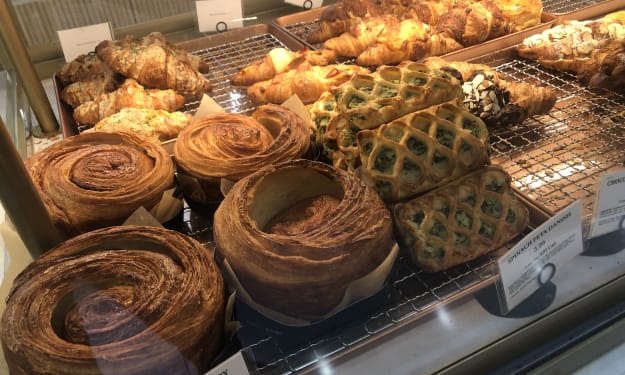
As someone who lives in a rural area, I don't get the chance to visit fancy restaurants or bakeries that often. So, when a friend told me about a French-Asian bakery that's less than an hour away, I knew I had to check it out and grab some pictures for social media. Tous les Jours ended up providing an immersive experience that went above and beyond my expectations--although I did leave with a few reservations.
By Kaitlin Shanks17 days ago in Feast
Violence Begets
"Any last words, cowboy?" "None you'd understand, sodbuster." "Funny. That's Marshall Sodbuster to you. But I meant some last nugget that would help us in the adjudication of the myriad offenses counted against you and your gang. I wasn't asking for penitence."
By Adam Diehl5 days ago in Fiction


Comments
There are no comments for this story
Be the first to respond and start the conversation.