
Keto vs. Paleo
Keto vs. Paleo: Which Diet is Right for You?
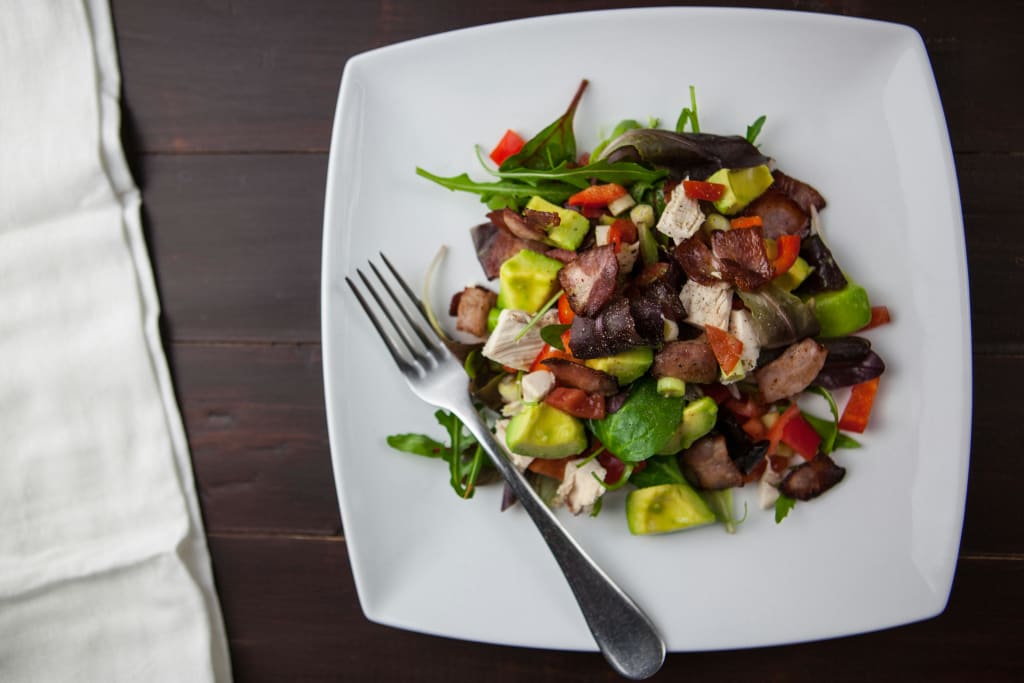
Keto vs. Paleo: Which Diet is Right for You?
In the ever-evolving world of nutrition, two popular diets have emerged as frontrunners in the quest for better health: the ketogenic (keto) diet and the paleo diet. Both have garnered dedicated followers and boast various health benefits, but they have different philosophies and approaches to eating. If you’re considering making a dietary change, understanding the differences between these two diets can help you determine which one is right for you.
Understanding the Diets
Keto Diet: The ketogenic diet is a low-carb, high-fat diet designed to shift your body into a state of ketosis. In ketosis, your body becomes efficient at burning fat for energy instead of carbohydrates. The typical macronutrient ratio for keto is around 70% fat, 25% protein, and 5% carbohydrates. This diet emphasizes foods such as:
Healthy fats (avocado, olive oil, coconut oil)
Fatty cuts of meat
Low-carb vegetables (leafy greens, broccoli)
Nuts and seeds
Full-fat dairy
Paleo Diet: The paleo diet, also known as the caveman diet, is based on the premise of eating like our hunter-gatherer ancestors. It emphasizes whole, unprocessed foods and excludes grains, legumes, dairy, refined sugars, and processed foods. The paleo diet typically includes:
Lean meats and fish
Vegetables (especially non-starchy)
Fruits (in moderation)
Nuts and seeds
Healthy fats (avocado, olive oil, coconut oil)
Key Differences
Carbohydrate Intake:
Keto: Very low carb intake, typically around 20–50 grams per day.
Paleo: Moderate carbohydrate intake, focusing on whole foods, but allows for fruits and starchy vegetables.
Food Restrictions:
Keto: Excludes most fruits, starchy vegetables, and grains due to their carb content.
Paleo: Excludes grains, legumes, and dairy, but allows for fruits and sweet potatoes.
Fat Consumption:
Keto: High emphasis on fat as the primary energy source.
Paleo: Encourages healthy fats but doesn’t prioritize them to the same extent as keto.
Focus on Whole Foods:
Both diets emphasize whole, unprocessed foods, but paleo has a stronger focus on eating foods that were available in the Paleolithic era.
Potential Benefits
Keto:
Weight Loss: Many people experience rapid weight loss on the keto diet due to reduced carbohydrate intake and increased fat burning.
Improved Blood Sugar Control: The keto diet may help stabilize blood sugar levels, which can be beneficial for individuals with insulin resistance or type 2 diabetes.
Increased Energy Levels: Once adapted, many report higher energy levels and mental clarity.
Paleo:
Nutrient-Dense Foods: The paleo diet promotes a high intake of vitamins, minerals, and antioxidants from fruits and vegetables.
Weight Management: By eliminating processed foods and sugars, many individuals find it easier to manage their weight.
Better Digestive Health: Some people experience improved digestion by removing grains and legumes, which can be hard to digest for some.
Considerations
Lifestyle Compatibility:
Keto: Requires meticulous tracking of macronutrients, which may not be sustainable for everyone.
Paleo: Generally easier to follow as it focuses on whole foods without strict macro counting.
Health Conditions:
Consult with a healthcare provider if you have underlying health issues. Keto may not be suitable for individuals with certain conditions, such as pancreatitis or liver disease, while paleo may benefit those looking to improve digestive health.
Nutritional Needs:
Both diets can be nutritionally sound if followed correctly, but they require planning. Consider your lifestyle, food preferences, and any dietary restrictions when choosing.
Real-Life Success Stories
Keto Success: Maria, a 35-year-old woman struggling with weight loss, turned to the keto diet after seeing her friend’s impressive results. After a few weeks, she noticed significant weight loss, increased energy, and improved mental clarity. The rapid results motivated her to stick with the diet, and she has maintained her weight loss for over a year.
Paleo Success: Tom, a 40-year-old father of two, adopted the paleo diet after realizing he was relying too heavily on processed foods. He began preparing meals based on whole foods, focusing on lean meats, vegetables, and fruits. Tom reported feeling more energetic, losing weight, and enjoying cooking for his family, which became a bonding experience
About the Creator
Keep reading
More stories from sabrina adams and writers in Feast and other communities.
Build a Morning Routine
How to Build a Morning Routine for Optimal Mental Health Mornings can set the tone for your entire day, influencing your mood, productivity, and overall well-being. Establishing a morning routine tailored to nurture your mental health can create a foundation for a more balanced and fulfilling life. But how do you craft a routine that works for you? Let’s explore practical strategies and inspiring real-life examples to help you build a morning routine that promotes optimal mental health.
By sabrina adamsabout a year ago in Feast
Titan Submersible Disaster Investigation: Structural Failure Caused Catastrophic Implosion
The tragic loss of the Titan submersible has been attributed to a catastrophic structural failure that caused the vessel to implode under immense deep-sea pressure, according to the findings of a detailed investigative report. The report concludes that all five individuals aboard the submersible died instantly when the vessel’s hull collapsed thousands of meters beneath the surface of the Atlantic Ocean.
By Irshad Abbasi 5 days ago in Feast
Cold Dish Recipes
Cold dishes are the unsung heroes of any great meal—they awaken the palate, balance rich flavors, and offer refreshing contrast. These ten recipes transform simple ingredients into extraordinary creations that will have everyone reaching for seconds. Best of all, they're incredibly simple to prepare. Let's dive in!
By yue . shui7 days ago in Feast


Comments
There are no comments for this story
Be the first to respond and start the conversation.