
Keto Vs Atkins
A Complete Comparison of the Two Popular Low-Carb Diets


Low-carb diets like Keto and Atkins are widely recognized for effective weight loss and metabolic health improvements. Though both restrict carbohydrates, their methods, long-term effects, and ease of use differ significantly.
What are the Keto and Atkins Diets?
The Keto diet is a high-fat, very low-carbohydrate diet that induces a state of ketosis in the body, where fat becomes the main source of energy. Originally developed as a therapeutic diet for epilepsy, the Keto diet has now gained popularity as a method for promoting fat loss and improving mental clarity.
The Atkins diet is a phased low-carb diet developed by Dr. Robert Atkins in the 1970s. It gradually increases carbohydrate intake over time and was one of the first mainstream low-carb plans designed for weight management.
How the Keto Diet Works?
The ketogenic (keto) diet involves drastically reducing carbohydrate intake to about 20 grams per day or less, which induces a metabolic state called ketosis. In ketosis, the liver converts fat into ketones, providing an alternative energy source for the body. This shift occurs as insulin levels drop, promoting fat burning and often leading to reduced hunger and improved mental clarity. To maintain ketosis, it is essential to follow a high-fat, moderate-protein diet while avoiding sugars, grains, and starchy vegetables.
How the Atkins Diet Works?
Atkins restricts carbs in phases:
- Phase 1 ( Induction ): In the first phase, you are instructed to limit your daily intake to 20-25 grams of net carbohydrates. For context, one medium apple contains over 25 grams of net carbs. Acceptable foods during this phase include nuts, seeds, proteins, healthy fats, vegetables, and most cheeses. The goal of this strict carbohydrate restriction is to promote rapid weight loss.
- Phase 2: In phase 2, you can consume 25 to 50 grams of net carbs daily. Though your weight loss might not be as rapid as in the induction phase, you will likely still see progress during this time. This phase includes all the foods from phase 1, along with whole milk, Greek yogurt, ricotta cheese, legumes, and tomato juice.
- Phase 3: In the third phase, you can further ease your carbohydrate intake to allow for 50-80 grams of net carbs each day. You can continue to enjoy the foods allowed in the first two phases, along with additional options like fruits, starchy vegetables, and whole grains. Stay in this phase until you achieve your desired weight.
- Phase 4: The final phase is often referred to as the lifetime maintenance phase. During this stage, you can consume 80-100 grams of net carbs daily. You have the flexibility to add back the same foods from phase 3 while slowly increasing your carbohydrate intake.
Key Differences Between Keto and Atkins

The Keto diet demands consistency to stay in Ketosis. Atkins, however, reintroduces carbs, offering more dietary freedom.
Similarities Between Keto and Atkins
Both diets are low-carb, high-fat, and help manage insulin levels, blood sugar, and appetite.
- Key shared benefits include:
- Improved Insulin sensitivity
- Appetite suppression
- Reduced blood triglycerides
- Increased HDL ( good cholesterol)
They also share food restrictions: grains, sugar, high-carb fruits, and legumes are minimized or eliminated.
Health Benefits of Keto vs Atkins
Keto Diet Benefits:
- Epilepsy management in children and adults
- Improved mental clarity and cognitive function
- Rapid weight loss due to ketosis and appetite suppression
- Potential in managing Type 2 Diabetes and PCOS
Atkins Diet Benefits:
- Steady weight loss with phase flexibility
- Easier transition to a long-term eating plan
- Improved heart markers in some cases
- Short-term: May cause keto flu, fatigue, and brain fog as your body adapts to low carbs.
- Long-term: There’s potential for increased cholesterol levels in some individuals.
- Not ideal for: Those with kidney or liver disease, due to the diet's strain on organ function.
- Short-term: Can lead to constipation and dehydration, especially in the early phases.
- Long-term: There's a risk of carb dependency rebound once carbs are reintroduced.
- Not ideal for: People with Type 1 diabetes, as it may disrupt blood sugar control.
- Electrolyte imbalance, dehydration, and digestive issues are common if hydration and micronutrient intake are ignored.
A 2021 study in Nutrients found low-carb diets significantly improved metabolic syndrome markers, including waist circumference, HDL, and blood pressure.
Risks and Side Effects
Both diets come with risks, especially if poorly implemented.
Keto Diet Risks:
Atkins Diet Risks:
Which Diet Is Easier to Follow?
The Atkins diet is designed to be more flexible, especially in its later phases, making it easier for many individuals to maintain over the long term. As followers progress through the various stages, they gradually reintroduce certain carbohydrates into their meals, such as bread, fruit, and even moderate sweets. This gradual approach not only helps to reduce cravings but also allows for a more varied diet, which can enhance sustainability.
On the other hand, the Keto diet requires a stricter adherence to low-carb guidelines. Daily tracking of macronutrients becomes essential, as staying within a specific carbohydrate limit is crucial for achieving and maintaining ketosis, the metabolic state where the body burns fat for fuel instead of carbohydrates. This level of discipline can be challenging, particularly when it comes to social situations or dining out, where high-carb options are prevalent. The need for consistent vigilance can make the Keto lifestyle feel more restrictive compared to Atkins.
Best Diet Based on Your Goal
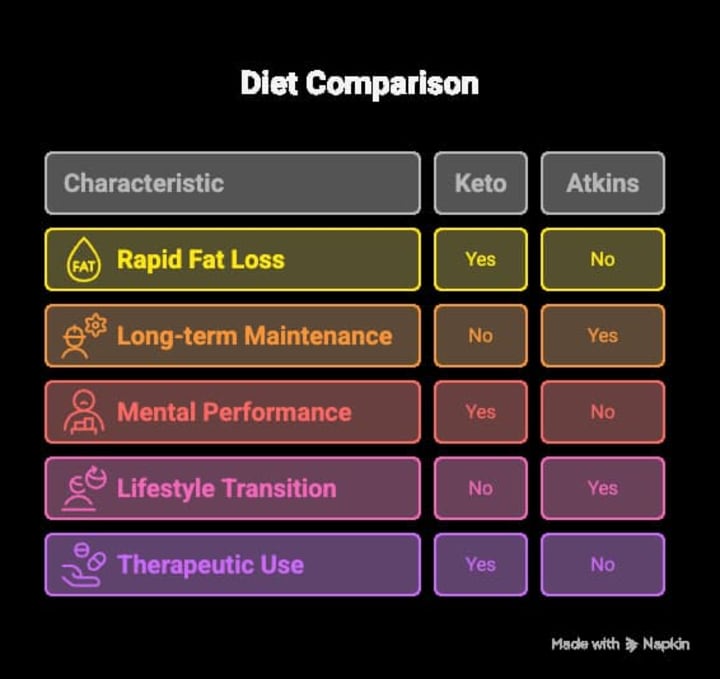
Keto - for faster fat burning and mental sharpness
Atkins - for more food variety and gradual change
Who Should Avoid Keto or Atkins?
Avoid Keto if:
- You have pancreatic, liver, or kidney disorders
- You're pregnant or breastfeeding
- You are prone to hypoglycemia
Avoid Atkins if:
- You are insult-dependent
- You tend to rebound after dieting phases
Tip: It is essential to consult a dietitian or doctor before starting any new diet or making changes to your eating habits.
Final Thoughts: Which Diet Works for You?
Keto and Atkins are two of the most well-known low-carb diets, each offering significant benefits for weight management and metabolic health. While they both focus on carbohydrate restriction, their long-term structures and impacts can feel quite different in practice.
Ultimately, the best choice between the two depends on your individual goals, health needs, and daily habits. Keto may be suitable for those who are committed to a strict routine and want fast results, while Atkins might be more appealing to those who need dietary flexibility without sacrificing progress.
Regardless of the path you choose, success comes from consistency, balance, and paying attention to your body’s signals. For long-term results and safety, it is always advisable to consult a registered dietitian before making significant dietary changes.
About the Creator
Bishalya Gautam
I am an avid writing enthusiast with a deep passion for sharing my input on culture, arts, history, and food. I go through different trajectories of writings and bring informed knowledge to your screens.
Keep reading
More stories from Bishalya Gautam and writers in Feast and other communities.
Meal Ideas for Pescatarian Keto Eaters
Combining the keto diet with pescatarianism creates a unique low-carb eating plan that emphasizes seafood, eggs, and dairy while excluding other meats. This approach allows individuals to achieve ketosis, where the body burns fat for energy, without sacrificing protein intake.
By Bishalya Gautam8 months ago in Feast
Australia Confectionery Market: Consumer Preferences, Product Innovation & Retail Dynamics
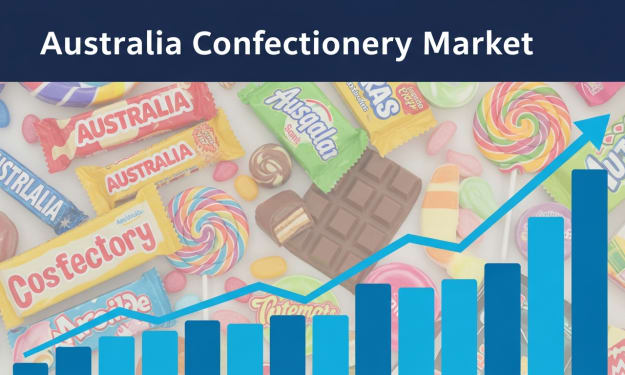
Australia Confectionery Market Overview The Australia confectionery market continues to evolve as consumer preferences shift, product innovation expands and retail formats adapt to changing buying behavior. The Australia confectionery market size reached USD 4.0 Billion in 2024. Looking forward, IMARC Group expects the market to reach USD 5.2 Billion by 2033, exhibiting a growth rate (CAGR) of 3% during 2025-2033. This steady expansion reflects a balance between indulgence-driven consumption and increasing health awareness among consumers.
By Amyra Singh6 days ago in Feast
A Crisp and Punchy Italian Salad
The best recipes often come with a story, a connection to a person or a place that makes them more than just a list of ingredients. For food writer Rachel Roddy, this week's recipe—a crisp, punchy salad of puntarelle, radicchio, celery, apple and cheese—is a tribute woven with memory, friendship, and the enduring legacy of a man who knew his vegetables like few others: the late Charlie Hicks.
By Kenneth Ethan Carlabout 6 hours ago in Feast



Comments
There are no comments for this story
Be the first to respond and start the conversation.