
Keto Diet definition and its efficiency
Is the keto diet effective for weight loss?

What is a ketogenic diet?
Methods that promote high protein and low carbohydrate intake are becoming more and more common among different types of diets. This covers dietary approaches including Paleo, the South Beach Diet, and the Atkins Diet—all of which are occasionally confused with ketogenic diets. A genuine ketogenic diet differs. The ketogenic diet deviates from normal recommendations for healthy eating by favouring high fat, moderate protein, and low carbohydrate diets.
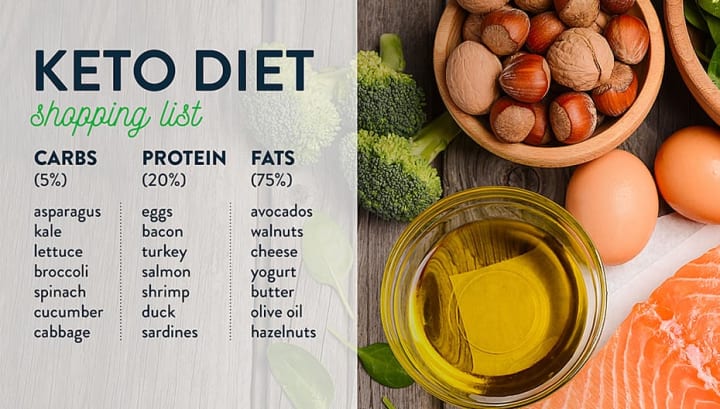
With some people sticking to less than 20 grammes per day, keto often lowers daily total carbohydrate intake to less than 50 grammes. For comparison, one cup of cooked pasta provides 45 grammes of carbs, whereas a six-inch banana contains 30 grammes. Dieters on a ketogenic diet are advised to divide their daily calorie intake roughly into 70–80% fat, 10–20% protein, and 5–10% carbohydrates.
The ketogenic diet seeks to cause weight reduction by decreasing the body's supply of glucose, which comes from eating foods high in carbohydrates and is the main source of energy for all body cells. The name "keto"-genic comes from the diet's promotion of the creation of ketones, an alternative fuel source made from stored fat. The brain cannot store glucose; it needs a constant supply of roughly 120 grammes per day. Therefore, when eating little to no carbohydrates or while fasting, the body first gets its glucose from the liver's reserves.
If stored glucose runs out after 3–4 days, the body enters a condition known as ketosis. The ability of the liver to make ketone bodies, a form of fuel derived from stored fat, increases during ketosis. Theoretically, the body will then consume its fat reserves to meet its energy needs, resulting in weight loss for the person.
Is the keto diet effective for weight loss?
Although the concept of fat loss brought on by a ketogenic diet is alluring, it does not work effectively in actuality. Although the initial weight loss experienced by keto dieters is frequently pleasant, this is a temporary effect of the loss of bodily water that comes along with lower carbohydrate intake, not fat loss. This is due to the fact that when we consume carbohydrates, the energy that is not immediately used is stored in glycogen molecules, each of which has three grammes of water bound to it. When you eat fewer carbohydrates, your glycogen reserves are quickly depleted, causing you to lose that water weight.
Furthermore, the limited scope of the ketogenic diet makes it improbable that people will follow it properly; in many medical trials, over 50% of participants failed to stick to the diet, which undermines any short-term weight loss effects. A ketogenic diet is not intended to be followed for an extended period of time and is not particularly effective, even when carefully implemented. According to studies, a ketogenic diet does not result in noticeably more weight loss than other weight loss methods after six months.
Is a ketogenic diet beneficial to everyone?
With varying success, a variety of different diseases are being treated with keto. For instance, this diet may be helpful for treating Alzheimer's disease (AD), but not for preventing it. Although saturated fat intake, which normally rises on a ketogenic diet, is highly connected with the risk of acquiring Alzheimer's, and more study is being done to understand the specifics of this effect, it appears to have minor cognitive benefits for AD patients. Although it has been attempted, it is no longer recommended for people with Type 1 diabetes. Studies are also being conducted to determine how a ketogenic diet affects Type 2 diabetes, non-alcoholic fatty liver disease, and other malignancies, although the advantages are still unknown.
Even while further long-term research is still being done, preliminary findings already point to the fact that a ketogenic diet is nearly always more harmful than beneficial. A ketogenic diet should be viewed as a medical intervention that should only be used when specifically advised to do so by a doctor, not as a one-size-fits-all magic weight loss method.
About the Creator
Keep reading
More stories from writers in Feast and other communities.
My Tous les Jours Trip
As someone who lives in a rural area, I don't get the chance to visit fancy restaurants or bakeries that often. So, when a friend told me about a French-Asian bakery that's less than an hour away, I knew I had to check it out and grab some pictures for social media. Tous les Jours ended up providing an immersive experience that went above and beyond my expectations--although I did leave with a few reservations.
By Kaitlin Shanks25 days ago in Feast
Global Fruit Snacks Market Set to Double by 2033 as Healthier Snacking Takes Center Stage
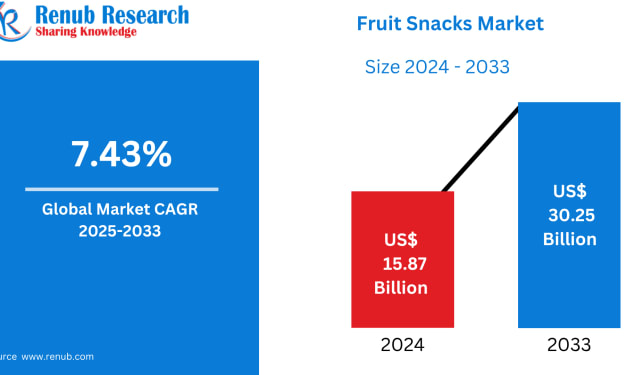
Global Fruit Snacks Market Size & Forecast 2025–2033 The Global Fruit Snacks Market was valued at US$ 15.87 billion in 2024 and is expected to grow to US$ 30.25 billion by 2033, registering a strong CAGR of 7.43% during 2025–2033, according to Renub Research. This robust expansion is being driven by a powerful combination of changing consumer lifestyles, increasing health awareness, and the global shift toward convenient, naturally derived snack foods.
By jaiklin Fanandisha day ago in Feast
The Devil's Cut
“Comrade, finally you’re awake.” The voice was smooth, sensual. A flickering incandescent bar was all that lit the white, sterile room. All Vladimir remembered was everything going black. He tried to move his arms and found them strapped to the gurney.
By Matthew J. Fromm7 days ago in Fiction



Comments
There are no comments for this story
Be the first to respond and start the conversation.