
Kaiseki Ryori: The Art of Dining
A Journey Through Japan’s Seasonal and Culinary Masterpiece

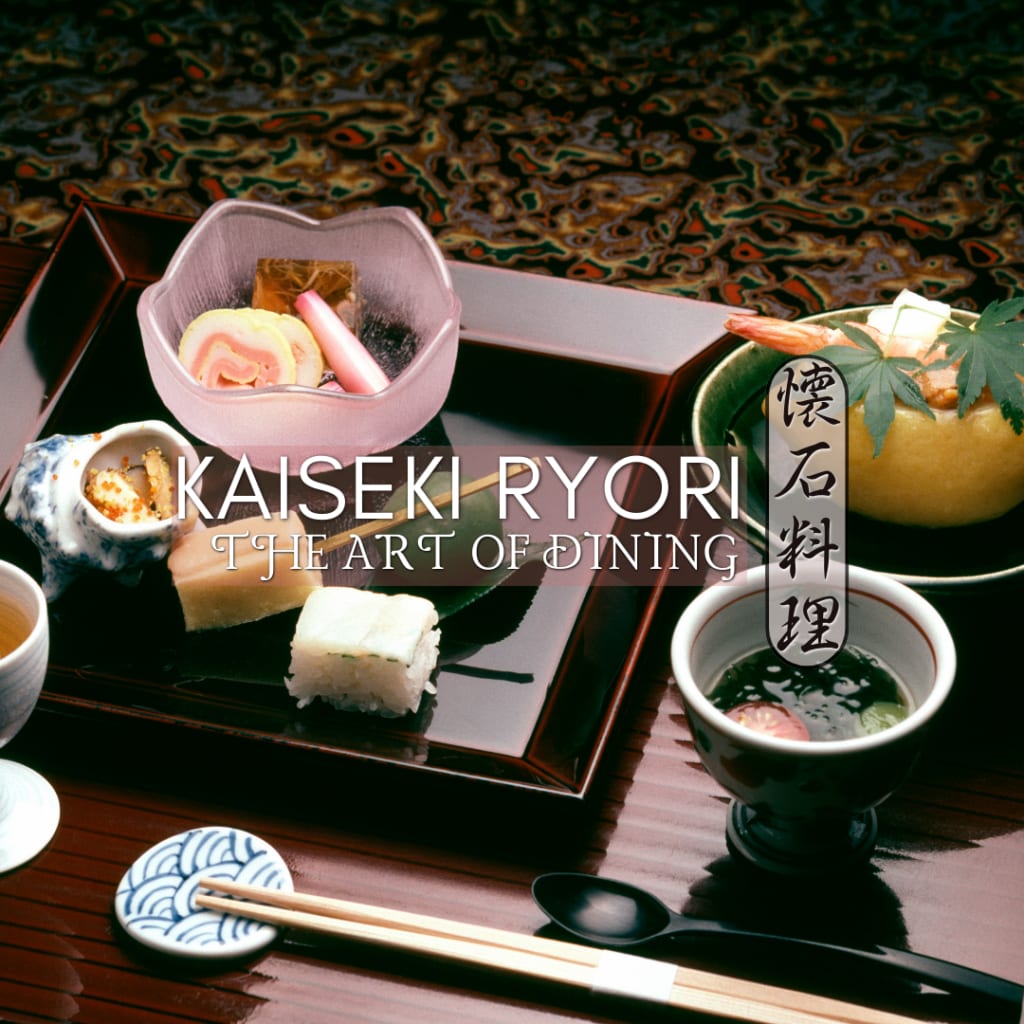
The Art of Seasonal Japanese Dining, One Course at a Time
There are meals, and then there are experiences. Kaiseki Ryori (懐石料理)—Japan’s high art of dining—is undoubtedly the latter. Rooted in centuries of tradition, a meal at a Kaiseki restaurant offers more than just food; it provides a meditative journey through Japan’s seasons, ingredients, and culinary philosophy. This multi-course dining experience is the epitome of Japanese gastronomy, where every dish is crafted with meticulous care and presented with the precision of a fine art exhibition.
From the serene atmosphere of the restaurant to the symphony of flavors on each plate, dining at a Kaiseki establishment transcends mere sustenance. It’s a celebration of nature, culture, and craftsmanship, one that lingers in the memory long after the final course is served. But what exactly is Kaiseki Ryori, and why is it so revered?
The Origins of Kaiseki: A Historical Prelude
Kaiseki Ryori traces its roots back to the 16th century, where it evolved from the formal meals served during Japanese tea ceremonies. Originally, it consisted of modest dishes intended to complement the delicate flavors of matcha tea. Over time, however, it grew into a more elaborate and sophisticated meal, borrowing elements from Buddhist monks’ vegetarian fare and imperial court cuisine.
The word "kaiseki" itself is a nod to this evolution. Derived from the characters "懐" (kai), meaning "bosom" or "embrace," and "石" (seki), meaning "stone," it refers to the practice of placing warm stones near one’s abdomen to stave off hunger during lengthy tea ceremonies. Today, Kaiseki Ryori represents a very different kind of warmth—a comforting, gastronomic embrace that nourishes both body and soul.
Finding a Kaiseki Restaurant: An Invitation to Elegance
Locating a Kaiseki Ryori restaurant in Japan is akin to discovering a hidden gem. These establishments tend to blend seamlessly into their surroundings, often marked by understated, minimalist signage bearing the characters "懐石料理" or "かいせきりょうり." Unlike the neon-drenched izakayas or bustling ramen shops of urban Japan, Kaiseki restaurants exude a quiet elegance. Their exteriors are often simple, with sliding wooden doors and paper lanterns, providing a sense of anticipation as you step inside.
Inside, the ambiance is one of calm and grace. Tatami mats, low wooden tables, and delicate shoji screens create an atmosphere that feels like a retreat from the outside world. Some Kaiseki establishments are nestled in traditional machiya townhouses or riverside ryokans, adding to the immersive experience. Dining in these intimate settings—often with only a handful of other patrons—makes it feel as if the meal is a private performance, curated just for you.
Begin your journey to fluency—access free daily podcasts with JapanesePod101.com.
The Kaiseki Experience: A Culinary Journey
Once seated, the experience begins. Each course of Kaiseki Ryori is carefully choreographed, with the dishes arriving in a set sequence designed to highlight the season’s finest ingredients. Typically, a Kaiseki meal consists of multiple courses—anywhere from seven to fifteen, depending on the restaurant. The progression of the meal follows a traditional structure, with each course serving a specific role in the overall experience.
1. Sakizuke (先附): The Prelude
The first course, sakizuke, is a small appetizer, often seasonal and delicate, designed to stimulate the palate. It might be something as simple as a piece of perfectly grilled fish or a bowl of silken tofu garnished with fresh herbs. The flavors are subtle but inviting, setting the tone for the courses to follow.
2. Hassun (八寸): The Seasonal Snapshot
Next comes hassun, a small plate that reflects the current season. This course often features a selection of artfully arranged morsels, from fresh vegetables to seasonal seafood. The presentation is key, with each item carefully placed to evoke the beauty of nature—think autumn leaves in the fall or cherry blossoms in the spring.
3. Mukozuke (向付): The Sashimi
No Kaiseki meal is complete without mukozuke, a course of beautifully sliced sashimi. The fish, whether it’s tuna, sea bream, or mackerel, is chosen for its peak freshness. It’s often paired with garnishes like grated wasabi or shiso leaves to enhance the delicate flavors.
4. Takiawase (炊き合わせ): Harmonious Vegetables
The takiawase course is a showcase of simmered vegetables, usually served alongside fish or tofu. Each ingredient is cooked separately to preserve its distinct flavor and texture. This course highlights the chef’s skill in balancing subtle flavors to create a harmonious dish.
5. Futamono (蓋物): The Soup Course
Next comes futamono, a covered dish, typically a light and fragrant broth. Often served in beautiful lacquer bowls, the soups are delicate yet deeply flavorful, featuring ingredients like miso, seasonal mushrooms, or tender clams. This course acts as a palate cleanser, preparing you for the more substantial dishes to come.
6. Yakimono (焼き物): The Grilled Delights
Grilled dishes, or yakimono, usually feature premium cuts of meat or fish. Expect perfectly charred seafood, such as grilled eel or seabream, often accompanied by seasonal vegetables. The grilling process brings out the natural flavors of the ingredients, with minimal seasoning to allow the quality to shine through.
7. Shokuji (食事): Rice and Pickles
Towards the end of the meal, the shokuji course offers a bowl of steamed rice, served with tsukemono (Japanese pickles) and perhaps a side of miso soup. This seemingly simple course is a reminder of the importance of rice in Japanese culture and cuisine—a grounding conclusion to the complex flavors that preceded it.
8. Mizumono (水物): The Sweet Finale
Finally, the meal ends with mizumono, a dessert course that often includes seasonal fruits, delicate wagashi (traditional Japanese sweets), or a light sorbet. The desserts in Kaiseki Ryori are typically understated, offering a subtle sweetness that complements the meal without overwhelming the palate.
A Feast for the Eyes: The Art of Presentation
What makes Kaiseki Ryori truly extraordinary is not just the taste but the presentation. Each dish is an aesthetic masterpiece, thoughtfully arranged to reflect the season and the chef’s artistry. Plates are adorned with seasonal flowers, leaves, or delicate garnishes, creating a visual feast that rivals the flavors themselves.
The choice of dishware is also integral to the experience. Chefs often use handmade ceramics, lacquerware, and porcelain, carefully selecting each piece to enhance the appearance of the food. In autumn, for example, you might find your dishes served on deep red or brown plates, evoking the colors of falling leaves. In spring, the delicate pinks and greens of cherry blossoms are echoed in the presentation, drawing you into the season with every bite.
The Cultural Significance of Kaiseki
Dining at a Kaiseki restaurant is more than just a culinary indulgence—it’s an immersive cultural experience. Kaiseki Ryori reflects Japan’s deep connection to nature and the seasons, as well as the country’s dedication to craftsmanship and precision. Every element of the meal, from the choice of ingredients to the plating, speaks to Japan’s philosophy of wabi-sabi—finding beauty in simplicity and imperfection.
Kaiseki meals are also a testament to the Japanese art of omotenashi, or hospitality. The chefs and staff take great pride in ensuring that every detail of the dining experience is perfect, from the temperature of the tea to the pacing of the courses. It’s an unspoken dialogue between host and guest, where the goal is to create an atmosphere of warmth, respect, and tranquility.
A Kaiseki Meal: A Once-in-a-Lifetime Experience
Every Kaiseki Ryori experience is unique. The menu changes with the seasons, and even the same restaurant may serve an entirely different meal from one visit to the next. This ever-evolving nature of Kaiseki ensures that no two dining experiences are alike, offering endless opportunities for discovery.
Even if you’ve dined at a Kaiseki restaurant before, returning in a different season might reveal new ingredients, flavors, and presentations. It’s an experience that never grows old—a journey that unfolds differently with every visit.
Maximize rewards for your Japan hotel bookings.
Kaiseki: An Invitation to Slow Down
In a world that often feels hurried, Kaiseki Ryori invites you to slow down and savor the moment. Each course is a reflection of time and place, urging you to appreciate the fleeting beauty of the season and the artistry behind every dish. It’s a reminder that dining can be more than just eating—it can be a meditative experience that nourishes the soul as much as the body.
So, the next time you find yourself in Japan, take the opportunity to indulge in a Kaiseki meal. It’s not just about the food—it’s about immersing yourself in a centuries-old tradition of beauty, balance, and harmony. A Kaiseki meal is more than just a culinary experience; it’s a celebration of life itself.
Affiliate Disclosure: This article contains affiliate links. If you make a purchase through these links, Kansai Fixer may earn a small commission at no extra cost to you. The inclusion of these links does not influence the recommendations made in this article.
About the Creator
Kansai Fixer
Founded in Japan in 2012, Kansai Fixer offers immersive travel and lifestyle experiences worldwide. We provide expert insights and curated guides to help you explore destinations with authenticity and deeper connections.
Keep reading
More stories from Kansai Fixer and writers in Feast and other communities.
Izakayas: Japan’s Unmissable Dining Experience
Japan’s Beloved Gathering Spots Unveiled In Japan, few dining experiences capture the essence of the country’s communal spirit like an izakaya. A staple of Japanese nightlife, izakayas are places where locals and travelers alike can gather to eat, drink, and unwind. Part pub, part restaurant, these casual establishments offer a variety of small plates, drinks, and an inviting atmosphere where conversation flows as freely as the sake. More than just eateries, izakayas are cultural hubs that reflect the social and culinary fabric of Japan. This is why, for over two decades of living and traveling in Japan, izakayas have become our go-to dining experience, and it’s also why we decided to create our own in Nara.
By Kansai Fixerabout a year ago in Feast
My Tous les Jours Trip
As someone who lives in a rural area, I don't get the chance to visit fancy restaurants or bakeries that often. So, when a friend told me about a French-Asian bakery that's less than an hour away, I knew I had to check it out and grab some pictures for social media. Tous les Jours ended up providing an immersive experience that went above and beyond my expectations--although I did leave with a few reservations.
By Kaitlin Shanks22 days ago in Feast
No-Recipe-Needed Dessert Tutorials
1. Basque Burnt Cheesecake Cream cheese, a few high-quality farm-fresh eggs, heavy cream, and sugar—just mix them together. Sift the mixture into a mold to remove air bubbles. Bake at 180°C (356°F), both top and bottom heat, for 40-50 minutes. Done! It must be completely chilled before slicing. One bite, and you'll be floating on cloud nine... This is so good! It has an incredibly rich, cheesy aroma and melts instantly in your mouth. The key is that this method is just too simple and unbeatable.
By yue . shui2 days ago in Feast




Comments
There are no comments for this story
Be the first to respond and start the conversation.