
Izakayas: Japan’s Unmissable Dining Experience
Where Food and Friendship Meet

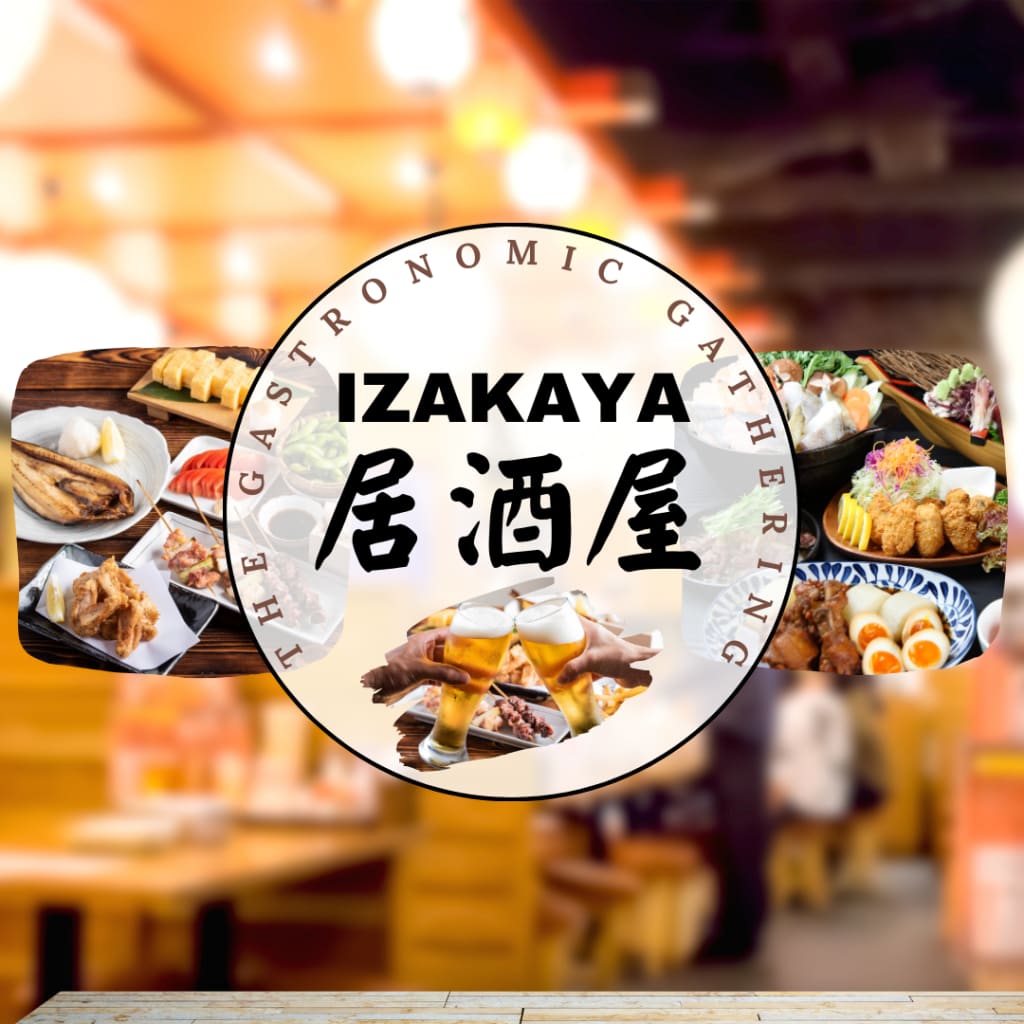
Japan’s Beloved Gathering Spots Unveiled
In Japan, few dining experiences capture the essence of the country’s communal spirit like an izakaya. A staple of Japanese nightlife, izakayas are places where locals and travelers alike can gather to eat, drink, and unwind. Part pub, part restaurant, these casual establishments offer a variety of small plates, drinks, and an inviting atmosphere where conversation flows as freely as the sake. More than just eateries, izakayas are cultural hubs that reflect the social and culinary fabric of Japan. This is why, for over two decades of living and traveling in Japan, izakayas have become our go-to dining experience, and it’s also why we decided to create our own in Nara.
Begin your journey to fluency—access free daily podcasts with JapanesePod101.com.
The Origin and Evolution of Izakayas
The word "izakaya" comes from three kanji characters: 居 (i), which means "stay," 酒 (zaka), meaning "sake," and 屋 (ya), denoting a shop or place. The literal translation of izakaya is "a place to stay and drink," which perfectly encapsulates its origins. Izakayas began as sake shops where customers could sit, drink, and enjoy light snacks. Over time, these sake shops evolved into full-fledged dining establishments, offering a variety of food options to complement the drinks.
The earliest izakayas were simple, hole-in-the-wall establishments where patrons could grab a drink after work. As Japan’s cities grew and nightlife flourished, so too did the izakaya scene. Today, izakayas can be found in every corner of Japan, from the bustling streets of Tokyo and Osaka to the quieter towns of rural Japan. Despite this growth, izakayas have retained their casual, welcoming atmosphere—a place where anyone can walk in, sit down, and enjoy a meal among friends or strangers.
What Defines an Izakaya?
Unlike other types of Japanese restaurants, izakayas don’t specialize in one type of cuisine. Instead, they offer a wide range of dishes, designed to be shared among the table. This makes an izakaya an ideal spot for groups looking to try a little bit of everything. You might start with light appetizers like edamame (boiled soybeans) or tsukemono (pickled vegetables) before moving on to heartier fare like karaage (Japanese fried chicken), yakitori (grilled chicken skewers), or sashimi.
Drinks are also a central part of the izakaya experience. Most izakayas offer a wide selection of alcoholic beverages, from sake and shochu (a distilled spirit) to beer and whiskey. Many izakayas also serve highballs, a popular drink made from whiskey and soda water, which has become a staple of Japanese drinking culture. Some even offer all-you-can-drink packages (known as nomihodai) for a set period, allowing patrons to truly relax and enjoy the night.
Explore and enjoy sake delivered anywhere in the U.S.
The Unique Charm of Izakayas
What sets izakayas apart from other dining establishments is their atmosphere. Walk into any izakaya, and you’re likely to be greeted with a lively chorus of "Irasshaimase!" (Welcome!). Inside, you’ll find a mix of people—office workers winding down after a long day, friends catching up, tourists eager to sample local dishes—all sitting around low tables or at the bar. There’s a sense of camaraderie in the air, as diners share food, drinks, and stories, creating a communal experience that is both warm and engaging.
One of the most appealing aspects of izakayas is their ability to attract such a wide range of patrons. You’ll often see a cross-section of Japanese society in any given izakaya, from young professionals to retirees, students, and even entire families. The eclectic mix of people adds to the charm and makes every visit feel like a unique experience. It’s this blend of food, drink, and community that keeps both locals and visitors coming back.
Regional Flavors and Varieties
While izakayas can be found all over Japan, the food and drink offerings often reflect the local flavors of the region. For example, in Osaka, the birthplace of okonomiyaki, you’ll likely find this savory pancake—filled with cabbage, pork, and seafood—on many izakaya menus. Osaka is also known for its love of takoyaki (octopus balls), which are a popular snack in the city’s izakayas.
In contrast, izakayas in Hokkaido, Japan’s northernmost island, often feature fresh seafood, including uni (sea urchin), ikura (salmon roe), and kani (crab), all of which are local delicacies. Hokkaido is also known for its sapporo beer, a popular beverage choice in the region’s izakayas.
The Kanto region, which includes Tokyo, offers izakayas with a wide range of yakitori options—grilled chicken skewers seasoned with either shio (salt) or tare (a sweet soy sauce glaze). Yakitori is often served alongside oden, a simmered dish of fish cakes, tofu, and vegetables, which is especially popular in the colder months.
Regardless of the region, each izakaya puts its own spin on the dishes, offering a culinary adventure that reflects the local ingredients and traditions.
The Role of Izakayas in Japanese Culture
Izakayas are more than just places to eat and drink—they are deeply embedded in the fabric of Japanese society. They serve as informal gathering spots where people can let their guard down and enjoy each other’s company. This sense of togetherness is at the heart of the izakaya experience, and it’s what makes these establishments so beloved in Japan.
In a country where formality often dictates social interactions, izakayas offer a more relaxed, egalitarian space where everyone, regardless of status, can enjoy a drink and a meal. The casual setting encourages conversation, laughter, and the kind of bonding that’s often absent in more formal dining environments.
For many, the izakaya is a place to decompress after the rigors of the workday. Office workers, known as salarymen, are frequent patrons, stopping by for a drink and some food with colleagues before heading home. These after-work gatherings, known as nomikai, are an integral part of Japanese corporate culture, where bonds are strengthened over shared plates and endless rounds of drinks.
Opening Our Own Izakaya: LBK Craft
Read: The Story of Opening an Izakaya in Japan
Our love for izakayas runs deep, which is why, when the opportunity arose to open our own restaurant in Nara, we knew it had to be an izakaya. With LBK Craft, we wanted to create a space that captured everything we love about these establishments—the sense of belonging, the shared pleasure of discovery, and, of course, the incredible food that brings people together.
Opening LBK Craft was our way of paying tribute to the izakayas that have given us so much joy over the years. It wasn’t just about serving great food (though that was certainly part of it); it was about creating a community. We wanted to offer a place where people could come together, try new things, and make lasting memories—just as we had done countless times in izakayas across Japan.
Navigating the Izakaya Experience
For those new to izakayas, the experience can be a bit overwhelming at first. Many izakayas have extensive menus, often with items listed only in Japanese. But don’t let that deter you! Part of the fun is exploring the menu and trying dishes you may have never heard of before. If you’re unsure where to start, ask the staff for recommendations or go with some izakaya staples like gyoza (dumplings), tempura, or agedashi tofu (fried tofu in a savory broth).
One thing to note is that izakayas typically charge a small seating fee, known as otoshi. In return, you’ll be served a small appetizer—usually something simple like pickles or a small salad. This is a common practice, and the otoshi often serves as a nice introduction to the flavors of the restaurant.
If you’re worried about navigating the menu or ordering drinks, many izakayas offer English menus or have staff who can help guide you through the experience. And remember, izakayas are meant to be casual and fun, so don’t be afraid to ask questions or experiment with new dishes.
Why Izakayas Matter
At their core, izakayas are about more than just food and drink—they are about connection. Whether it’s connecting with the people at your table or with the broader community, izakayas create an atmosphere that fosters togetherness. In a world that often feels rushed and disconnected, izakayas offer a welcome respite—a place where the pace slows down, and the focus shifts to good food, good drink, and good company.
As we continue to explore Japan’s culinary landscape, both in Japan and abroad, izakayas remain our favorite stops along the way. They encapsulate the joy of discovery, the pleasure of eating, and the beauty of sharing moments with others. For anyone looking to dive deeper into Japanese culture, a visit to an izakaya is an essential experience.
So, next time you’re in Japan (or find an izakaya-inspired spot abroad), let your curiosity—and your appetite—guide you. You’ll find that these humble establishments offer not just a meal, but an invitation to experience the warmth and camaraderie that defines Japanese dining culture.
Affiliate Disclosure: This article contains affiliate links. If you make a purchase through these links, Kansai Fixer may earn a small commission at no extra cost to you. The inclusion of these links does not influence the recommendations made in this article.
About the Creator
Kansai Fixer
Founded in Japan in 2012, Kansai Fixer offers immersive travel and lifestyle experiences worldwide. We provide expert insights and curated guides to help you explore destinations with authenticity and deeper connections.
Keep reading
More stories from Kansai Fixer and writers in Feast and other communities.
Kaiseki Ryori: The Art of Dining
The Art of Seasonal Japanese Dining, One Course at a Time There are meals, and then there are experiences. Kaiseki Ryori (懐石料理)—Japan’s high art of dining—is undoubtedly the latter. Rooted in centuries of tradition, a meal at a Kaiseki restaurant offers more than just food; it provides a meditative journey through Japan’s seasons, ingredients, and culinary philosophy. This multi-course dining experience is the epitome of Japanese gastronomy, where every dish is crafted with meticulous care and presented with the precision of a fine art exhibition.
By Kansai Fixerabout a year ago in Feast
My Tous les Jours Trip
As someone who lives in a rural area, I don't get the chance to visit fancy restaurants or bakeries that often. So, when a friend told me about a French-Asian bakery that's less than an hour away, I knew I had to check it out and grab some pictures for social media. Tous les Jours ended up providing an immersive experience that went above and beyond my expectations--although I did leave with a few reservations.
By Kaitlin Shanks21 days ago in Feast
The Last One Will Make You Swoon
Pork, especially the beloved pork belly, is a canvas for culinary magic in Guangdong. These 15 homestyle recipes showcase the versatility and deep, comforting flavors of Cantonese pork dishes, ranging from supremely simple steamed preparations to rich, complex braises. The final recipe is an absolute showstopper that’s worth the wait.
By yue . shui7 days ago in Feast




Comments
There are no comments for this story
Be the first to respond and start the conversation.