
Japanese Vegan Sushi - A Flavourful Dive into Japan's Plant-Based Culinary Tradition
Discover the Art of Vegan Sushi – A Delicious and Sustainable Twist on Japan’s Iconic Dish

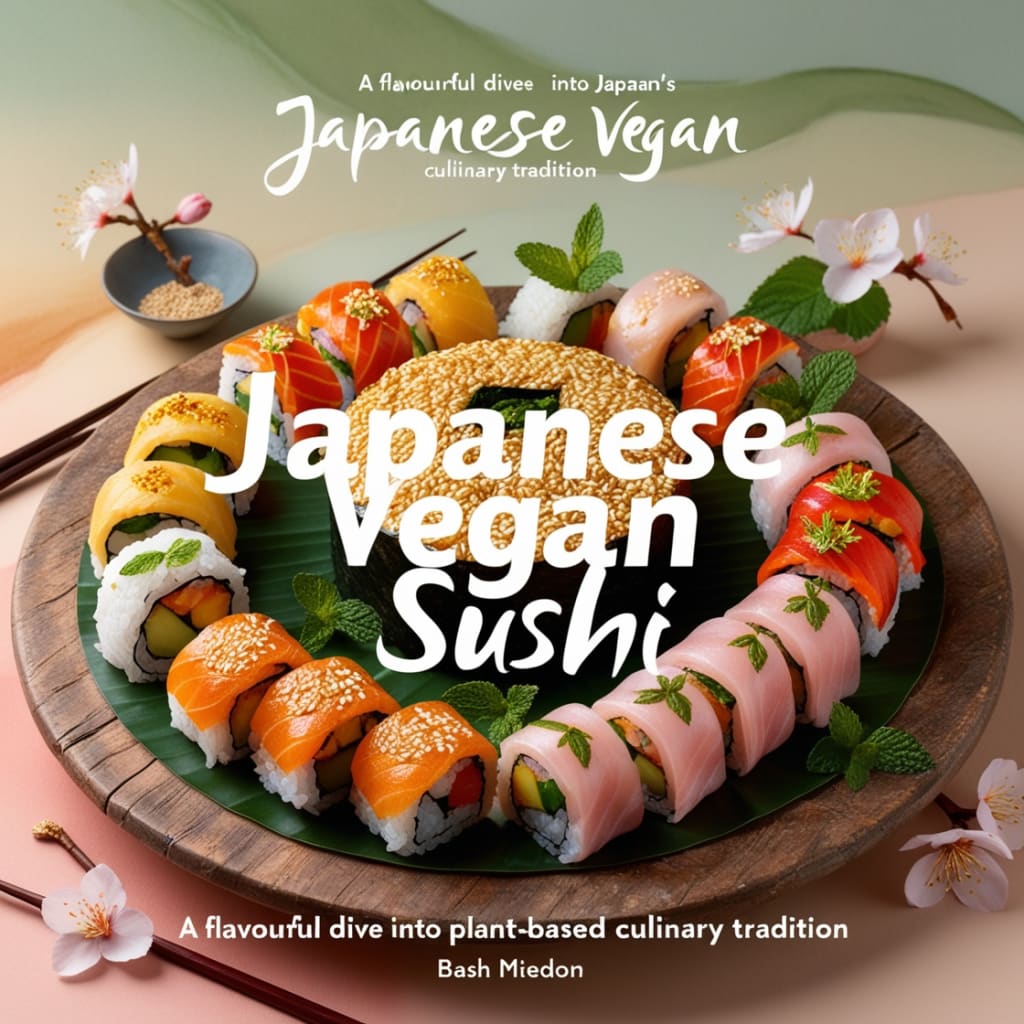
Japanese Vegan Sushi - A Flavourful Dive into Japan's Plant-Based Culinary Tradition
Discover the Art of Vegan Sushi – A Delicious and Sustainable Twist on Japan’s Iconic Dish
Introduction:
Sushi is a cornerstone of Japanese cuisine, cherished for its exquisite flavors, meticulous presentation, and cultural significance. Traditionally, sushi features vinegared rice paired with various seafood, making it a celebrated dish worldwide. However, as plant-based diets gain popularity, innovative chefs and home cooks have embraced the concept of vegan sushi, crafting delectable rolls that maintain the essence of traditional sushi while offering a cruelty-free alternative.
In this comprehensive guide, we will explore the rich history of sushi, delve into the fundamentals of vegan sushi, and provide you with a step-by-step approach to creating your own plant-based sushi masterpieces. From essential ingredients to health benefits, creative variations, and expert tips, this article will serve as your ultimate resource for mastering vegan sushi at home.
Table of Contents
1. The Fascinating History of Sushi: From Ancient Origins to Modern Delicacies
2. What is Vegan Sushi? An Overview of the Plant-Based Variation
3. Essential Ingredients for Making Vegan Sushi
4. Health Benefits of Choosing Vegan Sushi
5. Popular Types of Vegan Sushi You Must Try
6. Tools and Equipment for Crafting Vegan Sushi
7. Step-by-Step Vegan Sushi Recipe: Classic Maki Rolls
8. Creative Variations: Exploring Unique Flavors in Vegan Sushi
9. Vegan Sushi Sauces and Dips: Enhancing Your Dish
10. Common Mistakes to Avoid When Making Vegan Sushi
11. Presenting Vegan Sushi: Tips for a Stunning Plating
12. Pairing Vegan Sushi with Beverages: Perfect Matches
13. Storing and Reheating Vegan Sushi: Keeping It Fresh
14. Conclusion: Embracing Vegan Sushi for a Sustainable Future
1. The Fascinating History of Sushi: From Ancient Origins to Modern Delicacies
Sushi's roots trace back to Southeast Asia, where it began as a preservation method for fish, utilizing fermented rice. This ancient technique was called "narezushi," which involved wrapping fish in fermented rice to extend its shelf life. Over the centuries, this practice evolved and spread to Japan, particularly during the Edo period (1603-1868), when sushi underwent significant transformations.
During the Edo period, a new style called "nigiri-zushi" emerged, consisting of hand-formed rice topped with fresh fish. This version became immensely popular among street vendors in Tokyo (then Edo), leading to the birth of modern sushi as we know it today. The combination of vinegared rice, fresh fish, and various condiments created a harmonious balance of flavors and textures, earning sushi a place in the hearts of food lovers worldwide.
With the rising demand for plant-based options, the sushi landscape has transformed once again. Vegan sushi embraces the principles of traditional sushi while substituting fish and seafood with fresh vegetables, fruits, and plant-based proteins. This modern twist not only caters to vegan diets but also highlights the versatility of sushi, showcasing the abundance of flavors found in the plant kingdom.
2. What is Vegan Sushi? An Overview of the Plant-Based Variation
Vegan sushi is a delightful adaptation of traditional sushi, designed to eliminate animal products while maintaining the artistry and taste of its conventional counterpart. Instead of fish, vegan sushi features an array of colorful and flavorful ingredients, including vegetables, fruits, and plant-based proteins.
The base of vegan sushi remains the same: sushi rice seasoned with rice vinegar, sugar, and salt. This sweet and tangy rice is complemented by a variety of fillings and toppings, allowing for endless creative possibilities. Common ingredients in vegan sushi include:
- Vegetables: Carrots, cucumbers, bell peppers, radishes, and avocado are popular choices that add crunch and freshness.
- Fruits: Fruits like mango, pineapple, and even strawberries can provide a sweet contrast to savory ingredients.
- Tofu and Tempeh: Marinated and cooked tofu or tempeh can offer protein and heartiness, making the sushi filling satisfying.
- Seaweed (Nori): Dried seaweed sheets are used to wrap sushi rolls, providing a unique umami flavor and texture.
- Vegan Cream Cheese: For a rich and creamy addition, vegan cream cheese can be used in place of traditional cream cheese in rolls like Philadelphia sushi.
Vegan sushi not only caters to those following a plant-based diet but also appeals to anyone looking to explore new flavors and culinary experiences. It emphasizes fresh, wholesome ingredients while offering a sustainable alternative to seafood-heavy dishes.
3. Essential Ingredients for Making Vegan Sushi
Creating delicious vegan sushi requires a selection of fresh, high-quality ingredients. Here are some essential components for crafting your plant-based rolls:
Sushi Rice
- Short-Grain Japanese Rice: This rice is essential for achieving the right texture in sushi. It’s sticky and holds together well when rolled.
Vinegar Mixture
- Rice Vinegar: Adds acidity and flavor to the sushi rice.
- Sugar: Balances the tartness of the vinegar.
- Salt: Enhances the overall flavor of the rice.
Nori Sheets
- Dried Seaweed: Used to wrap the sushi rolls, nori provides a savory, umami flavor.
Fresh Vegetables
- Cucumber: Adds a refreshing crunch.
- Carrots: Adds color and sweetness.
- Avocado: Provides creaminess and richness.
Plant-Based Proteins
- Tofu: Firm tofu can be marinated and grilled or pan-fried for added flavor and texture.
- Tempeh: A fermented soybean product that offers a nutty taste and is rich in protein.
Additional Ingredients
- Pickled Ginger: A traditional accompaniment that cleanses the palate.
- Wasabi: Adds heat and flavor.
- Soy Sauce: For dipping and seasoning.
With these ingredients on hand, you'll be well-equipped to create a variety of flavorful vegan sushi rolls.
4. Health Benefits of Choosing Vegan Sushi
Vegan sushi isn't just a tasty alternative; it also comes with numerous health benefits. Here are some reasons to enjoy this plant-based dish:
- Low in Calories: Vegan sushi is typically lower in calories than traditional sushi, as it lacks high-fat fish and heavy sauces.
- Rich in Nutrients: Packed with vitamins, minerals, and antioxidants, the fresh vegetables and fruits used in vegan sushi contribute to a well-rounded diet.
- High in Fiber: Ingredients like vegetables, brown rice, and whole grains provide dietary fiber, promoting healthy digestion.
- Heart-Healthy Fats: Avocado and certain nuts provide healthy monounsaturated fats, beneficial for heart health.
- Reduced Sodium: By making your sushi at home, you can control the amount of soy sauce and seasoning, lowering your overall sodium intake.
- Ethical and Sustainable: Vegan sushi aligns with ethical eating practices, supporting animal welfare and reducing the environmental impact of seafood consumption.
5. Popular Types of Vegan Sushi You Must Try
Vegan sushi comes in various forms, each offering a unique taste and presentation. Here are some popular types to explore:
Maki Rolls
- Traditional Rolls: Rolled sushi filled with ingredients like avocado, cucumber, and marinated tofu.
Uramaki
- Inside-Out Rolls: Rice is on the outside, with fillings wrapped in nori. These rolls often feature colorful ingredients for an appealing presentation.
Nigiri
- Sushi Rice Balls: Hand-formed rice topped with slices of vegetables or marinated tofu.
Temaki
- Hand Rolls: Nori cones filled with sushi rice, vegetables, and other fillings, perfect for a casual dining experience.
Sashimi-Style Vegan Sushi
- Vegetable Sashimi: Thinly sliced marinated vegetables or fruits, resembling traditional sashimi.
6. Tools and Equipment for Crafting Vegan Sushi
To create beautiful vegan sushi at home, you'll need some essential tools:
- Bamboo Sushi Mat: This mat helps roll sushi tightly and evenly.
- Sharp Knife: A sharp knife ensures clean cuts for your sushi rolls.
- Rice Cooker: A rice cooker simplifies the process of cooking sushi rice perfectly.
- Small Bowl of Water: Used to wet your hands while working with sticky sushi rice.
- Cutting Board: Provides a surface for chopping vegetables and assembling rolls.
With these tools, you'll be ready to embark on your sushi-making journey.
7. Step-by-Step Vegan Sushi Recipe: Classic Maki Rolls
Now that you have a solid understanding of vegan sushi, let's create a classic vegan maki roll with a combination of avocado, cucumber, and marinated tofu. This recipe will guide you through the entire process.
Ingredients:
- Sushi Rice:
- 2 cups sushi rice
- 2 ½ cups water
- ¼ cup rice vinegar
- 2 tablespoons sugar
- 1 teaspoon salt
- Fillings:
- 1 avocado, sliced
- 1 cucumber, julienned
- 1 block firm tofu, marinated and grilled
- Other:
- 4 sheets nori
- Soy sauce, for serving
- Pickled ginger and wasabi, for serving
Instructions:
1. Prepare the Sushi Rice:
- Rinse the sushi rice under cold water until the water runs clear. This removes excess starch and prevents the rice from becoming gummy.
- In a rice cooker, combine the rinsed rice and water, and cook according to the manufacturer's instructions.
- Once the rice is cooked, transfer it to a large bowl.
2. Season the Rice:
- In a small saucepan, heat the rice vinegar, sugar, and salt over low heat until the sugar dissolves.
- Pour the vinegar mixture over the warm rice and gently fold to combine. Allow the rice to cool to room temperature.
3. Prepare the Fillings:
- While the rice cools, slice the avocado and julienne the cucumber.
- For the tofu, marinate it in your favorite sauce (like soy sauce, sesame oil, or teriyaki) for at least 15 minutes. Grill or pan-fry until golden brown and crispy.
4. Assemble the Sushi:
- Lay a sheet of nori, shiny side down, on your bamboo sushi mat.
- Wet your hands to prevent sticking, and take a handful of sushi rice. Spread it evenly over the nori, leaving a 1-inch border at the top.
- Arrange a few slices of avocado, cucumber, and tofu along the bottom edge of the rice-covered nori.
5. Roll the Sushi:
- Using the sushi mat, carefully roll the nori away from you, pressing gently to create a tight roll. Continue rolling until the entire sheet is rolled up.
- Use a sharp knife to slice the roll into bite-sized pieces.
6. Serve and Enjoy:
- Serve your vegan sushi with soy sauce, pickled ginger, and wasabi for dipping.
8. Creative Variations: Exploring Unique Flavors in Vegan Sushi
While the classic maki roll is a great starting point, there are endless possibilities for creative vegan sushi combinations. Here are a few ideas to inspire your sushi-making adventures:
- Rainbow Sushi: Incorporate an array of colorful vegetables and fruits like bell peppers, radishes, and mango for a vibrant roll.
- Spicy Tofu Roll: Use spicy marinated tofu along with avocado and cucumber for a kick of heat.
- Thai Peanut Roll: Fill your sushi with sliced bell peppers, carrots, and a drizzle of peanut sauce for a Thai-inspired twist.
- Mango and Avocado Roll: Combine sweet mango with creamy avocado for a tropical flavor.
- Zucchini Noodle Sushi: Instead of rice, use spiralized zucchini for a low-carb version of sushi.
Experiment with different ingredients and flavors to create your own signature vegan sushi rolls!
9. Vegan Sushi Sauces and Dips: Enhancing Your Dish
Sauces and dips can elevate your vegan sushi experience. Here are some delightful options to consider:
- Soy Sauce: A classic dipping sauce that adds saltiness and depth.
- Spicy Mayo: Blend vegan mayo with sriracha for a creamy, spicy sauce.
- Peanut Sauce: A rich and nutty sauce that pairs well with vegetable rolls.
- Teriyaki Sauce: A sweet and savory glaze that can be drizzled over sushi or used as a dipping sauce.
- Wasabi: Adds a bold kick to your sushi; mix it with soy sauce for a flavorful combination.
10. Common Mistakes to Avoid When Making Vegan Sushi
Creating perfect vegan sushi can be challenging, especially for beginners. Here are some common mistakes to watch out for:
- Not Rinsing the Rice: Failing to rinse sushi rice can result in gummy texture. Always rinse until the water runs clear.
- Overfilling the Roll: Packing too many fillings can make rolling difficult. Stick to a few well-chosen ingredients.
- Rolling Too Tight or Too Loose: Ensure you're applying the right amount of pressure when rolling. A tight roll holds together, while a loose one falls apart.
- Cutting with a Dull Knife: A dull knife can crush the rolls instead of slicing them cleanly. Use a sharp knife and wet it between cuts to prevent sticking.
- Skipping Seasoning the Rice: Seasoned sushi rice is crucial for flavor. Don’t skip the vinegar mixture!
11. Presenting Vegan Sushi: Tips for a Stunning Plating
The visual appeal of sushi is just as important as its taste. Here are some tips for presenting your vegan sushi beautifully:
- Use a Clean Cutting Board: Clean your cutting board before slicing to prevent cross-contamination of colors.
- Plate with Care: Arrange your sushi pieces in a circular pattern or in rows for a professional look.
- Add Garnishes: Consider garnishing your plate with pickled ginger, sesame seeds, and microgreens for added color and texture.
- Serve on Unique Plates: Using colorful or textured plates can enhance the presentation of your vegan sushi.
- Include Dipping Sauces: Offer sauces in small bowls on the side for an elegant touch.
12. Pairing Vegan Sushi with Beverages: Perfect Matches
When enjoying vegan sushi, the right beverage can enhance the overall experience. Here are some beverage pairings to consider:
- Green Tea: A classic pairing that complements the flavors of sushi.
- Sake: This Japanese rice wine comes in various styles and can elevate your sushi dining experience.
- Sparkling Water: Refreshing and palate-cleansing, sparkling water is a great non-alcoholic option.
- Craft Beer: A light, crisp beer can contrast beautifully with the flavors of sushi.
- Fruit-Infused Iced Tea: A sweet and refreshing drink that pairs well with the freshness of vegan sushi.
13. Storing and Reheating Vegan Sushi: Keeping It Fresh
If you have leftover vegan sushi, proper storage is essential to maintain its quality:
- Refrigeration: Store vegan sushi in an airtight container in the refrigerator. Consume within 24 hours for the best flavor.
- Avoid Freezing: Sushi rice and fillings may not retain their texture when frozen, so it’s best to avoid freezing vegan sushi.
- Reheating: If you need to reheat sushi, use a microwave with a damp paper towel over it to prevent it from drying out. However, fresh sushi is always best enjoyed cold.
Conclusion: Embracing Vegan Sushi for a Sustainable Future
Vegan sushi is more than just a trend; it represents a shift towards sustainable and ethical dining practices. By embracing plant-based ingredients, you not only indulge in delicious flavors but also contribute to a healthier planet. The versatility of vegan sushi allows for endless creativity in the kitchen, enabling you to explore different flavors and textures while honoring the rich traditions of Japanese cuisine.
Whether you’re a seasoned sushi chef or a beginner eager to experiment, vegan sushi offers a delightful culinary adventure that nourishes both body and soul. So gather your ingredients, unleash your creativity, and enjoy the art of crafting your very own vegan sushi rolls!
Japanese Vegan Sushi - A Flavourful Dive into Japan's Plant-Based Culinary Tradition
Discover the Art of Vegan Sushi – A Delicious and Sustainable Twist on Japan’s Iconic Dish
Introduction:
Sushi is a cornerstone of Japanese cuisine, cherished for its exquisite flavors, meticulous presentation, and cultural significance. Traditionally, sushi features vinegared rice paired with various seafood, making it a celebrated dish worldwide. However, as plant-based diets gain popularity, innovative chefs and home cooks have embraced the concept of vegan sushi, crafting delectable rolls that maintain the essence of traditional sushi while offering a cruelty-free alternative.
In this comprehensive guide, we will explore the rich history of sushi, delve into the fundamentals of vegan sushi, and provide you with a step-by-step approach to creating your own plant-based sushi masterpieces. From essential ingredients to health benefits, creative variations, and expert tips, this article will serve as your ultimate resource for mastering vegan sushi at home.
Table of Contents
1. The Fascinating History of Sushi: From Ancient Origins to Modern Delicacies
2. What is Vegan Sushi? An Overview of the Plant-Based Variation
3. Essential Ingredients for Making Vegan Sushi
4. Health Benefits of Choosing Vegan Sushi
5. Popular Types of Vegan Sushi You Must Try
6. Tools and Equipment for Crafting Vegan Sushi
7. Step-by-Step Vegan Sushi Recipe: Classic Maki Rolls
8. Creative Variations: Exploring Unique Flavors in Vegan Sushi
9. Vegan Sushi Sauces and Dips: Enhancing Your Dish
10. Common Mistakes to Avoid When Making Vegan Sushi
11. Presenting Vegan Sushi: Tips for a Stunning Plating
12. Pairing Vegan Sushi with Beverages: Perfect Matches
13. Storing and Reheating Vegan Sushi: Keeping It Fresh
14. Conclusion: Embracing Vegan Sushi for a Sustainable Future
1. The Fascinating History of Sushi: From Ancient Origins to Modern Delicacies
Sushi's roots trace back to Southeast Asia, where it began as a preservation method for fish, utilizing fermented rice. This ancient technique was called "narezushi," which involved wrapping fish in fermented rice to extend its shelf life. Over the centuries, this practice evolved and spread to Japan, particularly during the Edo period (1603-1868), when sushi underwent significant transformations.
During the Edo period, a new style called "nigiri-zushi" emerged, consisting of hand-formed rice topped with fresh fish. This version became immensely popular among street vendors in Tokyo (then Edo), leading to the birth of modern sushi as we know it today. The combination of vinegared rice, fresh fish, and various condiments created a harmonious balance of flavors and textures, earning sushi a place in the hearts of food lovers worldwide.
With the rising demand for plant-based options, the sushi landscape has transformed once again. Vegan sushi embraces the principles of traditional sushi while substituting fish and seafood with fresh vegetables, fruits, and plant-based proteins. This modern twist not only caters to vegan diets but also highlights the versatility of sushi, showcasing the abundance of flavors found in the plant kingdom.
2. What is Vegan Sushi? An Overview of the Plant-Based Variation
Vegan sushi is a delightful adaptation of traditional sushi, designed to eliminate animal products while maintaining the artistry and taste of its conventional counterpart. Instead of fish, vegan sushi features an array of colorful and flavorful ingredients, including vegetables, fruits, and plant-based proteins.
The base of vegan sushi remains the same: sushi rice seasoned with rice vinegar, sugar, and salt. This sweet and tangy rice is complemented by a variety of fillings and toppings, allowing for endless creative possibilities. Common ingredients in vegan sushi include:
- Vegetables: Carrots, cucumbers, bell peppers, radishes, and avocado are popular choices that add crunch and freshness.
- Fruits: Fruits like mango, pineapple, and even strawberries can provide a sweet contrast to savory ingredients.
- Tofu and Tempeh: Marinated and cooked tofu or tempeh can offer protein and heartiness, making the sushi filling satisfying.
- Seaweed (Nori): Dried seaweed sheets are used to wrap sushi rolls, providing a unique umami flavor and texture.
- Vegan Cream Cheese: For a rich and creamy addition, vegan cream cheese can be used in place of traditional cream cheese in rolls like Philadelphia sushi.
Vegan sushi not only caters to those following a plant-based diet but also appeals to anyone looking to explore new flavors and culinary experiences. It emphasizes fresh, wholesome ingredients while offering a sustainable alternative to seafood-heavy dishes.
3. Essential Ingredients for Making Vegan Sushi
Creating delicious vegan sushi requires a selection of fresh, high-quality ingredients. Here are some essential components for crafting your plant-based rolls:
Sushi Rice
- Short-Grain Japanese Rice: This rice is essential for achieving the right texture in sushi. It’s sticky and holds together well when rolled.
Vinegar Mixture
- Rice Vinegar: Adds acidity and flavor to the sushi rice.
- Sugar: Balances the tartness of the vinegar.
- Salt: Enhances the overall flavor of the rice.
Nori Sheets
- Dried Seaweed: Used to wrap the sushi rolls, nori provides a savory, umami flavor.
Fresh Vegetables
- Cucumber: Adds a refreshing crunch.
- Carrots: Adds color and sweetness.
- Avocado: Provides creaminess and richness.
Plant-Based Proteins
- Tofu: Firm tofu can be marinated and grilled or pan-fried for added flavor and texture.
- Tempeh: A fermented soybean product that offers a nutty taste and is rich in protein.
Additional Ingredients
- Pickled Ginger: A traditional accompaniment that cleanses the palate.
- Wasabi: Adds heat and flavor.
- Soy Sauce: For dipping and seasoning.
With these ingredients on hand, you'll be well-equipped to create a variety of flavorful vegan sushi rolls.
4. Health Benefits of Choosing Vegan Sushi
Vegan sushi isn't just a tasty alternative; it also comes with numerous health benefits. Here are some reasons to enjoy this plant-based dish:
- Low in Calories: Vegan sushi is typically lower in calories than traditional sushi, as it lacks high-fat fish and heavy sauces.
- Rich in Nutrients: Packed with vitamins, minerals, and antioxidants, the fresh vegetables and fruits used in vegan sushi contribute to a well-rounded diet.
- High in Fiber: Ingredients like vegetables, brown rice, and whole grains provide dietary fiber, promoting healthy digestion.
- Heart-Healthy Fats: Avocado and certain nuts provide healthy monounsaturated fats, beneficial for heart health.
- Reduced Sodium: By making your sushi at home, you can control the amount of soy sauce and seasoning, lowering your overall sodium intake.
- Ethical and Sustainable: Vegan sushi aligns with ethical eating practices, supporting animal welfare and reducing the environmental impact of seafood consumption.
5. Popular Types of Vegan Sushi You Must Try
Vegan sushi comes in various forms, each offering a unique taste and presentation. Here are some popular types to explore:
Maki Rolls
- Traditional Rolls: Rolled sushi filled with ingredients like avocado, cucumber, and marinated tofu.
Uramaki
- Inside-Out Rolls: Rice is on the outside, with fillings wrapped in nori. These rolls often feature colorful ingredients for an appealing presentation.
Nigiri
- Sushi Rice Balls: Hand-formed rice topped with slices of vegetables or marinated tofu.
Temaki
- Hand Rolls: Nori cones filled with sushi rice, vegetables, and other fillings, perfect for a casual dining experience.
Sashimi-Style Vegan Sushi
- Vegetable Sashimi: Thinly sliced marinated vegetables or fruits, resembling traditional sashimi.
6. Tools and Equipment for Crafting Vegan Sushi
To create beautiful vegan sushi at home, you'll need some essential tools:
- Bamboo Sushi Mat: This mat helps roll sushi tightly and evenly.
- Sharp Knife: A sharp knife ensures clean cuts for your sushi rolls.
- Rice Cooker: A rice cooker simplifies the process of cooking sushi rice perfectly.
- Small Bowl of Water: Used to wet your hands while working with sticky sushi rice.
- Cutting Board: Provides a surface for chopping vegetables and assembling rolls.
With these tools, you'll be ready to embark on your sushi-making journey.
7. Step-by-Step Vegan Sushi Recipe: Classic Maki Rolls
Now that you have a solid understanding of vegan sushi, let's create a classic vegan maki roll with a combination of avocado, cucumber, and marinated tofu. This recipe will guide you through the entire process.
Ingredients:
- Sushi Rice:
- 2 cups sushi rice
- 2 ½ cups water
- ¼ cup rice vinegar
- 2 tablespoons sugar
- 1 teaspoon salt
- Fillings:
- 1 avocado, sliced
- 1 cucumber, julienned
- 1 block firm tofu, marinated and grilled
- Other:
- 4 sheets nori
- Soy sauce, for serving
- Pickled ginger and wasabi, for serving
Instructions:
1. Prepare the Sushi Rice:
- Rinse the sushi rice under cold water until the water runs clear. This removes excess starch and prevents the rice from becoming gummy.
- In a rice cooker, combine the rinsed rice and water, and cook according to the manufacturer's instructions.
- Once the rice is cooked, transfer it to a large bowl.
2. Season the Rice:
- In a small saucepan, heat the rice vinegar, sugar, and salt over low heat until the sugar dissolves.
- Pour the vinegar mixture over the warm rice and gently fold to combine. Allow the rice to cool to room temperature.
3. Prepare the Fillings:
- While the rice cools, slice the avocado and julienne the cucumber.
- For the tofu, marinate it in your favorite sauce (like soy sauce, sesame oil, or teriyaki) for at least 15 minutes. Grill or pan-fry until golden brown and crispy.
4. Assemble the Sushi:
- Lay a sheet of nori, shiny side down, on your bamboo sushi mat.
- Wet your hands to prevent sticking, and take a handful of sushi rice. Spread it evenly over the nori, leaving a 1-inch border at the top.
- Arrange a few slices of avocado, cucumber, and tofu along the bottom edge of the rice-covered nori.
5. Roll the Sushi:
- Using the sushi mat, carefully roll the nori away from you, pressing gently to create a tight roll. Continue rolling until the entire sheet is rolled up.
- Use a sharp knife to slice the roll into bite-sized pieces.
6. Serve and Enjoy:
- Serve your vegan sushi with soy sauce, pickled ginger, and wasabi for dipping.
8. Creative Variations: Exploring Unique Flavors in Vegan Sushi
While the classic maki roll is a great starting point, there are endless possibilities for creative vegan sushi combinations. Here are a few ideas to inspire your sushi-making adventures:
- Rainbow Sushi: Incorporate an array of colorful vegetables and fruits like bell peppers, radishes, and mango for a vibrant roll.
- Spicy Tofu Roll: Use spicy marinated tofu along with avocado and cucumber for a kick of heat.
- Thai Peanut Roll: Fill your sushi with sliced bell peppers, carrots, and a drizzle of peanut sauce for a Thai-inspired twist.
- Mango and Avocado Roll: Combine sweet mango with creamy avocado for a tropical flavor.
- Zucchini Noodle Sushi: Instead of rice, use spiralized zucchini for a low-carb version of sushi.
Experiment with different ingredients and flavors to create your own signature vegan sushi rolls!
9. Vegan Sushi Sauces and Dips: Enhancing Your Dish
Sauces and dips can elevate your vegan sushi experience. Here are some delightful options to consider:
- Soy Sauce: A classic dipping sauce that adds saltiness and depth.
- Spicy Mayo: Blend vegan mayo with sriracha for a creamy, spicy sauce.
- Peanut Sauce: A rich and nutty sauce that pairs well with vegetable rolls.
- Teriyaki Sauce: A sweet and savory glaze that can be drizzled over sushi or used as a dipping sauce.
- Wasabi: Adds a bold kick to your sushi; mix it with soy sauce for a flavorful combination.
10. Common Mistakes to Avoid When Making Vegan Sushi
Creating perfect vegan sushi can be challenging, especially for beginners. Here are some common mistakes to watch out for:
- Not Rinsing the Rice: Failing to rinse sushi rice can result in gummy texture. Always rinse until the water runs clear.
- Overfilling the Roll: Packing too many fillings can make rolling difficult. Stick to a few well-chosen ingredients.
- Rolling Too Tight or Too Loose: Ensure you're applying the right amount of pressure when rolling. A tight roll holds together, while a loose one falls apart.
- Cutting with a Dull Knife: A dull knife can crush the rolls instead of slicing them cleanly. Use a sharp knife and wet it between cuts to prevent sticking.
- Skipping Seasoning the Rice: Seasoned sushi rice is crucial for flavor. Don’t skip the vinegar mixture!
11. Presenting Vegan Sushi: Tips for a Stunning Plating
The visual appeal of sushi is just as important as its taste. Here are some tips for presenting your vegan sushi beautifully:
- Use a Clean Cutting Board: Clean your cutting board before slicing to prevent cross-contamination of colors.
- Plate with Care: Arrange your sushi pieces in a circular pattern or in rows for a professional look.
- Add Garnishes: Consider garnishing your plate with pickled ginger, sesame seeds, and microgreens for added color and texture.
- Serve on Unique Plates: Using colorful or textured plates can enhance the presentation of your vegan sushi.
- Include Dipping Sauces: Offer sauces in small bowls on the side for an elegant touch.
12. Pairing Vegan Sushi with Beverages: Perfect Matches
When enjoying vegan sushi, the right beverage can enhance the overall experience. Here are some beverage pairings to consider:
- Green Tea: A classic pairing that complements the flavors of sushi.
- Sake: This Japanese rice wine comes in various styles and can elevate your sushi dining experience.
- Sparkling Water: Refreshing and palate-cleansing, sparkling water is a great non-alcoholic option.
- Craft Beer: A light, crisp beer can contrast beautifully with the flavors of sushi.
- Fruit-Infused Iced Tea: A sweet and refreshing drink that pairs well with the freshness of vegan sushi.
13. Storing and Reheating Vegan Sushi: Keeping It Fresh
If you have leftover vegan sushi, proper storage is essential to maintain its quality:
- Refrigeration: Store vegan sushi in an airtight container in the refrigerator. Consume within 24 hours for the best flavor.
- Avoid Freezing: Sushi rice and fillings may not retain their texture when frozen, so it’s best to avoid freezing vegan sushi.
- Reheating: If you need to reheat sushi, use a microwave with a damp paper towel over it to prevent it from drying out. However, fresh sushi is always best enjoyed cold.
Conclusion: Embracing Vegan Sushi for a Sustainable Future
Vegan sushi is more than just a trend; it represents a shift towards sustainable and ethical dining practices. By embracing plant-based ingredients, you not only indulge in delicious flavors but also contribute to a healthier planet. The versatility of vegan sushi allows for endless creativity in the kitchen, enabling you to explore different flavors and textures while honoring the rich traditions of Japanese cuisine.
Whether you’re a seasoned sushi chef or a beginner eager to experiment, vegan sushi offers a delightful culinary adventure that nourishes both body and soul. So gather your ingredients, unleash your creativity, and enjoy the art of crafting your very own vegan sushi rolls!
About the Creator
Md Obydur Rahman
Md Obydur Rahman is a passionate Story and Content Writer, known for crafting engaging narratives that resonate with readers. He skillfully weaves emotion and realism, bringing characters and stories to life.
Keep reading
More stories from Md Obydur Rahman and writers in Feast and other communities.
Korea’s Bibimbap with Tofu - A Plant-Based Take on Korea’s Beloved Comfort Food.
Korea’s Bibimbap with Tofu - A Plant-Based Take on Korea’s Beloved Comfort Food. Discover how to create a vibrant, nutritious, and cruelty-free version of Korea’s iconic Bibimbap featuring crispy tofu, colorful vegetables, and rich gochujang sauce.
By Md Obydur Rahmanabout a year ago in Feast
My Tous les Jours Trip
As someone who lives in a rural area, I don't get the chance to visit fancy restaurants or bakeries that often. So, when a friend told me about a French-Asian bakery that's less than an hour away, I knew I had to check it out and grab some pictures for social media. Tous les Jours ended up providing an immersive experience that went above and beyond my expectations--although I did leave with a few reservations.
By Kaitlin Shanks23 days ago in Feast
Guide to Choosing the Best Essential Kitchen Knives
Have you ever stood at the counter, staring at a pile of vegetables, wondering which knife would actually make the job easier? Many people assume they need a massive knife block filled with matching blades to cook well, but that’s rarely true.
By Chris Jones5 days ago in Feast



Comments
There are no comments for this story
Be the first to respond and start the conversation.