
Korea’s Bibimbap with Tofu - A Plant-Based Take on Korea’s Beloved Comfort Food.
Discover how to create a vibrant, nutritious, and cruelty-free version of Korea’s iconic Bibimbap featuring crispy tofu, colorful vegetables, and rich gochujang sauce.

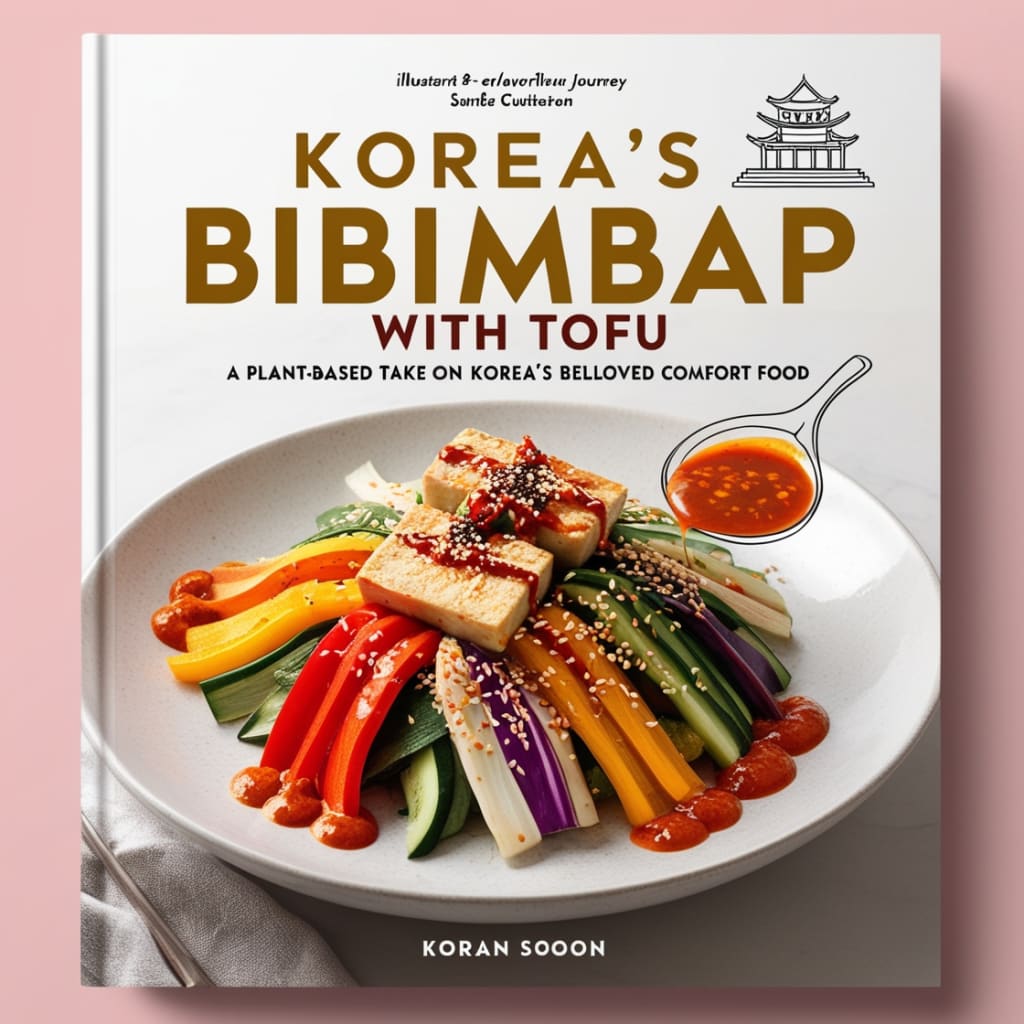
Korea’s Bibimbap with Tofu - A Plant-Based Take on Korea’s Beloved Comfort Food.
Discover how to create a vibrant, nutritious, and cruelty-free version of Korea’s iconic Bibimbap featuring crispy tofu, colorful vegetables, and rich gochujang sauce.
Introduction: A Korean Culinary Masterpiece Goes Vegan
Bibimbap is one of Korea’s most beloved dishes, cherished for its perfect balance of flavors, textures, and colors. Meaning "mixed rice," bibimbap typically consists of a bowl of warm rice topped with sautéed vegetables, a protein source (often beef or egg), and spicy gochujang (Korean red chili paste). The beauty of this dish lies in its harmony—each ingredient is carefully prepared and arranged before being mixed together, creating a symphony of flavors in every bite.
In recent years, the plant-based food movement has embraced bibimbap, creating delicious versions that are just as satisfying as the traditional ones. One of the most popular vegan alternatives features tofu as the protein of choice. Bibimbap with Tofu not only retains the essence of the original dish, but it also offers a healthy, cruelty-free option that is rich in protein, fiber, vitamins, and minerals. Whether you’re vegan, vegetarian, or simply looking for a healthier meal, this tofu-based bibimbap is the perfect introduction to Korean cuisine.
In this article, we’ll dive deep into the history of bibimbap, explore its health benefits, and provide a detailed step-by-step recipe for making your own Vegan Bibimbap with Tofu at home. Along the way, we’ll offer customization tips to help you adapt this iconic dish to your own tastes and dietary preferences.
1. The History and Cultural Significance of Bibimbap
Bibimbap has long been a symbol of Korean cuisine, with a history that dates back centuries. It is believed to have originated during the Joseon Dynasty (1392–1897) and was originally a simple dish made from leftover vegetables and rice, often served as a convenient meal. Over time, it evolved into a more elaborate dish, with regional variations showcasing different ingredients and preparation methods.
In Korean culture, bibimbap holds deep cultural significance. The dish is a reflection of Korean balance and harmony, both in terms of flavor and nutrition. Each element represents a different aspect of Korean culinary philosophy, from the contrasting textures to the balance of five colors: white (rice), green (vegetables), yellow (egg), red (gochujang), and black (seaweed or mushrooms). This concept of harmony extends to the flavors as well, with a combination of spicy, salty, savory, and sweet elements.
Bibimbap is also closely tied to Korean holidays and special occasions. In some regions, it is served during family gatherings or festivals as a way to celebrate abundance and the seasonal harvest. Its presentation—beautifully arranged with colorful vegetables and garnishes—makes it not only delicious but visually stunning.
While traditionally topped with meat or egg, modern adaptations of bibimbap cater to plant-based diets, showcasing how flexible and adaptable this dish can be. The tofu-based version is especially popular among those looking for a healthier, cruelty-free alternative, offering a high-protein, nutrient-dense meal without sacrificing flavor.
2. Why Choose Bibimbap with Tofu? The Health, Ethical, and Flavor Benefits
Vegan Bibimbap with Tofu offers all the richness and complexity of traditional bibimbap, but with several added benefits that make it a great choice for health-conscious eaters and those following a plant-based lifestyle.
a. Nutritional Powerhouse
By swapping out meat or egg for tofu, this version of bibimbap becomes a plant-based protein powerhouse. Tofu is rich in high-quality protein, calcium, iron, and essential amino acids, making it an excellent choice for vegans and vegetarians. Combined with the nutrient-dense vegetables typically found in bibimbap—like spinach, mushrooms, carrots, and bean sprouts—this dish provides a well-rounded and balanced meal.
b. Probiotics and Fermentation
An essential element of bibimbap is gochujang, the spicy, fermented chili paste that adds a punch of flavor to the dish. Fermented foods, like gochujang, are rich in probiotics, which promote gut health and support the immune system. Fermentation also helps develop complex, umami-rich flavors that elevate the overall taste of the dish.
c. Antioxidant-Rich Ingredients
The colorful array of vegetables in bibimbap isn’t just for aesthetic appeal. These vibrant ingredients are packed with antioxidants, which help combat oxidative stress and reduce inflammation in the body. For example, carrots are high in beta-carotene, spinach provides a wealth of vitamin K, and mushrooms are an excellent source of B vitamins and selenium.
d. Heart-Healthy and Low in Saturated Fat
Traditional bibimbap, especially versions made with beef, can be high in saturated fat. By using tofu instead, you lower the saturated fat content of the dish, making it more heart-friendly. Tofu is also cholesterol-free, which further supports cardiovascular health.
e. Ethical and Environmentally Sustainable
Choosing tofu as the main protein source not only supports a cruelty-free lifestyle, but it’s also more sustainable for the environment. The production of tofu has a significantly smaller carbon footprint compared to meat production, as it requires fewer resources like water and land. By choosing plant-based options like tofu, you’re contributing to a more sustainable and eco-friendly food system.
3. Key Ingredients for Vegan Bibimbap with Tofu
Creating the perfect Vegan Bibimbap with Tofu starts with selecting the right ingredients. Below are the key components that bring together the complex flavors and textures of this beloved dish.
a. Tofu (Firm or Extra-Firm)
Tofu is the star of the vegan version of bibimbap. Opt for firm or extra-firm tofu, which holds its shape well when cooked and develops a delightful crispness when pan-fried. Tofu acts as a blank canvas, absorbing the flavors of the marinade or sauce, making it a perfect protein alternative for this dish.
b. Rice (Steamed White or Brown Rice)
The base of bibimbap is always a bowl of steamed rice. While white rice is traditional, you can substitute it with brown rice for added fiber and a nutty flavor. The rice acts as the foundation of the dish, soaking up the delicious flavors of the vegetables, tofu, and gochujang sauce.
c. Vegetables
Bibimbap is known for its variety of colorful vegetables, each prepared with care. Here are some common vegetable choices:
- Spinach: Lightly sautéed or blanched, spinach adds a green, earthy flavor to the bowl.
- Carrots: Julienned and sautéed, carrots bring a hint of sweetness and crunch.
- Zucchini: Sliced thin and stir-fried, zucchini adds a mild, fresh flavor.
- Bean Sprouts: Blanched bean sprouts add a delicate crunch and subtle flavor.
- Mushrooms (Shiitake or Button): Sautéed mushrooms provide umami richness and a hearty texture.
- Cucumber: Fresh cucumber slices offer a cooling, crisp contrast to the cooked ingredients.
d. Gochujang (Korean Chili Paste)
Gochujang is a spicy, fermented chili paste that’s integral to the bibimbap experience. It adds heat, depth, and a touch of sweetness, making it the perfect sauce to tie all the ingredients together. You can adjust the spiciness by using more or less gochujang, depending on your preference.
e. Sesame Oil and Seeds
Sesame oil is a must in bibimbap, imparting a nutty, aromatic flavor that elevates the dish. A drizzle of toasted sesame oil adds a rich depth of flavor, while toasted sesame seeds provide a crunchy garnish and enhance the overall taste.
f. Kimchi (Optional but Recommended)
While not always included, a side of kimchi (fermented cabbage) is a common accompaniment to bibimbap. Kimchi brings a tangy, spicy, and probiotic-rich element to the dish, complementing the richness of the other ingredients.
4. Step-by-Step Recipe for Vegan Bibimbap with Tofu
Now that we’ve gone over the essential ingredients, it’s time to dive into making Vegan Bibimbap with Tofu. This step-by-step guide will walk you through the preparation of each component, ensuring that your bibimbap is flavorful, nutritious, and beautifully presented.
Ingredients:
- 1 block (14-16 oz) firm or extra-firm tofu, pressed and cubed
- 1 cup short-grain white rice (or brown rice)
- 1 cup spinach, blanched
- 1 medium carrot, julienned
- 1 small zucchini, julienned
- 1/2 cup bean sprouts, blanched
- 4-5 shiitake mushrooms, sliced
- 1 small cucumber, thinly sliced
- 2 tablespoons gochujang (Korean chili paste)
- 1 tablespoon soy sauce or tamari (for gluten-free option)
- 2 teaspoons toasted sesame oil
- 1 tablespoon
sesame seeds
- 2-3 cloves garlic, minced
- Salt and pepper, to taste
- Cooking oil for frying tofu
Instructions:
1. Cook the Rice:
- Rinse the rice under cold water until the water runs clear. Cook according to package instructions, typically around 15-20 minutes. Once done, fluff the rice and set it aside, keeping it warm.
2. Prepare the Tofu:
- Press the tofu to remove excess moisture, then cut it into bite-sized cubes. Season the tofu with salt and pepper. Heat a skillet over medium heat with a small amount of oil, then pan-fry the tofu until it’s golden and crispy on all sides. Set aside.
3. Sauté the Vegetables:
- In the same skillet, lightly sauté the carrots, zucchini, mushrooms, and spinach separately, seasoning each with a pinch of salt and a drizzle of sesame oil. The vegetables should be tender but still vibrant.
4. Blanch the Bean Sprouts:
- Blanch the bean sprouts in boiling water for 1-2 minutes, then rinse them under cold water to stop the cooking process. Drain well.
5. Assemble the Bibimbap:
- Divide the cooked rice into individual bowls. Arrange the sautéed vegetables, blanched bean sprouts, crispy tofu, and cucumber slices on top of the rice in a circular pattern for a visually appealing presentation.
6. Add the Gochujang:
- Place a generous spoonful of gochujang in the center of the bowl. Drizzle with sesame oil and sprinkle with toasted sesame seeds.
7. Mix and Serve:
- Just before eating, mix everything together thoroughly to combine the flavors. Serve with additional gochujang on the side for extra heat if desired.
5. Customization Tips: Making Bibimbap Your Own
One of the great things about bibimbap is its versatility. You can easily tailor the dish to suit your personal taste or dietary restrictions. Here are some tips for customizing your bibimbap:
- Vegan Bibimbap with Tempeh: If you prefer tempeh over tofu, you can marinate and fry tempeh for a different texture and a nutty flavor.
- Gluten-Free Option: Ensure that your gochujang and soy sauce are gluten-free by checking labels carefully or substituting tamari for soy sauce.
- Grain Alternatives: For a lower-carb option, try using cauliflower rice or quinoa instead of regular rice.
- Different Vegetables: Feel free to swap out the traditional vegetables for your favorites. Try roasted sweet potatoes, bell peppers, or kale for a unique twist.
- Raw Veggies: If you prefer more raw elements in your bowl, leave some vegetables like cucumber and carrots uncooked for added crunch and freshness.
6. Health Benefits of Vegan Bibimbap with Tofu
The combination of tofu, vegetables, and fermented condiments in this plant-based bibimbap offers numerous health benefits. Here’s why it’s a nutritious choice:
a. Rich in Plant-Based Protein
The tofu in this dish provides a high-quality source of protein, containing all nine essential amino acids. Protein is crucial for building and repairing tissues, supporting muscle growth, and maintaining overall health.
b. Packed with Fiber and Vitamins
The variety of vegetables in bibimbap delivers a broad spectrum of essential nutrients, including fiber, vitamins A, C, K, and folate. These nutrients support digestive health, immune function, and overall well-being.
c. Boosts Gut Health with Probiotics
Thanks to the gochujang and optional kimchi, bibimbap contains probiotics, which promote a healthy gut microbiome. A balanced gut can improve digestion, boost immunity, and even enhance mental health.
d. Low in Saturated Fat
By using tofu and eliminating animal products, this version of bibimbap is lower in saturated fat, making it a heart-healthy choice. Studies have shown that reducing saturated fat intake can help lower cholesterol levels and reduce the risk of heart disease.
e. Rich in Antioxidants
The vegetables and condiments used in bibimbap are loaded with antioxidants, which help fight free radicals and reduce oxidative stress in the body. This can lower the risk of chronic diseases and support healthy aging.
7. Serving Suggestions: Creative Ways to Enjoy Bibimbap with Tofu
While bibimbap is traditionally enjoyed as a mixed rice bowl, there are plenty of creative ways to serve this dish for variety. Here are some ideas:
- Bibimbap Lettuce Wraps: Serve the tofu and vegetables in lettuce leaves for a fun, low-carb alternative.
- Bibimbap Burritos: Wrap the bibimbap components in a large tortilla for a fusion-style meal on the go.
- Bibimbap Bowl: For a grain-free option, layer the ingredients over a bed of mixed greens for a refreshing bibimbap salad.
- Bibimbap Sushi Rolls: Use the tofu, veggies, and rice as fillings for sushi rolls with a twist.
- Baked Bibimbap Casserole: Layer the tofu, vegetables, and rice in a baking dish, top with gochujang, and bake for a bibimbap-inspired casserole.
Conclusion: A Vibrant, Nutritious, and Delicious Plant-Based Meal
Vegan Bibimbap with Tofu offers a perfect balance of flavors, textures, and nutrition, making it an ideal meal for any occasion. Whether you’re new to Korean cuisine or a seasoned fan, this plant-based take on bibimbap provides all the satisfaction of the traditional dish while offering health benefits, sustainability, and ethical eating. Packed with protein, fiber, and antioxidants, bibimbap with tofu is a delicious way to enjoy a wholesome, vibrant, and cruelty-free meal that pays homage to Korea’s rich culinary heritage.
So, gather your ingredients, get creative with your toppings, and enjoy the bold, fresh flavors of Vegan Bibimbap with Tofu—a dish that’s as nourishing for the body as it is satisfying for the soul.
About the Creator
Md Obydur Rahman
Md Obydur Rahman is a passionate Story and Content Writer, known for crafting engaging narratives that resonate with readers. He skillfully weaves emotion and realism, bringing characters and stories to life.
Keep reading
More stories from Md Obydur Rahman and writers in Feast and other communities.
Japanese Miso Soup - A Traditional Japanese Comfort Food with a Nutritional Boost
Japanese Miso Soup - A Traditional Japanese Comfort Food with a Nutritional Boost Discover the Flavors and Health Benefits of Japan's Beloved Miso Soup – A Vegan Twist on a Classic Dish
By Md Obydur Rahmanabout a year ago in Feast
My Tous les Jours Trip
As someone who lives in a rural area, I don't get the chance to visit fancy restaurants or bakeries that often. So, when a friend told me about a French-Asian bakery that's less than an hour away, I knew I had to check it out and grab some pictures for social media. Tous les Jours ended up providing an immersive experience that went above and beyond my expectations--although I did leave with a few reservations.
By Kaitlin Shanks23 days ago in Feast
North America Pasta Market Size & Forecast 2025–2033
Introduction Pasta has quietly transformed from a traditional Italian staple into a universal comfort food across North America. Once associated mainly with classic recipes and home cooking, it now appears in gourmet menus, meal kits, microwaveable bowls, and plant-based diets. According to Renub Research, the North America pasta market was valued at US$ 6.23 billion in 2024 and is projected to reach US$ 8.91 billion by 2033, expanding at a CAGR of 4.05% from 2025 to 2033.
By Janine Root 7 days ago in Feast



Comments
There are no comments for this story
Be the first to respond and start the conversation.