
Is Sourdough Bread Gluten Free?
If you've ever wondered, "Is sourdough gluten free?" you're not alone.

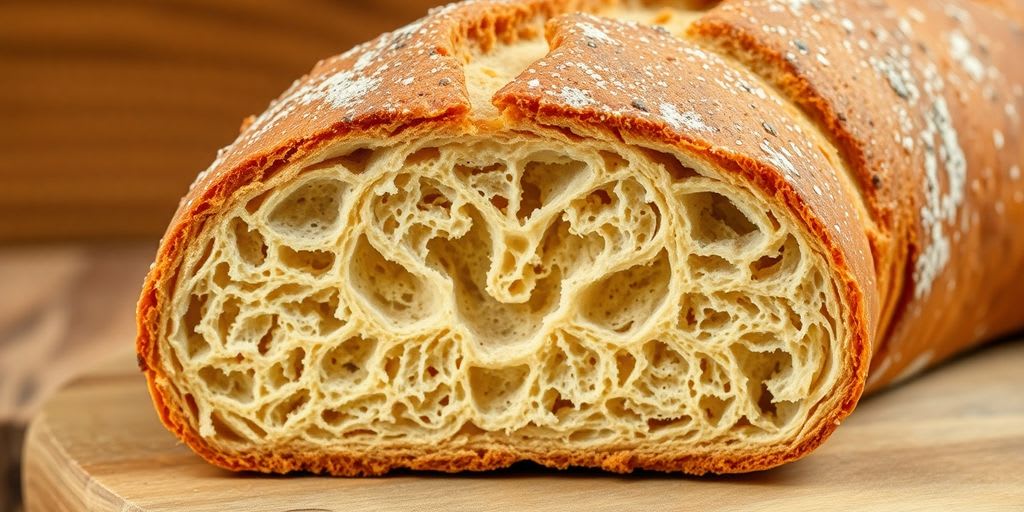
Many people are curious about this popular bread, especially those with gluten sensitivities or celiac disease.
Sourdough has gained a reputation for being easier to digest, but does that mean it’s safe for those avoiding gluten? Let's break it down.
Key Takeaways
- Regular sourdough bread is not gluten-free.
- The fermentation process reduces gluten, but it doesn't eliminate it.
- People with celiac disease should avoid traditional sourdough.
- Gluten-free sourdough can be made with gluten-free ingredients.
- Always check labels or make your own to ensure safety.
Is Sourdough Bread Gluten-Free?
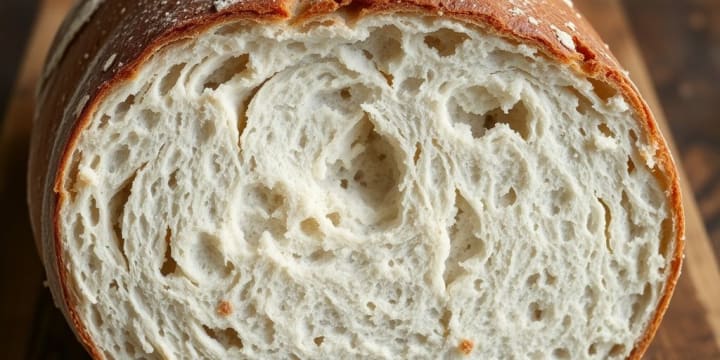
So, you're wondering if sourdough bread is safe if you're avoiding gluten? Let's get straight to the point: regular sourdough bread is generally not gluten-free.
I know, it's a bummer. There's a lot of talk out there, and some of it can be misleading.
See, sourdough bread uses a starter, which is basically a fermented mix of flour and water.
This fermentation process does break down some of the gluten, but it doesn't eliminate it. Think of it like this: it might have less gluten than your average loaf, but it's still not in the clear for those who need to be super careful.
Even though the fermentation process in sourdough can reduce the amount of gluten, it's usually not enough to meet the standards for gluten-free food.
So, if you have celiac disease or a serious gluten sensitivity, it's best to steer clear of traditional sourdough unless it's specifically made with gluten-free ingredients.
Some studies have even tested sourdough breads and found that they still contain more than 20 parts per million (ppm) of gluten, which is the limit for something to be labeled "gluten-free" in the US. So, always double-check labels and be cautious!
What is The Sourdough Making Process?
Okay, so you're curious about how sourdough is actually made? It's way more interesting than your average loaf of bread.
Forget those mass-produced, sliced things – sourdough is a whole different ballgame. It's a slow, traditional method, and honestly, it's kind of magical.
First off, you start with just flour and water. That's it! But here's where the magic happens: you let this mixture ferment.
Wild yeast, natural bacteria, and other microorganisms, just floating around in the air, get to work. This creates what's called a starter.
Think of it as the heart and soul of your sourdough. You have to keep feeding it regularly – adding more flour and water – for a few days until it's bubbly and active. It's like having a little pet that you bake with.
Once your starter is ready, you mix it with more flour and water to make your dough. Then, you let it ferment for a long time, usually anywhere from 12 to 24 hours.
Compare that to regular bread, which can be made in just a few hours! This long fermentation is what gives sourdough its unique flavor and texture.
The cool thing about this process is that the wild yeast and bacteria actually start breaking down the carbohydrates and proteins in the flour before you even bake it. This is why some people find sourdough easier to digest. It's like the bread is pre-digesting itself!
- So, to recap, here's a simplified version:
- Mix flour and water to create a starter.
- Feed the starter regularly for several days.
- Combine the starter with more flour and water to make dough.
- Let the dough ferment for 12-24 hours.
Bake and enjoy!
It sounds simple, but there's definitely an art to it. The temperature, humidity, and even the type of flour you use can all affect the final product. But that's part of the fun! You can find many recipes online to get started.
Can Gluten Free People Eat Sourdough?

So, can you, a gluten free person, enjoy sourdough? It's a tricky question. The short answer is: they cannot.
Regular sourdough, made with wheat flour, is generally not safe. The fermentation process can reduce gluten content, but not enough to meet gluten-free standards.
While some believe the fermentation makes sourdough easier to digest, it doesn't eliminate gluten entirely. Also eating it can rise issues for people with irritable bowel syndrome.
Think of it this way:
- Traditional sourdough uses wheat flour.
- Fermentation breaks down some gluten.
- But it doesn't remove all of it.
The amount of gluten left can still be too high for those with celiac disease or gluten intolerance.
Sourdough bread often contains too much gluten for those with celiac disease.
Some studies have tested artisanal wheat-based sourdough breads, and the gluten levels were above the limit for gluten-free labeling. That limit is less than 20 parts per million (ppm) of gluten.
However, there's hope! Gluten-free sourdough bread exists. It's made with gluten free flours like rice flour, tapioca flour, or a blend of gluten free ingredients.
If you see a sourdough bread labeled "gluten free," it should be safe to eat, but always double-check the ingredients to be sure.
Or else there are better options for gluten free breads.
How To Make Gluten Free Sourdough Bread?
Okay, so you're ready to bake some gluten-free sourdough? The key is to start with a good gluten-free sourdough starter. Once you have that bubbling away, the rest is pretty straightforward.
First off, remember that patience is your best friend here. Sourdough, even the gluten-free kind, takes time. Don't rush the process, and you'll be rewarded with a delicious loaf. The fermentation process is key to that signature sourdough tang and texture.
Making gluten-free sourdough is a bit of an experiment, so don't be discouraged if your first loaf isn't perfect. Keep tweaking the recipe and process until you find what works best for you.
Here's a basic outline to get you started:
- Mix the dough: Combine your active starter with gluten free flour, water, and salt. You might need to add a binder like xanthan gum, depending on your flour blend.
- Bulk fermentation: Let the dough rise in a bowl, covered, for several hours. This is where the magic happens! You'll see bubbles forming as the dough ferments.
- Shape and proof: Gently shape the dough into a round or oblong loaf and place it in a proofing basket lined with parchment paper. Let it rise again in the fridge overnight.
- Bake: Preheat your oven with a Dutch oven inside. Carefully place the loaf into the hot Dutch oven, score the top, and bake until golden brown and crusty.
- Cool: Let the bread cool completely on a wire rack before slicing and enjoying. This is important, or it will be gummy inside!
It's a bit of a process, but totally worth it for that amazing sourdough bread taste and texture. Good luck, and happy baking!
Final Thoughts on Sourdough and Gluten
So, here’s the bottom line: regular sourdough bread isn’t gluten-free.
Even though the fermentation process can lower the gluten content a bit, it’s still not safe for anyone with celiac disease or gluten sensitivity.
If you’re looking for breads for your gluten free diet, you’ll need to either stick to breads made with gluten-free ingredients OR make your gluten free sourdough at home, but just remember to use the right flours (made from grains like buckwheat, teff, millet, rice, sorghum).
Frequently Asked Questions About Sourdough
Is sourdough bread gluten-free?
No, regular sourdough bread is not gluten-free. It still contains gluten, which can be harmful for people with celiac disease.
What makes sourdough bread different from regular bread?
Sourdough bread is made using a starter that ferments flour and water. This process gives it a unique taste and texture.
Can people with gluten intolerance eat sourdough bread?
People with non-celiac gluten sensitivity should avoid sourdough bread made from wheat, as it still has gluten.
How does fermentation affect gluten in sourdough?
Fermentation can reduce the amount of gluten, but it doesn't remove it completely, so it's not safe for those with celiac disease.
What is gluten-free sourdough bread?
Gluten-free sourdough bread is made using gluten-free flours (made from grains like buckwheat, teff, millet, rice, sorghum) and ingredients, making it safe for those who can't eat gluten.
How can I make gluten-free sourdough bread?
To make gluten-free sourdough, use gluten-free flour (made from grains like buckwheat, teff, millet, rice, sorghum), water, and salt to create a starter and follow a recipe specifically for gluten-free bread.
Are there gluten-free sourdough starter brands?
Yes, there are brands like King Arthur and Bob's Red Mill that offer gluten-free sourdough starters.
Why is sourdough bread sometimes considered healthier?
Some believe sourdough is easier to digest due to fermentation, and it is an excellent source of antioxidants. It fits right into a well-balanced diet for suited people.
About the Creator
Thakur S
I am curious individual who likes to write and share stuff around range of topics. Personally I would love to share any information through my vocal media content consistently to my loving readers.
Eat During Chinese New Year
The Chinese New Year feast is traditionally abundant with meat dishes, but these 15 vegetarian recipes prove that plant-based eating can be just as festive, flavorful, and meaningful. Each dish carries auspicious symbolism while delivering incredible taste that will have everyone reaching for seconds—even the meat lovers at your table. From crisp greens to creative vegetable transformations, these recipes are designed to impress.
By yue . shuia day ago in Feast
Magic
Note from the Author: I want to let you know that this is an unusual story, and it has been written purely from whatever is in my unconscious mind, because before I start writing, I get into a flow state that reaches my unconsciousness. I also write in my subconscious mind, which is like a mid-flow state between the conscious and unconscious mind.
By Denise Larkin6 days ago in Fiction




Comments
There are no comments for this story
Be the first to respond and start the conversation.