
How Many Minutes Should You Steam Buns? Master These 4 Key Techniques for Plump, Snow-White, Fluffy, and Delicious Results
How Many Minutes Should You Steam Buns? Master These 4 Key Techniques for Plump, Snow-White, Fluffy, and Delicious Results
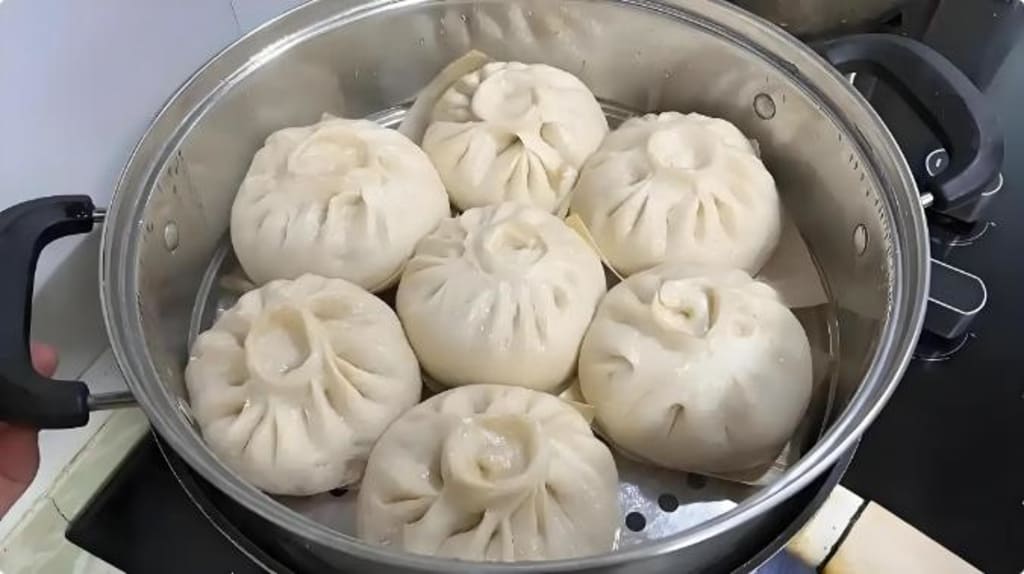
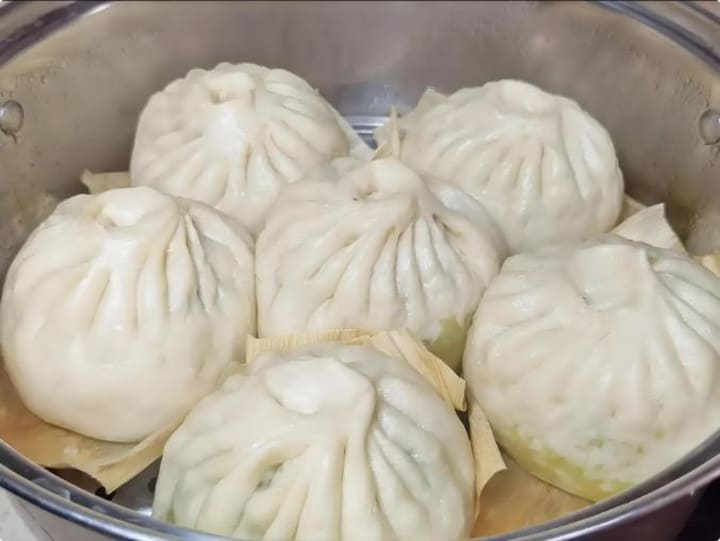
Freshly steamed buns emerge from the pot glossy and moist, as fluffy as clouds. One bite releases a burst of savory juices—so irresistible that kids can devour three in one go! Achieving perfectly soft and delicious steamed buns, however, hinges on mastering the delicate art of timing and technique. That critical "breath of steam" during those fleeting minutes in the steamer makes all the difference.
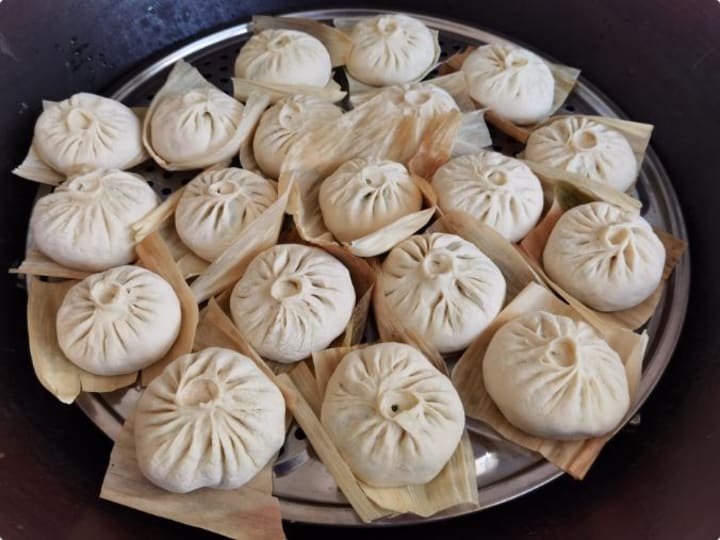
Timing Is Everything
For standard-sized meat-filled buns, begin timing once cold water reaches a boil. Steam for 15–20 minutes to ensure thorough cooking. For vegetable fillings or smaller buns, 12–15 minutes suffices. If using frozen raw buns, add 3–5 extra minutes. Undercooking leaves the filling raw, while overcooking turns the wrapper tough, chewy, and yellowish.
Four Non-Negotiable Techniques for Perfect Buns
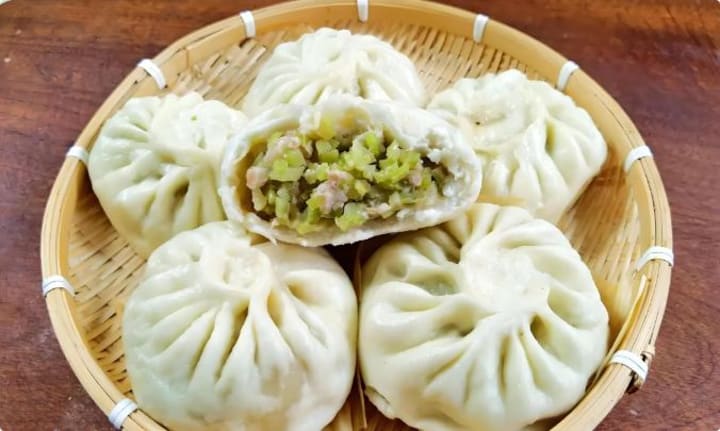
1. The Final Rise: Second Proofing Is Crucial!
Never rush buns into the steamer after shaping. Let them rest in the steamer basket (lined with cloth) for 15–20 minutes for a final proof. They’re ready when visibly plumper, lighter to the touch, and slowly spring back when gently poked. This resting phase ensures proper aeration.
Science Insight: This allows yeast to produce gas, creating an airy structure. Skipping it yields dense, gummy buns.
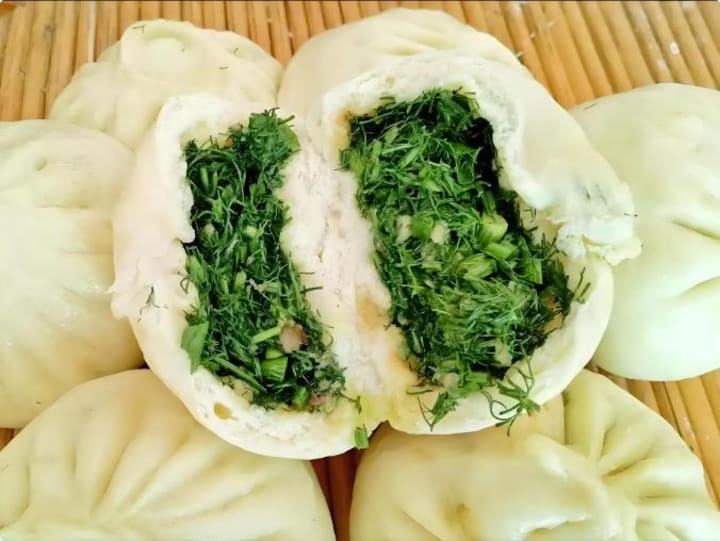
2. Steam Power: Consistent Medium-High Heat!
After water boils, maintain steady medium-high heat throughout steaming. Low heat saps momentum, preventing proper rise and leaving buns sticky. Excessive high heat causes violent steam bursts that rupture the wrapper ("blowouts"). Steady, robust steam provides the ideal "lift."
Pro Tip: Use a heavy-bottomed pot for even heat distribution and monitor water levels to prevent drying.
3. The Critical Rest: Hold That Steam!
Turning off the heat doesn’t mean they’re done! Immediately opening the lid invites a rush of cool air, shocking the buns and causing instant collapse (wrinkled, deflated). Always let buns sit covered for 5 minutes post-steaming. This allows gradual temperature and humidity adjustment, setting their shape. These 5 minutes are the "golden window" for plump, smooth buns.
Why It Works: The residual heat finishes cooking while stabilizing the internal structure.
4. Shield from Drips: Protect the "Snow Skin"!
Condensation dripping from the lid is the nemesis of perfect buns, causing unsightly yellow spots or dents. Two foolproof solutions:
• Absorbent Lining: Tightly wrap the lid’s inner surface with a clean, damp cotton or cheesecloth before steaming. This traps droplets.
• Steam Vent: Slightly offset the lid to create a small steam escape gap.
Material Matters: Bamboo steamers naturally absorb moisture and are highly recommended.
Perfecting Pork & Fennel Filling
1. Season & Hydrate Meat:
Place ground pork in a bowl. Add light soy sauce, dark soy sauce, oyster sauce, minced ginger, and optional Sichuan pepper powder. Whisk vigorously in one direction until combined. Hydration is key: Gradually incorporate cold, strained scallion-ginger-peppercorn broth in 3-4 batches. After each addition, whisk forcefully in one direction until fully absorbed and the paste becomes sticky, glossy, and slightly stringy.
Broth Prep: Simmer scallions, ginger, and peppercorns in water for 15 mins; chill completely.
2. Prepare Fennel:
Wash fennel thoroughly, shake dry, and finely chop. Crucial step: Toss chopped fennel with 1 tablespoon sesame oil before mixing into meat. This oil coating seals moisture within the greens.
3. Combine & Season:
Only just before wrapping, mix the sesame-oil-coated fennel and chopped scallions into the meat. Add salt last to prevent fennel from releasing water prematurely. Mix gently but thoroughly.
The Reward:
Imagine biting into a bun—the wrapper, impossibly soft and yielding, gives way to a gush of piping-hot, aromatic broth infused with fennel’s distinctive licorice-like fragrance. This humble yet profound pleasure embodies patient mastery and the deeply comforting warmth of home cooking. Don’t be intimidated by the techniques. Practice them, and soon you’ll proudly present a basket of envy-inducing, flawlessly plump dumplings—your own delicious testament to tradition and skill.
Expanded Insights for Success
• Flour Matters: Use medium-gluten flour (all-purpose or bao flour) for the ideal balance of softness and structure. Protein content around 10-11% is optimal.
• Yeast Activation: Ensure your yeast is fresh. Proof it in warm water (105-115°F/40-46°C) with a pinch of sugar before adding to flour for guaranteed rising power.
• Kneading Thoroughly: Knead dough until very smooth and elastic (windowpane stage). This develops gluten, essential for trapping gas and supporting the bun's structure during steaming.
• Filling Temperature: Keep filling chilled until ready to wrap. Cold fat solidifies, preventing leaks and ensuring juicy pockets post-steaming.
• Steamer Setup: Ensure water level is adequate (but not touching the basket) and boiling steadily before placing buns in. Use parchment liners with holes or well-wetted cloth to prevent sticking.
• Avoid Overcrowding: Leave ample space (1-1.5 inches) between buns in the steamer. They expand significantly during proofing and steaming.
• Troubleshooting Wrinkles: Wrinkled tops usually indicate insufficient final proofing, too-rapid cooling (lid opened early), or dough that’s too dry. Ensure proper hydration and proofing time.
• Reheating Leftovers: Refresh leftover buns by briefly re-steaming (5-8 mins) or sprinkling with water and microwaving covered for 20-30 seconds. Avoid dry reheating methods.
Mastering these nuances transforms steaming from a simple task into an art form, yielding buns that are not just food, but edible proof of culinary dedication.
About the Creator
My Tous les Jours Trip
As someone who lives in a rural area, I don't get the chance to visit fancy restaurants or bakeries that often. So, when a friend told me about a French-Asian bakery that's less than an hour away, I knew I had to check it out and grab some pictures for social media. Tous les Jours ended up providing an immersive experience that went above and beyond my expectations--although I did leave with a few reservations.
By Kaitlin Shanks24 days ago in Feast
Global Lobster Market Size & Forecast 2025–2033
Introduction: From Coastal Delicacy to Global Commodity Once considered a regional delicacy enjoyed primarily along rugged coastlines, lobster has evolved into a symbol of premium dining across the globe. From high-end restaurants in Europe and North America to luxury hotel menus in Asia and the Middle East, lobster has secured its place as one of the most sought-after seafood products worldwide. What was once a niche culinary offering has become a dynamic global market shaped by changing consumer preferences, expanding international trade, and increasing attention to sustainability.
By Renub Research5 days ago in Feast




Comments
There are no comments for this story
Be the first to respond and start the conversation.