
How Long Does Flour Last in Mylar Bags – Safety First
Discover how long flour lasts in Mylar bags and how to safely extend its shelf life using oxygen absorbers, buckets, and even sustainable options like mushroom packaging bags.

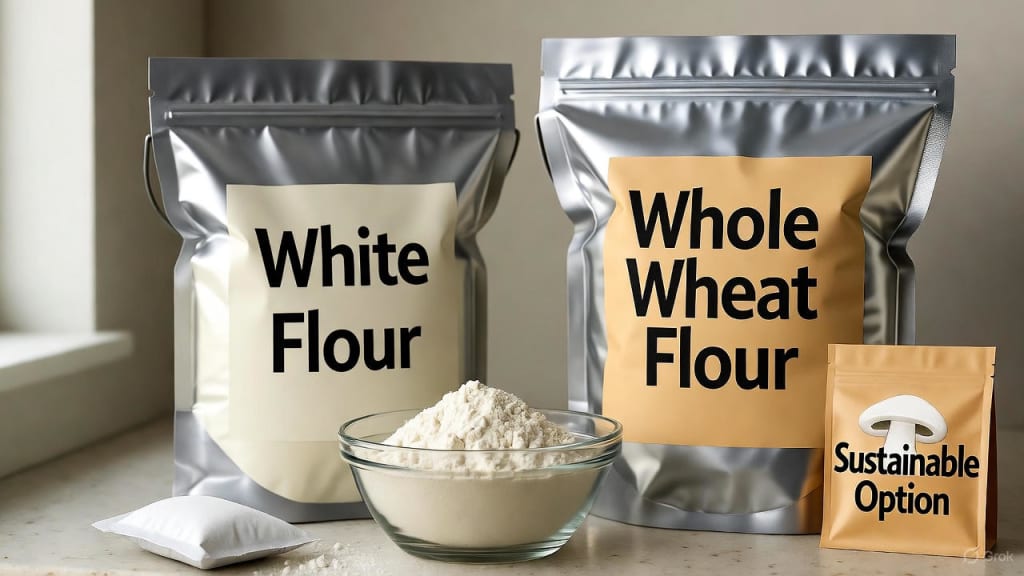
Flour is one of the most essential ingredients in every kitchen, but it doesn’t stay fresh forever. When stored improperly, it can spoil quickly due to moisture, pests, or exposure to air. That’s where Mylar bags come in — a reliable solution for long-term flour storage. These specialized bags block out air, light, and insects, dramatically extending the shelf life of flour compared to regular packaging.
In this guide, you’ll learn how long flour can last in Mylar bags, how to store it safely, and a few expert tips to keep your flour fresh for years.
Shelf Life of Flour in Mylar Bags
When stored with oxygen absorbers in Mylar bags, flour can last up to 10–15 years under ideal conditions. Refined white flour generally keeps longer than whole wheat flour because it has fewer natural oils that can turn rancid.
- White flour: lasts about 10–15 years
- Whole wheat flour: lasts around 5–10 years

This is a massive improvement compared to flour in standard paper or plastic packaging, which typically lasts only 6–12 months.
Why Mylar Bags Work So Well
Mylar bags are designed to block oxygen, light, and moisture—the main factors that cause flour to spoil. When paired with oxygen absorbers, they create an environment that’s inhospitable to bacteria, mold, and insects. That’s why preppers, bakers, and households trust Mylar storage for keeping dry foods safe over the long haul.
Small Mylar bags are also practical for portioning. You can divide your flour into smaller, ready-to-use amounts so you only open what you need, keeping the rest sealed and protected.
How to Store Flour Long-Term in Mylar Bags
Proper sealing makes all the difference. Here’s a simple step-by-step process:
- Choose the right Mylar bag size.
- Fill it with clean, dry flour — leaving a little space at the top.
- Add oxygen absorbers (300–500cc for a 1-gallon bag).
- Seal the bag tightly with a heat sealer or hot iron.
- Store the sealed bags in a cool, dark, and dry location.
- For extra protection, place the sealed bags in a bucket or sturdy container to prevent punctures.

Storing Flour with Oxygen Absorbers
Oxygen absorbers are crucial for long-term storage. They reduce oxygen levels inside the bag to below 0.1%, which prevents spoilage and deters pests. Using too few absorbers can make storage less effective, but using a bit more won’t hurt.
Best Way to Preserve Flour in Mylar Packaging
For maximum protection, combine Mylar bags with storage buckets. This double layer shields the flour from both air and physical damage — keeping rodents, moisture, and sunlight out.
If you’re passionate about sustainable living, you can even explore mushroom packaging bag options — an eco-friendly alternative made from mycelium that aligns with green storage and packaging trends. It’s a great way to keep your pantry sustainable while maintaining food safety.
Buying Mylar bags wholesale is also a smart move if you store flour in bulk. It ensures you always have fresh bags and oxygen absorbers ready for use.
Does Flour Go Bad in Mylar Bags?
Yes, but only if stored incorrectly. Excessive heat, humidity, or punctured bags can reduce the shelf life. Keep flour in a cool, dark space below 70°F (21°C). If you notice any odd smells, clumping, or discoloration, it’s best to discard it.
White Flour vs. Whole Wheat Flour Storage
Whole wheat flour doesn’t last as long as white flour because of its higher oil content.
- White flour: 10–15 years in Mylar
- Whole wheat flour: 5–7 years in Mylar
Keeping them in oxygen-free, temperature-stable environments will help you get the longest possible shelf life.
Medium-Term Food Storage with Mylar Bags
Mylar bags aren’t just for long-term storage — they’re great for medium-term use too. If you plan to keep flour for 1–2 years, Mylar still outperforms regular packaging. It’s also perfect for other dry foods like rice, oats, beans, or sugar. Flour works especially well because it’s lightweight, dry, and easy to seal.
Tips to Extend Flour Shelf Life
To get the most out of your stored flour:
- Keep it in a cool, dry, and dark environment.
- Avoid storing near ovens or direct sunlight.
- Label each bag with the type of flour and storage date.
- Rotate your stock — use the oldest first.
- Invest in custom Mylar bags or other high-quality packaging for better protection.
Final Thoughts
Flour won’t last forever, but storing it in Mylar bags with oxygen absorbers can keep it fresh for years. White flour can last up to 15 years, while whole wheat flour stays good for about 7 years when stored correctly.
Pair Mylar storage with airtight buckets (and even consider eco-friendly innovations like mushroom-based packaging) for the safest, longest-lasting results. Whether you’re prepping for emergencies or simply cutting down on food waste, this method ensures your flour stays fresh, safe, and ready to use whenever you need it.
About the Creator
Cristina Baker
I’m Cristina Baker, a business and market expert with 8+ years of experience helping brands and entrepreneurs grow. I share insights, strategies, and ideas that inspire growth, spark curiosity, and turn challenges into actionable results.
Keep reading
More stories from Cristina Baker and writers in Feast and other communities.
Rich People's Palates: Burgers That Cost More Than Rent
Who doesn’t love a good hamburger? It’s one of my favorite foods, whether I prepare one at home or hit up the nearest drive-thru. Now and again, I splurge and treat myself to one of the fancy $20 burgers from Five Guys, like I have Lil’ Wayne money and am not checking my balance before merging into the line.
By Criminal Matters2 days ago in Feast
Smart Storage Solutions for Fresh Ingredients
You know that moment. You buy fresh veggies, fruits, maybe some herbs, get all excited to cook, and then…bam. Two days later, half of it’s limp, brown, or just sad. Frustrating, right? Makes you wonder why you even bother sometimes. But keeping food fresh? Honestly, it’s not that hard. A few small tricks go a long way. Even using to go food containers for restaurants at home can make a huge difference. They’re airtight, stackable, and somehow make your fridge feel…less like chaos. Weirdly, it works. And once you get used to it, it feels almost effortless.
By Jessica Socheskia day ago in Feast



Comments
There are no comments for this story
Be the first to respond and start the conversation.