
Here are 3 "Brain-Boosting Dishes" to Feed Your Kids More Often—Rich in Zinc for Better Memory and Sharper Minds, the More They Eat, the Smarter They Get!
Here are 3 "Brain-Boosting Dishes" to Feed Your Kids More Often—Rich in Zinc for Better Memory and Sharper Minds, the More They Eat, the Smarter They Get!
Without a solid nutritional foundation, every step of a child’s growth is like walking on loose sand—unsteady and shaky. Zinc, this seemingly insignificant trace element, happens to be the key "engineer" for brain development and memory enhancement in children. When a child’s body lacks sufficient zinc reserves, the chains of memory can loosen, and the gears of thought may turn more slowly. Today, I’m sharing three homemade "brain-boosting dishes" made with easily accessible ingredients and simple methods to help your child grow sharper with every bite!
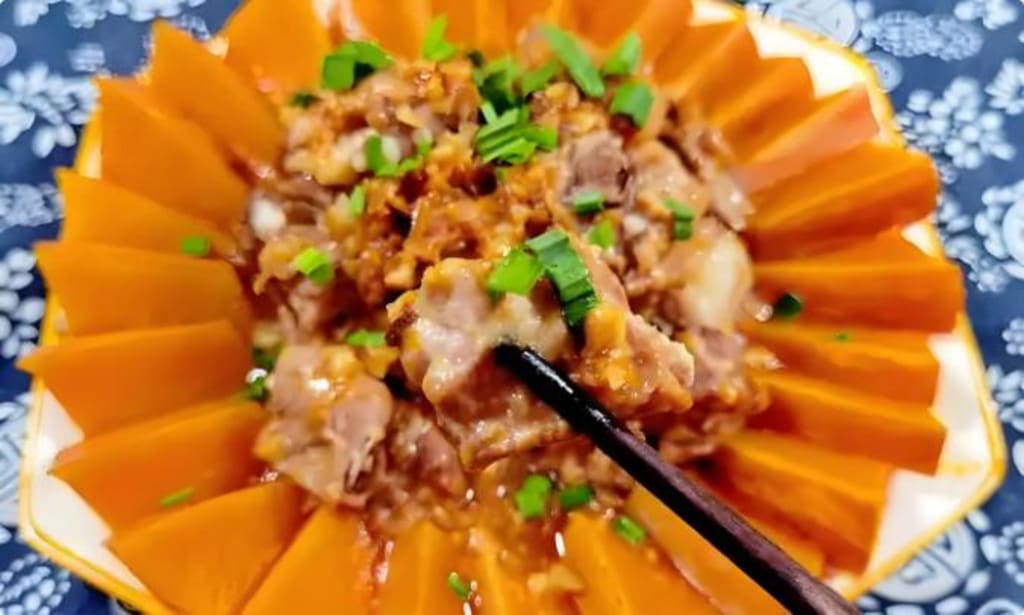
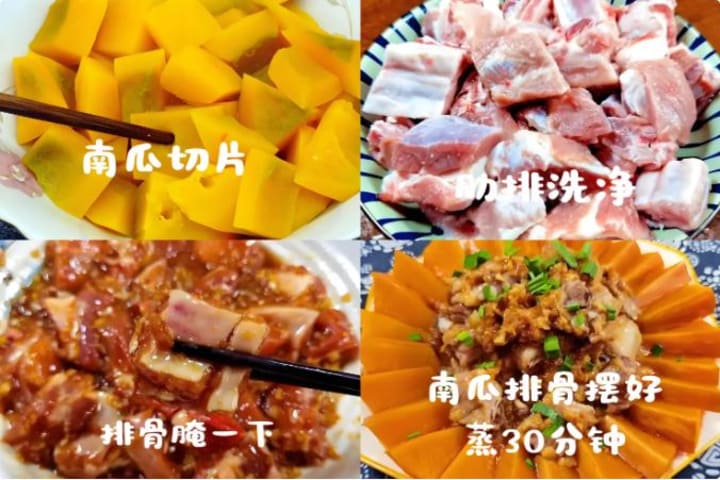
1. Steamed Pork Ribs with Garlic and Pumpkin
Method:
1. Cut the pork ribs into small pieces, soak them in clean water for half an hour to remove blood, then drain. Add minced garlic, minced ginger, one tablespoon of light soy sauce, half a tablespoon of oyster sauce, a little cooking wine, a pinch of sugar, a small pinch of salt, and one tablespoon of cornstarch. Mix well, then drizzle a little oil to lock in moisture and marinate for at least 20 minutes.
2. Peel and deseed the pumpkin, then cut it into thick slices and arrange them at the bottom of a deep plate.
3. Evenly place the marinated pork ribs on top of the pumpkin slices.
4. Bring water in a steamer to a boil, then place the plate inside. Steam over medium-high heat for about 30–40 minutes until the ribs are tender and easily fall off the bone, and the pumpkin is fully cooked.
Pork ribs provide high-quality protein and easily absorbable zinc, while pumpkin is rich in beta-carotene (which converts to vitamin A in the body) and various minerals. The steaming method preserves heat-sensitive vitamins in the ingredients while allowing the savory juices from the ribs to soak into the pumpkin. The natural sweetness of the pumpkin also balances the richness of the meat, making this a dish kids will love—even mixing the sauce with rice!
2. Mung Bean Sprouts with Tofu Skin
Method:
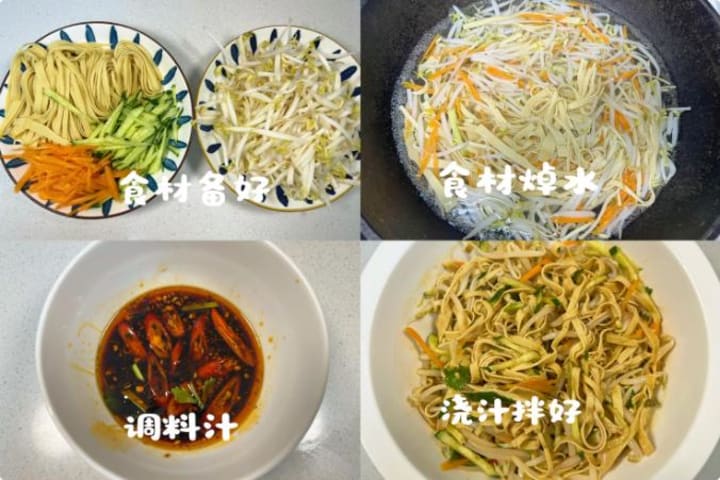
1. Wash the mung bean sprouts and remove the roots. Bring a pot of water to a boil, blanch the sprouts for 10–20 seconds, then immediately remove and rinse under cold water. Drain well.
2. Cut the tofu skin into thin strips and quickly blanch in boiling water to remove any beany taste. Drain.
3. Cut carrots and cucumbers into thin strips (the cucumber can be used raw).
4. Place the prepared mung bean sprouts, tofu skin, carrot, and cucumber strips in a large bowl.
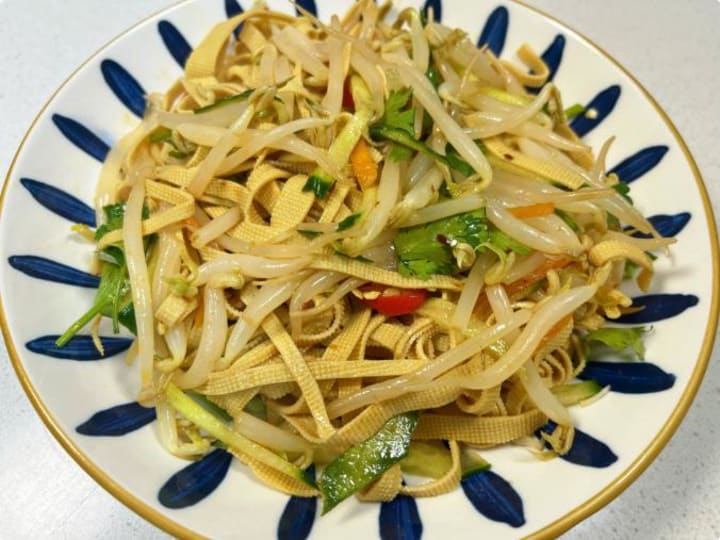
5. Add minced garlic and cilantro. Drizzle with light soy sauce, vinegar, and sesame oil, then add a pinch of salt and a little sugar for extra flavor (optional). Add chili oil if desired. Toss everything together well before serving.
Mung bean sprouts are truly a "living vegetable"—their vitamin C content skyrockets during sprouting, and they are also rich in zinc. Tofu skin provides high-quality plant-based protein and calcium, while carrots and cucumbers contribute an abundance of vitamins and dietary fiber.
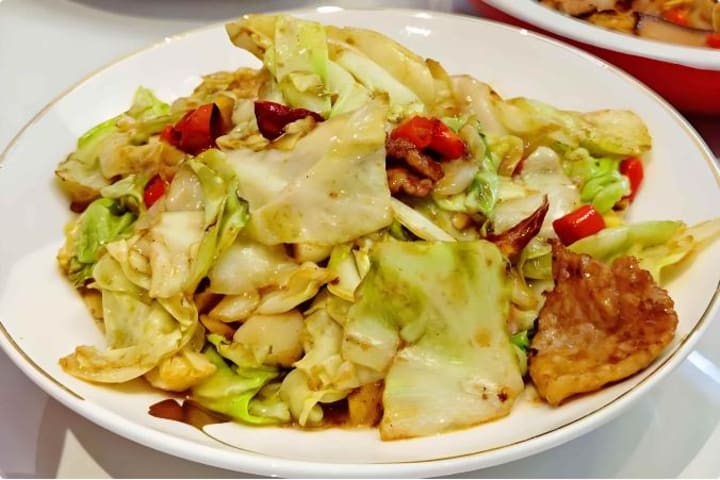
3. Hand-Torn Cabbage Stir-Fry
Method:
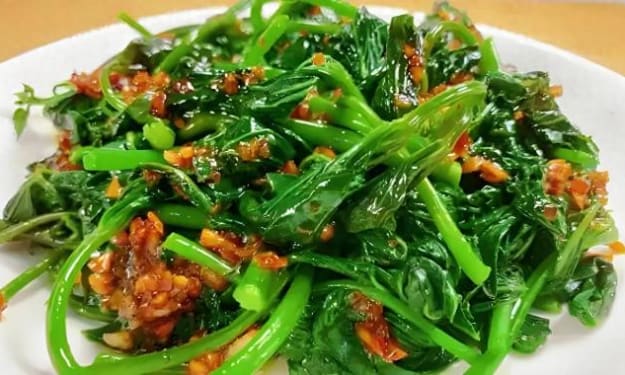
1. Wash the cabbage and tear it into bite-sized pieces by hand, removing or flattening the thick, tough stems. This improves texture and helps the flavors absorb better.
2. Mince garlic and cut dried chili peppers into segments (remove seeds if you prefer less heat).
3. Prepare the sauce: Mix 1–2 tablespoons of light soy sauce, ½ to 1 tablespoon of vinegar, a little sugar, and a pinch of salt. Stir well.
4. Heat the wok with slightly more oil than usual (cabbage absorbs oil). Add Sichuan peppercorns to infuse flavor, then remove them (optional if you dislike the numbing taste). Add sliced pork, minced garlic, and dried chili peppers, stir-frying until fragrant.
5. Turn the heat to high and quickly add the torn cabbage, stir-frying rapidly.
6. Once the cabbage slightly wilts but still retains some crispness, pour the prepared sauce along the edge of the wok.
7. Stir-fry quickly over high heat to coat the cabbage evenly with the sauce, then serve immediately. The key is speed—keeping the cabbage crisp and fresh.
Cabbage contains vitamin K, vitamin C, folate, and zinc, which supports brain development. Hand-tearing preserves the integrity of the fibers better than cutting, and quick stir-frying locks in both crispness and nutrients.
Good nutrition is never out of reach—it’s found in the careful arrangement of everyday meals. Starting today, let these "brain-boosting dishes" become regulars on your dining table. Every delicious bite your child takes will one day translate into a spark of brilliance in their mind!
Additional Tips for Brain-Boosting Nutrition
Beyond these three dishes, here are some extra ways to ensure your child gets enough zinc and other essential nutrients for cognitive development:
• Snack Smart: Nuts and seeds (like pumpkin seeds, almonds, and walnuts) are excellent zinc-rich snacks. Pair them with fresh fruit for a balanced treat.
• Whole Grains Matter: Brown rice, quinoa, and oats provide not only fiber but also trace minerals like zinc and iron.
• Eggs for Breakfast: Eggs are packed with choline, a nutrient vital for brain development. Scramble them with spinach for an extra nutrient boost.
• Fish Twice a Week: Fatty fish like salmon and sardines are rich in omega-3s, which support brain function.
• Colorful Veggies: The more vibrant the vegetable, the more antioxidants it contains. Bell peppers, sweet potatoes, and leafy greens should be regulars in meals.
By incorporating these foods into your child’s diet, you’re not just feeding their body—you’re fueling their future. Every meal is an opportunity to build a sharper, healthier mind!
About the Creator
My Tous les Jours Trip
As someone who lives in a rural area, I don't get the chance to visit fancy restaurants or bakeries that often. So, when a friend told me about a French-Asian bakery that's less than an hour away, I knew I had to check it out and grab some pictures for social media. Tous les Jours ended up providing an immersive experience that went above and beyond my expectations--although I did leave with a few reservations.
By Kaitlin Shanks24 days ago in Feast
Edible Offal Market Size and Forecast 2025: A Global Shift Toward Sustainable, Affordable Protein
Edible Offal Market Size and Forecast 2025 The Edible Offal Market is projected to reach US$ 59.60 billion by 2033, rising from US$ 39.66 billion in 2024, registering a CAGR of 4.63% from 2025 to 2033, according to Renub Research. This steady expansion reflects a powerful global shift toward affordable, nutrient-dense protein sources, culturally rooted culinary practices, rising meat consumption, sustainable meat processing, and increasing awareness of food waste reduction. Particularly in developing regions and ethnic cuisine markets, offal is no longer seen as a by-product—it is emerging as both a nutritional asset and a sustainability solution.
By jaiklin Fanandish4 days ago in Feast
My New Book is Finally Here
My poetry collection Beautiful and Brutal Things is done. It's actually done and finally published over 270 pages. Over a year of my life went into this book. More than a year, really. Long days at my computer, sometimes seven days a week because I couldn't stop even when I probably should have. Then two months of editing that felt harder than the writing itself. But it's finished, and I'm still standing, and the book is real.
By Tim Carmichael3 days ago in BookClub



Comments
There are no comments for this story
Be the first to respond and start the conversation.