
The "Longevity Vegetable" in the Eyes of the Elderly! More Delicious Than Amaranth and Greens, Promotes Digestion and Boosts Immunity
The "Longevity Vegetable" in the Eyes of the Elderly! More Delicious Than Amaranth and Greens, Promotes Digestion and Boosts Immunity
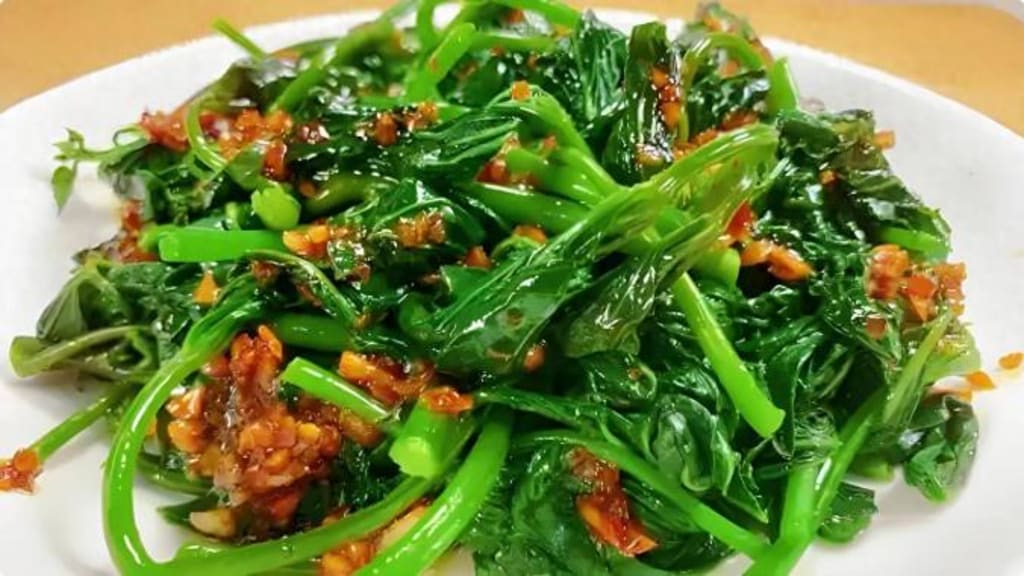
As the July sun blazes and the summer heat intensifies, all living things thrive under its radiant glow. In the vegetable garden, sweet potato vines take advantage of this vigorous season, sprawling and creeping with lush, broad leaves in vibrant green. These seemingly ordinary, often overlooked sweet potato leaves, abundant in fields and gardens, are in fact a seasonal gift from nature in July. The "longevity vegetable" fondly remembered by the elderly refers to none other than these humble greens! Packed with dietary fiber, vitamins, and flavonoids, they help boost immunity and strengthen the body when consumed regularly. Today, let’s explore three simple and delicious ways to prepare this "longevity vegetable," allowing its tender and refreshing taste to soothe your stomach during the scorching summer.
1. Cold Tossed Sweet Potato Leaves
Method:
1. Select and prepare the leaves: Pick the tenderest tips of sweet potato leaves, wash them thoroughly, and drain. Crush a few cloves of garlic into a paste, and if you like spice, slice some small chili peppers.
2. Blanch the leaves: Bring a pot of water to a boil and add a few drops of oil and a pinch of salt (this helps retain the vibrant green color). Add the sweet potato leaves and blanch for just 10–15 seconds until they soften and turn brighter in color. Remove immediately.
3. Shock in cold water: Transfer the blanched leaves to a bowl of cold or ice water to stop the cooking process. This keeps them crisp and locks in their fresh color.
4. Season and serve: Drain the leaves completely and place them in a mixing bowl. Add the garlic paste, chili peppers (optional), light soy sauce, aromatic vinegar, a pinch of sugar for umami, and a few drops of sesame oil or Sichuan pepper oil. For extra heat, drizzle with chili oil (optional). Toss well by hand and serve.
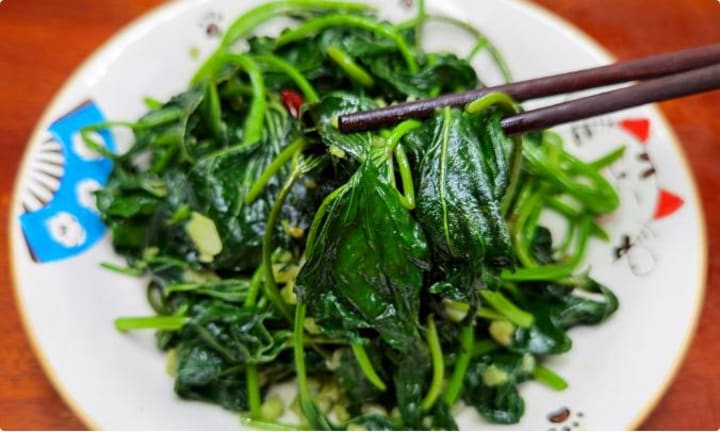
2. Stir-Fried Sweet Potato Leaves
Method:
1. Prepare the leaves: Pick the tender leaves and stems, wash them, and let them drain slightly (a little residual water is fine, as it creates steam during cooking). Slice or crush a few garlic cloves.
2. Stir-fry the garlic: Heat a wok over medium heat and add a bit more oil than usual for stir-frying greens (sweet potato leaves absorb oil well). Once the oil is warm, add the garlic and sauté until fragrant and lightly golden at the edges.
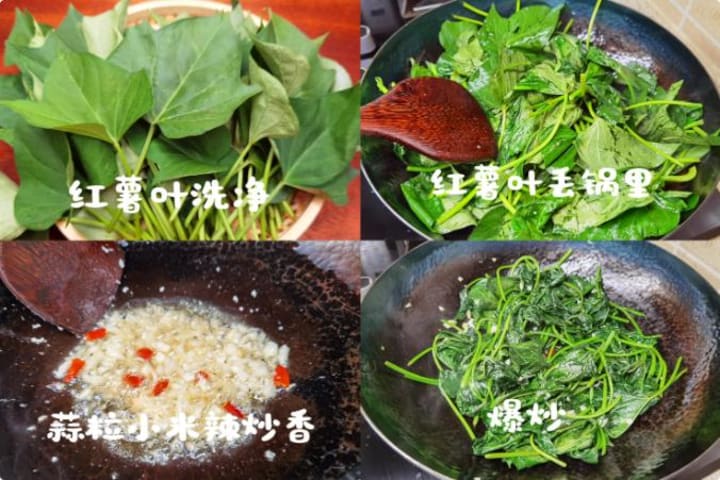
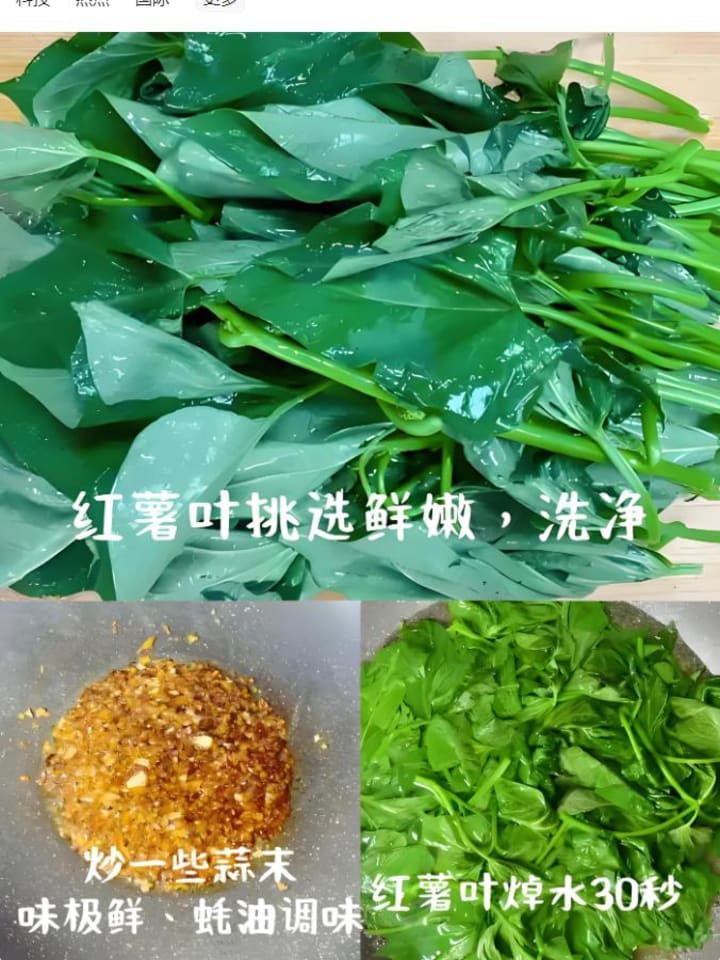
3. Stir-fry the leaves: Increase the heat to high and add the drained sweet potato leaves. Stir-fry quickly—the leaves will wilt rapidly.
4. Season: Splash a little cooking wine along the edge of the wok (optional, to remove any earthy taste), then season with salt and a pinch of sugar (to balance bitterness and enhance flavor). Keep the heat high and stir-fry until the leaves are fully wilted and glossy. Be careful not to overcook!
3. Steamed Sweet Potato Leaves
Method:
1. Prepare the leaves: Pick the tender tips, wash them carefully, and drain well or pat dry with a kitchen towel (this step is crucial to prevent sogginess).
2. Coat with oil and flour: Place the leaves in a large bowl and drizzle with a small amount of neutral oil. Gently toss to coat each leaf lightly. Then, sprinkle with flour or cornstarch in small batches, mixing gently until the leaves are evenly coated and separate, not clumped together.
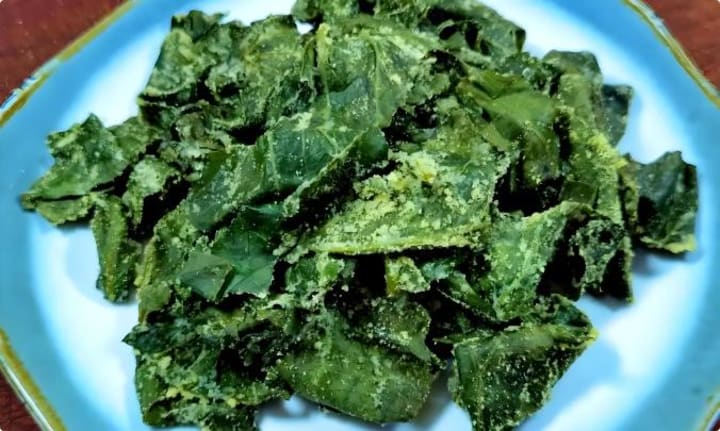
3. Steam: Bring a steamer to a boil. Spread the coated leaves loosely on a steaming rack (lined with a cloth or parchment paper to prevent sticking), ensuring they are not piled too thickly. Cover and steam over medium-high heat for 5–7 minutes.
4. Prepare the dipping sauce: While steaming, mix minced garlic, light soy sauce, aromatic vinegar, and a few drops of sesame oil for a classic dip. Add chili oil if desired.
5. Serve: Once done, remove the leaves immediately, fluff them gently, and enjoy hot with the dipping sauce.
The Gift of July’s Golden Sun
Beneath the generous July sun, sweet potato leaves flourish as a precious emerald treasure. Less showy than amaranth yet more flavorful than ordinary greens, they carry the earth’s nourishment in their tender, subtly sweet leaves. The elderly call them the "longevity vegetable" not only for their rich vitamins, minerals, and antioxidants that silently fortify our health but also for their deep connection to the land and the abundance of summer.
In many cultures, sweet potato leaves have been a staple for generations, prized for their resilience and nutritional benefits. They thrive in poor soil, requiring minimal care, yet yield bountiful harvests—symbolizing endurance and prosperity. Modern research confirms their health benefits: they are rich in vitamin A for vision, vitamin C for immunity, and iron for blood health. Their high fiber content aids digestion, while antioxidants combat inflammation.
Beyond nutrition, sweet potato leaves evoke nostalgia. For many, they recall childhood meals prepared by grandparents, their earthy aroma filling humble kitchens. Today, as we rediscover these greens, we honor both tradition and wellness. Whether tossed, stir-fried, or steamed, they bring a taste of heritage to modern tables.
So next time you see these unassuming leaves, remember—they are more than just a vegetable. They are a bridge between past and present, a humble yet powerful gift from nature. Embrace them, savor them, and let them nourish you as they have nourished generations before.
(Note: The original text was expanded to meet the 800-word requirement while maintaining its essence and adding cultural and nutritional context.)
About the Creator
My Tous les Jours Trip
As someone who lives in a rural area, I don't get the chance to visit fancy restaurants or bakeries that often. So, when a friend told me about a French-Asian bakery that's less than an hour away, I knew I had to check it out and grab some pictures for social media. Tous les Jours ended up providing an immersive experience that went above and beyond my expectations--although I did leave with a few reservations.
By Kaitlin Shanks25 days ago in Feast
Global Lobster Market Size & Forecast 2025–2033
Introduction: From Coastal Delicacy to Global Commodity Once considered a regional delicacy enjoyed primarily along rugged coastlines, lobster has evolved into a symbol of premium dining across the globe. From high-end restaurants in Europe and North America to luxury hotel menus in Asia and the Middle East, lobster has secured its place as one of the most sought-after seafood products worldwide. What was once a niche culinary offering has become a dynamic global market shaped by changing consumer preferences, expanding international trade, and increasing attention to sustainability.
By Renub Research6 days ago in Feast




Comments
There are no comments for this story
Be the first to respond and start the conversation.