
Going Vegan? Here's Your Ultimate Guide to Plant-Based Protein Sources
Fueling Your Plant-Based Journey with Delicious, Nutritious Protein: A Comprehensive Guide to Legumes, Nuts, Seeds, Grains, Vegetables, and Supplements

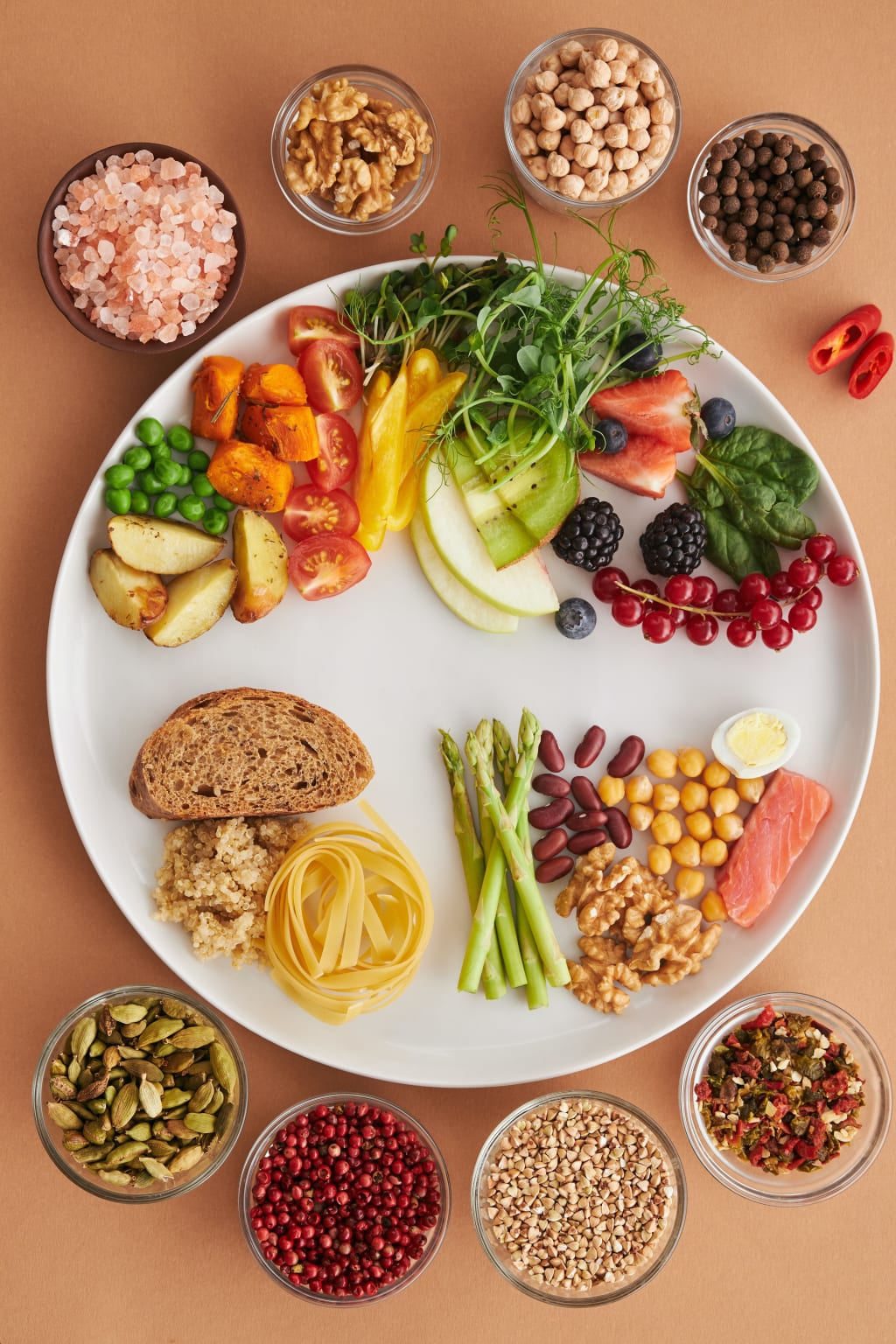
Protein is an essential nutrient that plays a crucial role in building and repairing tissues in the body, as well as maintaining healthy muscles, bones, and skin. For many years, people believed that the only way to get enough protein was through animal-based sources like meat, eggs, and dairy products. However, recent studies have shown that it's possible to get all the protein you need from a plant-based diet.
If you're considering transitioning to a vegan diet, you may be wondering where you'll get your protein from. The good news is that there are plenty of plant-based protein sources that can provide all the protein you need to thrive. In this article, we'll provide a comprehensive guide to plant-based protein sources, so you can be sure you're getting enough of this vital nutrient.
Whether you're new to the vegan lifestyle or you've been vegan for a while, this guide will provide you with all the information you need to ensure you're getting the protein your body needs to stay healthy and strong. So, let's dive in!
Legumes
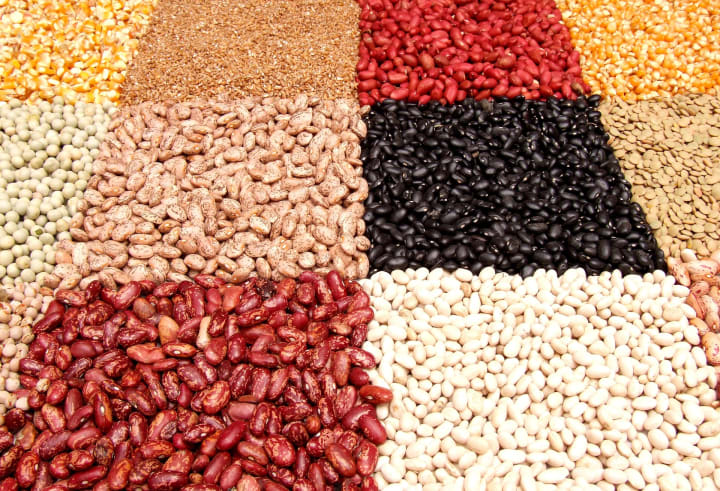
Legumes are a group of plants that include beans, lentils, peas, and chickpeas. They are an excellent source of protein, fiber, and other essential nutrients, making them a staple in many vegan diets. Legumes are also low in fat and calories, making them a great choice for those looking to lose weight or maintain a healthy weight.
Here are some examples of legumes and their protein content per 100 grams:
- Lentils: 9 grams
- Chickpeas: 8.9 grams
- Black beans: 8.9 grams
- Kidney beans: 8.7 grams
- Edamame: 11 grams
One of the benefits of legumes is their versatility in cooking. They can be used in a variety of dishes, from soups and stews to salads and dips. Plus, they are often cheaper than animal-based protein sources, making them a great choice for those on a budget.
When cooking with legumes, it's important to keep in mind that they can take longer to cook than other types of protein sources. To make them more digestible and to reduce cooking time, it's recommended to soak them overnight before cooking. Additionally, seasoning with herbs and spices can help enhance the flavor of legumes and make them more enjoyable to eat.
Some popular legume-based dishes include lentil soup, hummus made with chickpeas, black bean tacos, and split pea soup. By incorporating a variety of legumes into your diet, you can ensure you're getting all the protein you need to thrive on a vegan diet.
Nuts and Seeds
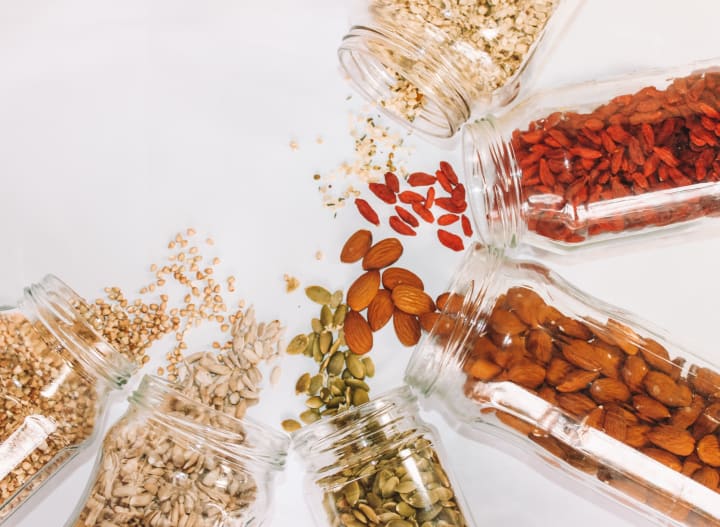
Nuts and seeds are another great source of plant-based protein. They are also high in healthy fats, fiber, and a variety of other important nutrients, including vitamin E, magnesium, and zinc. Some examples of nuts and seeds and their protein content per 100 grams include:
One of the benefits of nuts and seeds is their versatility in cooking. They can be used in a variety of dishes, from breakfast foods like oatmeal and smoothie bowls to snacks like trail mix and energy balls. They can also be used to make homemade nut butters and milk alternatives.
When incorporating nuts and seeds into your diet, it's important to be mindful of portion sizes, as they are high in calories. However, they can be a great way to add protein and healthy fats to meals and snacks, which can help you feel full and satisfied.
Some popular nut and seed-based dishes include almond butter toast, chia seed pudding, hemp seed smoothies, and pumpkin seed pesto.
Grains
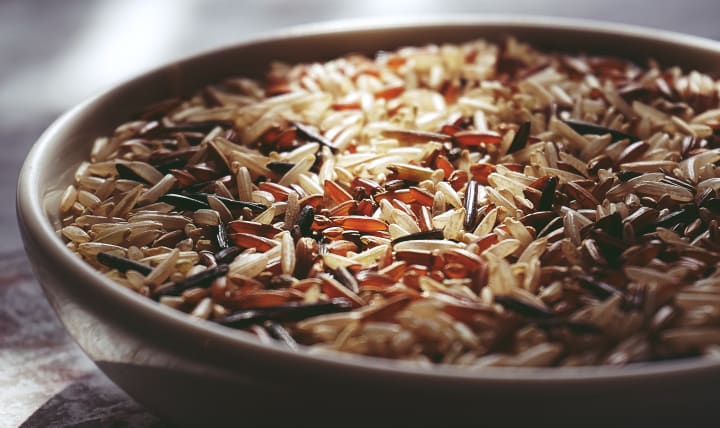
Grains are another great source of plant-based protein. They are also high in fiber, vitamins, and minerals, making them an important part of a healthy vegan diet. Some examples of grains and their protein content per 100 grams include:
One of the benefits of grains is their versatility in cooking. They can be used in a variety of dishes, from breakfast foods like oatmeal and pancakes to lunch and dinner options like grain bowls and stir-fries. They can also be used to make bread, pasta, and other baked goods.
When incorporating grains into your diet, it's important to choose whole grains, as they are higher in fiber and other important nutrients than refined grains. Additionally, pairing grains with other protein sources, like legumes and nuts, can help increase their protein content and make them a more complete protein source.
Some popular grain-based dishes include quinoa and black bean bowls, brown rice sushi, barley and vegetable soup, and buckwheat pancakes.
Vegetables

Vegetables are an important part of a healthy vegan diet and can also be a great source of protein. While they may not have as high of a protein content as some other plant-based protein sources, they are still important to include in your diet for their fiber, vitamins, and minerals. Some examples of vegetables and their protein content per 100 grams include:
- Spinach: 2.9 grams
- Broccoli: 2.8 grams
- Brussels sprouts: 3.4 grams
- Asparagus: 2.2 grams
- Artichokes: 3.3 grams
One of the benefits of vegetables is their versatility in cooking. They can be used in a variety of dishes, from salads and stir-fries to soups and stews. They can also be roasted, grilled, or steamed and used as a side dish.
When incorporating vegetables into your diet, it's important to choose a variety of colors to ensure you're getting a range of vitamins and minerals. Additionally, pairing vegetables with other protein sources, like legumes and grains, can help increase their protein content and make them a more complete protein source.
Some popular vegetable-based dishes include spinach and chickpea curry, roasted Brussels sprouts with quinoa, asparagus and mushroom stir-fry, and artichoke and lentil soup.
Supplements
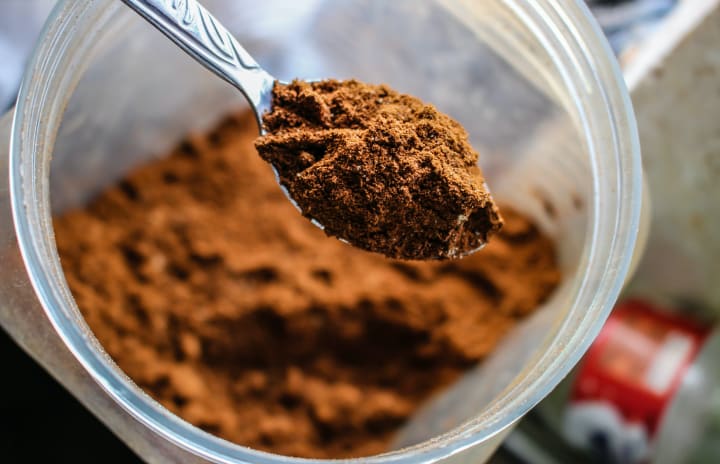
While it's possible to get all the protein you need from plant-based sources, some people may choose to supplement their diet with protein powder or other supplements to ensure they are meeting their daily protein needs.
Plant-based protein powders are available in a variety of forms, including pea, rice, and soy protein. These powders can be added to smoothies, oatmeal, or other foods to increase their protein content. It's important to choose a high-quality protein powder and to read the label to ensure it doesn't contain any animal-derived ingredients.
In addition to protein powder, there are other supplements that can help vegans meet their nutrient needs. Vitamin B12, for example, is only found in animal products, so vegans may need to take a supplement to ensure they are getting enough of this important nutrient. Other supplements that may be beneficial for vegans include vitamin D, omega-3 fatty acids, and iron.
It's important to talk to a healthcare professional before starting any new supplements to ensure they are safe and appropriate for your individual needs.
While supplements can be helpful for ensuring you're getting all the nutrients you need on a vegan diet, it's important to remember that whole foods should be the foundation of your diet.
Conclusion
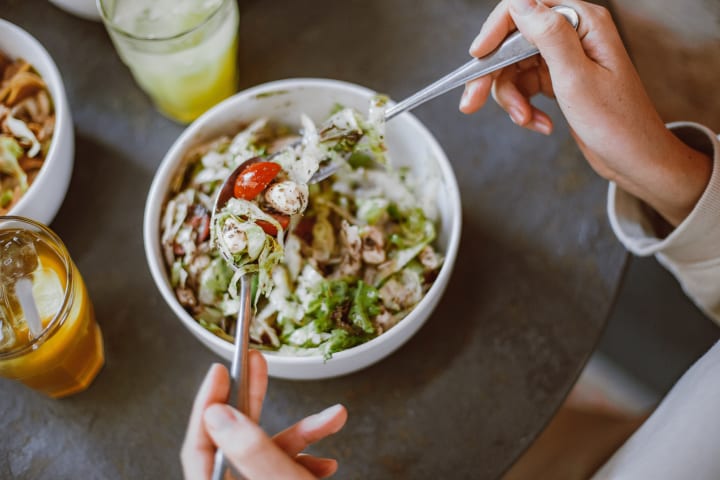
In conclusion, getting enough protein on a vegan diet is not as difficult as it may seem. By incorporating a variety of plant-based protein sources into your diet, including legumes, nuts and seeds, grains, and vegetables, you can easily meet your daily protein needs. It's also important to choose whole, nutrient-dense foods and to pair protein sources to ensure you're getting all the essential amino acids your body needs.
Supplements can also be a helpful tool for ensuring you're meeting your nutrient needs, but it's important to talk to a healthcare professional before starting any new supplements.
Whether you're a seasoned vegan or just starting out on a plant-based journey, there are plenty of delicious and nutritious plant-based protein sources to choose from. By experimenting with different ingredients and recipes, you can find what works best for you and your lifestyle. With a little planning and creativity, you can thrive on a vegan diet and feel great both inside and out.
So if you are ready to start a vegan diet here's a plant-based cookbook with over 100 mouth-watering vegan recipes from cereals, omelets, smoothies, salads, soups, main dishes, and snacks! Click here to get it now!
About the Creator
Erica Collins
Hello & welcome to my page! I write blogs that I hope people will find helpful in their lives! :)
Keep reading
More stories from Erica Collins and writers in Feast and other communities.
Going Keto-crazy for Breads and Sweets: A Delicious Drive into the World of Low-Carb Baked Goods and Desserts!
I. Introduction Are you a fan of bread and sweets, but worried about their high carb content? If you're following a ketogenic diet, you may feel like you have to give up these treats entirely. But fear not, because the world of keto baking is here to satisfy your cravings!
By Erica Collins3 years ago in Feast
My Tous les Jours Trip
As someone who lives in a rural area, I don't get the chance to visit fancy restaurants or bakeries that often. So, when a friend told me about a French-Asian bakery that's less than an hour away, I knew I had to check it out and grab some pictures for social media. Tous les Jours ended up providing an immersive experience that went above and beyond my expectations--although I did leave with a few reservations.
By Kaitlin Shanks24 days ago in Feast
Global Fruit Snacks Market Set to Double by 2033 as Healthier Snacking Takes Center Stage
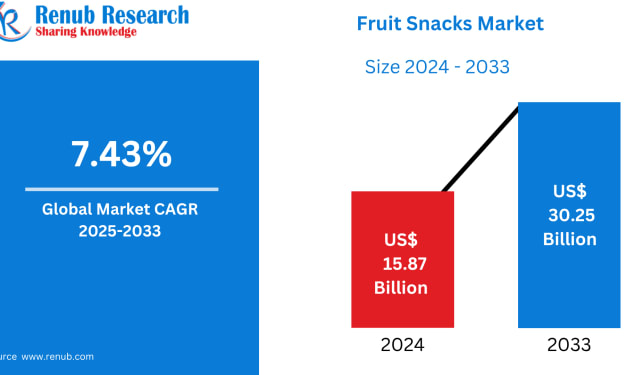
Global Fruit Snacks Market Size & Forecast 2025–2033 The Global Fruit Snacks Market was valued at US$ 15.87 billion in 2024 and is expected to grow to US$ 30.25 billion by 2033, registering a strong CAGR of 7.43% during 2025–2033, according to Renub Research. This robust expansion is being driven by a powerful combination of changing consumer lifestyles, increasing health awareness, and the global shift toward convenient, naturally derived snack foods.
By jaiklin Fanandishabout an hour ago in Feast
How to Succeed at the Benson Directory®
Congratulations and welcome to the Benson Directory® employee #22391! As our newest call handler, you will have the privilege of speaking with dozens of unique and interesting people on a daily basis as well as the opportunity to earn bonuses for high performance. Contained within this handbook you will find a set of ease to follow instructions designed to help you settle in to your new role and begin paving the way to success.
By S. A. Crawford2 days ago in Fiction



Comments
There are no comments for this story
Be the first to respond and start the conversation.