
Going Tropical
Different kinds of tropical fruit

Europe
France
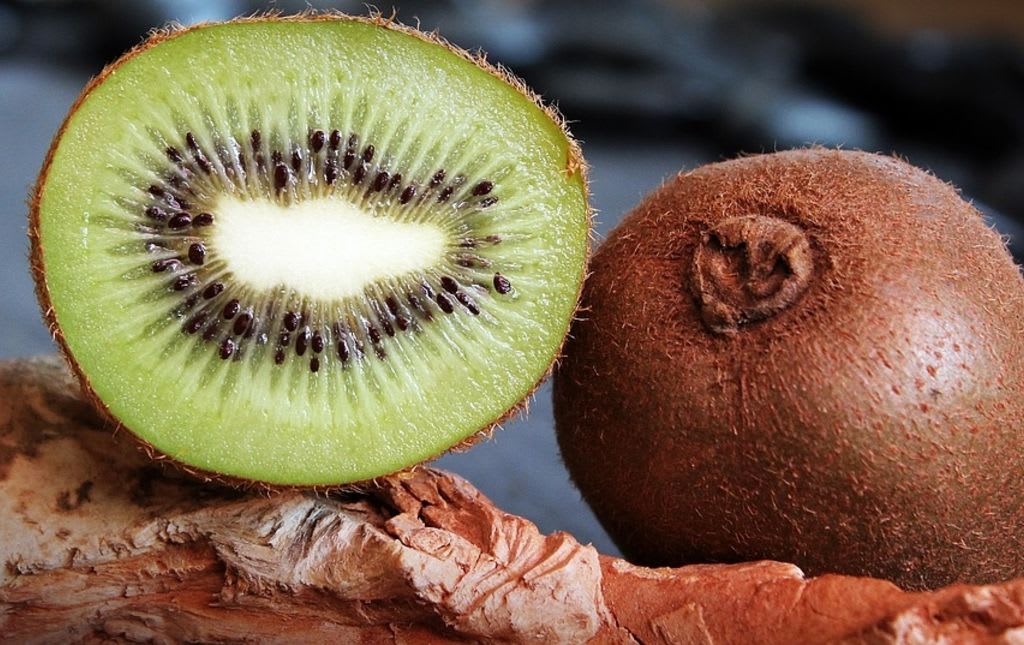
A French kiwi variety, kiwi de Corse originated from the Haute-Corse Department. This fruit is oval with brown-green hairy skin and bright green flesh that is dotted with black seeds. The kiwi is sweet and slightly tart, and the texture is soft and juicy.
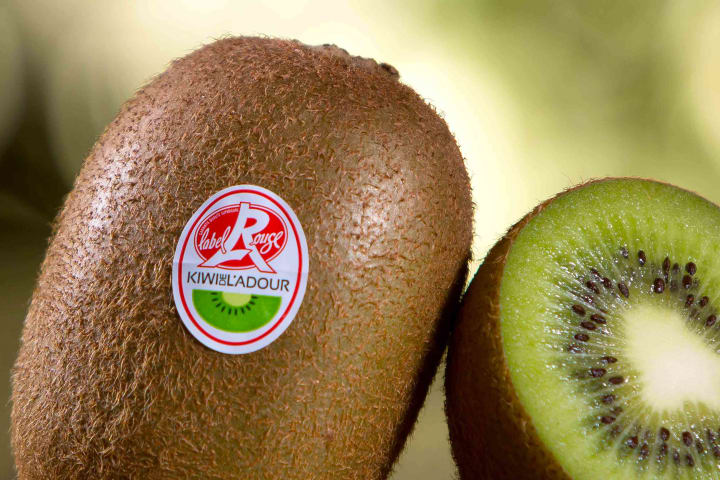
Kiwi de l’Adour comes from the Pyrenees-Atlantiques region. When the kiwi is ripe, it has a juice texture, and the bright green flesh is fragrant and tastes acidic. The brown skin has silky hair. When harvested in the late autumn, if there is frost, the kiwi has a higher sugar content than usual.
Turkey
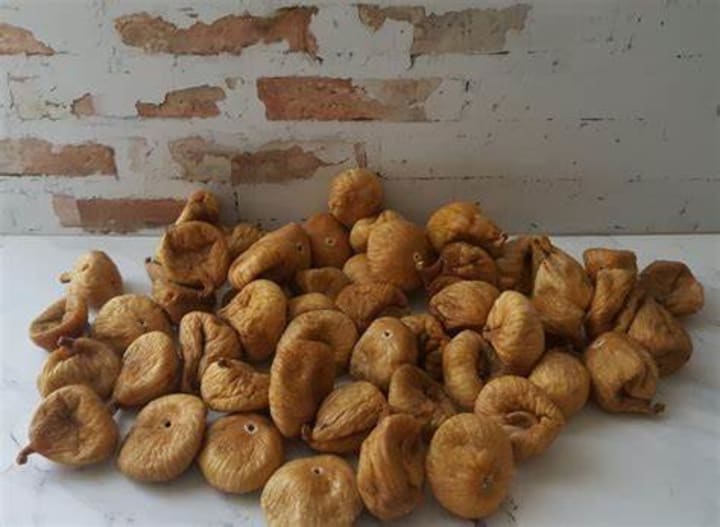
Aydin Inciri are flavorful figs grown in the Menderes River Valley in the historical region of Aydin. They are harvested at the end of August. The figs are sun-dried and preserved for winter, giving them a good source of energy since they’re high in fiber and fructose. Aydin inciri figs are chewy and sugar encrusted. They’re eaten with muesli at breakfast and used as filling in Turkish pastries.
Greece
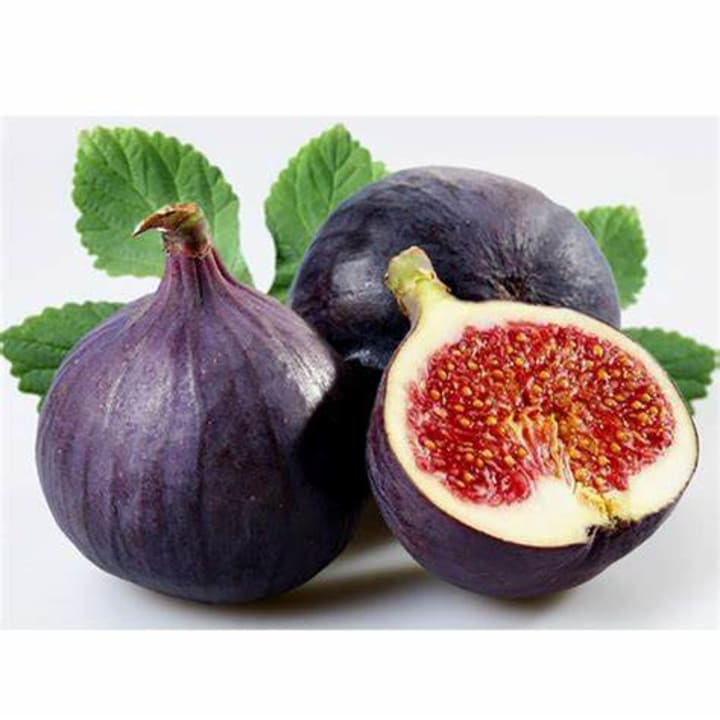
The fig varieties of Vasilika Mavra and Mavra Markopoulo are regional and cultivated in the Markopoulo Mesogion municipality of Attica prefecture. These figs are pear-shaped, fleshy, succulent, and sweet. Vasilika Mavra/Royal Black are known as the finest figs in Greece. Their skin is dark burgundy in color. Mavra Markopoulo has a black peel and is harvested from mid-August to November.

Aktinidio Pierias are delicious kiwi first grown in 1973 on the Pierian Plains in a region nestled between Mt. Pierus and Mt. Olympus. The kiwi has an exotic aroma and is known as the “Fruit of Olympus”. It has reddish-green skin and juicy, pale green flesh.
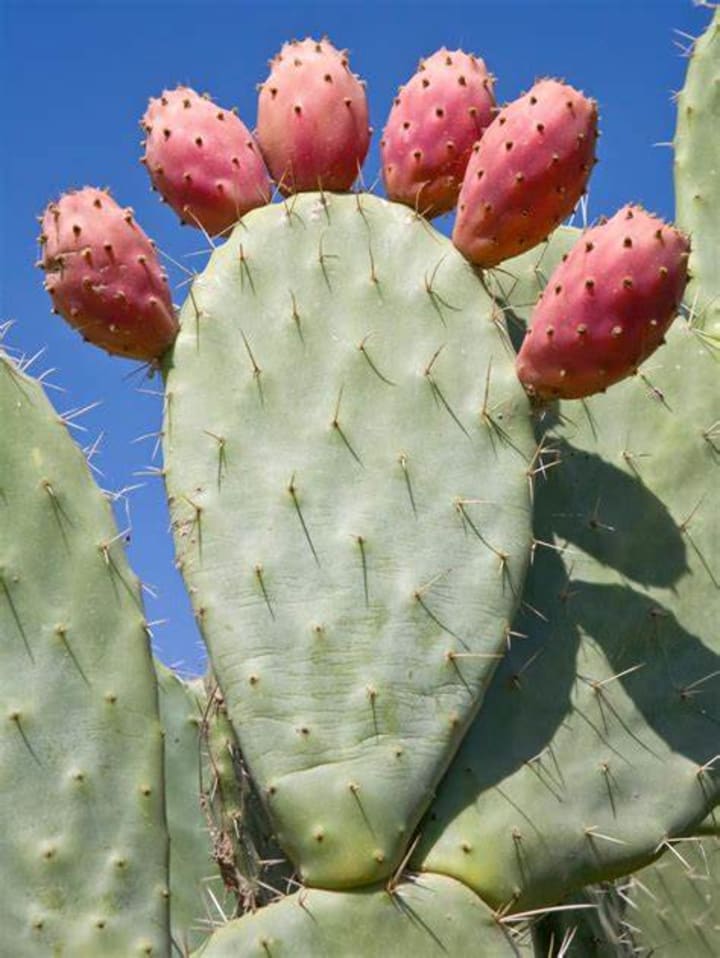
Fragosika is a prickly pear cactus producing flavorful fruit full of healthy nutrients and vitamins. The plant thrives throughout the Aegean Islands and on the island of Symi. The prickly pear cactus has been called the banana of the island. The fruit is consumed fresh, dried, or used to make sweet specialties like misokofti, a creamy, pudding-like dessert.
Italy
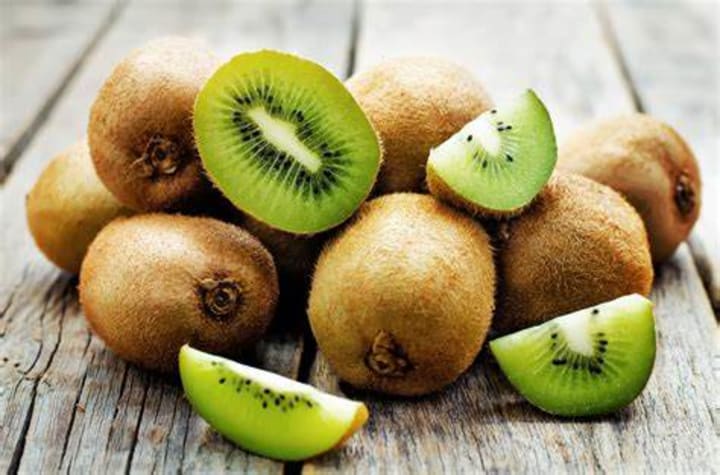
Kiwi Latina was first introduced to the Agro Pontino area in the 1970s. It was brought to Italy by missionaries from New Zealand. The kiwi is full of antioxidants and is known for its high Vitamin C content. It has an acidic sweet flavor and fruity aroma. The fruit is used to prepare jams and marmalades, syrups, and fruit salads.
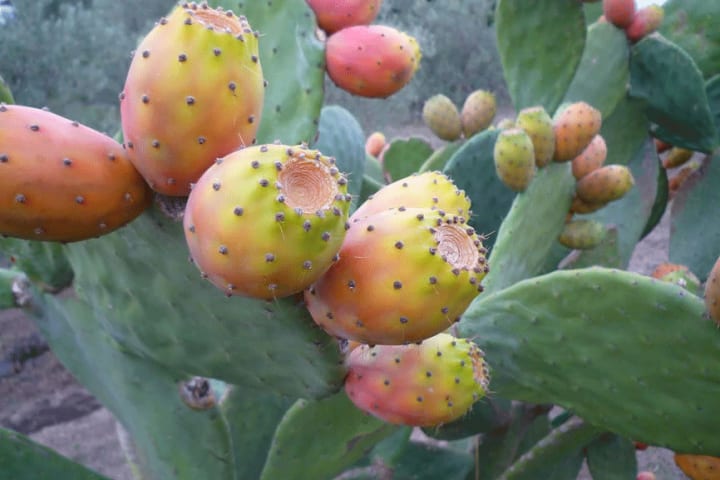
Ficodindia di San Cono is a prickly pear variety grown in the Sicilian provinces of Catania, Enna, and Caltanissetta. It is a succulent, exotic fruit that is very fragrant and has a rich, sweet flavor reminiscent of watermelons and lemon. The prickly pear is also used to make preserves and jams.
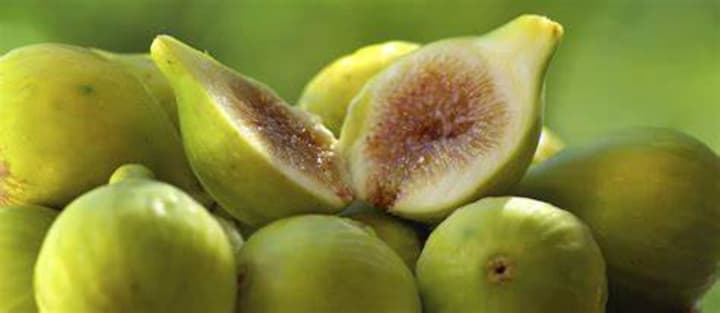
Fico Bianco del Ciento are white figs grown within the Cilento and Vallo de Diano National Park in the Salerno province of Campania. These figs are very resistant to drought. They are sun-dried and used as basic food. Traditionally these figs are stuffed with nuts and almonds, seasoned with wild fennel, drizzled with lemon juice, and at times coated with brown sugar or dark chocolate.
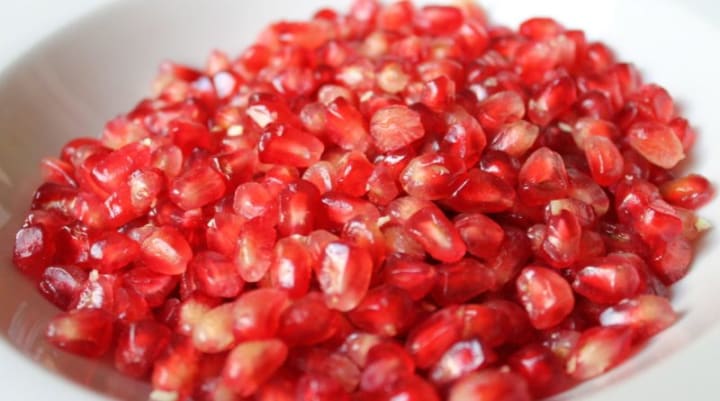
Spain
Granada Mollar de Elche is a pomegranate grown in the province of Alicante in the southeast of the Autonomous Community of Valencia. This pomegranate has an intense color and is particularly sweet. It has a high content of anthocyanin, the antioxidant pigment found in this fruit. It has an intense flavor and a soft seed making it easy to digest. Due to the popularity of this superfruit, it counts for over 70% of production for export.
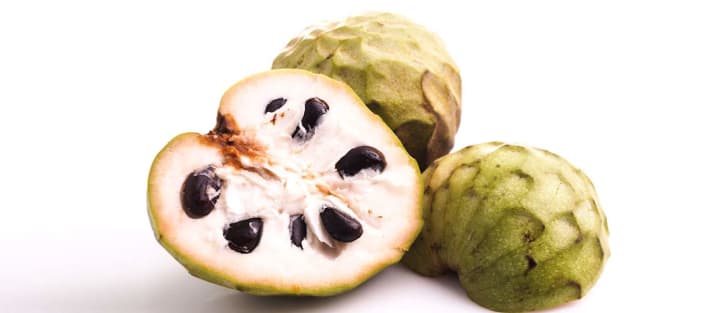
Chirimoya de la Costa tropical de Granada-Málaga are cherimoya fruits of the Fino de Jete variety grown in the provinces of Granada and Málaga. Due to its sweet flavor and creamy texture, this fruit is called “the custard apple”. It is light green on the outside and a white inside. Its taste is reminiscent of bananas, pineapple, peaches, and strawberries. It is eaten fresh, chilled, and with a spoon.
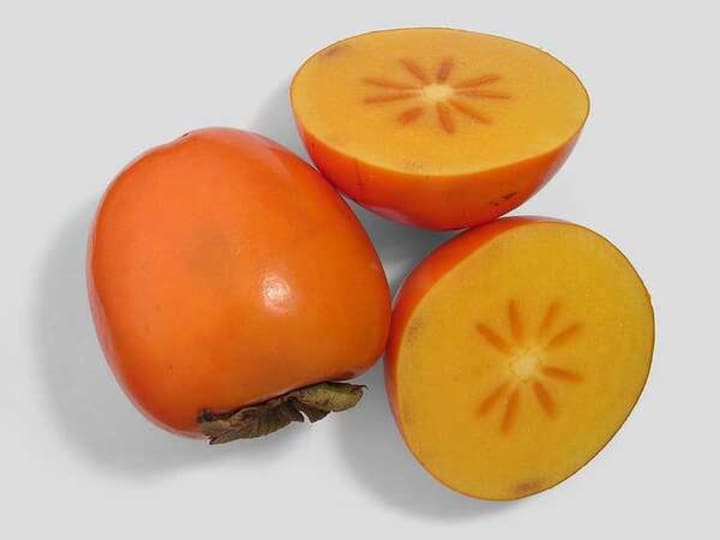
Kaki Ribera del Xúquer is the persimmon fruit grown in the Province of Valencia. This fruit was brought to Spain from China in the 19th century. The persimmons are large in size and have a pointed shape. The fruit is deep red, soft, and has a sweet caramel flavor.

Plátano de Canarias are a Cavendish variety of bananas grown in the archipelago of the Canary Islands. These bananas have brown flecks on their bright yellow skin. They have an intense, sweet flavor due to their high sugar and low starch content. The fruit has more potassium and phosphorus and less sodium and calcium than bananas that are grown elsewhere.
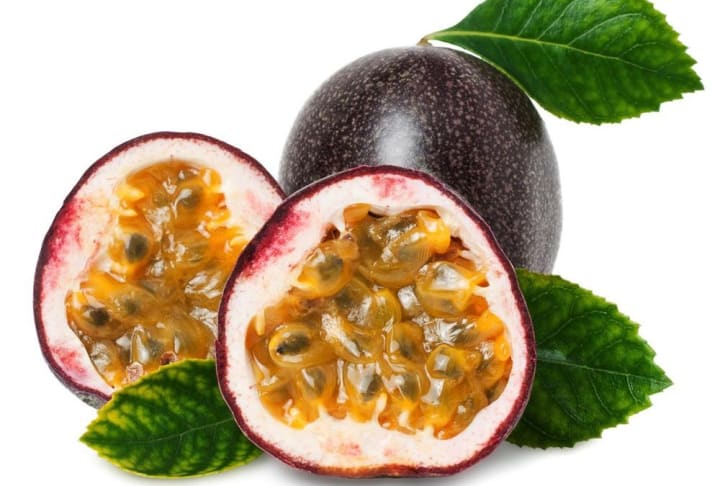
Portugal
Maracuja dos Acores is a fruit also referred to as the Sao Miguel passion fruit. It is the fruit of a red Passiflora species from the Azores. The fruit has a juicy pulp and seeds and is grown in greenhouses, protected from the wind. It has a hard, rough purplish skin and a light yellow flesh that taste slightly sour. It is usually eaten fresh or used in desserts, fruit juices, and liqueurs.
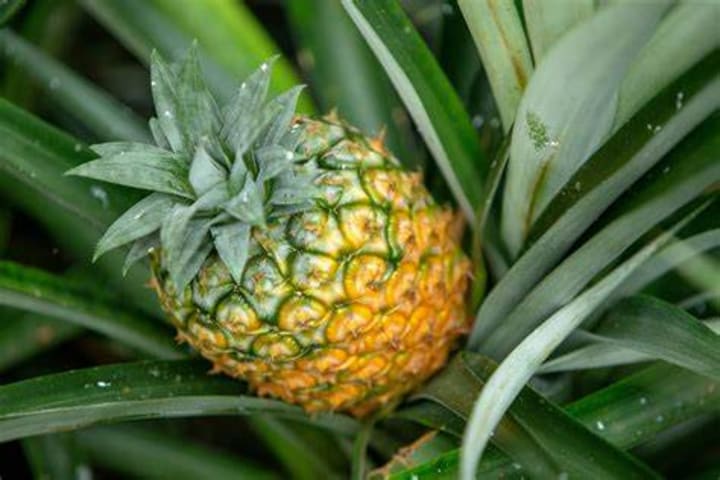
Ananas dos Acores are pineapples of the Cayene variety grown on the Portuguese Azores Island of Sao Miguel. The fruit is produced on the island in over 6000 glass greenhouses. After the fruit is planted, it can only be harvested for two years. The pineapple has bright orange skin, yellow flesh, and a small crown.
Asia
India
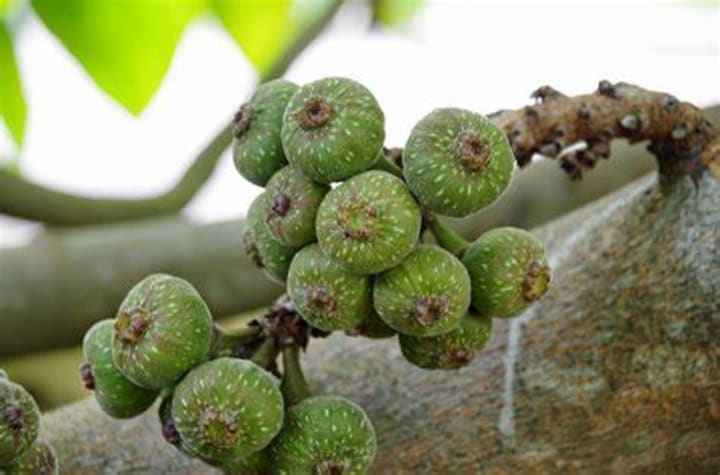
Elephant ear figs are the fruit of an evergreen tree that has large leaves and is native to northern India. It is cultivated in the tropical regions of South Asia and Southeast Asia. The fruit has a round and flattened shape with a reddish brown to copper red color with pale green dots. The flesh is soft, and the flavor sweet. These figs are enjoyed fresh or dried and used to make jam or in beverages. The fruit got its name because the large leaves of the evergreen tree are reminiscent of elephant ears.
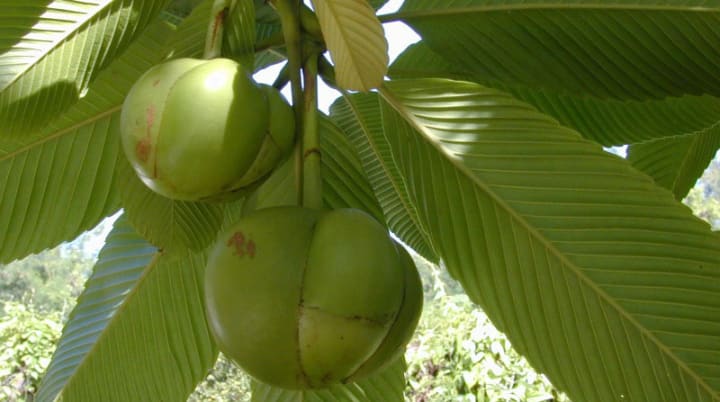
Elephant apples are the fruit of an evergreen tree. The fruit is formed as an aggregate of 15 carpels that overlap, and each carpel contains five seeds in a gelatinous pulp. It has a sour-to-sweet-sour flavor. The pulp is used for beverages, jams, and vinegar. When the fruit is not fully ripe, it is pickled and used in soups and curries. The flower petals are used as a garnish for fruit and vegetable salads.
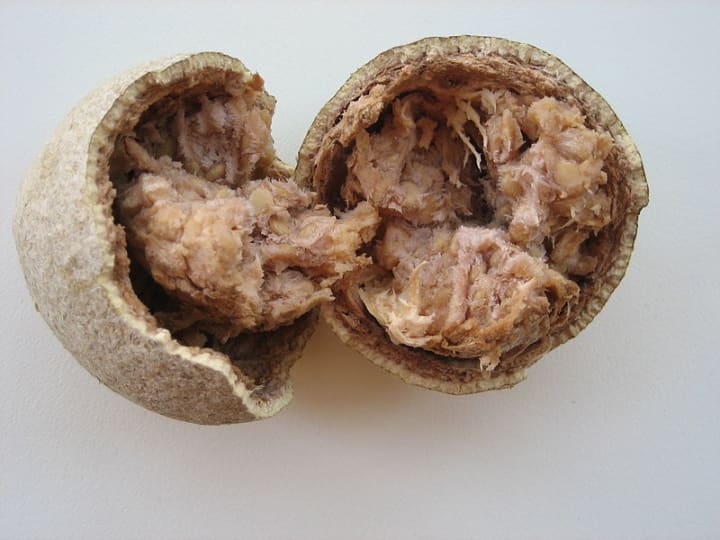
Wood apples are tropical fruit of a tree that has rough bark and sharp spines native to India and Sri Lanka. The fruit is egg-shaped or round and has a hard and thick rind that must be crushed with a hammer or stone to get to the pulp. The pulp is mealy and has an astringent acidic or sweet flavor and many white seeds. It is used to prepare jams, jellies, and chutneys.
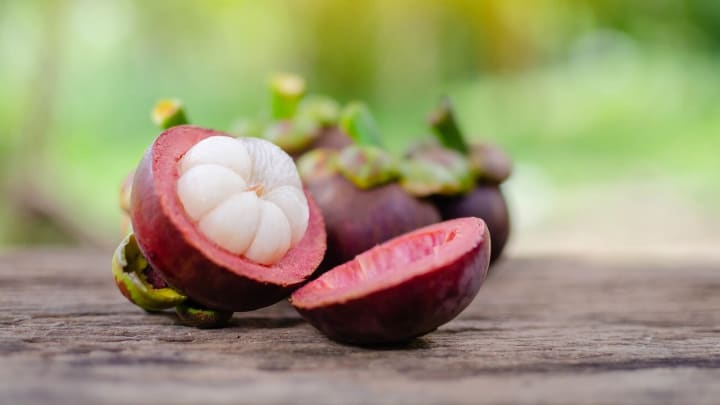
Indonesia
Mangosteen, also called purple mangosteen, is a tropical plant that has sweet fruit. The fruit originated in the Sunda Islands. It has a dark purple shell and white edible fruit. The texture is soft and juicy, and the flavor is sweet with some tartness. It is enjoyed fresh or baked into desserts.
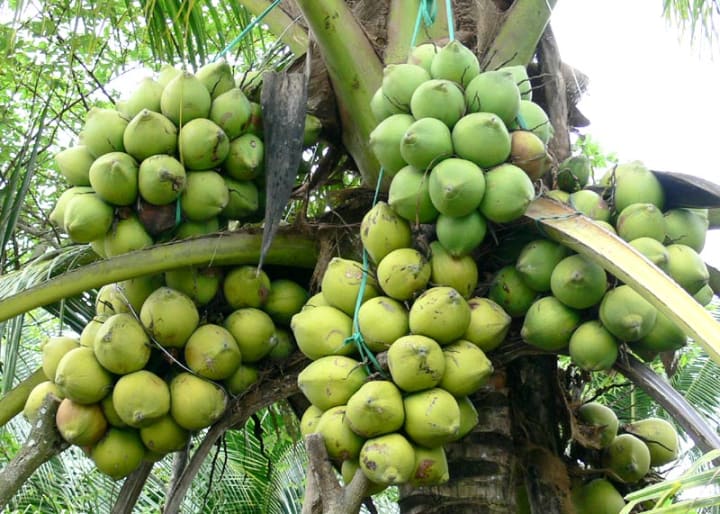
Vietnam
Ben Tre Coconut is fruit from the Ben Tre province in Vietnam known as the capital of coconuts. Coconut growing conditions are ideal and the coconuts grown her had a higher fruit yield than in other regions. The thick coconut shells have more organic matter, sweeter coconut water, and coconut meat with more fat. The fruit is used to make beverages and different foods.
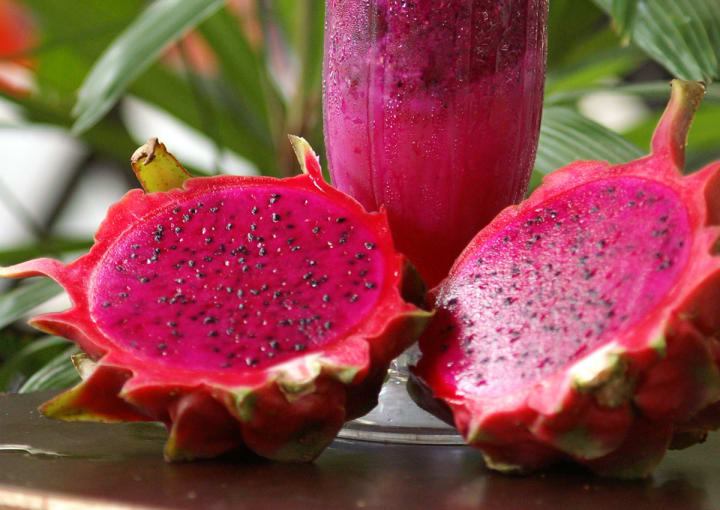
Dragon fruit comes from Binh Thuan and was imported in the 1980s. It is grown for domestic and foreign markets. The fruit has a red skin and white flesh and is filled with tiny black seeds. The flesh is soft but firm and has a sweet and subtly tart flavor.
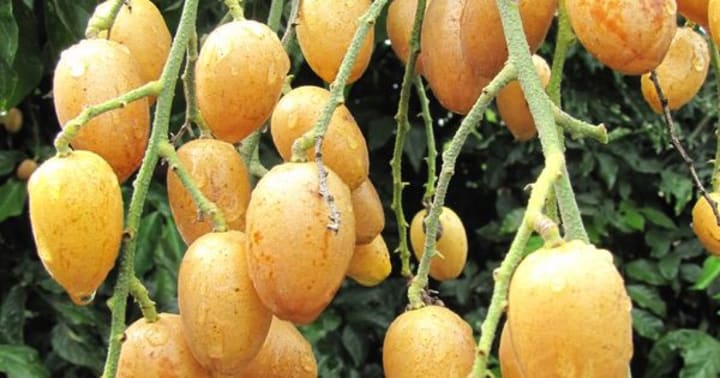
Wampee is fruit of the evergreen tree naturally grown in northern Vietnam, southern China, and Laos. The fruit grow in clusters and are round to oblong. The flesh is juicy and grape-like and the flavor is sweet to sub-acidic. The fruit is eaten fresh or used in fruit salads and various desserts. Wampee are a delicacy in Vietnam and used to prepare jams, jellies, and beverages. In China, they are added to chicken and other meat dishes.
New Guinea
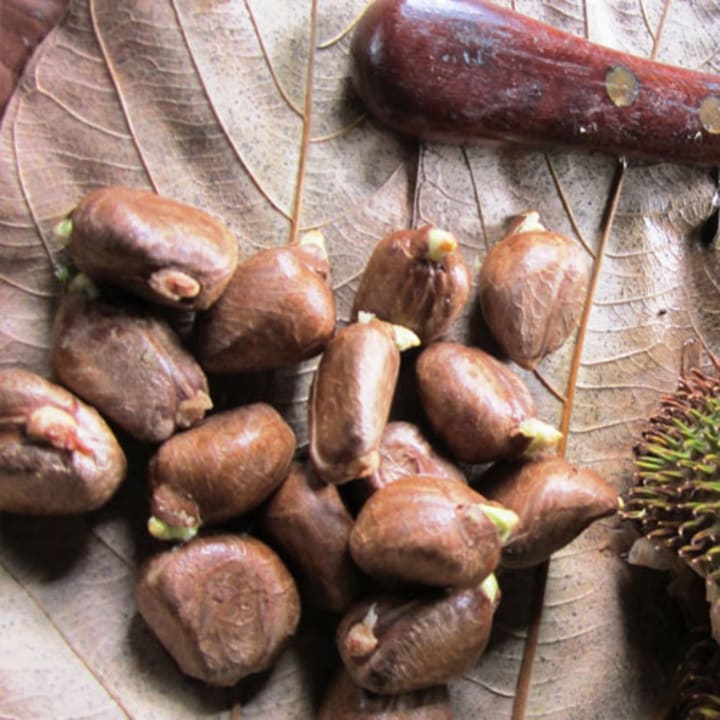
Breadnut is the fruit of an evergreen tree with very large leaves most likely native to Papua New Guinea, the Philippines, and Indonesia. The fruit is spherically shaped and covered with many short spines. The flesh is firm when unripe and when ripe is osft and contains seed similar to chestnuts. Unripe fruit is sliced, boiled, and enjoyed in soups, stews, and curries. Mostly breadnuts are grown for their edible seed which are roasted, steamed, or boiled.
Philippines
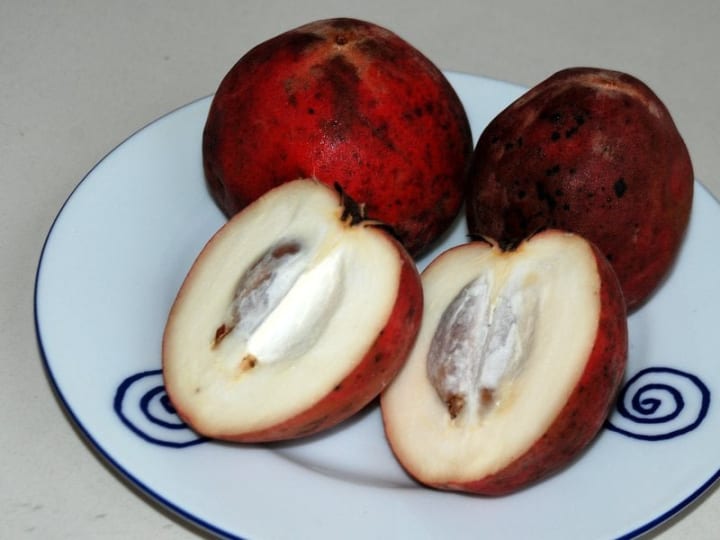
Velvet apple is the fruit of the Mabolo, an erect evergreen tree. The fruit is oblate and covered in short hairs. The pulp is soft and mealy, and the flavor is reminiscent of an apple-banana mixture. The fruit is eaten fresh, fried, or boiled and used in soups and meat dishes. It is a great source of calcium, iron, and Vitamin B.
Armenia
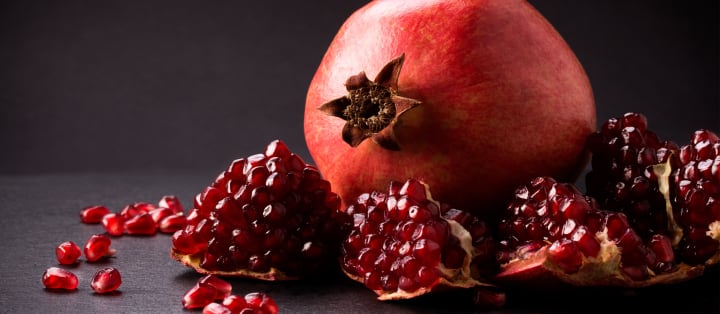
Armenian pomegranate is an indigenous fruit of the Armenian Highlands. The fruit has a thick , red shell and inside hundreds of small, juicy, red, glistening arils with tiny white seeds. The fruit has a tangy and mildly sweet flavor.
Singapore
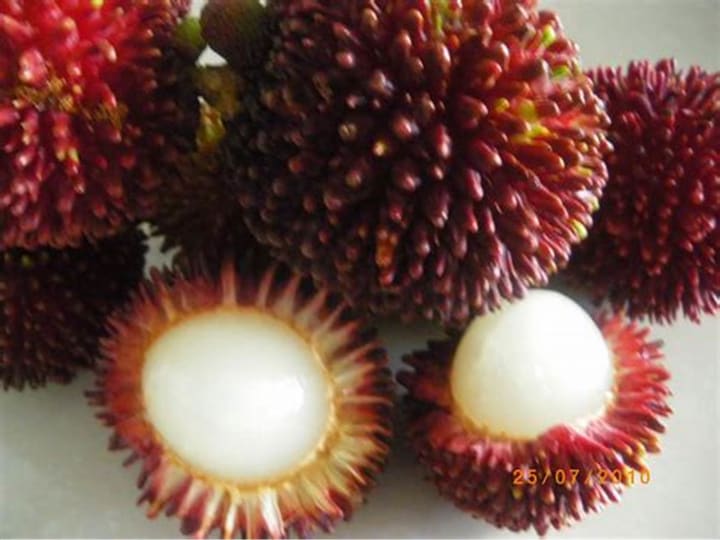
Pulsan is the fruit of an evergreen tree with a short trunk native to western Malaysia and Singapore. The fruit is oval, dark red to red or rarely yellow and has a thick leathery exterior covered in short and soft spines. The pulp is sweet and juicy with one seed. The fruit is eaten fresh or made in jam, It is a great source of calcium, Vitamin C, and carbohydrates. The seeds are edible when row and reminiscent in flavor of almonds.
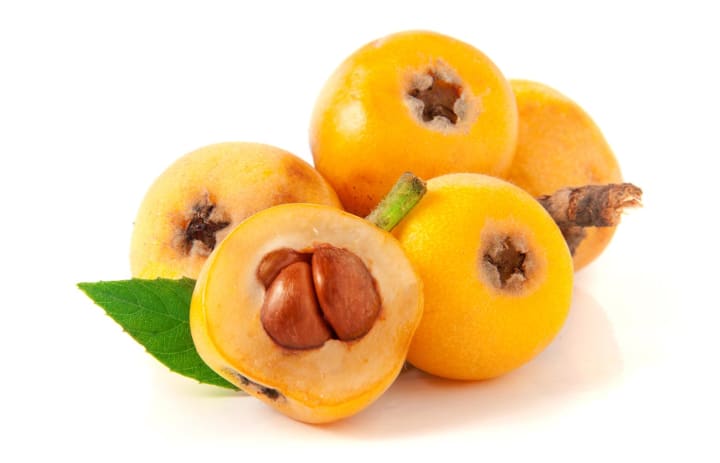
China
Loquat are large evergreen shrubs or small trees native to southeastern China. The fruit are round, oval, and pear-shaped. The flesh of the fruit is sub-acid to sweet in flavor and very aromatic. The ripe loquats are eaten fresh or used in fruit salads. They can be pickled, stewed for desserts, preserved with spices and used in sauces and chutneys. They have a high pectin content so are also used to make jams and jellies. They can be ferments to produce fruit wine.
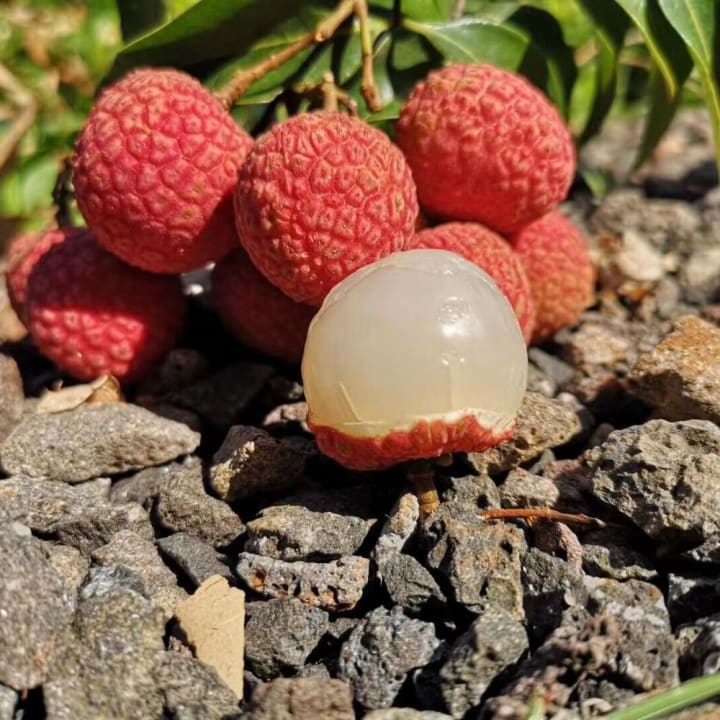
Lychee is a tropical fruit native to the provinces of Fujian and Guangdong in China. The fruit is oval to round, red colored, and has a brittle and inedible outer covering with white flesh on the inside and one large seed. The pulp is musky and aromatic when fresh and acidic and sweet when dried. Lychee is a good source of minerals, vitamins, and antioxidants. It is used for jelly, juice, ice creams, and wine.
Mexico
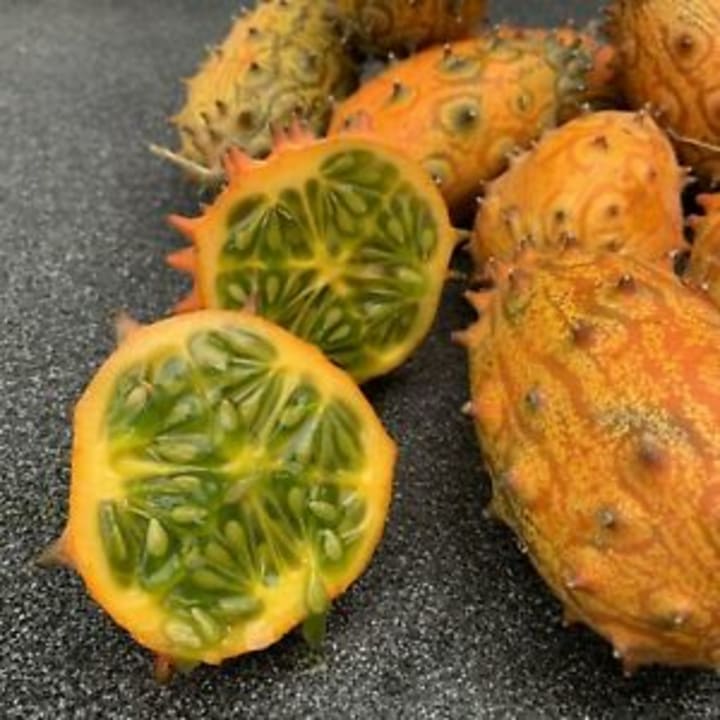
Cuchinito or exploding cucumber is a tropical fruit also enjoyed as a vegetable. The plant is native to the warm and humid regions from Mexico to Ecuador. The fruit are light green and covered in long, soft spines, When ripe the fruit bursts open and expels small seeds. While unripe the fruit is enjoyed in salads or pickled. Cuchinito can be steamed, boiled, and fried as a vegetable along with the young shoots and leaves.
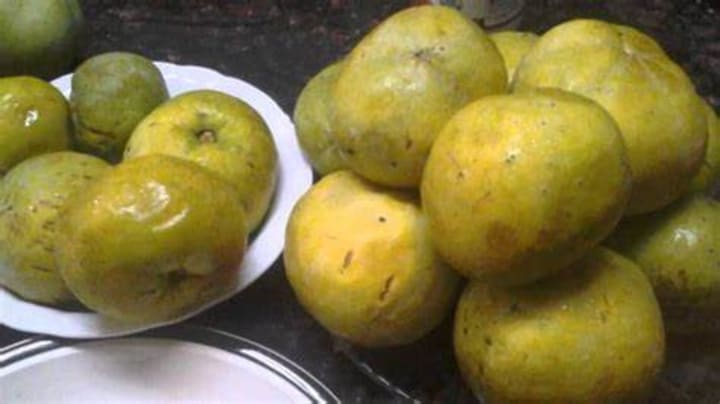
White sapote is an evergreen tree native to southeastern Mexico south to Costa Riva. The fruit is smooth-skinned with a soft pulp and white seeds. The flavor can be bland to bitter to sweet. When ripe the fruit has a texture reminiscent of avocados. The fruit can be eaten fresh or used in milkshakes, desserts, ice cream, and marmalades.
South America
Chile
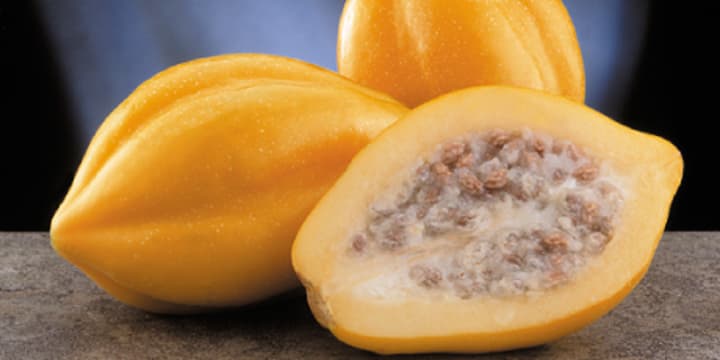
Mountain papaya is an evergreen softwood tree native to the Andes from southern Colombia to central Chile. The tree produces fruit with a soft flesh and many round brown seeds. The fruit is slightly tart and acidic with an intense aroma. Mountain papaya is enjoyed fresh or sprinkled with sugar. The fruit is used in jellies and marmalades and it can be stewed and served as dessert.
Peru
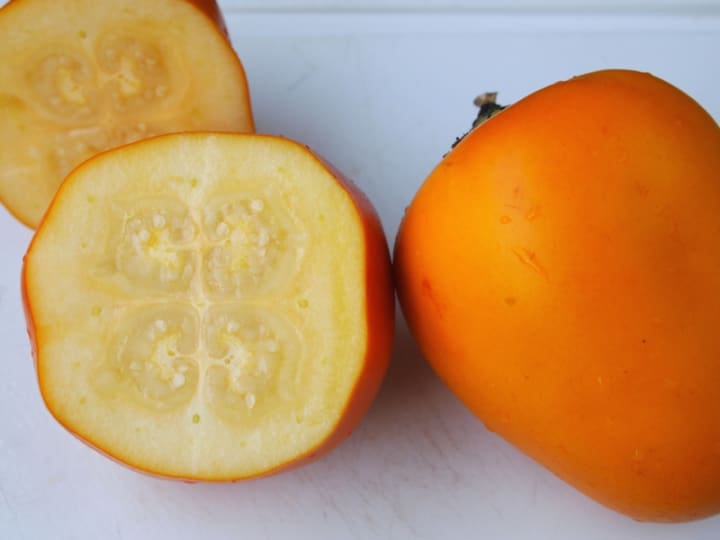
Cocona is a tropical fruit native to South America and the Andean region. The fruit has a thin, tough skin and the flesh is tart and fruity. It is reminiscent of tomato and used in making sauces, juices, ice cream, and desserts. The fruit is rich in Vitamin B5 and iron.
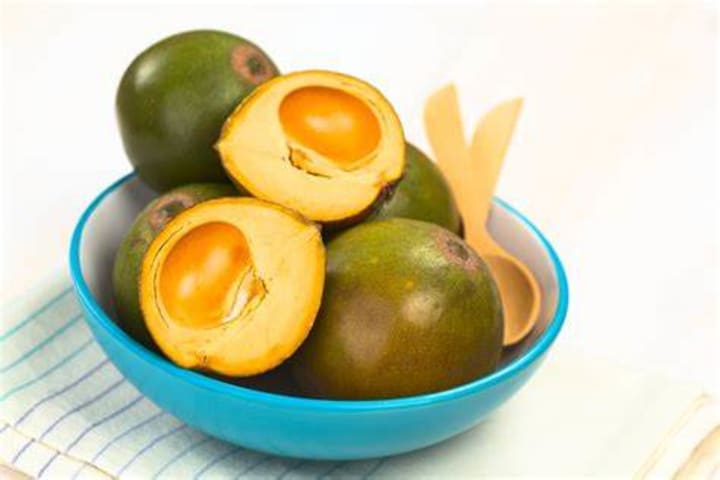
Lucuma is a fruit with high nutritional value with sources of calcium, protein, iron, zinc, and beta carotene. The flavor is slightly sweet reminiscent of maple and is great for making baked desserts and ice cream. Originally it was called gold of the Incas and looked upon as a symbol of fertility.
Bolivia
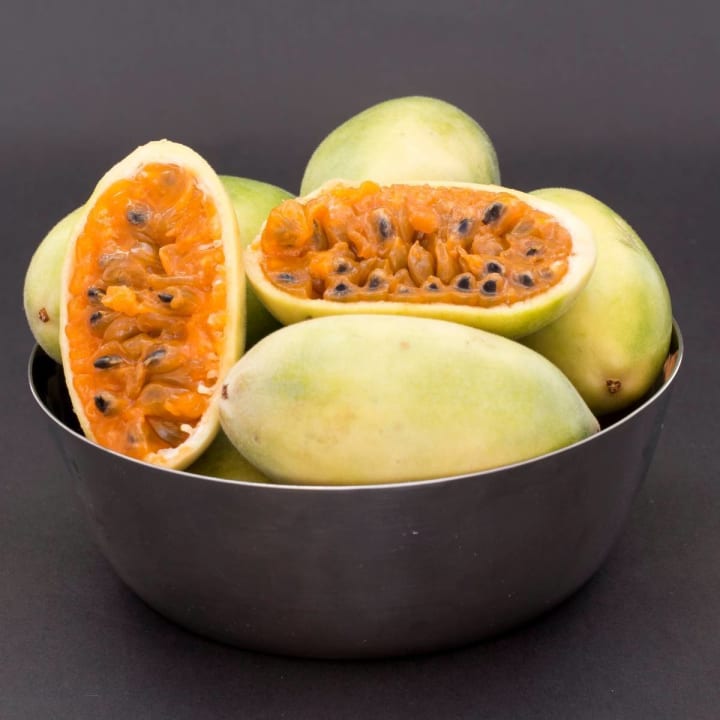
Banana passion fruit is a tropical fruit of the passion fruit family. It has an oval shape and light yellow to orange-yellow leathery skin. The fruit got its name because it resembles a small banana. The flesh is juicy and the orange pulp has many small black seed. Its fragrance is like organges and it taste sweet, tangy, and tart.
Colombia
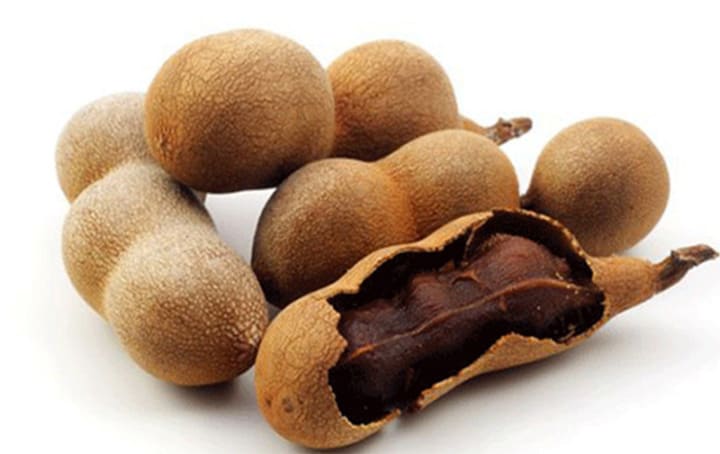
Tamarillo is a small shrub or tree native to the Andean regions of Columbia, Ecuador, Peru, Bolivia, and Chile. The fruit is egg-shaped and succulent with a slightly sweet to sub-acidic taste. Tamarillo is used in savory and sweet dishes such as salads, jams, and chutneys.

Argentina
Mburucuya is a passion fruit variety that grows wild in the province of Misiones in the Paran Forest of northeastern Argentina. It is distinguished by its bright green leaves, white flowers, and shallow roots. This is a perennials climbing plant with edible yellow or purple berries that have a juicy pulp and many seeds. The fruit can be eaten fresh or processed into fruit juice.
Brazil
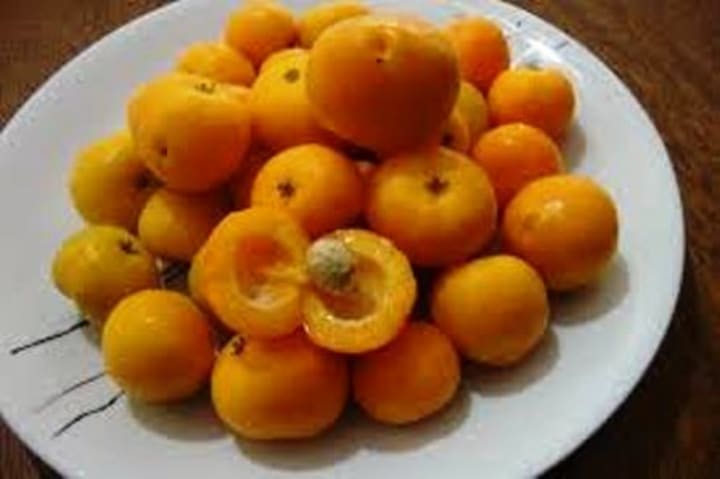
Uvalha is a tropical fruit of the Eugenia pyriformis tree, native to southern Brazil where it grows wild, The fruits are spherical and the pulp is juicy and aromatic with an acid to sub-acid flavor. It is used in making beverages.
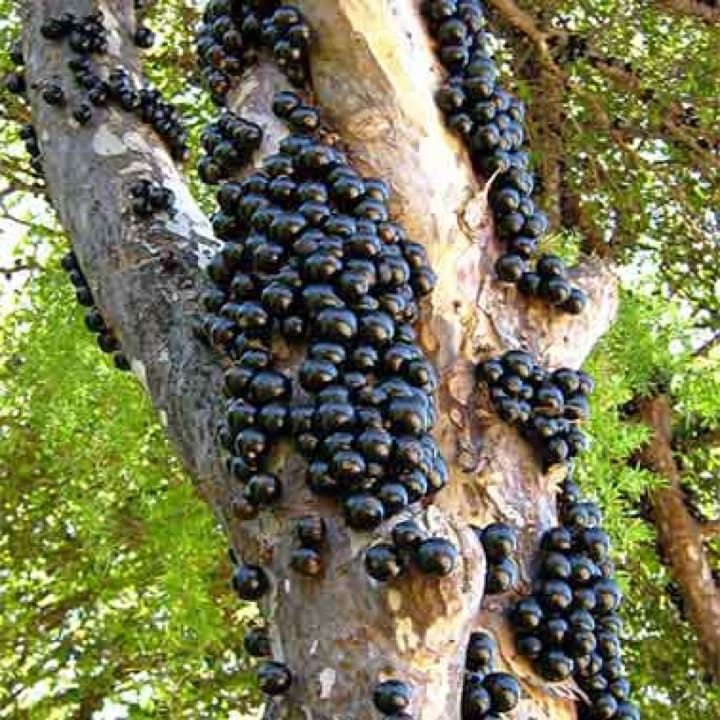
Jabuticaba are traditional Brazilian berries. They are dark purple with a thick skin and grow on tree trunks, The trees take between 6 to 8 years to bear fruit so the berries are very prized. They are a good source of antioxidants, calcium, potassium, iron, phosphorus, and Vitamins C and E. The flavor is sweet and acidic and they’re eaten fresh or used to make jellies, jams, and juices.
About the Creator
Rasma Raisters
My passions are writing and creating poetry. I write for several sites online and have four themed blogs on Wordpress. Please follow me on Twitter.
Keep reading
More stories from Rasma Raisters and writers in Feast and other communities.
Taste of the Greek Islands
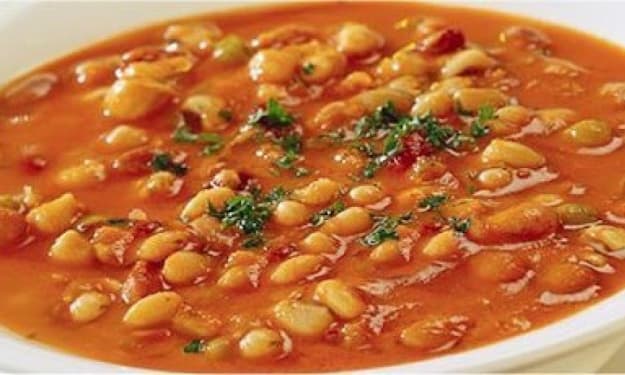
Soup Fasolada is a traditional Greek soup that is made with dried white beans drizzled with olive oil. The soup is eaten with different vegetables and herbs like onion, celery, and tomatoes. Prepare the soup by heating olive oil in the soup pot and add chopped onions, carrots, celery, and sliced garlic and sauté for a couple of minutes. Add tomato paste, tomato sauce, and crushed tomatoes with herbs and spices, and mix with white beans and broth. The soup is simmered for about half an hour until the vegetables are tender.
By Rasma Raisters3 years ago in Feast
My Tous les Jours Trip
As someone who lives in a rural area, I don't get the chance to visit fancy restaurants or bakeries that often. So, when a friend told me about a French-Asian bakery that's less than an hour away, I knew I had to check it out and grab some pictures for social media. Tous les Jours ended up providing an immersive experience that went above and beyond my expectations--although I did leave with a few reservations.
By Kaitlin Shanks23 days ago in Feast
Edible Offal Market Size and Forecast 2025: A Global Shift Toward Sustainable, Affordable Protein
Edible Offal Market Size and Forecast 2025 The Edible Offal Market is projected to reach US$ 59.60 billion by 2033, rising from US$ 39.66 billion in 2024, registering a CAGR of 4.63% from 2025 to 2033, according to Renub Research. This steady expansion reflects a powerful global shift toward affordable, nutrient-dense protein sources, culturally rooted culinary practices, rising meat consumption, sustainable meat processing, and increasing awareness of food waste reduction. Particularly in developing regions and ethnic cuisine markets, offal is no longer seen as a by-product—it is emerging as both a nutritional asset and a sustainability solution.
By Aaina Oberoi2 days ago in Feast



Comments
There are no comments for this story
Be the first to respond and start the conversation.