
Gluten-free Baking Mixes Market Size and Forecast 2025–2033
Rising Demand for Clean-Label, Allergen-Free Baking Fuels Global Gluten-free Mixes Market


The Gluten-free Baking Mixes Market is expected to reach US$ 977.96 million by 2033, rising from US$ 512.23 million in 2024, exhibiting a CAGR of 7.45% from 2025 to 2033, according to Renub Research. Fueled by surging demand for clean-label, allergen-free, and wellness-oriented products, the global market continues to transform the modern baking and packaged foods sectors.
As gluten intolerance and general health consciousness spread across regions, gluten-free baking mixes—once a niche solution for celiac patients—have become mainstream staples. From home bakers to fitness-focused consumers, demand is rising for products that deliver convenience without compromising taste, flavor, or nutrition.
Global Gluten-free Baking Mixes Industry Overview
The global gluten-free baking mixes industry is experiencing robust expansion due to growing health awareness, a rise in diagnosed gluten sensitivities, and lifestyle-driven adoption of gluten-free diets. Consumers increasingly associate gluten-free eating with reduced inflammation, improved digestion, enhanced energy levels, and overall wellness. This behavioral shift is reshaping product development, category diversification, and marketing strategies.
Manufacturers today prioritize clean-label formulas, organic ingredients, and nutritional enhancement, responding to a market where transparency and quality are paramount. Gluten-free mixes for bread, cakes, muffins, pancakes, brownies, and pizza bases are gaining popularity as consumers seek easy-to-prepare mixes that replicate the texture and flavor of traditional wheat-based products.
Technological innovations—such as advanced milling processes and multi-flour formulations—have helped overcome longstanding challenges in gluten-free baking. These technologies allow manufacturers to replicate the elasticity and structure typically provided by gluten, making gluten-free baked goods more appealing in mainstream markets.
Meanwhile, the rise of retail expansion and e-commerce—particularly in health-focused and premium grocery categories—continues to strengthen global product visibility. Partnerships, certifications like “Non-GMO” and “Certified Gluten-Free,” and rapid product launches are further enhancing market competitiveness.
With rising health consciousness across emerging economies, the market is poised for significant future growth, offering opportunities for global brands as well as regional innovators.
Key Factors Driving Market Growth
1. Growing Dietary Preferences and Health Awareness
Gluten-free diets have expanded beyond medical necessity to become a major wellness trend. Consumers—including those without celiac disease—are adopting gluten-free habits due to perceived benefits such as better digestion, reduced bloating, weight management, and enhanced vitality. Social media influencers, celebrities, nutritionists, and health coaches also play a substantial role in spreading gluten-free lifestyle movements.
As the clean-eating trend grows, demand rises for foods that are minimally processed, allergy-free, and naturally nourishing. Gluten-free baking mixes offer a convenient at-home alternative for people seeking healthy baked goods without compromising safety or quality.
Because the trend spans multiple age groups—children with allergies, adults focused on fitness, and seniors managing digestive issues—the market continues to broaden its consumer base.
2. Product Innovation and Improved Quality
Modern gluten-free baking mixes have evolved significantly from their early versions, which were often criticized for dry texture, lack of consistency, and muted flavor. Thanks to advances in food science and improved ingredient sourcing, today’s formulations are taste-competitive with wheat-based products.
Manufacturers commonly use blends of rice, sorghum, almond, coconut, chickpea, and corn flour, combined with natural binders such as xanthan gum and psyllium husk to improve elasticity and moisture retention. These innovations help replicate the sensory experience of traditional baking.
Additionally, the market is witnessing:
Organic and non-GMO product launches
High-protein and fortified baking mixes
Sugar-free or low-glycemic formulations
Vegan and allergen-free versions
Such premium innovations continue to attract mainstream consumers who prioritize nutrition and flavor parity.
3. Expansion of Distribution Channels
Retail expansion is a major force driving the accessibility and growth of gluten-free baking mixes. Supermarkets, hypermarkets, specialty health stores, and gourmet shops have dedicated “free-from” sections, making gluten-free mixes easy to find for everyday consumers.
E-commerce has revolutionized the category with:
Personalized recommendations
User reviews that build trust
Subscription-based deliveries
Direct-to-consumer (D2C) brand models
Increased product discovery among niche communities
Meal kit providers are also partnering with gluten-free brands to diversify menu offerings.
As brands reach global markets with improved logistics and export frameworks, distribution expansion continues to be a key growth driver for the industry.
Major Challenges in the Gluten-free Baking Mixes Market
1. High Production Costs and Pricing Pressures
Producing gluten-free baking mixes is inherently expensive due to:
Higher-priced gluten-free grains
Special milling and blending processes
Dedicated manufacturing lines to avoid cross-contamination
Stringent certification requirements
The premium pricing of gluten-free ingredients often gets passed on to consumers, making affordability a barrier—particularly in price-sensitive developing markets. Manufacturers face the dual challenge of maintaining product quality while reducing costs to stay competitive.
2. Consumer Skepticism and Taste Concerns
Despite improvements, some consumers remain hesitant due to past experiences with poor-quality gluten-free products. Inconsistent texture, grittiness, dryness, and flavor issues still linger in consumer perception.
Overcoming skepticism requires:
Stronger consumer education
Transparent labeling
Better sensory experiences
Continuous R&D to meet diverse regional taste preferences
Brands must work harder to convert infrequent or skeptical buyers into loyal customers, especially in markets unfamiliar with gluten-free diets.
Regional Outlook
North America
North America—especially the United States—leads the global gluten-free baking mixes market due to high consumer awareness, rising celiac diagnoses, and a strong culture of health-focused eating. Major retail chains, specialty health stores, and premium grocery brands heavily promote gluten-free alternatives. Innovation thrives here, with companies offering everything from high-protein bread mixes to keto-friendly blends.
Europe
Europe follows closely, driven by strong regulatory frameworks, advanced health labeling, and high consumer trust. The UK, Germany, Italy, and France display strong demand due to increased allergy awareness and a surge in home baking activities. Premium and organic gluten-free mixes are especially popular.
Asia Pacific
Asia Pacific is emerging as a high-growth region, supported by urbanization, Western food influences, rising incomes, and growing interest in holistic wellness. India, China, Australia, Japan, and South Korea are witnessing a shift toward gluten-free alternatives. Although awareness remains limited in certain areas, e-commerce is accelerating market access.
Latin America & Middle East
Countries like Brazil, Mexico, Saudi Arabia, the UAE, and South Africa are gradually recognizing gluten sensitivities and health-driven diets. Rising fitness culture and increased exposure to global food trends are creating new opportunities for gluten-free baking mix brands.
Country-Level Insights
United States
The U.S. market remains the world's largest, driven by high gluten sensitivity rates, celebrity endorsements of gluten-free living, and a thriving health food ecosystem. Convenience, flavor diversity, and omnichannel retail access make gluten-free baking mixes widely popular across demographics.
United Kingdom
The UK’s strict allergen labeling laws and strong consumer trust in certified products bolster market growth. Free-from sections in major supermarkets are expanding, and home baking trends remain stable post-pandemic.
India
India’s gluten-free market is still developing but growing quickly due to rising celiac awareness and interest in millet-based and low-allergen diets. Domestic brands are experimenting with regionally inspired gluten-free formulations.
United Arab Emirates
The UAE’s multicultural population, high disposable income, and strong premium retail presence drive demand for imported gluten-free baking mixes. Government health initiatives also encourage adoption of clean-eating habits.
Market Segmentation
By Product Type
Bread Mixes
Cookies & Biscuits Mixes
Cakes & Muffins (including cupcakes)
Other Gluten-Free Bakery Mixes (brownies, pancakes, etc.)
By Flour Type
Corn Flour
Rice Flour
Other Flour Types (almond, coconut, sorghum, etc.)
By Distribution Channel
Supermarkets & Hypermarkets
Convenience Stores
Specialist Stores
Online Retail
Other Channels
Regional Coverage
North America (U.S., Canada)
Europe (France, Germany, Italy, Spain, UK, Belgium, Netherlands, Turkey)
Asia Pacific (China, Japan, India, South Korea, Thailand, Malaysia, Indonesia, Australia, New Zealand)
Latin America (Brazil, Mexico, Argentina)
Middle East & Africa (Saudi Arabia, UAE, South Africa)
Key Companies Covered
General Mills Inc.
Conagra Brands, Inc.
Kinnikinnick Foods Inc.
Williams-Sonoma Inc.
Continental Mills, Inc.
Partake Foods
Chebe
naturpro
King Arthur Baking Company, Inc.
SalDoce Fine Foods
(Each including company overview, key persons, SWOT analysis, revenue insights, and recent developments.)
Final Thoughts
The gluten-free baking mixes market is transitioning from a niche health segment to a global mainstream category. With rising dietary awareness, advancements in food technology, and expanding retail access, demand is projected to grow strongly through 2033. Innovation remains at the heart of this upward trajectory, as manufacturers strive to deliver products that balance taste, nutrition, convenience, and affordability.
As health-driven consumer behavior continues to evolve, gluten-free baking mixes will play a pivotal role in shaping the future of allergen-free and clean-label food products across global markets.
About the Creator
Marthan Sir
Educator with 30+ years of teaching experience | Passionate about sharing knowledge, life lessons & insights | Writing to inspire, inform, and empower readers.
Keep reading
More stories from Marthan Sir and writers in Feast and other communities.
Meat Snacks Market Analysis: Global Demand Accelerates as High-Protein Snacking Goes Mainstream
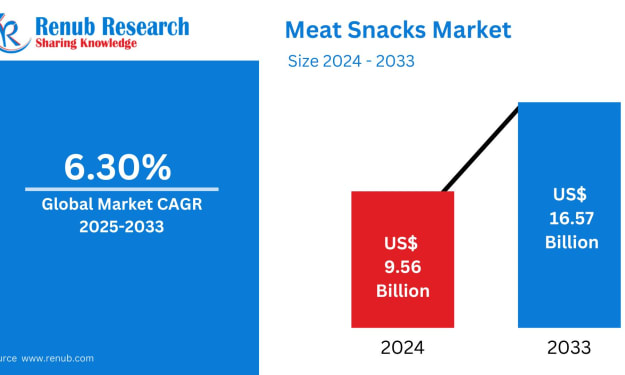
The global meat snacks market is undergoing one of the most dynamic expansions in the packaged food industry. According to Renub Research, the market is projected to grow from USD 9.56 billion in 2024 to USD 16.57 billion by 2033, registering a healthy CAGR of 6.30% from 2025 to 2033. This robust trajectory underscores a major shift in consumer behavior: the demand for high-protein, portable, and flavorful snacks is no longer a passing trend—it has become a global lifestyle preference.
By Marthan Sirabout a month ago in Feast
My Tous les Jours Trip
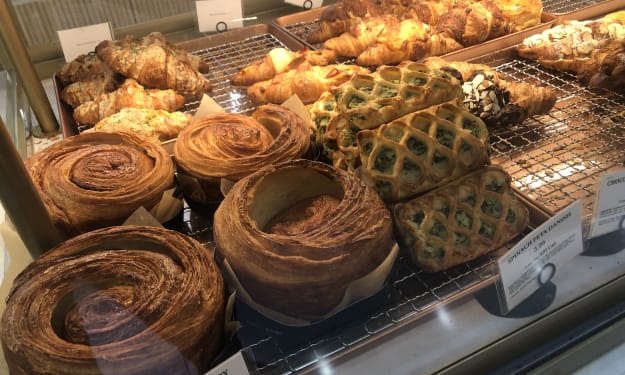
As someone who lives in a rural area, I don't get the chance to visit fancy restaurants or bakeries that often. So, when a friend told me about a French-Asian bakery that's less than an hour away, I knew I had to check it out and grab some pictures for social media. Tous les Jours ended up providing an immersive experience that went above and beyond my expectations--although I did leave with a few reservations.
By Kaitlin Shanks16 days ago in Feast


Comments
There are no comments for this story
Be the first to respond and start the conversation.