
Global Tea Traditions: Rituals and Recipes
From quiet ceremonies to street-side brews, tea connects the world in a single cup

Tea is one of the most widely consumed drinks in the world, second only to water. But tea is never just a drink — it’s a symbol, a tradition, and often a ritual deeply tied to culture. Across continents, tea has taken on many forms, each with its own unique preparation methods, meanings, and flavors.
Here’s a journey through global tea traditions, along with the small cultural stories behind them.
China – The Birthplace of Tea
Tea originated in China thousands of years ago, and it’s still central to daily life. The Chinese Gongfu tea ceremony is not about speed — it’s about slowing down. Tiny clay teapots and miniature cups are used to brew multiple infusions of high-quality tea leaves, often oolong or pu-erh. The process is precise, with each pour timed to extract just the right flavor.
Signature recipe: Gongfu Oolong — brew 5–7g of loose oolong leaves in a small teapot with hot (but not boiling) water, steep for 10–20 seconds, and repeat for multiple infusions.
Japan – Zen in a Cup
The Japanese tea ceremony, or chanoyu, is a meditative ritual centered around matcha — finely ground green tea powder. Every gesture is deliberate, from the way the tea whisk is handled to the placement of utensils. The tea itself is rich, slightly bitter, and frothy from whisking.
Signature recipe: Traditional Matcha — sift 1–2 teaspoons of matcha powder into a bowl, add 70–80ml of hot water, whisk in a “W” motion until frothy.
India – Street-Side Chai
In India, tea isn’t served in silence — it’s poured into bustling streets from steaming kettles. Masala chai combines black tea with milk, sugar, and a blend of spices like cardamom, ginger, and cinnamon. It’s boiled together for a strong, sweet, and aromatic brew often served in small clay cups.
Signature recipe: Masala Chai — simmer 2 cups water with 2–3 crushed cardamom pods, a cinnamon stick, and sliced ginger for 5 minutes. Add 2 teaspoons black tea leaves, 1 cup milk, and sugar to taste. Boil again before straining.
Morocco – A Gesture of Hospitality
In Morocco, tea means welcome. Moroccan mint tea blends Chinese green tea with fresh mint leaves and a generous amount of sugar. It’s poured from a height to create a foamy top — a sign of skill and respect for the guest. The sweeter the tea, the warmer the welcome.
Signature recipe: Moroccan Mint Tea — steep 1 tablespoon green tea leaves in 4 cups boiling water for 3 minutes, strain, add fresh mint leaves and 3–4 tablespoons sugar, then pour back and forth between pot and glass to mix.
Turkey – A Social Staple
Turkish tea, or çay, is brewed in a double teapot system. Strong tea is brewed in the top pot, while hot water is kept in the bottom pot. People then dilute the concentrated tea with hot water to their liking. It’s served in small tulip-shaped glasses, often alongside pastries or savory snacks.
Signature recipe: Turkish Çay — fill the bottom pot with water and bring to a boil. In the top pot, add 2 tablespoons of black tea leaves and fill with boiling water. Brew for 10–15 minutes, then serve by mixing with hot water in each glass to taste.
England – Afternoon Elegance
The British afternoon tea tradition dates back to the 19th century. It’s more than a drink — it’s an occasion, often paired with sandwiches, scones, and pastries. Strong black teas like Earl Grey or English Breakfast are served with milk and sometimes sugar, accompanied by fine china and quiet conversation.
Signature recipe: Classic English Tea — steep 1 teaspoon black tea leaves (or 1 teabag) in boiling water for 3–5 minutes. Add milk and sugar to taste.
Tibet – Butter Tea for the High Altitudes
In the Himalayas, warmth and energy matter more than delicacy. Tibetan butter tea, or po cha, is made by churning black tea with yak butter and salt. It’s rich, creamy, and calorie-dense — perfect for cold mountain climates. While it may be an acquired taste, it’s a daily essential for many Tibetans.
Signature recipe: Tibetan Butter Tea — boil 2 teaspoons black tea in 2 cups water for 5 minutes, strain, then blend with 2 tablespoons unsalted butter and 1/4 teaspoon salt.
Argentina – Sharing the Mate
In Argentina, yerba mate is more than a drink — it’s a social ritual. Dried yerba mate leaves are steeped in a gourd and sipped through a metal straw called a bombilla. The gourd is passed around a circle of friends, symbolizing community and connection.
Signature recipe: Traditional Mate — fill a mate gourd two-thirds full with yerba mate leaves, add a little cool water to moisten, then pour in hot (not boiling) water and sip through a bombilla. Refill with hot water and repeat.
Russia – Samovar Brewing
In Russia, tea is brewed in a samovar, a metal container that keeps water hot for hours. A concentrated tea called zavarka is prepared in a small teapot, then diluted with hot water from the samovar to suit each drinker’s taste. Often served with jam, cookies, or even savory pies, it’s a comforting household staple.
Signature recipe: Zavarka — brew 3–5 tablespoons black tea leaves in a small pot with just enough boiling water to cover them. Serve by adding a small amount to each cup, then diluting with hot water from the samovar.
Kenya – Strong and Sweet
Kenya is one of the world’s largest tea producers, and Kenyan chai is brewed strong and sweet, often with milk. Tea breaks are an important part of daily life, offering moments of rest and connection. The tea is bold in flavor, reflecting the country’s robust black tea varieties.
Signature recipe: Kenyan Chai — bring 2 cups water to a boil with 2 teaspoons black tea leaves, add 1 cup milk, simmer for 5 minutes, then sweeten generously.
Final Thoughts
Whether it’s whisked in silence, boiled on a busy street corner, or passed around a circle of friends, tea connects people across the globe. Each tradition tells a story — of climate, culture, and the values of the people who drink it. The next time you sip tea, remember that somewhere in the world, someone else is sharing a similar moment, in their own way, from their own cherished tradition.
About the Creator
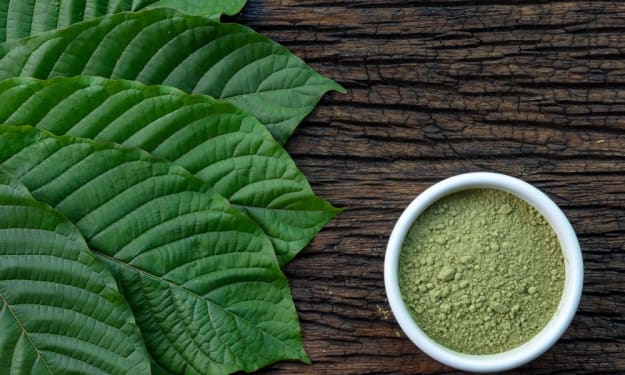
Kratom Powder Benefits: What Research and Experts Actually Say
Interest in herbal products has grown rapidly over the last decade. People now explore natural botanicals for different wellness routines, and kratom often appears in that conversation. Many online searches focus on kratom powder benefits, but the topic requires careful discussion.
By thomas oshoboabout 12 hours ago in Feast
Review of 'Man on the Run'
My wife and I saw Man on the Run, a nearly 2-hour documentary on Amazon Prime, about Wings, Paul McCartney's group that flew around the world from shortly after The Beatles broke up in early 1970 to shortly after John Lennon was murdered at the end of 1980, making a Beatles reunion forever impossible.
By Paul Levinson5 days ago in Beat



Comments
There are no comments for this story
Be the first to respond and start the conversation.