
Global Spices Market Size and Forecast 2025–2033
Rising Appetite for Flavor, Health, and Ethnic Cuisine Drives Steady Global Expansion


Global Spices Market Overview
The Global Spices Market continues to witness robust growth as culinary traditions, health awareness, and food innovation intersect worldwide. Valued at US$ 30.52 billion in 2024, the market is projected to expand at a CAGR of 6.71% during 2025–2033, reaching an estimated US$ 54.75 billion by 2033. This steady rise is fueled by growing demand for ethnic cuisine, rising awareness of the health benefits of spices, and expanding applications in food processing, pharmaceuticals, and wellness products.
Spices—derived from seeds, bark, roots, fruits, and flowers—have shaped global trade for centuries. Today, they are no longer limited to traditional kitchens. Instead, they are central to modern lifestyles, influencing gourmet dining, packaged food consumption, nutraceuticals, and even cosmetics. From turmeric’s anti-inflammatory properties to ginger’s immunity-boosting role, spices have evolved into functional ingredients with economic and health significance.
Global Spices Market Outlook
The globalization of food culture has transformed spice consumption from a regional habit into a universal phenomenon. With increasing travel, media exposure, and migration, consumers are embracing bold flavors from Asia, the Middle East, Africa, and Latin America. This cultural exchange has translated into growing household demand, expanding restaurant menus, and higher industrial usage in ready-to-eat and processed foods.
In parallel, the shift toward natural, clean-label, and plant-based ingredients has positioned spices as a preferred alternative to artificial flavorings and preservatives. Their antioxidant, antimicrobial, and anti-inflammatory properties make them essential for health-conscious consumers seeking functional nutrition. As a result, spices are becoming integral not only to food but also to wellness and preventive healthcare.
Growth Drivers of the Global Spices Market
Growing Health Consciousness and Demand for Natural Ingredients
Consumers are increasingly replacing synthetic additives with natural ingredients, and spices are at the forefront of this transition. Turmeric, cinnamon, ginger, garlic, and black pepper are widely recognized for their medicinal value. The rise of immunity-focused diets and functional foods has further boosted demand.
The organic food movement has also played a vital role. Consumers now seek certified organic, ethically sourced, and chemical-free spices, encouraging companies to invest in sustainable farming and transparent sourcing. In March 2023, VAHDAM India entered the spice segment with VAHDAM Spices, partnering with Indian farmers to deliver pure, wellness-focused spice products globally—highlighting how health and sustainability are shaping market strategies.
Globalization of Food and Cuisine
The expanding popularity of ethnic cuisines is a major catalyst for spice consumption. Asian, Middle Eastern, Mexican, and African flavors are becoming mainstream across Europe and North America. Restaurants, cloud kitchens, and packaged food companies are launching international spice blends to meet this growing curiosity.
What began in metropolitan cities is now extending to suburban and rural regions, driven by social media, cooking shows, and food tourism. This global appetite for diverse flavors continues to push both volume and value growth across the spice industry.
Rise of E-commerce and Packaged Branded Spices
Digital transformation has reshaped spice retailing. E-commerce platforms now offer access to rare, premium, and organic spices from across the globe. Small and medium producers can directly reach international consumers, reducing dependency on traditional distributors.
At the same time, branded packaged spices with hygienic packaging, traceability, and quality assurance are gaining preference over loose spices. In January 2025, KRBL announced plans to enter the spice segment alongside its premium rice packaging initiative, signaling how established food brands are diversifying into high-margin spice products.
Key Challenges in the Global Spices Market
Volatile Raw Material Costs and Supply Chain Disruptions
Spice cultivation is highly sensitive to climate change, rainfall patterns, pest attacks, and soil conditions. Any disruption in farming directly affects supply and prices. Cardamom, saffron, and black pepper are especially vulnerable to yield fluctuations, leading to market price instability.
Logistics challenges, particularly in developing regions, further complicate the supply chain. Maintaining quality, freshness, and timely delivery remains a critical hurdle for exporters and processors alike.
Adulteration and Quality Concerns
Adulteration remains one of the most persistent challenges in the spice trade. Some producers mix fillers, artificial colors, or outdated stock to cut costs. As consumers become more informed, demand for certification, traceability, and food safety compliance is rising.
While stricter regulations are improving transparency, the cost of compliance can burden small-scale producers, creating a barrier to market participation. However, investments in testing technology and blockchain traceability are gradually strengthening trust across the supply chain.
Segment Insights
Pepper Spices Market
Black pepper remains one of the world’s most traded spices, used extensively in home cooking and food processing. Its digestive and anti-inflammatory properties make it a staple in wellness diets. India, Vietnam, and Indonesia dominate production, while organic and sustainably sourced pepper is increasingly preferred by premium food brands.
Ginger Spices Market
Ginger holds a dual role as a spice and medicinal herb. Its use in teas, health drinks, pharmaceuticals, and global cuisine has surged—especially following increased demand for immunity boosters during and after the COVID-19 pandemic. The growing interest in natural remedies ensures continued growth for this segment.
Chilies Spices Market
Chilies are indispensable in global cooking, from Indian curries to Mexican salsas. The market includes fresh, dried, powdered, and flaked forms. Rising demand for spicy foods, especially among younger consumers, continues to fuel this segment. Capsaicin-rich chilies are also gaining traction in pain relief and metabolic health products.
Meat and Poultry Spices Market
With the rise of protein-rich diets and convenience foods, spice blends for meat and poultry have seen strong demand. Barbecue rubs, Cajun mixes, and tandoori masala are widely used in restaurants and home kitchens. This segment benefits from innovation in regional and ethnic flavor blends.
Powdered Spices Market
Powdered spices dominate retail shelves due to their convenience and long shelf life. Turmeric, cumin, coriander, and paprika are widely used in packaged foods and home cooking. Clean-label and organic powdered spices are opening new opportunities for premiumization.
Whole Spices Market
Whole spices are gaining popularity for their superior aroma and perceived purity. Consumers prefer grinding them fresh at home for maximum flavor. This segment remains strong in traditional markets such as India, the Middle East, and Africa, and also appeals to restaurants and spice blenders seeking high-quality raw ingredients.
Regional Market Insights
United States Spices Market
The U.S. spice market is thriving due to multicultural influence and growing interest in global cuisine. Mexican, Indian, Thai, and Middle Eastern flavors are in high demand. Organic and non-GMO spices are particularly popular.
The U.S. imported over US$ 50 million worth of turmeric in 2023, reflecting strong health-driven demand. Industry leaders like McCormick and Kerry Group continue to innovate with low-sodium seasoning blends and functional spice solutions.
France Spices Market
France’s spice market is shaped by gourmet cuisine and premium imports. Traditional blends such as herbs de Provence remain popular, while demand for exotic spices like turmeric and saffron is rising. Ethical sourcing and organic certification play an increasingly important role among French consumers.
India Spices Market
India remains the world’s largest producer, consumer, and exporter of spices. Turmeric, cumin, coriander, chili, and cardamom form the backbone of domestic and export markets. Government support is strengthening India’s global competitiveness.
In August 2024, the Spices Board of India launched the SPICED Scheme, allocating ₹422.30 crore through FY 2025–26 to enhance productivity, post-harvest quality, and sustainability—particularly benefiting farmers, SMEs, exporters, and the Northeast region.
Saudi Arabia Spices Market
Saudi Arabia’s spice market is expanding due to a strong culinary culture centered around rice and meat-based dishes such as mandi and kabsa. The country relies heavily on imports, making it a major destination for exporters.
In October 2024, Saudi Arabia announced plans to become a leading producer of saffron, highlighting its ambition to enter high-value spice production while reducing import dependency.
Market Segmentation
By Product Type
Pure Spices: Chilies, Ginger, Cumin, Pepper, Turmeric, Coriander, Cardamom, Others
Blended Spices
By Application
Meat & Poultry Products
Bakery & Confectionery
Frozen Foods
Snacks & Convenience Foods
Others
By Form
Powder
Whole
Crushed
Chopped
By Geography
North America: U.S., Canada
Europe: France, Germany, Italy, Spain, U.K., Belgium, Netherlands, Turkey
Asia Pacific: China, Japan, India, South Korea, Thailand, Malaysia, Indonesia, Australia, New Zealand
Latin America: Brazil, Mexico, Argentina
Middle East & Africa: Saudi Arabia, UAE, South Africa
Competitive Landscape
The global spices market is highly competitive, with companies focusing on quality, innovation, and sustainability. Each major player is analyzed across four viewpoints: Overview, Key Persons, Recent Developments & Strategies, and Revenue Analysis.
Key Players Include:
Ajinomoto Co. Inc.
ARIAKE JAPAN Co. Ltd.
Associated British Foods plc
Baria Pepper Co. Ltd.
Döhler
EVEREST Food Products Pvt. Ltd.
The Kraft Heinz Company
Kerry Group plc
McCormick & Company
Olam International
These companies are investing in sustainable sourcing, clean-label products, advanced processing, and new flavor innovations to capture emerging demand.
Final Thoughts
The Global Spices Market is evolving beyond traditional culinary use into a strategic component of health, wellness, and modern food systems. With rising health awareness, global cuisine adoption, and technological advancements in processing and distribution, spices are becoming essential in both household kitchens and industrial food production.
Despite challenges like price volatility and adulteration, innovation, regulation, and sustainability initiatives are strengthening the market’s foundation. As consumers continue to seek authentic flavors and natural ingredients, the spices industry is well-positioned for sustained growth through 2033—blending tradition with modern demand in every pinch of flavor.
About the Creator
Janine Root
Janine Root is a skilled content writer with a passion for creating engaging, informative, and SEO-optimized content. She excels in crafting compelling narratives that resonate with audiences and drive results.
Keep reading
More stories from Janine Root and writers in Feast and other communities.
Mushroom Market Size and Forecast 2025–2033: Growth, Trends, and Opportunities Shaping a $126 Billion Industry
Mushroom Market Overview The global mushroom market is experiencing a remarkable transformation, fueled by changing consumer diets, technological innovations, and a growing emphasis on sustainability and health. According to Renub Research, the mushroom market is expected to reach US$ 126.41 billion by 2033, rising from US$ 58.35 billion in 2024, registering a strong CAGR of 8.97% from 2025 to 2033.
By Janine Root about 9 hours ago in Feast
My Tous les Jours Trip
As someone who lives in a rural area, I don't get the chance to visit fancy restaurants or bakeries that often. So, when a friend told me about a French-Asian bakery that's less than an hour away, I knew I had to check it out and grab some pictures for social media. Tous les Jours ended up providing an immersive experience that went above and beyond my expectations--although I did leave with a few reservations.
By Kaitlin Shanks28 days ago in Feast
India Organic Food Market Size and Forecast 2025–2033: A Healthy Shift Toward Sustainable Consumption
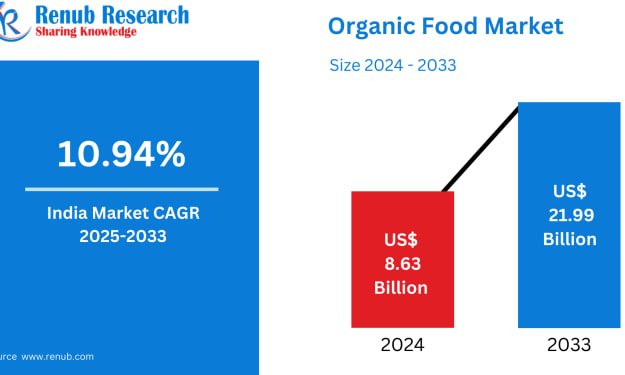
India Organic Food Market Overview The India Organic Food Market is undergoing a major transformation, fueled by rising health consciousness, environmental awareness, and government-backed initiatives promoting sustainable agriculture. According to Renub Research, the market was valued at US$ 8.63 billion in 2024 and is projected to reach US$ 21.99 billion by 2033, growing at a robust CAGR of 10.94% from 2025 to 2033.
By Aaina Oberoiabout 10 hours ago in Feast



Comments
There are no comments for this story
Be the first to respond and start the conversation.