
Global Organic Dairy Market Trends & Summary
Rising Health Awareness, Sustainability, and Certifications Fuel the Organic Dairy Boom Worldwide


Introduction
The global organic dairy market is moving through one of its most transformative growth phases, driven by rising consumer health consciousness, environmental sustainability concerns, strict government certifications, and expanding retail accessibility. According to Renub Research, the Organic Dairy Market is expected to reach US$ 59.50 billion by 2033, up from US$ 28.70 billion in 2024, growing at a CAGR of 8.44% during 2025–2033. This robust growth reflects a worldwide surge in demand for cleaner, ethically sourced, and ecologically responsible dairy products.
As more consumers shift toward products free from synthetic chemicals, hormones, and antibiotics, the organic dairy sector continues to gain strength. From fluid milk and yogurt to cheese, butter, and cream, demand is rising across all product categories—supported by consumers seeking nutrition, transparency, and environmental responsibility.
Organic Dairy Industry Overview
The organic dairy industry has evolved from a niche market to a global commercial force. Growing concerns over the health impacts of conventional dairy farming—such as excessive pesticide use, hormones, and antibiotics—have led consumers to prefer organic options. Organic dairy products, including milk, cheese, butter, and yogurt, are perceived as healthier due to their higher levels of omega-3 fatty acids, antioxidants, and essential nutrients, along with the elimination of artificial growth promoters.
Equally important is the industry's sustainability advantage. Organic dairy farming promotes soil health, biodiversity, and reduced carbon emissions, contributing to environmental protection. These sustainable practices align closely with the values of modern consumers who are increasingly eco-conscious.
Governments and regulatory bodies across major markets, including the U.S., EU, India, Australia, and Japan, are establishing rigorous certification systems that authenticate organic labeling. Although high production costs and certification challenges remain barriers, rising consumer demand continues to drive investment and expansion in the organic dairy ecosystem.
Key Market Growth Drivers
1. Environmental Sustainability
Environmental concerns are among the strongest drivers of organic dairy growth. According to the FAO, over 150 million farmers worldwide depend on dairy farming for their livelihoods, making sustainable practices crucial to global agriculture.
Organic dairy farming emphasizes:
Rotational grazing
No synthetic pesticides or antibiotics
Organic animal feed
Enhanced animal welfare
Reduced soil and water pollution
These practices not only protect natural ecosystems but also reduce greenhouse gas emissions compared to industrial dairy farming. As consumers and governments increasingly prioritize climate-friendly production, organic dairy continues to benefit from this shift.
2. Strong Regulatory Support & Certification Reliability
Strict certification and regulatory frameworks play a critical role in market growth, providing transparency and authenticity that build consumer trust.
Examples include:
USDA Organic (United States): Ensures dairy products meet strict feed and animal welfare standards.
EU Organic Certification: One of the most stringent frameworks globally.
APEDA (India): Gives farmers access to 29 accredited certification bodies, improving organic conversion accessibility.
These certifications require annual inspections, detailed documentation, and rigorous compliance measures. While demanding, they guarantee product integrity, strengthening consumer confidence and market credibility.
3. Rising Consumer Health Consciousness
Health is one of the most decisive factors driving organic dairy demand. A survey by L.E.K. Consulting found:
63% of consumers aim to eat healthily most or all the time
93% want to make healthier choices at least occasionally
Organic dairy products appeal strongly to this demographic because they are free from:
Synthetic hormones
Antibiotics
Genetically modified organisms (GMOs)
Harmful pesticide residues
They also contain higher levels of vitamins, minerals, omega-3 fatty acids, and antioxidants, making them a preferred choice among health-conscious consumers and families.
Rising awareness has led to increasing demand for:
Organic whole and reduced-fat milk
Organic yogurt
Organic cheese varieties
Organic butter and cream
Consumers are now willing to pay premium prices for verified health benefits, particularly in North America, Western Europe, and emerging middle-income markets like India.
Challenges in the Organic Dairy Market
Despite its remarkable growth, the organic dairy industry faces several constraints that could impact scalability.
1. High Production Costs
Organic dairy farming requires:
Expensive organic-certified feed
More land for rotational grazing
Labor-intensive animal care
Prohibition of chemical fertilizers & pesticides
These factors raise production costs significantly compared to conventional dairy farming. With higher operational expenses, organic products carry premium prices that limit affordability in lower-income markets.
2. Certification & Compliance Complexity
Organic certification requires:
Extensive paperwork
Regular audits
Strict feed and livestock management
Continuous monitoring and record-keeping
For smaller farmers with limited resources, these processes are time-consuming and costly. The complexity slows industry adoption, especially in developing countries where organic input supply chains are weak.
Regional Organic Dairy Market Overview
The global organic dairy market spans 25 key countries across North America, Europe, Asia-Pacific, Latin America, and the Middle East & Africa.
United States Organic Dairy Market
The U.S. remains one of the strongest organic dairy markets globally, supported by rising consumer preferences for chemical-free and nutrient-rich foods.
Key highlights include:
U.S. organic milk sales jumped 9.1% to 249 million pounds in September 2024.
Organic whole milk accounted for 131 million pounds, growing 15.5% YoY, showing robust demand.
The U.S. organic dairy segment is heavily driven by consumer trust in USDA Organic certification, along with lifestyle and diet trends.
The organic fluid milk category holds the highest share due to its widespread household consumption, availability of lactose-free variants, and strong presence in supermarkets.
United Kingdom Organic Dairy Market
The UK market is driven by:
Healthier product preferences
Rising environmental awareness
Animal welfare concerns
Growth in organic cheese and yogurt consumption
Consumers prioritize transparency, and the UK's certification system reinforces trust. However, production costs and regulatory requirements remain hurdles. Still, the organic dairy industry in the UK continues to grow steadily, supported by premium retail sectors.
India Organic Dairy Market
India's organic dairy industry is expanding due to:
Increasing health awareness
Urbanization
Rising disposable incomes
Interest in chemical-free milk & traditional dairy products
Demand is highest for organic milk, ghee, and yogurt among middle- and upper-income households. Challenges persist due to high certification costs, limited organic feed supply, and fragmented farming structures. However, the long-term outlook is positive as consumers shift toward ethically produced food.
United Arab Emirates Organic Dairy Market
The UAE’s organic dairy market is growing rapidly due to:
High consumer awareness
Strong preference for premium, healthy food
Expanding expatriate population
Increased retail availability of imported organic dairy products
The UAE relies heavily on imports due to limited local production capacity. High prices remain a challenge, but premium-oriented consumers continue driving demand for organic milk, yogurt, and cheese across supermarkets and specialty stores.
Organic Dairy Market Segmentation
By Product
Fluid Milk
Yogurt
Cheese
Butter
Cream
Others
By Distribution Channel
Hypermarkets/Supermarkets
Convenience Stores
Online Retail
Others
Country-Level Breakdown: 25 Markets
North America: United States, Canada
Europe: France, Germany, Italy, Spain, UK, Belgium, Netherlands, Turkey
Asia-Pacific: China, Japan, India, Australia, South Korea, Thailand, Malaysia, Indonesia, New Zealand
Latin America: Brazil, Mexico, Argentina
Middle East & Africa: South Africa, Saudi Arabia, United Arab Emirates
Company Profiles Covered
Arla Foods
The Kroger Company
General Mills, Inc.
China Shengmu Organic Milk Ltd.
Saputo, Inc.
Unilever plc
Nestlé
SunOpta Inc.
Each company is analyzed through:
Overview
Recent Developments
Revenue Trends
Final Thoughts
The global organic dairy market stands at the intersection of health, sustainability, and transparency—three pillars that are shaping modern consumer behavior. With strong regulatory support, rising health awareness, and expanding retail channels, the industry is well-positioned for continued growth through 2033.
Despite challenges such as production costs and certification barriers, the overall outlook remains robust. As more consumers prioritize quality and ethical sourcing, the organic dairy sector will continue to transform global food consumption patterns, offering both environmental benefits and healthier choices for future generations.
About the Creator
Janine Root
Janine Root is a skilled content writer with a passion for creating engaging, informative, and SEO-optimized content. She excels in crafting compelling narratives that resonate with audiences and drive results.
Keep reading
More stories from Janine Root and writers in Feast and other communities.
Global Chicken Market Trends & Summary
The global Chicken/Poultry Meat Market is entering a new era of expansion, driven by shifting consumer habits, rapid urbanization, affordability factors, and technological breakthroughs in poultry farming. According to Renub Research, the Chicken/Poultry Meat market is projected to grow from US$ 160.62 billion in 2024 to US$ 268.35 billion by 2033, registering a solid CAGR of 5.87% between 2025 and 2033. As more consumers around the world lean toward high-protein, economical, and versatile meat options, poultry continues to outpace other animal proteins such as beef and pork.
By Janine Root 2 months ago in Feast
My Tous les Jours Trip
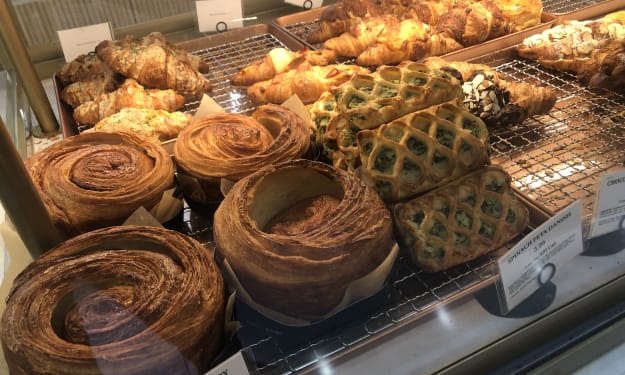
As someone who lives in a rural area, I don't get the chance to visit fancy restaurants or bakeries that often. So, when a friend told me about a French-Asian bakery that's less than an hour away, I knew I had to check it out and grab some pictures for social media. Tous les Jours ended up providing an immersive experience that went above and beyond my expectations--although I did leave with a few reservations.
By Kaitlin Shanks20 days ago in Feast



Comments
There are no comments for this story
Be the first to respond and start the conversation.