
Global Beef Market Trends & Summary: A Protein-Driven Industry on the Rise
From farms to forks, the global beef industry is transforming as demand for premium, protein-rich diets accelerates worldwide


Global Beef Market Outlook 2025–2033
The global beef market is entering a phase of steady yet resilient growth as changing diets, rising incomes, and evolving consumer expectations reshape the world’s meat industry. According to Renub Research, the global beef market is expected to reach US$ 749.90 billion by 2033, up from US$ 520.53 billion in 2024, expanding at a compound annual growth rate (CAGR) of 4.14% from 2025 to 2033.
This growth is supported by a combination of rising global demand for protein-rich diets, technological advancements in beef production, expansion of foodservice industries, and increasing consumption in emerging economies. While the market faces challenges such as animal welfare concerns and supply chain disruptions, long-term fundamentals remain strong, positioning beef as a critical component of the global food system.
Beef Industry Overview
Beef refers to meat derived from cattle and is one of the most widely consumed animal proteins across the globe. Valued for its high-quality protein, rich flavor, and essential nutrients such as iron, zinc, and B vitamins, beef remains a staple in many cuisines. It is consumed in multiple forms, including steaks, roasts, ground beef, and processed products.
The beef industry encompasses cattle breeding, feedlot operations, slaughtering, processing, packaging, and distribution, making it a vital pillar of global agriculture. Over the years, improvements in genetics, animal nutrition, and processing technologies have significantly improved productivity and meat quality, enabling producers to meet growing global demand more efficiently.
Key Growth Drivers of the Global Beef Market
1. Rising Demand for Natural and Antibiotic-Free Beef
One of the most influential trends shaping the beef market is the shift toward natural, organic, and antibiotic-free products. Consumers are increasingly aware of the health risks associated with growth hormones and antibiotics in animal products, pushing demand for clean-label meat.
Premium beef categories such as USDA Choice, USDA Prime, USDA Natural, and Certified Angus Beef (CAB) have gained significant popularity, particularly in developed markets like the United States. Rising disposable incomes and the global premiumization trend have further boosted sales of high-quality beef cuts.
Foodservice demand is also playing a key role. For example, foodservice sales of Certified Angus Beef products recorded steady growth as restaurants increasingly highlight quality and sourcing to attract health-conscious diners. Companies such as Raise American have responded by introducing 100% grass-fed and organic beef products, targeting flexitarian and premium consumers.
2. Expansion of Distribution Channels Boosting Sales
The global beef market is benefiting from the rapid expansion of modern retail and digital distribution channels. Supermarkets, hypermarkets, specialty meat stores, and online platforms now offer consumers easier access to a wide variety of fresh and processed beef products.
The foodservice sector—including restaurants, cafes, hotels, and fast-food chains—continues to drive bulk demand, especially for premium cuts and ready-to-cook products. Meanwhile, e-commerce has emerged as a fast-growing channel, offering home delivery, subscription services, and certified freshness guarantees.
Online platforms have become especially popular among urban consumers who value convenience, variety, and food safety certification. This shift is expected to accelerate further as cold-chain logistics and digital grocery platforms continue to expand globally.
3. Growing Global Appetite for Protein-Rich Diets
Rising income levels and urbanization in emerging economies are significantly boosting beef consumption. Countries such as China, India, Brazil, and Southeast Asian nations are witnessing a dietary shift toward animal-based protein, mirroring Western consumption patterns.
As disposable incomes rise, consumers are willing to spend more on nutrient-rich foods, including beef. Urban lifestyles, exposure to international cuisines, and the influence of global restaurant chains have further accelerated this transition. The result is a steady increase in per-capita beef consumption, particularly in Asia-Pacific markets where demand still outpaces domestic production.
Challenges Facing the Beef Industry
Animal Welfare Concerns
Animal welfare has become a central issue in the global beef market. Consumers and advocacy groups are demanding more humane treatment of cattle, including better living conditions, ethical slaughter methods, and reduced overcrowding. These concerns have led to stricter regulations and a growing market for certified humane, grass-fed, and free-range beef.
While these changes support sustainability and ethical consumption, they also increase production costs and pressure profit margins, especially for small and mid-sized producers.
Supply Chain Disruptions
The beef industry remains vulnerable to supply chain shocks caused by disease outbreaks, labor shortages, climate events, and logistics disruptions. The COVID-19 pandemic exposed significant vulnerabilities, including processing plant shutdowns and distribution delays.
Such disruptions can result in higher prices, reduced availability, and fluctuating export volumes, highlighting the importance of investment in resilient supply chains, automation, and diversified sourcing strategies.
Regional Analysis of the Global Beef Market
North America: Mature but Strong
North America, led by the United States, remains one of the largest producers and consumers of beef globally. Strong demand from the foodservice industry, high per-capita consumption, and well-established supply chains support market stability. Premium and branded beef products dominate growth, while sustainability and traceability are gaining importance.
Europe: Regulation-Driven Market
European beef consumption is stable but faces challenges from stringent environmental regulations, rising production costs, and growing plant-based alternatives. Countries such as Germany, France, and the UK continue to see strong demand for premium and certified beef, while imports play a significant role in meeting consumption needs.
Asia-Pacific: Fastest-Growing Region
Asia-Pacific is the fastest-growing beef market, driven by China, India, Japan, South Korea, and Southeast Asia. Rising incomes, urbanization, and changing diets are driving imports, especially from Brazil, Australia, and Argentina. The region is expected to remain the primary engine of global beef demand over the forecast period.
Latin America: Export Powerhouse
Latin America, particularly Brazil and Argentina, is a major global exporter of beef. Abundant cattle resources, competitive pricing, and expanding trade partnerships support strong export growth. Sustainability and deforestation concerns, however, remain key challenges.
Middle East & Africa: Emerging Opportunity
Beef consumption in the Middle East and Africa is rising steadily, supported by population growth, urbanization, and expanding foodservice sectors. Halal-certified beef plays a central role in market development across Saudi Arabia, the UAE, and other regional markets.
Country-Level Market Highlights
United States Beef Market
The U.S. remains a global leader in beef production and consumption. Strong restaurant demand, technological advancements, and premium branding drive market growth. Consumers are increasingly favoring grass-fed, organic, and antibiotic-free beef, shaping production trends.
Germany Beef Market
Germany’s beef market is defined by demand for premium products, despite slight declines in overall consumption due to environmental concerns. Imports from other EU countries remain essential, while sustainability certifications continue to influence purchasing decisions.
China Beef Market
China is one of the fastest-growing beef consumers globally. Domestic production struggles to meet demand, leading to rising imports from Brazil, Australia, and Argentina. Health-conscious consumers are driving demand for lean, high-quality beef, making China a crucial market for exporters.
Global Beef Market Segmentation
By Cut
Brisket
Shank
Loin
Others
By Slaughter Method
Halal
Kosher
Others
By Distribution Channel
Supermarkets & Hypermarkets
Retail Stores
Wholesalers
E-commerce
Others
By Region
North America, Europe, Asia-Pacific, Latin America, Middle East & Africa
Key Players in the Global Beef Industry
Leading companies shaping the global beef market include:
JBS S.A.
Tyson Foods
Pilgrim’s Pride Corporation
Danish Crown Group
Vion Food Group
WH Group
Hormel Foods Corporation
Muyuan Foods
These companies compete across production scale, quality, sustainability initiatives, geographic expansion, and branding strategies. Investments in automation, traceability, and alternative feed solutions are becoming central to long-term competitiveness.
Final Thoughts
The global beef market is evolving rapidly as consumer preferences shift toward premium quality, ethical sourcing, and nutritional value. While the industry faces real challenges—from animal welfare scrutiny to supply chain disruptions—its fundamentals remain strong.
With demand rising across emerging economies and innovation reshaping production and distribution, the beef industry is poised for steady, long-term growth. As the market moves toward US$ 749.90 billion by 2033, stakeholders who embrace sustainability, transparency, and technology will be best positioned to thrive in this protein-powered global marketplace.
About the Creator
Marthan Sir
Educator with 30+ years of teaching experience | Passionate about sharing knowledge, life lessons & insights | Writing to inspire, inform, and empower readers.
Keep reading
More stories from Marthan Sir and writers in Feast and other communities.
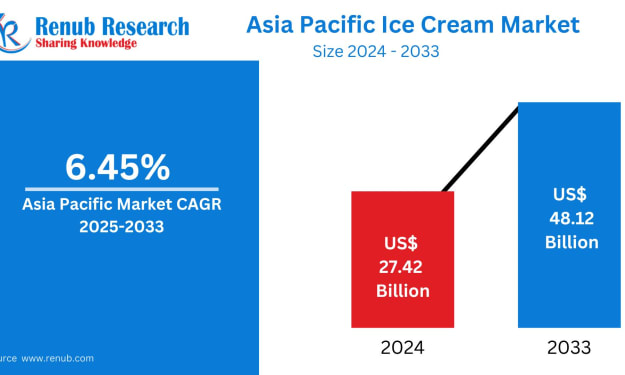
Asia Pacific Ice Cream Market Size and Forecast 2025–2033: A Sweet Surge Driven by Innovation, Urban Lifestyles, and Premiumization
Asia Pacific Ice Cream Market Overview Ice cream, a universally loved frozen dessert, has evolved from a simple summer treat into a year-round indulgence across the Asia Pacific region. Made from milk, cream, fruits, chocolate, and a variety of flavoring ingredients, ice cream is enjoyed not only as a dessert but also as a snack, a social food, and even a mood enhancer. Its ability to provide instant relief from heat, especially in tropical and subtropical climates, makes it a staple in many Asian countries.
By Marthan Sirabout 2 hours ago in Feast
My Tous les Jours Trip
As someone who lives in a rural area, I don't get the chance to visit fancy restaurants or bakeries that often. So, when a friend told me about a French-Asian bakery that's less than an hour away, I knew I had to check it out and grab some pictures for social media. Tous les Jours ended up providing an immersive experience that went above and beyond my expectations--although I did leave with a few reservations.
By Kaitlin Shanks25 days ago in Feast
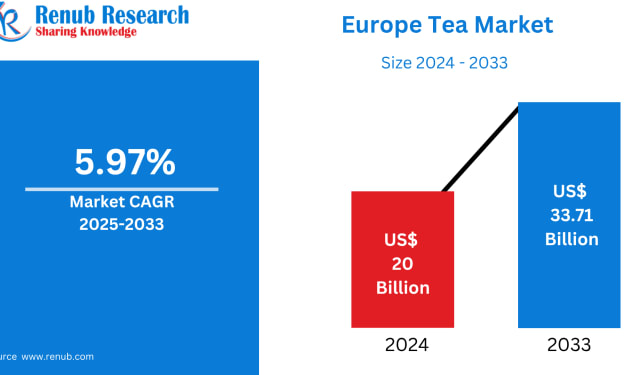
Europe Tea Market Size & Forecast 2025–2033
Europe Tea Market Outlook The Europe Tea Market is entering a new era of growth and reinvention. According to Renub Research, the market is expected to expand from US$ 20 billion in 2024 to US$ 33.71 billion by 2033, registering a CAGR of 5.97% from 2025 to 2033. This steady growth reflects a shift in consumer priorities across the region—toward health, sustainability, premium experiences, and digital convenience.
By jaiklin Fanandisha day ago in Feast


Comments
There are no comments for this story
Be the first to respond and start the conversation.