
GCC Dark Chocolate Market Set to Surge as Wellness, Premiumization & E-Commerce Reshape the Region
Market poised to hit US$ 3.01 Billion by 2033, fueled by rising health awareness, gifting culture, and demand for luxury cocoa experiences


The Gulf Cooperation Council (GCC) chocolate landscape is quietly transforming. What was once a region deeply rooted in milk-based, sugar-laden confectionery culture is now rapidly embracing dark chocolate—not merely as an indulgence, but as a health-aligned lifestyle product and luxury experience. According to Renub Research, the GCC Dark Chocolate Market is expected to climb from US$ 1.52 billion in 2024 to US$ 3.01 billion by 2033, at a strong CAGR of 7.90% from 2025 to 2033.
This upward momentum is underpinned by an evolving narrative—where cocoa percentage is a badge of sophistication, antioxidants are a selling point, and luxury chocolate gifting is becoming cultural currency, especially during Ramadan, Eid, and celebratory occasions.
What Defines Dark Chocolate—and Why Consumers Are Obsessed
Dark chocolate is defined by its higher cocoa solids and minimal milk or sugar content, with cocoa concentration typically ranging from 70% to 90% or higher. The deeper the cocoa percentage, the more intense the flavor—often earthy, bitter, and rich, with a complexity appreciated by discerning palates.
The surge in its popularity is closely linked to functional wellness claims, supported by the presence of flavonoids and antioxidants, associated with:
Improved heart health
Reduced inflammation
Enhanced cognitive function
Lower sugar intake than traditional confectionery
Presence of minerals such as magnesium, iron, and copper
In the GCC, where rates of lifestyle diseases such as diabetes and cardiovascular concerns are high, consumers are increasingly making conscious dietary choices—pushing dark chocolate from the “indulgence” aisle into the health & lifestyle category.
GCC Dark Chocolate Market—Key Growth Forces
1. Rising Disposable Income & Taste for Premium Goods
Gulf countries have witnessed sustained economic expansion, leading to higher disposable income and a greater appetite for premium, imported, artisanal, and luxury food products. This shift has turned dark chocolate into a symbol of elevated taste—aligned with gourmet experiences, luxury gifting, and personal indulgence.
Consumers are now seeking:
Single-origin cocoa bars
High cocoa percentages (80–90%)
Organic, low-sugar, and ethically sourced chocolate
Artisanal packaging for gifting
Premium chocolate packaging, personalization, and aesthetics also play a major role in purchase decisions—particularly in Saudi Arabia and the UAE.
2. Product Innovation Meeting New Consumer Needs
Food innovators are tailoring dark chocolate to new dietary identities and lifestyle choices. A significant example:
Barry Callebaut launched NXT in Saudi Arabia (Nov 2022) — the region’s first 100% plant-based, dairy-free, allergen-free chocolate, catering to vegan, lactose-intolerant, and health-forward consumers.
Innovation themes dominating GCC shelves:
Vegan & dairy-free bars
No added sugar options
Probiotic and fortified chocolate
Fusion flavors such as pistachio, dates, cardamom, and saffron
High cocoa bars (85–90%) for purists and health enthusiasts
This customization is widening the market from general confectionery shoppers to fitness communities, diabetics monitoring sugar, ethical shoppers, and experimental chocolate lovers.
3. Booming E-Commerce & the Digital Chocolate Shopper
The GCC has one of the world’s most rapidly expanding digital retail ecosystems. The pandemic accelerated habits that turned online ordering into a default mode of grocery and indulgence shopping. Today, chocolate brands leverage:
App-based delivery platforms
Instagram and TikTok influencer partnerships
Subscription chocolate boxes
Online festive marketing for Ramadan, Diwali and Eid gifting
Digital platforms have unlocked access to niche and luxury dark chocolate brands, making artisanal and imported bars available to consumers beyond retail shelf space.
Challenges Restraining Market Expansion
1. Supply Chain Complexity
Dark chocolate relies on cocoa imports, as the GCC does not cultivate cocoa. Fluctuating cocoa prices, geopolitical disruptions, and shipping bottlenecks can increase costs and create supply uncertainties.
2. Competitive Market Landscape
The region is crowded with established global giants and strong local brands. New entrants face:
High marketing costs
Brand loyalty barriers
Retail placement challenges
Need for continuous product innovation
Smaller players must differentiate through clean labels, ethical sourcing, cultural flavors, and premium branding.
Country-wise Market Highlights
🇸🇦 Saudi Arabia – The Fastest Gifting & Health-Led Growth Market
Saudi Arabia is a powerhouse of dark chocolate consumption driven by:
A health-aware young population
Expanding café and dessert culture
Strong seasonal gifting demand during Eid, Ramadan, and weddings
Growing availability through online platforms
Artisanal dark chocolate infused with local flavors such as dates and Arabic coffee is gaining strong traction.
🇦🇪 UAE – Luxury, Tourism & Global Flavor Adoption
The UAE dark chocolate market is fueled by:
A cosmopolitan, high-income resident base
Luxury retail dominance
Duty-free shopping influence
Demand for single-origin, ethically sourced bars
The country also leads in premium gifting, making dark chocolate hampers and limited-edition festive collections a key retail category.
🇴🇲 Oman – Gradual but Sustainable Rise
Oman’s demand is steadily growing due to:
Increased knowledge of dark chocolate health benefits
Online retail expansion
Strong seasonal gifting culture
Interest in artisanal and premium cocoa products
Market Segmentation Snapshot
By Cocoa Type
70% Cocoa
75% Cocoa
80% Cocoa
90% Cocoa
By Application
Confectionery
Functional Food & Beverages
Pharmaceuticals
Cosmetics
By Distribution Channel
Convenience Stores
Supermarkets & Hypermarkets
Non-Grocery Retail
Others (Online dominates growth)
By Country
Saudi Arabia
UAE
Kuwait
Qatar
Oman
Bahrain
Competitive Landscape
The GCC dark chocolate arena includes global chocolate titans and regional confectionery leaders, such as:
Nestlé S.A.
The Hershey Company
Mondelez International, Inc.
Ferrero Group
Meiji Holdings Co. Ltd
Bateel International LLC
Al-Seedawi Sweets Factories Co
AANI & DANI
Each brand is shaping the market through product reformulation, premium packaging, gifting solutions, digital marketing, and local flavor innovation.
The Road Ahead: What to Expect by 2033
The GCC dark chocolate journey is just getting started, with future trends pointing toward:
✅ More sugar-free and keto dark chocolate ranges
✅ Expansion of organic and ethically sourced cocoa
✅ Local flavor fusions (dates, rose, saffron, Arabic coffee)
✅ Personalized premium gifting lines
✅ Higher penetration of 90% cocoa bars
✅ Integration into functional foods, skincare, and nutraceuticals
Final Thoughts
Dark chocolate is no longer just a sweet treat in the GCC—it is aspirational, wellness-driven, culturally celebrated, and digitally empowered. The convergence of health awareness, luxury consumption, innovative flavors, and online shopping ecosystems sets the stage for sustained and powerful market expansion.
With US$ 3.01 billion projected by 2033, the market story is no longer just about chocolate—it’s about premium lifestyles, conscious consumption, and cultural indulgence.
About the Creator
Janine Root
Janine Root is a skilled content writer with a passion for creating engaging, informative, and SEO-optimized content. She excels in crafting compelling narratives that resonate with audiences and drive results.
Keep reading
More stories from Janine Root and writers in Feast and other communities.
Asia Pacific Soup Market Size & Forecast 2025–2033: A Comforting Surge Toward Convenience and Wellness
A Region Steeped in Soup Culture Meets the Convenience Era From Japan’s soul-warming miso shiru to Korea’s fiery kimchi jjigae, China’s nutrient-driven broths, and Thailand’s fragrant tom yum, soup in Asia Pacific is not just food — it’s culture, comfort, and cure. Yet, what was once slow-cooked at home is now rapidly shifting to cup formats, sachets, and click-to-order convenience.
By Janine Root 2 months ago in Feast
My Tous les Jours Trip
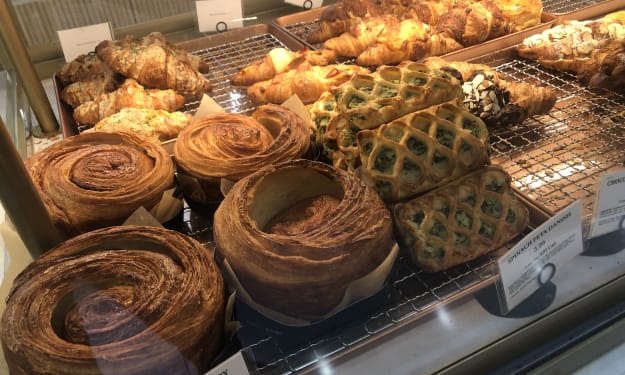
As someone who lives in a rural area, I don't get the chance to visit fancy restaurants or bakeries that often. So, when a friend told me about a French-Asian bakery that's less than an hour away, I knew I had to check it out and grab some pictures for social media. Tous les Jours ended up providing an immersive experience that went above and beyond my expectations--although I did leave with a few reservations.
By Kaitlin Shanks24 days ago in Feast
Mexico Chicken Market Size & Forecast 2025–2033
Mexico Chicken Market Outlook The Mexico chicken market is poised for steady long-term expansion, driven by rising demand for affordable, protein-rich food, rapid urbanization, and the fast-growing foodservice sector. According to Renub Research, the market was valued at US$ 3.13 billion in 2024 and is projected to reach US$ 5.26 billion by 2033, growing at a compound annual growth rate (CAGR) of 5.95% during 2025–2033. This growth reflects chicken’s entrenched position as the most accessible and versatile animal protein in Mexican households, restaurants, and institutional foodservice.
By Marthan Sir5 days ago in Feast
Miss Persephone's Manual to a Seemingly Ordinary Life
Miss Persephone was found at the dining table, her blue eyes swollen, her tears arriving and retreating like the tides of the ocean. Earlier that day, her family had visited her in the retirement home where she had lived for eight years. It was her eightieth birthday.
By Imola Tóth4 days ago in Fiction



Comments
There are no comments for this story
Be the first to respond and start the conversation.