
Fueling Your Body: Delicious and Healthy Keto Snacks for a Successful Keto Diet
What's life without a sweet ending...

The ketogenic diet, commonly known as the keto diet, is a low-carb, high-fat diet that has gained popularity in recent years for its potential health benefits. The keto diet aims to put the body into a state of ketosis, where it burns fat for fuel instead of carbohydrates. This metabolic state can help with weight loss, improved blood sugar control, and other health benefits.
How the Ketogenic Diet Works
Let's take a look at how the ketogenic diet works, including how it puts the body into a state of ketosis, where it burns fat for fuel instead of carbohydrates. It also discusses the role of ketones in the body and the effects of the diet on insulin and blood sugar levels.
The ketogenic diet, also known as the keto diet, is a high-fat, low-carbohydrate diet that has gained significant popularity in recent years. The main goal of the ketogenic diet is to put the body in a state of ketosis, where it burns fat for fuel instead of glucose from carbohydrates.
The keto diet typically involves consuming 70-75% of calories from fat, 20-25% from protein, and 5-10% from carbohydrates. This means that the diet primarily consists of high-fat foods such as meat, fish, nuts, seeds, and oils, while carbohydrate-rich foods such as bread, pasta, and sugary drinks are severely restricted.
The main mechanism behind the ketogenic diet is the significant reduction in carbohydrates. When the body doesn't have enough carbohydrates to produce glucose for energy, it begins to break down fat into molecules called ketones, which can be used as fuel for the body and the brain. This process is known as ketosis, and it is the hallmark of the ketogenic diet.
The benefits of the ketogenic diet include weight loss, improved insulin sensitivity, and reduced inflammation. Some studies have also shown that the ketogenic diet may be helpful in managing neurological disorders such as epilepsy, Alzheimer's disease, and Parkinson's disease.
However, it is important to note that the ketogenic diet may not be suitable for everyone. People with certain medical conditions, such as liver or pancreatic disease, may be advised against following the diet. Additionally, the high fat intake of the ketogenic diet may lead to increased cholesterol levels and may put individuals at risk for heart disease.
Overall, the ketogenic diet can be an effective way to lose weight and improve overall health, but it is important to consult a healthcare professional before starting the diet, especially if you have any pre-existing medical conditions.
Foods to Eat and Foods to Avoid
One of the challenges of the ketogenic diet is knowing what foods to eat and what foods to avoid. You can find some guidance on which foods are allowed on the diet, including sources of healthy fats, protein, and low-carb vegetables. It also discusses foods that should be avoided, such as sugar, grains, and high-carb fruits.
Here are some foods to eat and foods to avoid on the keto diet:
Foods to eat on the keto diet:
- Meats such as beef, chicken, lamb, pork, and turkey
- Fatty fish such as salmon, tuna, and mackerel
- Low-carbohydrate vegetables such as leafy greens, cauliflower, broccoli, zucchini, and peppers
- Eggs
- Nuts and seeds such as almonds, macadamia nuts, and chia seeds
- Healthy fats such as avocado, olive oil, coconut oil, and butter
- Dairy products such as cheese, heavy cream, and sour cream
- Berries such as strawberries and raspberries in moderation
- Non-sugar sweeteners such as stevia, erythritol, and monk fruit.
Foods to avoid on the keto diet:
- Sugary foods such as candy, cake, and soda
- Starchy vegetables such as potatoes, sweet potatoes, and corn
- Grains such as rice, bread, and pasta
- Most fruits (with the exception of berries)
- Beans and legumes such as lentils, chickpeas, and black beans
- Processed foods such as chips, crackers, and cookies
- High-carbohydrate condiments such as ketchup, barbecue sauce, and sweetened salad dressings
- Sugary beverages such as juice and sports drinks
- Beer and sweet wines.
Remember that the keto diet is a high-fat diet, so it's important to choose healthy fats such as avocado, nuts, and olive oil. Additionally, it's important to make sure you're getting enough fiber on the keto diet, as low-carbohydrate diets can sometimes be low in fiber. Incorporating low-carbohydrate vegetables and berries can help you get the fiber your body needs. Always consult with a healthcare professional before starting the keto diet or any other dietary changes.
Keto Snacks and Meal Ideas
Let's take a look at practical tips and ideas for incorporating the ketogenic diet into your daily routine, including keto-friendly snack and meal ideas. It includes suggestions for high-fat, low-carb snacks and meal options that are easy to prepare and can be enjoyed at home or on-the-go.
One of the challenges of the keto diet is finding snacks that are both low in carbohydrates and high in healthy fats. Here are some keto-friendly snack ideas:
Nuts and seeds: Almonds, macadamia nuts, and pumpkin seeds are all great keto snack options. They are high in healthy fats and protein and low in carbs.
Cheese: Many types of cheese are low in carbs and high in fat, making them an ideal keto snack. Some good options include cheddar, brie, and goat cheese.
Avocado: Avocado is an excellent source of healthy fats and is low in carbs. You can eat it on its own or use it as a dip for other keto-friendly snacks.
Hard-boiled eggs: Eggs are a great source of protein and healthy fats. Hard-boiled eggs are an easy and portable snack that you can take with you on-the-go.
Olives: Olives are a great source of healthy fats and are very low in carbs. They make a great snack on their own or can be added to salads or other keto-friendly dishes.
Beef jerky: Beef jerky is high in protein and low in carbs, making it a great keto snack option. Just make sure to choose a brand that doesn't have added sugars or preservatives.
Pork rinds: Pork rinds are a crunchy, high-fat snack that is perfect for the keto diet. They are very low in carbs and can be found in most grocery stores.
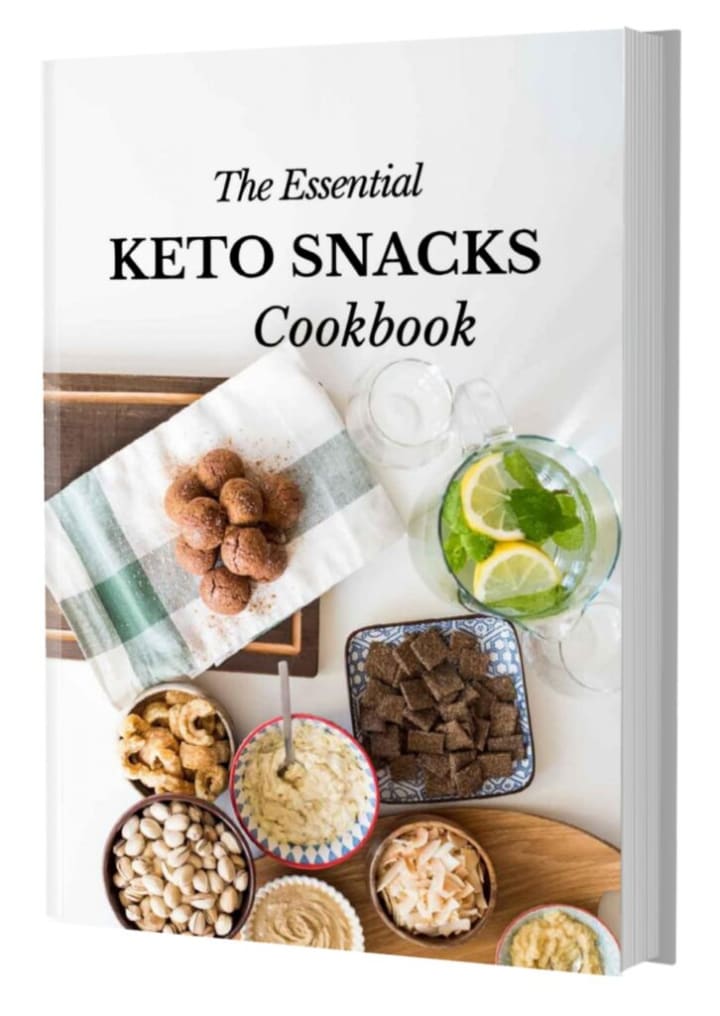
You Gotta See This Essential Keto Snacks Cookbook Which is 100% FREE Today...
Summary
In conclusion, the keto diet is a low-carb, high-fat diet that can help with weight loss, blood sugar control, and other health benefits. When it comes to keto snacks, it's important to choose options that are low in carbs and high in healthy fats. Nuts and seeds, cheese, avocado, hard-boiled eggs, olives, beef jerky, and pork rinds are all great options to keep you satisfied and energized throughout the day.
About the Creator
Michelle Lake
Life is too short to ...not do what you are thinking!
An avid lover of life and opportunities. I enjoy learning life lessons and sharing with others along the way.
Life, be it ever so simple, yet we humans tend to complicate things!
Keep reading
More stories from Michelle Lake and writers in Feast and other communities.
Your Cell Phone Might Kill You...
No...this is not just a scare tactic...it is information that you should be aware of...for more reasons than one. Cell phones have become an integral part of modern life, enabling us to stay connected with others and access a wealth of information on-the-go. However, like any technology, cell phones have both advantages and disadvantages. In this article, we will explore the benefits and potential drawbacks of using a cell phone.
By Michelle Lake3 years ago in Education
My Tous les Jours Trip
As someone who lives in a rural area, I don't get the chance to visit fancy restaurants or bakeries that often. So, when a friend told me about a French-Asian bakery that's less than an hour away, I knew I had to check it out and grab some pictures for social media. Tous les Jours ended up providing an immersive experience that went above and beyond my expectations--although I did leave with a few reservations.
By Kaitlin Shanks25 days ago in Feast
No-Recipe-Needed Dessert Tutorials
1. Basque Burnt Cheesecake Cream cheese, a few high-quality farm-fresh eggs, heavy cream, and sugar—just mix them together. Sift the mixture into a mold to remove air bubbles. Bake at 180°C (356°F), both top and bottom heat, for 40-50 minutes. Done! It must be completely chilled before slicing. One bite, and you'll be floating on cloud nine... This is so good! It has an incredibly rich, cheesy aroma and melts instantly in your mouth. The key is that this method is just too simple and unbeatable.
By yue . shui4 days ago in Feast


Comments
There are no comments for this story
Be the first to respond and start the conversation.