
Foods That Aren’t What They Seem
From fake sushi to cakes disguised as shoes — your eyes might lie, but your taste buds won’t.

Real Cakes That Look Like Anything but Cake
Thanks to hyper-realistic baking, cakes that look like everyday objects have taken over the internet — from handbags and shoes to burgers, soap, and even raw chicken. These “illusion cakes” look so convincing, people often hesitate before slicing into them.
But once you do, you’ll find layers of sponge, buttercream, and fondant. Shows like Is It Cake? turned this trend into an art form. While they’re fun and surprising, they’re also a great reminder that not everything looks the way it tastes.
Meat That’s Not Meat
With the rise of plant-based diets, fake meat is now a booming industry. Products like Beyond Meat and Impossible Burger look, smell, and even sizzle like real beef — but they’re made from soy, peas, mushrooms, and other plant proteins.
Some fake meats are so realistic, they even “bleed” using beet juice or soy leghemoglobin. While they aren’t trying to trick meat lovers, these products are built to mimic the texture, flavor, and appearance of the real thing — which means your burger might not be what you think it is.
Sushi That’s Actually Candy
In Japan and beyond, fake sushi made of candy is a popular novelty. What looks like raw salmon or tuna might actually be gummy candy or rice krispies with fruit leather on top. Some candy kits even let you make your own edible sushi — complete with “soy sauce” made of chocolate syrup.
It’s a fun way to enjoy sushi without any fish, but also a clever example of how form doesn’t always equal flavor.
Cheese That Isn’t Cheese
Some “cheese” products in stores don’t technically qualify as cheese. Things like processed cheese slices or “cheese food” (yes, that’s the label) contain milk by-products, oil, and flavoring — but don’t meet the legal standards to be called real cheese.
They look like cheese, melt like cheese, and taste close enough — but they’re really just cheese-flavored imitations. In fact, “cheese product” is a common term on ingredient labels for a reason.
Ice Cream That Isn’t Cold
Fake ice cream is often used in photography and film — it looks like the real deal, but doesn’t melt. Most of the time, it’s made from mashed potatoes, shortening, glue, or soap foam dyed to resemble your favorite flavor.
This fake “ice cream” helps photographers avoid messy melts during long shoots. So that perfect scoop you see in an ad? Probably not real at all.
Wasabi That’s Not Wasabi
If you’ve eaten wasabi at a sushi restaurant outside Japan, chances are you’ve never tasted the real thing. True wasabi comes from the Wasabia japonica plant and has a fresh, sharp taste — but it’s expensive and difficult to grow.
Most “wasabi” served worldwide is actually a mixture of horseradish, mustard powder, and green food coloring. It gives you the familiar burn, but without the complex, plant-based freshness of real wasabi.
Crab Sticks Without Crab
Imitation crab, often found in sushi rolls and salads, looks like crab meat — white with red edges, stringy texture — but is made from surimi, a paste of white fish like pollock, blended with starch and flavorings.
It’s cheaper, easier to handle, and doesn’t require cracking shells. Though it mimics the appearance and taste of crab, it’s technically not crab at all.
Chocolate That Isn’t Chocolate
Not all “chocolate” bars contain cocoa. Many cheaper brands use compound chocolate, made with vegetable oil instead of cocoa butter, and cocoa powder instead of real chocolate liquor.
While it tastes chocolatey, it lacks the richness and smooth melt of true chocolate. Legally, these products often can’t be labeled “chocolate” in some countries — instead, they’re called chocolate-flavored coating or confectionery bar.
Caviar Without the Fish
Real caviar is made from the salted eggs of sturgeon fish — and it’s very expensive. But thanks to modern food science, you can now buy vegan caviar made from seaweed, soy, or agar-agar. It looks nearly identical, complete with shiny black pearls and salty flavor.
Some high-end chefs even use molecular gastronomy to make spheres that mimic caviar, using juices or sauces. They might look like luxury seafood — but they’re really plant-based, playful, and often fruit-flavored.
Coffee That’s Actually Mushrooms
It might look like a normal latte, but mushroom coffee is becoming popular in health cafés. It's made with ground coffee beans mixed with powdered fungi like lion’s mane or chaga. While it smells and tastes somewhat like regular coffee, it’s a very different brew.
The earthy flavor might surprise first-timers. Some brands even hide the mushroom taste entirely, creating a drink that looks and feels like your morning cup — but comes from an entirely different ingredient base.
Pasta That’s Not Made from Wheat
From a distance, it looks like spaghetti. But on closer inspection, that “pasta” might be made from zucchini, carrots, kelp, or konjac yam. These low-carb alternatives are popular among those following specific diets — but they still aim to trick the eye.
Zoodles (zucchini noodles) have become especially trendy, offering a veggie-based way to enjoy familiar pasta shapes. Even instant noodles now come in black bean, quinoa, or lentil varieties.
Same shape, same slurp — different ingredients entirely.
“Milk” That Never Came from a Cow
You probably know this one — almond milk, soy milk, rice milk, oat milk, and even potato milk are now common. But many of these beverages are technically not milk, at least by dairy industry standards.
They’re usually made by blending plants with water, sometimes with added sweeteners and flavorings. Still, they pour like milk, mix into coffee, and work in recipes — making them convincing alternatives to dairy.
Fruit That’s Not Real
In dessert shops and bakeries, you may come across beautifully shaped “fruits” that look fresh and juicy — but are actually made from marzipan, fondant, or gelatin. These sweet treats are often crafted with such precision that they’re mistaken for the real thing.
And in the jelly world, you’ll sometimes find grapes or lychees suspended inside, creating the illusion of whole fruit — even though the taste might be completely artificial.
Eggs That Are Entirely Fake
Fake eggs do exist — and we’re not talking about vegan eggs. Some low-quality food factories have attempted to manufacture artificial eggs using chemical gels, pigments, and plastic molds to replicate real egg whites and yolks.
Though rare and mostly found in food scandals, they’re a dangerous reminder that some imitations can go too far — and that it’s important to know what’s really in your food.
In a world where food can look like anything, taste like anything, or be entirely something else — your senses can be fooled. Some fakes are fun. Some are clever. Some are cautionary tales. But all remind us that in the world of food, not everything is what it seems.
About the Creator
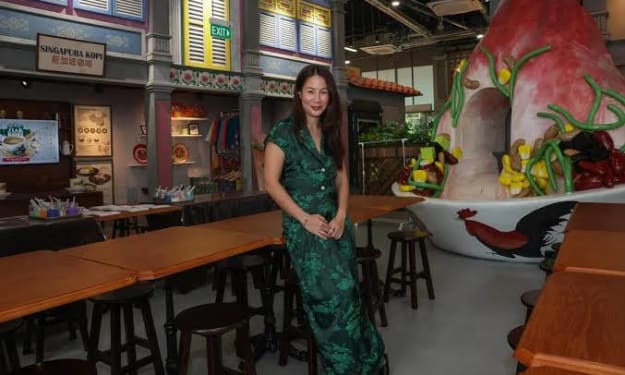
Widow invests $800,000 to start hawker culture experience centre in honour of late husband
In a touching tribute to love, memory, and cultural heritage, a Singaporean widow has invested nearly $800,000 to establish a hawker culture experience centre dedicated to preserving and celebrating the vibrant food traditions that her late husband cherished throughout his life. The centre, which opened recently in Singapore, aims to provide visitors with an immersive journey into the country’s beloved hawker culture while honouring the legacy of a man who spent decades supporting local food vendors. The project was initiated by Lim Mei Hua, whose husband, Tan Wei Chong, passed away three years ago after a long illness. Tan was widely known among friends and family as a passionate supporter of traditional hawker stalls and frequently spent his weekends exploring different food centres across Singapore. According to Lim, the idea of creating a space dedicated to hawker heritage had long been one of her husband’s dreams. “He always believed that hawker culture was the heart of Singapore,” Lim said during the centre’s opening ceremony. “After he passed away, I wanted to do something meaningful that would keep his passion alive and allow future generations to understand why these traditions matter.” Singapore’s hawker culture is a cornerstone of the nation’s identity. The bustling open-air food centres, filled with vendors serving affordable and diverse dishes, reflect the multicultural roots of the country. In recognition of its cultural importance, UNESCO added Singapore’s hawker culture to its Representative List of the Intangible Cultural Heritage of Humanity in 2020. Lim’s experience centre is designed to showcase this heritage through interactive exhibits, live cooking demonstrations, and storytelling sessions led by veteran hawkers. Visitors can learn about the origins of iconic dishes such as Hainanese chicken rice, Laksa, and Char kway teow, while also exploring the personal journeys of the hawkers who prepare them. The centre includes a small exhibition gallery featuring photographs, kitchen tools, and handwritten recipes collected from hawker families across the city. Many of these items date back decades, offering a glimpse into how culinary traditions have been passed down through generations. One section of the centre recreates a traditional hawker stall environment, allowing visitors to experience what it feels like to work behind the counter during a busy lunch rush. Young participants can try their hand at simple cooking techniques while learning about the discipline and dedication required to master hawker cuisine. Local hawkers have warmly welcomed the initiative. Many worry that younger generations may be less interested in taking over family stalls, which often involve long hours and physically demanding work. By highlighting the cultural significance of these businesses, Lim hopes the centre will inspire renewed appreciation among the public. “Hawker food is not just about eating,” said veteran vendor Ong Kee, who participated in one of the centre’s demonstration sessions. “It’s about history, family, and community. Places like this help remind people why our traditions should continue.” Beyond cultural preservation, the experience centre also aims to support hawkers economically. A portion of ticket sales will be directed toward training programs for aspiring food vendors, helping them learn both traditional recipes and modern business skills. Lim believes this approach can help sustain the industry while adapting to changing times. Tourism officials in Singapore have also expressed optimism about the centre’s potential to attract international visitors interested in culinary experiences. Food tourism has become an increasingly important part of the country’s travel industry, with visitors eager to explore authentic local cuisine. For Lim, however, the centre’s true purpose goes far beyond tourism or business success. Every corner of the space reflects memories of her husband—his favorite dishes, the stalls he frequently visited, and the stories he loved to share. “Whenever I see people enjoying the exhibits or learning about hawker culture, I feel like his spirit is still here,” she said quietly. “This place is not just about the past. It’s about keeping something precious alive.” Through her remarkable gesture, Lim has transformed personal grief into a lasting tribute that celebrates love, heritage, and the enduring power of food to bring communities together. Her $800,000 investment ensures that the spirit of Singapore’s hawker culture—and the memory of the man who cherished it—will continue inspiring generations to come.
By Fiaz Ahmed 5 days ago in Feast
Australia Fish and Seafood Market 2026: Sustainable Consumption, Aquaculture Growth & Premium Seafood Demand
Australia Fish and Seafood Market Australia’s fish and seafood market is expanding steadily as consumers increasingly prioritize high-quality protein sources and sustainable food options. Fish and seafood products—including salmon, tuna, shrimp, shellfish and other marine species—play a vital role in the Australian diet due to their nutritional value and culinary versatility. Growing awareness of seafood’s health benefits, particularly its omega-3 fatty acids, vitamins and minerals, is driving consumption across households, restaurants and foodservice channels.
By Amyra Singh7 days ago in Feast



Comments
There are no comments for this story
Be the first to respond and start the conversation.