
Feast on a Banana Leaf: A Guide to Traditional and Modern Eating
Exploring the Cultural Roots and Contemporary Twists of Banana Leaf Meals

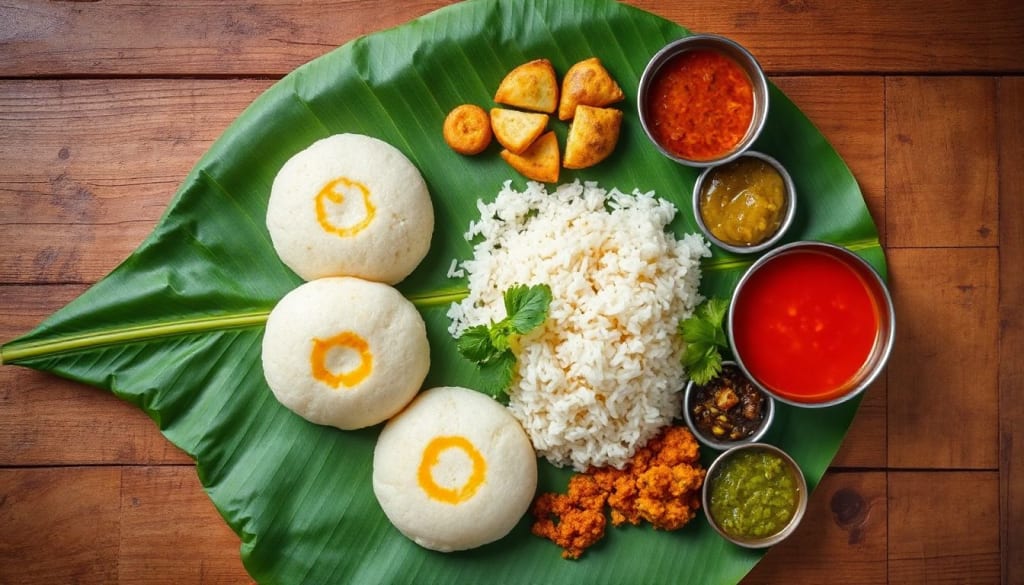
Imagine your meal laid out on a broad, vibrant green canvas. Eating on a banana leaf is more than just a meal; it's a deep dive into culture and taste. This ancient practice connects us to traditions, offering a unique sensory delight. It's a method of dining that brings history right to your table.
Today, serving food on banana leaves is gaining real steam. People love its natural beauty and how it helps the planet. It fits right in with trends for eco-friendly living and finding new food adventures. People all over the world are eager to explore global flavors and natural dining styles.
Have you ever tried eating a delicious meal this way? Maybe you've seen pictures or heard stories. Get ready to explore why a banana leaf feast is so special, from its ancient past to its cool modern twists.
The Ancient Roots of Banana Leaf Dining
A Tradition Steeped in History
Using banana leaves for serving food goes way back. This custom started many centuries ago in places like South and Southeast Asia. People relied on these big leaves because they were easy to find and useful. They were perfect for everyday meals and big gatherings alike.
Ancient cooks found banana leaves were a smart choice for many reasons. The leaves served as natural plates, keeping food fresh and making cleanup simple. They also worked great as wrappers, holding food while it cooked or traveled. This made cooking and eating in nature much easier.
This dining method also plays a big part in many old religious events and cultural rites. It often shows up in important celebrations, marking special times for communities. The banana leaf isn't just a plate; it's a symbol of respect and tradition.
Cultural Significance Across Continents
Eating from a banana leaf holds deep meaning in many cultures. In India, especially in the south, a "Sadya" feast on a banana leaf is a cherished event. It brings families and friends together for big celebrations. Sri Lanka, Malaysia, Indonesia, Thailand, and the Philippines also share this lovely custom.
These meals are often communal, meaning everyone eats together using shared leaves. This makes the experience even more special and bonding. People pass dishes around, talking and laughing as they enjoy the food. It's a truly connected way to share a meal.
The act of eating this way helps pass down traditions through generations. It promotes a profound sense of unity and belonging. A banana leaf feast is a living link to the past, keeping old customs alive today.
Why Eat on a Banana Leaf? The Benefits Unveiled
Natural and Sustainable Practices
Choosing banana leaves over paper or plastic plates is a smart move for our planet. These leaves break down naturally and quickly. They return to the earth without leaving harmful waste behind. This makes them a fantastic choice for eco-conscious diners.
Using banana leaves helps cut down on plastic and paper waste from restaurants and homes. Every leaf used means one less disposable item in a landfill. It's a simple change that adds up to a big environmental win. This way of eating truly embraces the "zero-waste" idea.
It’s a clear step towards a greener, more sustainable way to enjoy food. You are making a mindful choice for the environment. This simple act contributes to a healthier planet for all of us.
A Unique Sensory Experience
Dining on a banana leaf offers much more than just a meal; it's a feast for all your senses. The leaves give off a light, earthy smell when warm food touches them. This subtle scent mixes with the food, adding another layer of taste. It makes the whole meal feel fresh and natural.
Visually, food looks stunning against the bright green backdrop. The colors of curries, rice, and vegetables pop, creating a beautiful display. It makes your meal feel extra special and inviting. Your eyes begin to feast even before your mouth does.
Many people eat with their hands when food is served on a banana leaf. This adds a wonderful tactile sensation to your meal. You connect directly with your food, making the experience more personal and mindful. It's an intimate way to enjoy every bite.
Health and Flavor Infusion
Some say banana leaves can also add to your health and the taste of your food. The leaves have natural plant compounds called polyphenols. When warm food sits on the leaf, these compounds might mix with your meal. This could be a tiny health boost you never expected.
Traditional beliefs often link banana leaves to beneficial digestion and a clean eating experience. People have trusted these leaves for their food safety for ages. They offer a natural, chemical-free surface for your meal.
Many food lovers also claim the leaves give a subtle, earthy flavor to food. It's not a strong taste but a gentle hint that rounds out the dish. This natural flavor boost makes a banana leaf meal truly stand out.
Preparing and Presenting Your Banana Leaf Feast
Selecting the Perfect Banana Leaf
Picking the right banana leaf is key for a great dining experience. Look for leaves that are fresh, bright green, and free from tears or blemishes. A healthy leaf will be flexible and hold your food well. Avoid any that look dry, yellow, or wilted.
Size also matters when choosing your leaves. Bigger leaves are perfect for full meals with many dishes. Smaller pieces work well for snacks or individual servings. Think about how much food you plan to serve.
You can often find fresh banana leaves at your local Asian grocery store or a specialty market. Sometimes, even regular grocery stores carry them in the produce section. Ask around in your community for the best local spots.
Preparing Leaves for Serving
Before any food touches them, you need to get your banana leaves ready. First, give them a good wash under cool running water. Use a clean cloth to gently wipe both sides of the leaf. This removes any dirt or dust.
Next, you'll want to make the leaves more flexible. You can do this by quickly passing them over a low flame or steaming them for a minute. The heat softens the leaf, so it won't crack when you fold or shape it. Just be careful not to burn it!
Once soft, you can cut the leaves into the sizes you need. A sharp knife works best for clean edges. Make sure your pieces are big enough to hold all the food without spilling. Arrange them neatly for each guest.
Arranging a Mouthwatering Display
The way you set up your banana leaf feast makes a huge difference. Start by placing a generous scoop of rice in the center of the leaf. This is usually the main base for your meal. It creates a focal point for all the other tasty dishes.
Then, arrange different curries, vegetables, and side dishes around the rice. Think about colors and textures to make it look extra pretty. Place vibrant reds next to greens and creamy dishes next to crunchy ones. The contrast makes your meal visually exciting.
Don't forget about portion control. Give each guest a good amount of everything without overcrowding the leaf. Leave a little space between dishes for easy eating. A well-arranged banana leaf is a true work of art.
Modern Takes on Traditional Banana Leaf Meals
Fusion Cuisine and Banana Leaf Presentations
Today's chefs and home cooks are getting really creative with banana leaves. Banana leaves are no longer used solely for traditional South Asian dishes. Imagine serving a colorful Mediterranean mezze or even a fresh salad on a banana leaf. The leaf adds a surprising, earthy twist to these dishes.
You might see things like grilled fish tacos or even sushi rolls presented this way. The banana leaf gives any meal an instant exotic flair. It turns a regular dinner into a special event. This blending of cultures is what fusion cuisine is all about.
Using the leaf can make familiar foods feel new and exciting. It's a simple trick to upgrade your meal presentation. The natural green color provides a beautiful contrast, making any dish pop. Your dinner guests will be amazed by your inventive style.
DIY Banana Leaf Dining Experiences
Why not host your own banana leaf feast at home? It's easier than you think and a lot of fun. For a casual get-together, serve a simple rice dish with a few curries and fresh veggies. For a celebration, add some grilled meats or seafood. [Discover easy curry recipes here.]
Start with dishes that are easy to make in bulk, like lentil dhal, vegetable stir-fries, or a chicken curry. You can also include refreshing sides like cucumber raita or pickled onions. The goal is to have a variety of tastes and textures.
Make it an interactive experience for everyone. Let guests choose their own dishes to pile onto their leaves. Provide clear instructions on how to eat with hands, if they are up for it. It's a wonderful way to connect over food and create lasting memories.
Expert Insights and Culinary Perspectives
Quotes from Chefs and Food Historians
Many top chefs love using banana leaves for their unique qualities. Chef Sasi from a popular Malaysian restaurant once said, "The banana leaf adds a rustic charm and subtle aroma no plate can match." Food historians also agree on its long-standing cultural role. Dr. Priya Sharma, a food anthropologist, notes, "It’s a testament to human ingenuity, using nature's bounty for sustainable dining."
These experts highlight how the leaf isn't just about presentation. It's part of the flavor and story of the food. They often talk about how it connects diners to ancient traditions. This simple leaf links us to a rich history of cooking and eating. You can read more about traditional cooking in historical texts.
The consistent use of banana leaves across many cultures proves their value. It's more than just a trend; it's a deep-rooted practice. The leaf’s natural properties make it a chef’s favorite for certain dishes.
The Future of Sustainable Dining
The rise of banana leaf dining hints at bigger changes in how we eat. When we choose natural options like leaves, we inspire others to do the same. This small choice can help reshape our dining habits. It reminds us that sustainable living can be simple and beautiful.
Using natural materials helps shrink the carbon footprint of food service. Fewer plastics mean less waste polluting our earth and oceans. Banana leaves show us a clear path towards a more eco-friendly food system. This method can become a standard practice for many.
We might see more traditional, earth-friendly methods come back in style. People are looking for ways to eat that are good for them and the planet. The banana leaf feast is a perfect example of how old ways can offer new solutions. It truly brings nature to your meal.
Conclusion
Eating on a banana leaf is a wonderful mix of old traditions and new trends. It connects us to rich cultures, offers a feast for the senses, and supports a healthier planet. From its deep historical roots to its fresh modern uses, the banana leaf holds special appeal. It's more than just a surface for food; it's a way of celebrating community and nature.
Are you ready to try this amazing experience? Look for restaurants that serve banana leaf meals near you. Or, better yet, gather your friends and family to create your own at home. It's a simple, meaningful way to share a meal.
Let a banana leaf feast bring a little bit of history, culture, and nature to your next dining adventure. You will not only enjoy great food but also feel a stronger bond with the world around you.
...
Thank you for reading! 🌷
🙌 If you enjoyed this story, don’t forget to follow my Vocal profile for more fresh and honest content every day. Your support means the world!
About the Creator
vijay sam
🚀 Sharing proven affiliate marketing tips, smartlink strategies, and traffic hacks that convert. Follow for insights, tools, and real results to help you earn smarter—whether you're just starting or scaling up!
I Discovered A Better Way To Cook Cabbage
I recently posted this question on Facebook: I was surprised by some of the answers, especially about cabbage. Chicken: 40% Cabbage: 30% Salmon: 20% Others: 10% (including steak, crab cakes, fish, chili dogs, chicken salad, mac and cheese, cold cuts, potatoes, and ham)
By Margaret Minnicks2 days ago in Feast
Grilled Salmon on Himalayan Pink Salt Bricks: Extraordinary Taste
That smoky piece of grilled salmon? People love how it tastes, full and hearty, yet light on the body thanks to good fats. Still, nailing the taste at home trips up plenty - too much salt shows up fast, or worse, the flesh turns stiff and parched before it's done.
By Hendra Edwarda day ago in Feast
Why Didn't Anyone Tell Us
Men, move along. This is not for you. This is for the women. I was forty-five when I began menopause. It is pretty young for that to be going on in a woman’s life, but I had undiagnosed PCOS, my entire life. Thank you to all the gynecologists I had seen my entire life. That in itself should encourage women to keep seeking second opinions, especially when you are not getting correct answers or any at all.
By Alexandra Grant4 days ago in Humans


Comments
There are no comments for this story
Be the first to respond and start the conversation.