
FDA Egg Recalls: What You Need to Know About the Latest Food Safety Concerns
Recent egg recalls issued by the FDA highlight growing concerns over foodborne illness, supply chain oversight, and consumer protection in the U.S.

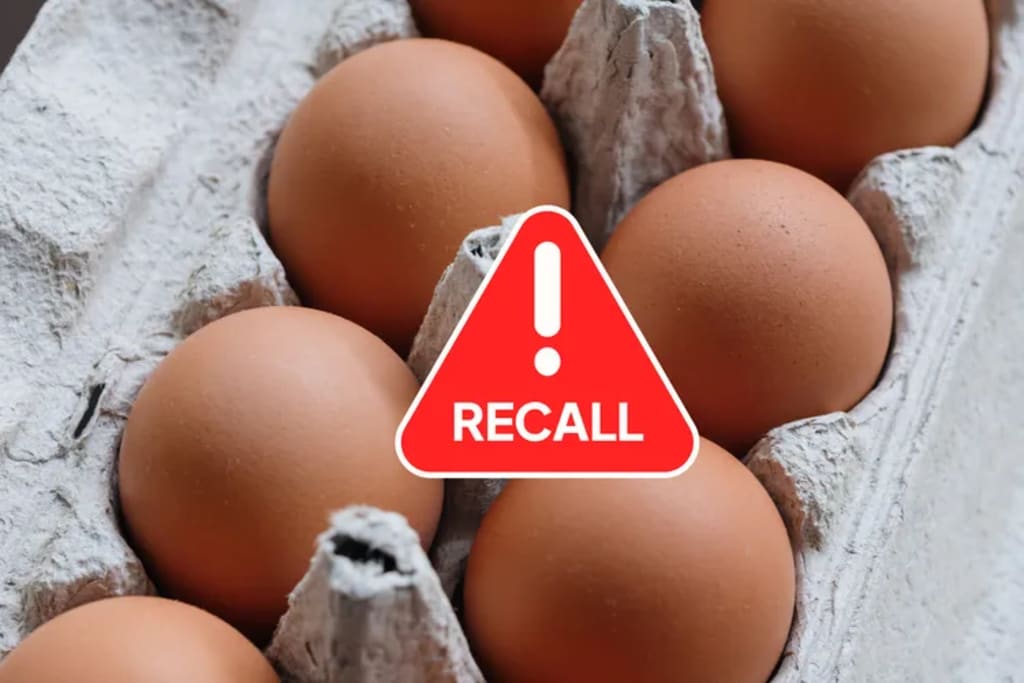
Eggs are a staple in millions of households across the country—served at breakfast tables, used in baked goods, and essential for countless recipes. But recent announcements from the U.S. Food and Drug Administration (FDA) have placed eggs at the center of national food safety discussions. A series of egg recalls has raised alarms among consumers, producers, and health officials alike.
Why Eggs Are Being Recalled
The primary reason behind these recalls is potential contamination with Salmonella, a bacterial infection that can cause serious illness. While egg recalls are not unprecedented, the recent spike reflects growing concerns about the safety of the food supply chain and the handling of perishable products.
The FDA has stressed that not all eggs on the market are affected, but it has urged consumers to check specific lot numbers and expiration dates to avoid products linked to the recall. Contaminated eggs can appear perfectly normal, making awareness and proper handling critical.
What Salmonella Infection Can Do
Salmonella is one of the most common causes of foodborne illness in the U.S. Symptoms typically include fever, diarrhea, abdominal cramps, nausea, and vomiting. In healthy adults, the illness usually lasts four to seven days. However, for vulnerable populations—such as young children, older adults, pregnant people, and those with weakened immune systems—Salmonella can lead to more severe complications and hospitalization.
According to the Centers for Disease Control and Prevention (CDC), thousands of people are hospitalized each year due to Salmonella infections. Eggs and poultry products are among the top sources of outbreaks, which is why recalls like these are taken very seriously.
How the Recall Process Works
When a potential contamination is identified—often through routine testing, consumer complaints, or inspections—the FDA works with producers to remove affected products from the market. The agency then issues a public recall notice with detailed information including brand names, packaging details, lot numbers, and expiration dates.
The recall process aims to prevent illness before it spreads, but it also relies heavily on consumer action. People are encouraged to check their refrigerators, discard recalled products immediately, or return them to the place of purchase for a refund.
Tracing Contamination in the Supply Chain
Egg contamination often begins at the farm level. Bacteria can enter the egg through the shell or during processing. This can happen if hens are infected, if cleaning and storage protocols are inadequate, or if facilities fail to meet regulatory standards.
The FDA monitors farms and processing plants to ensure compliance with food safety regulations, but even a single oversight can lead to widespread impact. Eggs are distributed quickly and widely, making prompt action essential once contamination is discovered.
What Consumers Can Do to Stay Safe
Even if your eggs are not part of a recall, proper handling and cooking can greatly reduce the risk of foodborne illness. Food safety experts recommend the following steps:
Check labels and discard or return recalled products immediately.
Cook eggs thoroughly until both the yolk and white are firm.
Wash hands, utensils, and surfaces that come into contact with raw eggs.
Refrigerate eggs promptly and keep them at a safe temperature below 40°F (4°C).
Avoid consuming raw or undercooked eggs, especially in high-risk groups.
Following these practices helps protect against not only Salmonella but also other harmful bacteria that can grow in perishable foods.
Industry Impact of Recalls
For egg producers, a recall is more than just a health issue—it’s a financial and reputational crisis. Recalls can lead to millions of dollars in losses, legal challenges, and stricter inspections. They can also erode consumer confidence, even among brands not directly involved in the incident.
The recent egg recalls are pushing many producers to strengthen biosecurity measures, improve sanitation practices, and invest in advanced testing methods. These steps are crucial for maintaining public trust in a highly competitive and essential food sector.
The Role of Regulation and Oversight
The FDA, along with other agencies, plays a critical role in maintaining food safety standards. Regular inspections, laboratory testing, and farm-to-table monitoring are designed to minimize risks. However, as recent events show, no system is foolproof. Continuous improvement in oversight and rapid response to contamination remain essential to protecting public health.
Consumers, too, play an important part. Staying informed about recalls and practicing safe food handling can help reduce the overall impact of outbreaks.
Looking Ahead
Egg recalls serve as a reminder that food safety is a shared responsibility between regulators, producers, retailers, and consumers. While the recent incidents are concerning, they also highlight the effectiveness of the recall system in catching problems before they escalate into major outbreaks.
With better technology, stricter safety standards, and informed consumers, the risk of future foodborne illness can be minimized. In the meantime, staying alert to FDA announcements is one of the simplest and most effective ways to protect your household.
About the Creator
Sajida Sikandar
Hi, I’m Sajida Sikandar, a passionate blogger with 3 years of experience in crafting engaging and insightful content. Join me as I share my thoughts, stories, and ideas on a variety of topics that matter to you.
Keep reading
More stories from Sajida Sikandar and writers in Feast and other communities.
Rappel Jambon: What You Need to Know About Ham Recalls and Food Safety
What Does “Rappel Jambon” Mean? The phrase “rappel jambon” literally translates to “ham recall.” It’s a term used in French-speaking regions — particularly in France, Belgium, and Switzerland — when ham products are pulled from supermarket shelves due to potential health risks.
By Sajida Sikandar3 months ago in Feast
Cricket powder cinnamon banana bread
I lived in Mexico for some years, many Moons ago, twice. It was there when I saw for the first time fried crispy crickets (known as chapulines in Mexico) tacos seasoned with lime, garlic, salt, and chile. Cricket tacos are a traditional delicacy which is especially popular in the Oaxaca region of Mexico. You can find them as a street food optionat outdoor markets in Mexico (look for chapulines) or at speciality restauants in the U.S. (just make sure the crickets are for human consumption).
By Susan Fourtané about a month ago in Feast
Edible Offal Market Size and Forecast 2025: A Global Shift Toward Sustainable, Affordable Protein
Edible Offal Market Size and Forecast 2025 The Edible Offal Market is projected to reach US$ 59.60 billion by 2033, rising from US$ 39.66 billion in 2024, registering a CAGR of 4.63% from 2025 to 2033, according to Renub Research. This steady expansion reflects a powerful global shift toward affordable, nutrient-dense protein sources, culturally rooted culinary practices, rising meat consumption, sustainable meat processing, and increasing awareness of food waste reduction. Particularly in developing regions and ethnic cuisine markets, offal is no longer seen as a by-product—it is emerging as both a nutritional asset and a sustainability solution.
By Aaina Oberoia day ago in Feast


Comments
There are no comments for this story
Be the first to respond and start the conversation.