
Exploring the Rich Tapestry of Chinese Cuisine: A Guide to the Major Cuisines
Chinese cuisine on the tip of the tongue

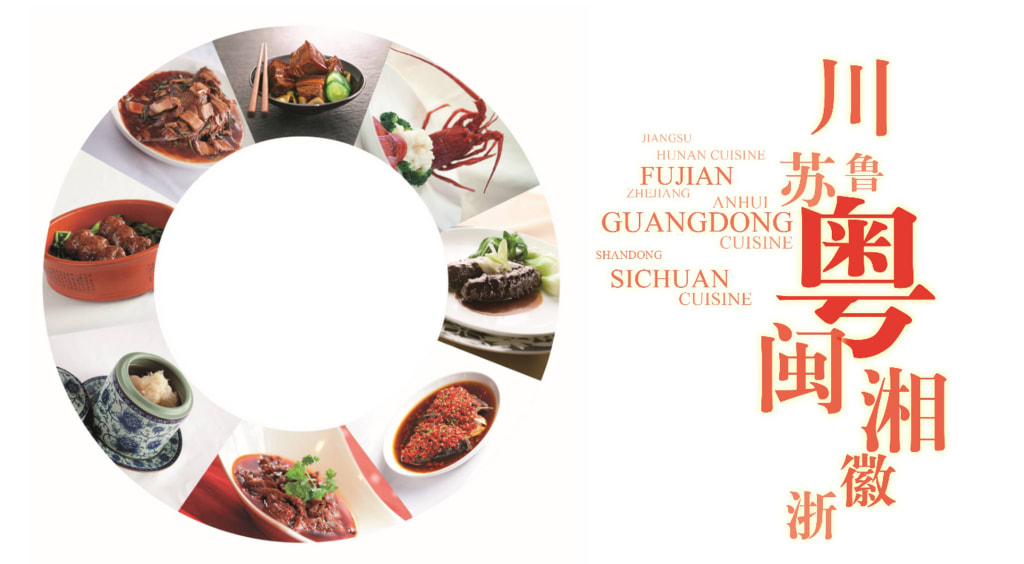
Chinese cuisine is a culinary treasure trove, celebrated worldwide for its diverse flavors, techniques, and cultural significance. With a history spanning thousands of years, it has evolved into a complex system of regional cuisines, each with its own unique characteristics. Among these, the eight major cuisines stand out as the pillars of Chinese gastronomy, representing the rich tapestry of Chinese culture and geography.
Sichuan Cuisine: A Symphony of Spices
Sichuan cuisine, also known as Szechuan cuisine, hails from the southwestern province of Sichuan. Renowned for its bold and fiery flavors, it is a favorite among spice lovers. The hallmark of Sichuan cuisine is the use of Sichuan peppercorns, which impart a unique numbing sensation, known as "ma," when combined with the heat of chili peppers. This combination creates a complex flavor profile that is both spicy and fragrant.
One of the most famous Sichuan dishes is Mapo Tofu, a spicy and savory dish made with soft tofu, minced meat, and a spicy sauce flavored with Sichuan peppercorns and chili oil. Another classic is Kung Pao Chicken, a dish of diced chicken, peanuts, vegetables, and dried chili peppers, cooked in a spicy and sweet sauce. Sichuan cuisine also features a variety of hot pot dishes, where diners cook a variety of ingredients in a simmering pot of spicy broth.
Cantonese Cuisine: A Celebration of Freshness
Cantonese cuisine, originating from the southern province of Guangdong, is known for its emphasis on freshness, lightness, and delicate flavors. It is a popular cuisine in Hong Kong, Macau, and overseas Chinese communities. Cantonese chefs are masters of using high-quality ingredients and simple cooking techniques to bring out the natural flavors of the food.
Dim sum, a variety of small bite-sized dishes, is a signature of Cantonese cuisine. These include steamed dumplings, buns, and pastries, filled with a variety of ingredients such as pork, shrimp, and vegetables. Roast duck and char siu (barbecued pork) are also popular Cantonese dishes, known for their crispy skin and tender meat. Cantonese cuisine also features a wide range of seafood dishes, as the province is located on the coast and has access to a variety of fresh seafood.
Shandong Cuisine: The Essence of Northern China
Shandong cuisine, also known as Lu cuisine, is one of the oldest and most influential cuisines in China. It originated in the northeastern province of Shandong and is known for its emphasis on freshness, saltiness, and the use of a variety of cooking techniques. Shandong cuisine is often considered the representative cuisine of northern China.
One of the most famous Shandong dishes is Braised Sea Cucumber with Green Onions, a luxurious dish made with high-quality sea cucumbers and green onions, cooked in a rich and savory sauce. Another classic is Dezhou Braised Chicken, a dish of tender chicken, cooked in a spicy and fragrant sauce. Shandong cuisine also features a variety of noodle and dumpling dishes, as wheat is a major crop in the region.
Huaiyang Cuisine: The Elegance of the South
Huaiyang cuisine, originating from the Yangtze River Delta region, is known for its elegance, finesse, and delicate flavors. It is a popular cuisine in the cities of Yangzhou, Zhenjiang, and Nanjing. Huaiyang chefs are masters of using fresh ingredients and precise cooking techniques to create dishes that are both beautiful and delicious.
One of the most famous Huaiyang dishes is Yangzhou Fried Rice, a dish of fried rice, eggs, vegetables, and meat, cooked in a light and fragrant sauce. Another classic is Lion's Head, a dish of large meatballs, made with a combination of pork and vegetables, cooked in a rich and savory sauce. Huaiyang cuisine also features a variety of soup and stew dishes, as the region is known for its abundant water resources.
Fujian Cuisine: The Delights of the Sea
Fujian cuisine, also known as Min cuisine, hails from the southeastern province of Fujian. It is known for its emphasis on seafood, soups, and the use of a variety of unique ingredients. Fujian cuisine is influenced by the province's coastal location and its long history of trade and cultural exchange.
One of the most famous Fujian dishes is Buddha Jumps Over the Wall, a luxurious dish made with a variety of precious ingredients such as abalone, sea cucumber, shark fin, and mushrooms, cooked in a rich and fragrant broth. Another classic is Oyster Omelette, a dish of eggs, oysters, and starch, cooked in a savory sauce. Fujian cuisine also features a variety of soup and noodle dishes, as well as a unique style of cooking called "red cooking," which involves cooking food in a sauce made with red yeast rice.
Zhejiang Cuisine: The Flavors of the West Lake
Zhejiang cuisine, originating from the eastern province of Zhejiang, is known for its freshness, tenderness, and delicate flavors. It is a popular cuisine in the cities of Hangzhou, Ningbo, and Shaoxing. Zhejiang cuisine is influenced by the province's beautiful natural scenery, rich cultural heritage, and abundant agricultural resources.
One of the most famous Zhejiang dishes is West Lake Fish in Vinegar Gravy, a dish of fresh fish, cooked in a sweet and sour sauce flavored with vinegar and sugar. Another classic is Dongpo Pork, a dish of slow-cooked pork belly, named after the Song Dynasty poet Su Dongpo. Zhejiang cuisine also features a variety of bamboo shoot and vegetable dishes, as the province is known for its bamboo forests and fertile farmland.
Hunan Cuisine: The Heat of the South
Hunan cuisine, also known as Xiang cuisine, hails from the central southern province of Hunan. It is known for its bold and spicy flavors, similar to Sichuan cuisine, but with a greater emphasis on the use of fresh chili peppers. Hunan cuisine is often considered the representative cuisine of southern China.
One of the most famous Hunan dishes is Mapo Tofu, a spicy and savory dish made with soft tofu, minced meat, and a spicy sauce flavored with fresh chili peppers and garlic. Another classic is Chairman Mao's Red-Braised Pork, a dish of slow-cooked pork belly, named after the former Chinese leader Mao Zedong. Hunan cuisine also features a variety of stir-fried and steamed dishes, as well as a unique style of cooking called "smoked cooking," which involves smoking food over a fire to impart a unique flavor.
Anhui Cuisine: The Flavors of the Mountains
Anhui cuisine, also known as Hui cuisine, originates from the eastern province of Anhui. It is known for its emphasis on wild game, mountain vegetables, and the use of a variety of unique cooking techniques. Anhui cuisine is influenced by the province's mountainous terrain and its rich cultural heritage.
One of the most famous Anhui dishes is Braised Mandarin Fish, a dish of fresh mandarin fish, cooked in a rich and savory sauce flavored with soy sauce and sugar. Another classic is Li Hongzhang Hotchpotch, a dish of mixed ingredients such as sea cucumber, squid, shrimp, and mushrooms, cooked in a thick and flavorful soup. Anhui cuisine also features a variety of smoked and cured meat dishes, as well as a unique style of cooking called "stone cooking," which involves cooking food on a hot stone to impart a unique flavor.
In conclusion, Chinese cuisine is a vast and diverse culinary landscape, with each of the eight major cuisines offering a unique and delicious experience. From the spicy and bold flavors of Sichuan cuisine to the delicate and elegant flavors of Huaiyang cuisine, there is something to suit every palate. Whether you are a seasoned foodie or a curious traveler, exploring the rich tapestry of Chinese cuisine is a journey that is sure to be both delicious and rewarding.
About the Creator
hello-word
As a Chinese person, love for the culture of my own country. Nowadays, the global exchange of information is becoming increasingly rapid. I also hope that more people can gain a deeper and more detailed understanding of Chinese culture.
Keep reading
More stories from hello-word and writers in Feast and other communities.
Anhui Cuisine
Anhui cuisine, also known as Hui cuisine, is a culinary tradition deeply rooted in the natural bounty of the mountains and waters of Anhui province in eastern China. This cuisine is celebrated for its unique flavors, which are a harmonious blend of the region's mountain - sourced ingredients, traditional cooking techniques, and cultural heritage.
By hello-word11 months ago in Feast
My Tous les Jours Trip
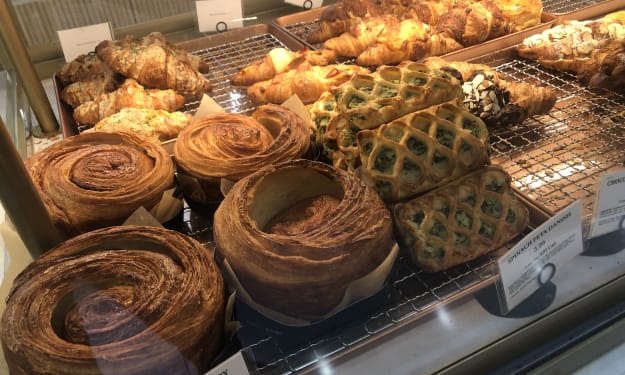
As someone who lives in a rural area, I don't get the chance to visit fancy restaurants or bakeries that often. So, when a friend told me about a French-Asian bakery that's less than an hour away, I knew I had to check it out and grab some pictures for social media. Tous les Jours ended up providing an immersive experience that went above and beyond my expectations--although I did leave with a few reservations.
By Kaitlin Shanks24 days ago in Feast
Guide to Choosing the Best Essential Kitchen Knives
Have you ever stood at the counter, staring at a pile of vegetables, wondering which knife would actually make the job easier? Many people assume they need a massive knife block filled with matching blades to cook well, but that’s rarely true.
By Chris Jones6 days ago in Feast



Comments
There are no comments for this story
Be the first to respond and start the conversation.