

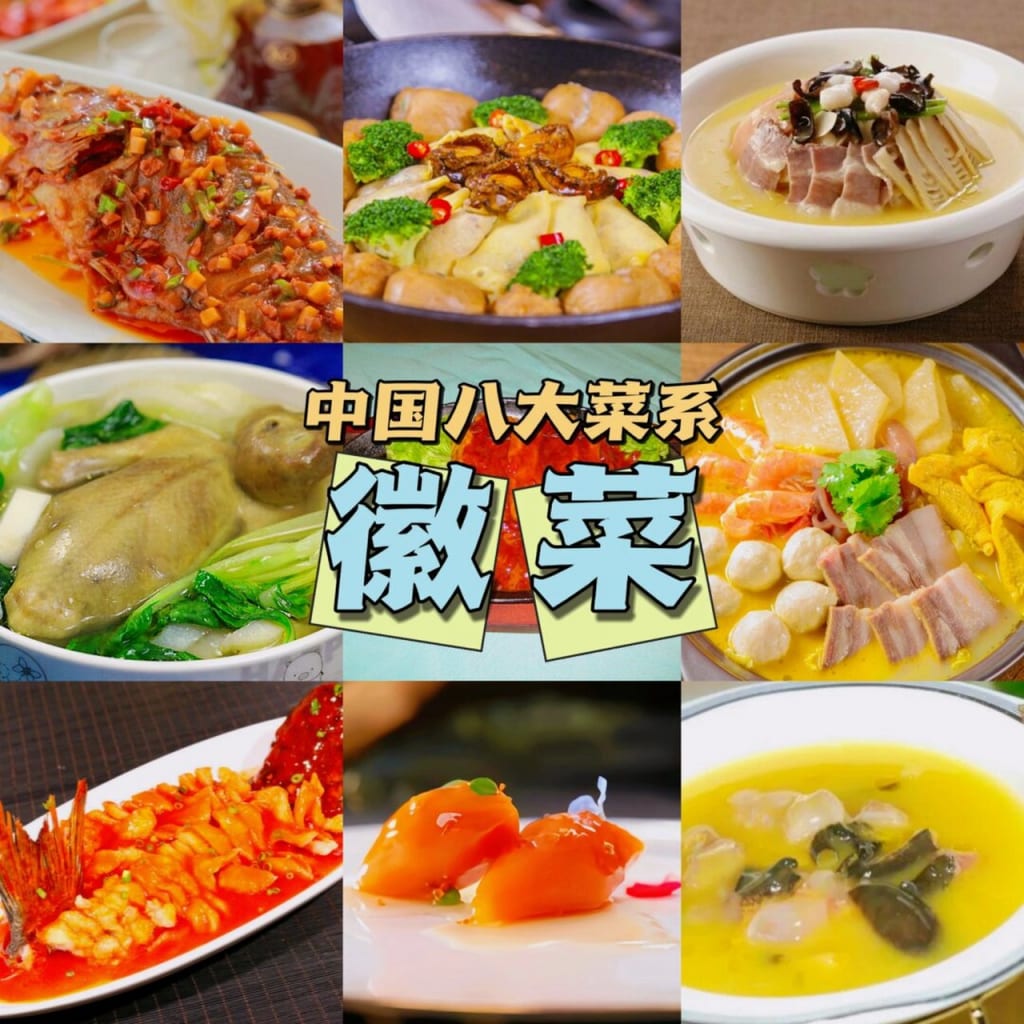
Anhui cuisine, also known as Hui cuisine, is a culinary tradition deeply rooted in the natural bounty of the mountains and waters of Anhui province in eastern China. This cuisine is celebrated for its unique flavors, which are a harmonious blend of the region's mountain - sourced ingredients, traditional cooking techniques, and cultural heritage.
A Rich Historical Tapestry
The history of Anhui cuisine can be traced back over a thousand years. Anhui's strategic location, with the Yangtze River and Huai River flowing through it and the Huangshan Mountains standing majestically in the south, has made it a crossroads of cultures and trade. During the Ming and Qing dynasties, Anhui merchants, known as the Huishang, were highly influential in the business world. Their prosperity led to the spread of Anhui cuisine, as they carried their local food traditions to different parts of the country.
In ancient times, the mountainous terrain of Anhui provided a wealth of wild game, mushrooms, bamboo shoots, and herbs. The local people, adapting to the environment, developed cooking methods that preserved and enhanced the flavors of these ingredients. This laid the foundation for the distinct style of Anhui cuisine we know today.
The Allure of Mountain Ingredients
Abundant Wild Produce
The mountains of Anhui are a treasure trove of ingredients. Wild mushrooms, such as the fragrant matsutake and the earthy - tasting shiitake, are commonly used in Anhui dishes. These mushrooms are often foraged in the forests, adding a natural, earthy flavor to the cuisine. Bamboo shoots, which grow in profusion in the mountainous regions, are another staple. They are used in both stir - fries and slow - cooked dishes, providing a crunchy texture and a subtle, sweet taste.
Game Meats
Wild game has long been a part of the Anhui diet. Pheasants, hares, and wild boar were once hunted in the mountains and incorporated into local recipes. Although the consumption of wild game is now more regulated, farm - raised alternatives are used to maintain the traditional flavors. For example, game - style dishes like braised rabbit or pheasant in a rich sauce are still popular, with the meat cooked to tenderness and infused with the flavors of local spices.
Mountain Herbs and Seasonings
Anhui cuisine makes use of a variety of local herbs and seasonings. Star anise, cinnamon, and fennel are commonly used to add depth and complexity to dishes. These spices are often combined with soy sauce, which is brewed locally using traditional methods. The soy sauce in Anhui has a rich, umami flavor that complements the mountain ingredients perfectly.
Signature Dishes
Stewed Soft - Shelled Turtle with Ham
This is a classic Anhui dish that showcases the use of high - quality ingredients. Soft - shelled turtle, a delicacy in Chinese cuisine, is slow - stewed with slices of local ham. The ham imparts a rich, savory flavor, while the turtle meat becomes tender and full of flavor. The dish is cooked in a clay pot, allowing the flavors to meld together over time. The slow - cooking process also helps to extract the nutrients from the turtle and the ham, resulting in a dish that is both delicious and nutritious.
Li Hongzhang Hotchpotch
Named after the famous Qing - dynasty statesman Li Hongzhang, this dish is a medley of ingredients. It typically includes sea cucumber, squid, ham, mushrooms, and bamboo shoots, all cooked in a rich broth. The dish represents the diversity of Anhui cuisine, combining mountain ingredients like bamboo shoots and mushrooms with seafood that was accessible through Anhui's waterways. The various textures and flavors of the ingredients create a harmonious blend in the mouth.
Bamboo Shoots and Dried Tofu Stir - Fry
This simple yet flavorful dish is a staple in Anhui households. Fresh bamboo shoots are stir - fried with dried tofu, which has a chewy texture. The combination of the crunchy bamboo shoots and the savory dried tofu is enhanced with seasonings like soy sauce, scallions, and a touch of chili pepper for a bit of heat. It is a dish that highlights the freshness of the mountain ingredients and the simplicity of Anhui home cooking.
Braised Pheasant in Sauce
As mentioned earlier, pheasant was once a common mountain game. In this dish, the pheasant is marinated in a mixture of soy sauce, star anise, and other spices before being braised until tender. The slow - braising process allows the meat to absorb the flavors of the seasonings, resulting in a dish with a rich, deep flavor. The tender meat of the pheasant is a treat for the taste buds, and it is often served with a side of steamed rice to soak up the delicious sauce.
Cultural Significance
Anhui cuisine is an integral part of the province's cultural identity. It reflects the resourcefulness of the Anhui people in using the natural resources of the mountains and waters. Food plays a central role in Anhui's social and family life. During festivals and special occasions, elaborate feasts featuring Anhui cuisine are prepared. For example, during the Chinese New Year, fish is a must - have dish, symbolizing abundance, and local specialties like Li Hongzhang Hotchpotch are often served to bring the family together.
In conclusion, Anhui cuisine offers a unique culinary experience that celebrates the flavors of the mountains. From its historical roots to its signature dishes, it is a cuisine that has withstood the test of time. Whether you are a food enthusiast exploring new flavors or a traveler eager to experience the local culture, Anhui cuisine is sure to leave a lasting impression with its rich, earthy flavors and unique cooking techniques.
About the Creator
hello-word
As a Chinese person, love for the culture of my own country. Nowadays, the global exchange of information is becoming increasingly rapid. I also hope that more people can gain a deeper and more detailed understanding of Chinese culture.
Keep reading
More stories from hello-word and writers in Feast and other communities.
Hunan Cuisine
Hunan cuisine, also called Xiang cuisine, is a vibrant and fiery culinary tradition that hails from the southern Chinese province of Hunan. Renowned for its bold and spicy flavors, it has captured the hearts and taste buds of food enthusiasts both within China and around the globe.
By hello-wordabout a year ago in Feast
Why Matar Paneer Is India’s Ultimate Vegetarian Curry
There are some dishes that do more than just satisfy hunger — they create memories. For many Indian families, Matar Paneer is one such dish. It is warm, comforting, and deeply rooted in North Indian cuisine. Whether served during a Sunday family lunch or at a festive gathering, this simple yet rich curry has a way of bringing people together.
By Gaurav Gupta5 days ago in Feast
Astragalus: An Ornamental, Supportive, and Culinary Herb
Astragalus Root/Milkvetch Astragalus is a popular remedy for various ailments today. Commonly found in health food stores and herbal shops in the form of tinctures, grounded encapsulated powders, or as part of an herbal infusion, or sometimes added to teas, astragalus usually makes the list for its purported immune-system and energy-supporting benefits.
By J. Chauncey8 days ago in Feast


Comments
There are no comments for this story
Be the first to respond and start the conversation.