
Empower Your Health: The Critical Role of Regular Screenings for Women
"Preventing Health Problems Before They Occur"

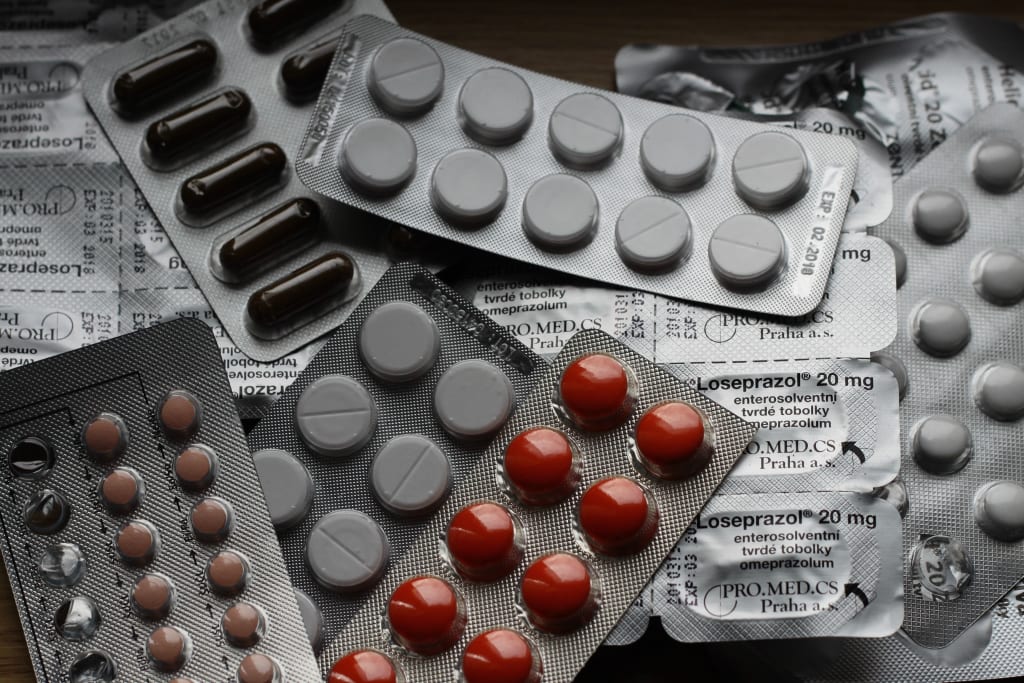
Introduction
As women, it is important to take care of our health and wellness, which includes regular health screenings. Health screenings are vital to detect any potential health issues that may be developing in our bodies. By identifying these health problems early on, we can take the necessary steps to address them, which may help prevent serious health conditions from developing. In this article, we will discuss the importance of regular health screenings for women, including recommended screenings, how often to get screened, and what to expect during a health screening.
Why Are Health Screenings Important?
Regular health screenings are an essential component of maintaining good health for women. Health screenings can help to identify health problems that may be developing in the body before they become more serious. Many health conditions do not show symptoms until they have progressed to a later stage, and early detection is key to successful treatment. Some of the health conditions that can be detected through regular health screenings include breast cancer, cervical cancer, heart disease, high blood pressure, high cholesterol, and diabetes.
Recommended Health Screenings for Women
There are several health screenings that are recommended for women. These screenings can vary depending on age, family history, and other risk factors. Some of the most common health screenings for women include:
Breast Cancer Screening: Women over the age of 40 should have a mammogram every one to two years. Women who have a family history of breast cancer may need to start screening earlier.
Cervical Cancer Screening: Women should begin getting Pap tests at the age of 21, and then every three years until the age of 29. After the age of 30, women should have a Pap test and an HPV test every five years, or a Pap test alone every three years.
Colon Cancer Screening: Women should begin getting screened for colon cancer at the age of 50. This can be done through a colonoscopy, which should be done every 10 years.
Blood Pressure Screening: Women should have their blood pressure checked at least once a year. If blood pressure is high, additional screenings may be necessary.
Cholesterol Screening: Women should have their cholesterol checked at least once every five years.
Diabetes Screening: Women who have a family history of diabetes or are overweight should be screened for diabetes. This can be done through a blood glucose test.
Bone Density Screening: Women over the age of 65 should have a bone density screening. Women who have risk factors for osteoporosis may need to be screened earlier.
How Often Should You Get Screened?
The frequency of health screenings can vary depending on age, family history, and other risk factors. It is important to discuss your individual needs with your healthcare provider to determine the best screening schedule for you. However, some general guidelines for health screenings include:
Breast Cancer Screening: Women over the age of 40 should have a mammogram every one to two years. Women with a family history of breast cancer may need to start screening earlier.
Cervical Cancer Screening: Women should begin getting Pap tests at the age of 21, and then every three years until the age of 29. After the age of 30, women should have a Pap test and an HPV test every five years, or a Pap test alone every three years.
Colon Cancer Screening: Women should begin getting screened for colon cancer at the age of 50. This can be done through a colonoscopy, which should be done every 10 years.
Blood Pressure Screening: Women should have their blood pressure checked at least once a year. If blood pressure is high, additional screenings may be necessary.
Cholesterol Screening: Women should have their cholesterol checked at least once every five years.
Diabetes Screening: Women who have a family history of diabetes or are overweight should be screened for diabetes. This can be done through a blood glucose test.
Bone Density Screening: Women over the age of 65 should have a bone density screening. Women who have risk factors for osteoporosis may need to be screened earlier.
Skin Cancer Screening: Women should have a skin exam by a healthcare provider every year to check for any unusual moles or skin lesions.
Eye Exam: Women should have an eye exam at least once every two years, or more frequently if they have vision problems or a family history of eye disease.
What to Expect During a Health Screening
The procedures involved in a health screening can vary depending on the specific test being performed. However, there are some general things that women can expect during a health screening.
Health History: During a health screening, a healthcare provider will take a health history, which will include questions about any symptoms, family history, and lifestyle habits.
Physical Exam: A physical exam may be performed, which can include checking the blood pressure, heart rate, weight, and height.
Blood Tests: Blood tests may be done to check cholesterol levels, blood sugar levels, and other important markers of health.
Imaging Tests: Imaging tests, such as mammograms or colonoscopies, may be performed to detect signs of cancer or other health problems.
HPV Test: An HPV test may be done during a Pap test to check for the presence of the human papillomavirus (HPV), which can cause cervical cancer.
Bone Density Test: A bone density test may be done to check for signs of osteoporosis.
Conclusion
Regular health screenings are essential for maintaining good health and preventing serious health conditions from developing. Women should be proactive about their health and take advantage of the recommended health screenings based on their age, family history, and other risk factors. By detecting potential health problems early on, women can take the necessary steps to address them and prevent more serious health conditions from developing. Women should talk to their healthcare provider about their individual screening needs and follow a regular screening schedule to stay healthy and well.
About the Creator
Emirhan Sevinç
You can find articles about everything here, stay tuned.
Keep reading
More stories from Emirhan Sevinç and writers in Feast and other communities.
Radiant and Resilient: The Power of Skin Health and How to Achieve It
Introduction: The skin is the body's largest organ and acts as a barrier to protect the body from environmental factors, including pollutants and microorganisms. However, our skin is also prone to damage from various factors, including UV radiation, pollution, harsh weather, and poor diet. Maintaining healthy skin is essential not just for aesthetics but also for overall health and well-being. A glowing, luminous, and resilient skin is the hallmark of good skin health, and it is achievable with the right approach. In this article, we'll explore the power of skin health and how to achieve it.
By Emirhan Sevinç3 years ago in Blush
My Tous les Jours Trip
As someone who lives in a rural area, I don't get the chance to visit fancy restaurants or bakeries that often. So, when a friend told me about a French-Asian bakery that's less than an hour away, I knew I had to check it out and grab some pictures for social media. Tous les Jours ended up providing an immersive experience that went above and beyond my expectations--although I did leave with a few reservations.
By Kaitlin Shanks24 days ago in Feast
Fish Farming Market Size and Forecast 2025–2033
Introduction: A Market Anchored in the Future of Food The global food system is undergoing a profound transformation, and fish farming—also known as aquaculture—is emerging as one of its most critical pillars. With wild fish stocks under pressure from overfishing, climate change, and habitat degradation, the world is increasingly turning to controlled, farm-based fish production to meet its growing appetite for seafood.
By Marthan Sir6 days ago in Feast
Wild Card Weekend Recap: What Happens Now?
I think I figured out why I love Wild Card Weekend so much. It's because it's the first playoff anything of the calendar year. The NFL season starts in the fall, and once upon a time, the champion was crowned either on or slightly before New Year's. The evolution of the NFL schedule has resulted in the playoffs starting just into the New Year, and currently, the final week of the season falls on the first weekend of the New Year, with Wild Card Weekend coming a week after that. So yes, chronologically, the NFL's Wild Card Weekend serves as the first playoff anything of the calendar year.
By Clyde E. Dawkins6 days ago in Unbalanced




Comments
There are no comments for this story
Be the first to respond and start the conversation.