
Dog Days Are Here: Skip the Cabbage and Radish, Embrace These 3 Seasonal Veggies for Gut Health and Summer Wellness
Dog Days Are Here: Skip the Cabbage and Radish, Embrace These 3 Seasonal Veggies for Gut Health and Summer Wellness
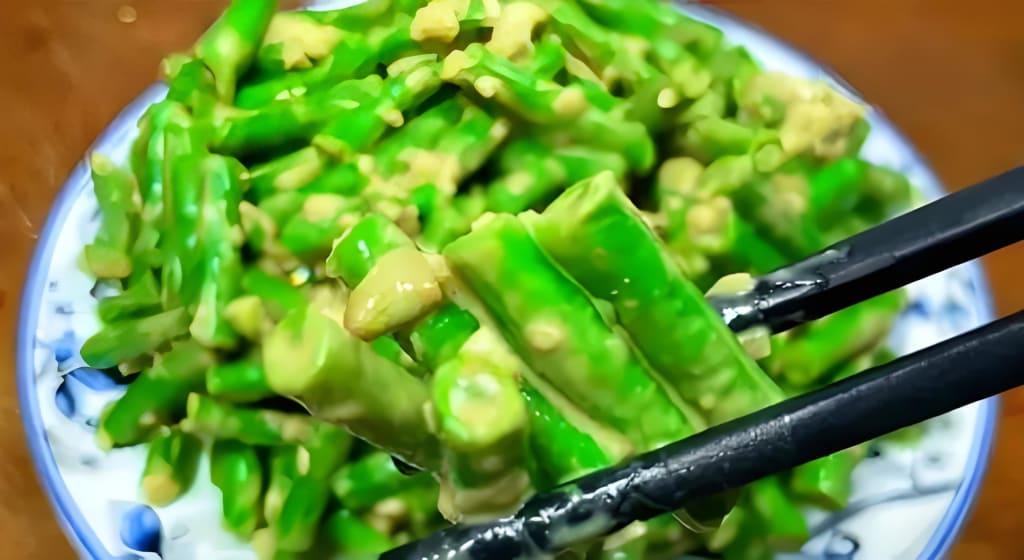
The dog days of summer have arrived in earnest. While familiar staples like cabbage and radish might feel comforting, they can feel surprisingly "heavy" on the stomach during this intense heat, potentially leading to digestive discomfort if eaten too frequently. Want to sail through the long summer feeling comfortable and energized? Shift your focus to the vibrant, juicy seasonal vegetables brimming with freshness. Let their crisp, cooling nature give your digestive system a much-needed vacation!
Why the Shift?
During the hottest and most humid period of the year, known traditionally in China as the "San Fu Tian" or dog days, the body works harder to regulate its temperature. Heavy, dense, or overly fibrous foods like mature cabbage and radishes demand more energy for digestion, generating internal heat. Conversely, light, hydrating, and easily digestible seasonal produce helps cool the body, replenishes electrolytes lost through sweat, and supports smoother digestion. Opting for these watery, nutrient-packed vegetables isn't just about taste; it's a practical strategy for maintaining energy, preventing sluggishness, and supporting overall well-being in the sweltering heat. Their high water content and essential vitamins and minerals are nature's perfect antidote to summer fatigue and digestive woes.
Star Vegetable #1: Chilled Green Beans with Sesame Dressing
This classic summer dish offers a delightful combination of crunch and creamy, nutty flavor. Green beans are rich in fiber, vitamins A, C, and K, and antioxidants, making them excellent for digestion and overall health during summer.
Method:
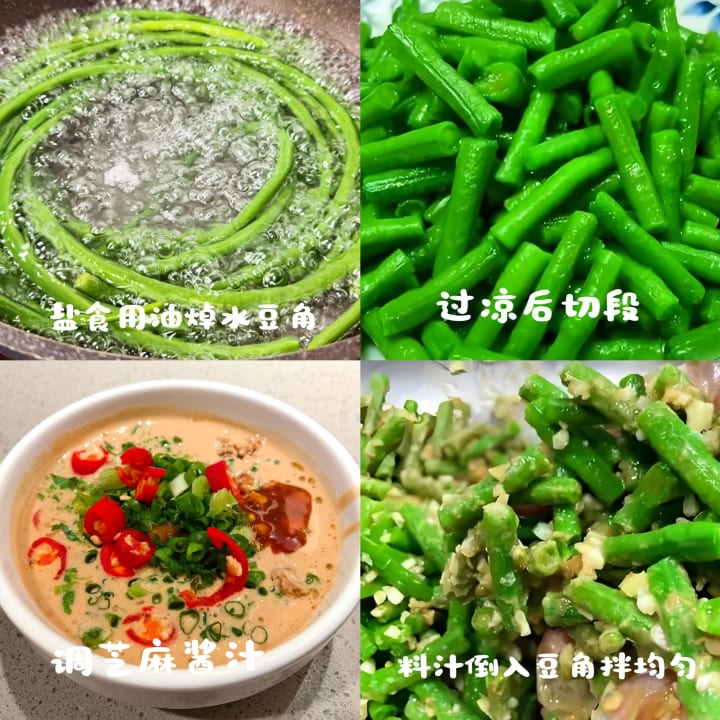
1. Prep the Beans: Wash the green beans thoroughly. Trim off the stem ends and remove any tough strings running along the sides. Break or cut them into 1.5-inch pieces.
2. Blanch Perfectly: Bring a pot of water to a rolling boil. Add 1 teaspoon of salt and a drizzle of cooking oil (this helps retain their vibrant green color). Carefully add the green beans. Crucial Tip: They MUST be cooked through thoroughly to neutralize potential toxins and ensure tenderness. Blanch for about 4-5 minutes, until the beans turn a bright, vivid green and are tender-crisp (not raw and squeaky). Test by piercing one with a fork or biting a piece – it should yield easily without a raw taste.
3. Shock for Crunch: Immediately drain the beans and plunge them into a bowl of ice water or very cold running water. This rapid cooling stops the cooking process instantly, locking in the bright color and ensuring a satisfyingly crisp texture. Drain very well afterwards; excess water will dilute the dressing.
4. Make the Sesame Dressing: In a separate bowl, place 3-4 tablespoons of good quality sesame paste (tahini). Start by whisking in 1 tablespoon of cool water in one direction. The paste will seize up initially but keep whisking until it smooths out. Gradually add more cool water, tablespoon by tablespoon (usually 3-5 tbsp total), whisking continuously after each addition, until you achieve a smooth, pourable consistency that coats the back of a spoon nicely – not too thick, not too runny.
5. Season the Dressing: To the smoothed sesame paste, add: 1-2 finely minced garlic cloves, 1.5 tablespoons of light soy sauce, 1 tablespoon of Chinese black vinegar (or rice vinegar), 1 teaspoon of sugar, 1/4 teaspoon of salt (or to taste), and 1 teaspoon of toasted sesame oil. Whisk vigorously until everything is fully emulsified and smooth. Taste and adjust seasoning – you might want a touch more soy for saltiness, vinegar for tang, or sugar for balance.
6. Combine and Serve: Place the thoroughly dried green beans in a large mixing bowl. Pour the prepared sesame dressing over them. Using clean hands or salad tongs, toss energetically to ensure every bean is generously coated in the creamy, aromatic sauce. Transfer to a serving dish and enjoy immediately or chill briefly for an extra refreshment.
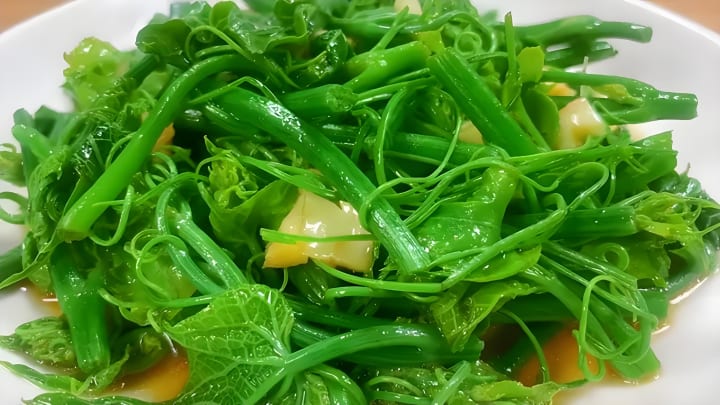
Star Vegetable #2: Garlic Sautéed Pea Shoots
Pea shoots (dragon whisker greens) are a summer delicacy, incredibly tender with a subtle, sweet pea flavor. They cook in seconds and are packed with vitamins C and K, folate, and phytonutrients. This quick stir-fry highlights their delicate nature.
Method:
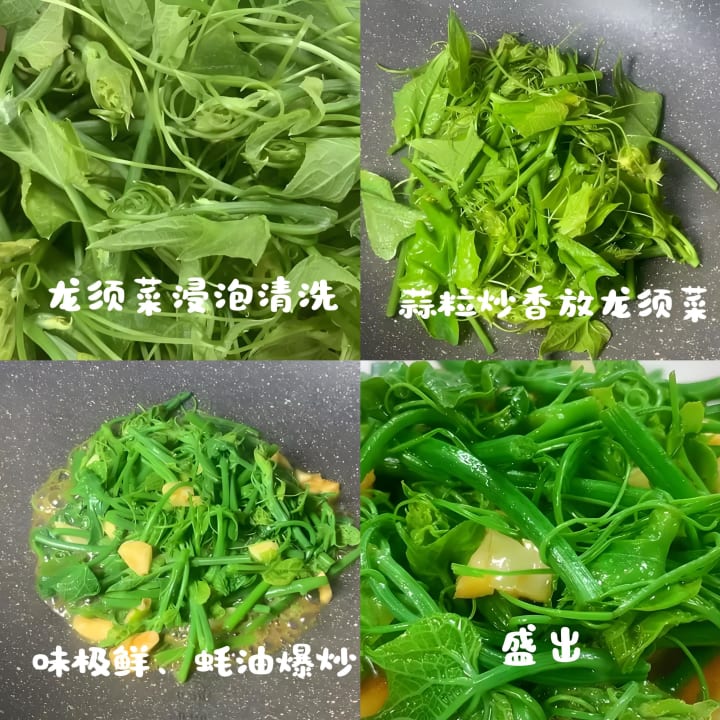
1. Gentle Prep: Pea shoots are very fragile. If they come with roots attached, trim those off. Pick through gently to remove any stray tough stems or yellowed leaves. Rinse them carefully in several changes of cold water to remove any grit. Crucially: Do not scrub or agitate them vigorously; just swish gently. Drain well in a colander or use a salad spinner. Handle with care!
2. Infuse the Oil: Heat a wok or large skillet over medium-high heat. Add 2-3 tablespoons of cooking oil (a bit more than usual; pea shoots benefit from a slightly richer coating). Once the oil is shimmering (but not smoking), add 3-4 cloves of garlic, lightly smashed or coarsely chopped. Reduce heat to medium and sauté the garlic, stirring constantly, until it becomes fragrant and just starts to turn golden at the edges – about 30-45 seconds. Don't let it burn.
3. Quick, Hot Stir-fry: Immediately turn the heat up to high! Add all the well-drained pea shoots to the hot oil and garlic. Stir-fry rapidly using tongs or a spatula. You'll see the leaves wilt slightly and turn a deep, glossy emerald green almost instantly. This should take no more than 45-60 seconds total.
4. Season and Serve: Quickly sprinkle with salt to taste (start with 1/4 tsp). Continue tossing constantly for another 10-15 seconds just until the salt is distributed and the shoots are uniformly wilted but still vibrantly green and crisp-tender. Speed is essential! Overcooking turns them mushy and dull. Transfer immediately to a serving plate to halt the cooking. Serve hot.
Star Vegetable #3: Shredded Asparagus Lettuce (or Bamboo Shoots) Stir-fried with Eggs
This simple, homely dish combines crisp vegetable shreds with fluffy scrambled eggs. Asparagus lettuce (celtuce) stems are commonly used, offering a juicy crunch similar to jicama, but prepared bamboo shoots work beautifully too. It’s protein-rich and light.
Method:
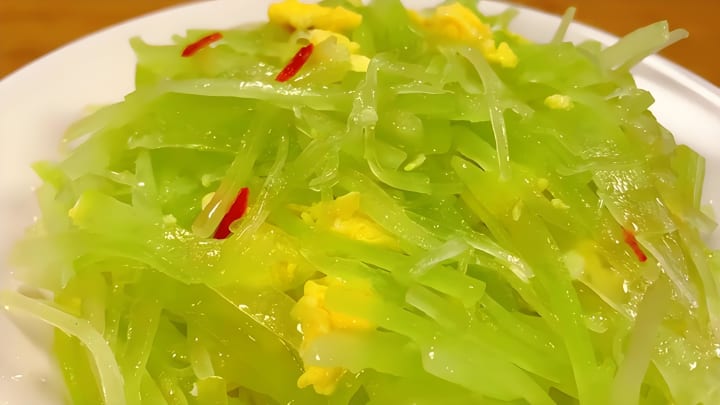
1. Prepare the "Shreds":
• For Fresh Asparagus Lettuce (Celtuce): Peel the thick stem thoroughly to remove the fibrous outer layer. Slice it thinly, then stack the slices and cut into thin matchsticks (julienne). Place the shreds in a bowl, sprinkle with 1/2 teaspoon of salt, toss, and let sit for 5 minutes. This draws out excess moisture. Squeeze the shreds firmly with your hands to expel the water – this ensures maximum crispness when cooked. Rinsing is optional but pat dry.
• For Prepared Bamboo Shoots: If using canned or vacuum-packed pre-cooked bamboo shoots (shredded or julienned), simply drain and rinse them well under cold water to remove any canned flavor. Drain thoroughly and pat dry. No salting needed.
2. Scramble the Eggs: Crack 2-3 eggs into a bowl. Add a pinch of salt and 1 teaspoon of water or milk (this makes them fluffier). Beat vigorously with a fork or chopsticks until uniform. Heat 1 tablespoon of oil in a wok or skillet over medium-high heat until shimmering. Pour in the egg mixture. As the edges set, gently push them towards the center with a spatula or chopsticks, letting the uncooked egg flow underneath. Cook just until set but still tender and slightly moist – avoid overcooking into dryness. Break into smaller curds and remove immediately to a plate.
3. Stir-fry the Shreds: In the same wok/skillet (add another 1/2 tbsp oil if dry), heat over medium-high heat. Add the prepared, dried vegetable shreds. Stir-fry rapidly for about 1 minute until they are hot, bright in color, and just tender-crisp (wok hei is good here!).
4. Combine and Finish: Add the scrambled eggs back to the wok with the shreds. Throw in 1-2 chopped green onions (scallions). Season with a pinch of salt (remembering the eggs are already salted) and optionally, a sprinkle of white pepper for a subtle warmth. Toss everything together quickly and efficiently, just until heated through and combined – about 15-20 seconds. Turn off the heat immediately. Serve hot.
The Wisdom of Summer Eating: Cool, Light & Fresh
The culinary wisdom for thriving during the San Fu Tian revolves entirely around three guiding principles: Cooling, Lightness, and Freshness. These three highlighted seasonal vegetables are nature's perfect answer to soothing overheated bodies. They arrive carrying the earthy scent of the soil and the generous gifts of the summer sun. In their most humble preparations, they create a haven of cool relief for our digestive systems. Slip a forkful into your mouth, and that clean, refreshing taste seems to dissolve the clinging summer heat. When your stomach is content, your spirit lifts. It’s with these simple, nourishing choices that we find the vitality to not just endure, but to truly savor the long dog days of summer, moving through them with ease and a sense of vibrant well-being.
Bonus Summer Eating Tips:
• Hydration is Key: Complement these veggies with plenty of water, herbal teas (like chrysanthemum or mint), and hydrating fruits (watermelon, cucumber, peaches).
• Smaller, Lighter Meals: Opt for more frequent, smaller meals rather than large, heavy ones to ease digestion.
• Minimize Greasy & Spicy: While tempting, overly fatty or fiery foods can increase internal heat and digestive burden. Use spices like ginger or white pepper sparingly for flavor without excessive heat.
• Embrace Cooking Methods: Steaming, quick blanching, and light stir-fries (like those above) are ideal. Avoid deep-frying and long braising during peak heat. By consciously choosing these cooling, hydrating, and nutrient-dense seasonal vegetables and following these simple principles, you empower your body to navigate the summer's intensity with greater comfort and resilience.
About the Creator
My Tous les Jours Trip
As someone who lives in a rural area, I don't get the chance to visit fancy restaurants or bakeries that often. So, when a friend told me about a French-Asian bakery that's less than an hour away, I knew I had to check it out and grab some pictures for social media. Tous les Jours ended up providing an immersive experience that went above and beyond my expectations--although I did leave with a few reservations.
By Kaitlin Shanks24 days ago in Feast
Global Flour Market Size and Forecast 2025–2033
Introduction Flour, one of humanity’s oldest and most essential food ingredients, continues to power modern food systems in ways few other commodities can match. From bread and pastries to noodles, snacks, and ready-to-eat meals, flour remains a foundation of daily nutrition across cultures and economies. While deeply rooted in tradition, the flour industry today is undergoing a significant transformation driven by evolving consumer lifestyles, technological advancements in milling, and increasing emphasis on health and sustainability.
By Marthan Sir6 days ago in Feast
How to Succeed at the Benson Directory®
Congratulations and welcome to the Benson Directory® employee #22391! As our newest call handler, you will have the privilege of speaking with dozens of unique and interesting people on a daily basis as well as the opportunity to earn bonuses for high performance. Contained within this handbook you will find a set of ease to follow instructions designed to help you settle in to your new role and begin paving the way to success.
By S. A. Crawford3 days ago in Fiction



Comments
There are no comments for this story
Be the first to respond and start the conversation.