
Char
The Undeniable Signature Seasoning of Summer


The most iconic and ubiquitous summer food is the char seasoning a bonfire or grill lovingly imparts. The charred bits of a marshmallow, seared edges of a steak, grill marks vegetables, and the soot-smothered skin of a hot dog is a testament to summer’s unmistakable heat. Char is an acquired taste, to say the least. As a child, it was the enemy of a perfect campfire marshmallow. The bitter crumbs confirmed our shortcomings and overpowered the sweetness of melted sugar. Inevitably, a kind adult would either remove the burnt skin or eat the marshmallow raving about how much they love the burned ones.
Our patience and spatial reasoning improved throughout the years and the illusive golden-caramel marshmallow took the place of the charred failings of our youth. Char became our culinary nemesis as we chased brown edges, grill marks, and coatings on all our summer favorites. We believed reached the pinnacle of fire-roasted bliss until we noticed things tasted incomplete. They lacked depth and contrast in their perfection. Our food spoke of spring, fall, and winter. We had tamed the wild and unpredictable nature of an open fire into the routine and predictable results of more controlled indoor cooking methods. The absence of true charred bits on a steak left the whole piece feeling like it was cooked on a panini press. Perfect grooves, perfect temperature, perfectly controlled, and perfectly boring. Incredibly, we began missing the satisfyingly imperfect foods of our childhood.
No one loves the taste of char, and yet it brings us such joy. To some, it triggers nostalgia for simpler days. The bitter crunch brings to mind sweeter days full of unbridled joy and carefree abandon. Others appreciate the way char showcases the flavor of their food by contrast. Against the backdrop of an ashy crumb, each marshmallow tastes sweeter and each steak has a more complex flavor profile. Char is the night sky that allows the food to shine.
Artists might appreciate how the flames lap at the food painting beautiful abstract sears across it. A few leftover crumbs sitting on the edge of a paper plate make it look like a canvas waiting to be filled with a masterpiece. On more than one occasion, I’ve used a finger to drag a crumb lazily across the plate as the sun nestled into the trees and the conversation drifted off in the gentle breeze.
The more contemplative among us may even delve into the philosophical lessons of char, explaining how imperfection is beautiful, flaws are to be accepted, life is unpredictable, and joy can be present despite discomfort or suffering. They may remind you that char is the signature of fire, and controlling fire was the foundation of our survival as a species. Viewed through its most primal lens, char is part of our shared history. It connects us to all humans across the world and throughout the ages.
The dry acrid crunch of char transports me to some of my favorite summer food memories. I’m reminded of fresh-cut grass beneath my feet, the five-o-clock glare of the sun coming through the trees, and the aura of heat emanating from a gas grill in my backyard. I can revisit the cool summer nights around a bonfire with my friends and family. I can hear the silly ghost stories and watch the flames dance around our sticks. I can taste a late-night frank that I made myself or the gooey satisfaction of a smore the way my mother built them. I can be ten again in my grandfather’s backyard, watching him carefully slice each hotdog, grill them flat, lovingly tuck a folded piece of cheese inside each, and serve them to a rambunctious pack of cousins. I can rediscover the magic of the grilled corn recipe my aunt shared or savor the memories of family cookouts. Char was the common thread connecting some of my favorite summer meals and snacks.
About the Creator
Keep reading
More stories from Hailey Denevere and writers in Feast and other communities.
Summer's Three-Course Meal
I’ve always seen summer as a months-long feast that matured with the season. The first taste of summer was always a crisp, sun-warmed green bean. My mom’s garden held the bulk of our plants, but a green bean patch under a window was all my own. Summer after summer, the green beans would produce first. I learned planning, patience, consistency, and eventually basic math in that 1-foot by 3-foot plot. I’m not a fan of green bean casserole or steamed green beans, but the earthy texture and satisfying snap of a fresh green bean always takes me back to the first few days of summer. When I need a quick infusion of hope and promise, I put a bag of fresh green beans in my cart. With every bite, I bask in the feeling that this is the beginning of brighter carefree days ahead.
By Hailey Denevere4 years ago in Feast
My Tous les Jours Trip
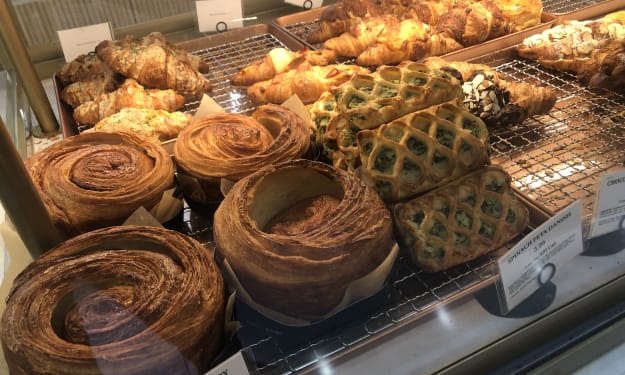
As someone who lives in a rural area, I don't get the chance to visit fancy restaurants or bakeries that often. So, when a friend told me about a French-Asian bakery that's less than an hour away, I knew I had to check it out and grab some pictures for social media. Tous les Jours ended up providing an immersive experience that went above and beyond my expectations--although I did leave with a few reservations.
By Kaitlin Shanks26 days ago in Feast
Mexico Coffee Market Size & Forecast 2025–2033
Mexico Coffee Market Outlook The Mexico Coffee Market is anticipated to grow at a CAGR of 4.08% from 2025 to 2033, reaching a market value of US$ 3.38 billion by 2033, up from US$ 2.36 billion in 2024, according to Renub Research. The market’s expansion is being driven by rising domestic coffee consumption, rapid growth of café culture, premiumization trends, and increasing demand for specialty, organic, and convenient coffee formats across the country.
By jaiklin Fanandish2 days ago in Feast



Comments (1)
Honestly, I don't like char at all, but on another note, char is said to cause cancer according to a few people in the medical community. My fiancé told me about this after he studied at the Detroit medical center.