
Calcium Content Higher Than Milk: Summer’s "Longevity Greens" – Boosting Calcium, Iron, and Clearing Heat & Dampness
Calcium Content Higher Than Milk: Summer’s "Longevity Greens" – Boosting Calcium, Iron, and Clearing Heat & Dampness
Calcium isn’t just the bedrock of our bones and teeth; it plays a vital, often unseen, role in countless bodily functions. It’s the silent conductor orchestrating muscle contractions, the essential messenger enabling nerve signals to fire, and a crucial player in the complex cascade of blood clotting. A chronic calcium deficiency can subtly, yet significantly, undermine the very foundation of health for you and your family.
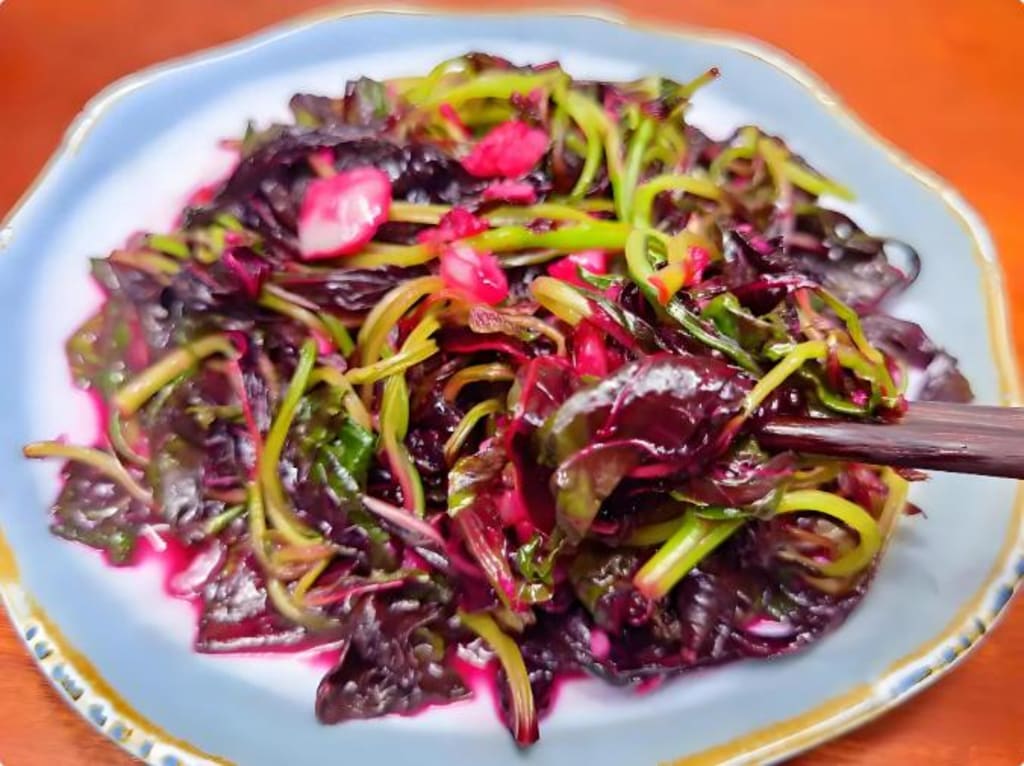
While milk is often the go-to source for calcium, it’s far from the only path to meeting our needs. Nature generously offers a treasure trove of nutrients in a humble leafy green, affectionately dubbed "longevity greens" in traditional wisdom: Amaranth Greens (苋菜, Xiàncài). ✅ Per 100 grams, fresh amaranth greens boast an impressive calcium content of approximately 187 mg, significantly surpassing that of milk (around 120 mg per 100ml). But its nutritional prowess doesn’t stop there. Amaranth is a powerhouse, rich in iron, potassium, magnesium, and vitamins C and K, truly embodying a walking "nutrient vault." During summer, amaranth reaches its peak – tender, succulent, and vibrant, with stems and leaves unfurling in shades of deep green or striking burgundy, radiating natural vitality. Beyond its visual appeal, its unique combination of nutrients contributes to its esteemed "longevity" reputation. Traditionally valued in Chinese medicine for its ability to clear heat and dispel dampness (common summer ailments), amaranth is perfectly suited to the season, offering cooling relief alongside its dense nutritional profile.
Unlocking the Potential: Three Delicious Ways to Enjoy Amaranth Greens
1. Cool and Crisp: Blanched Amaranth Salad (凉拌苋菜)
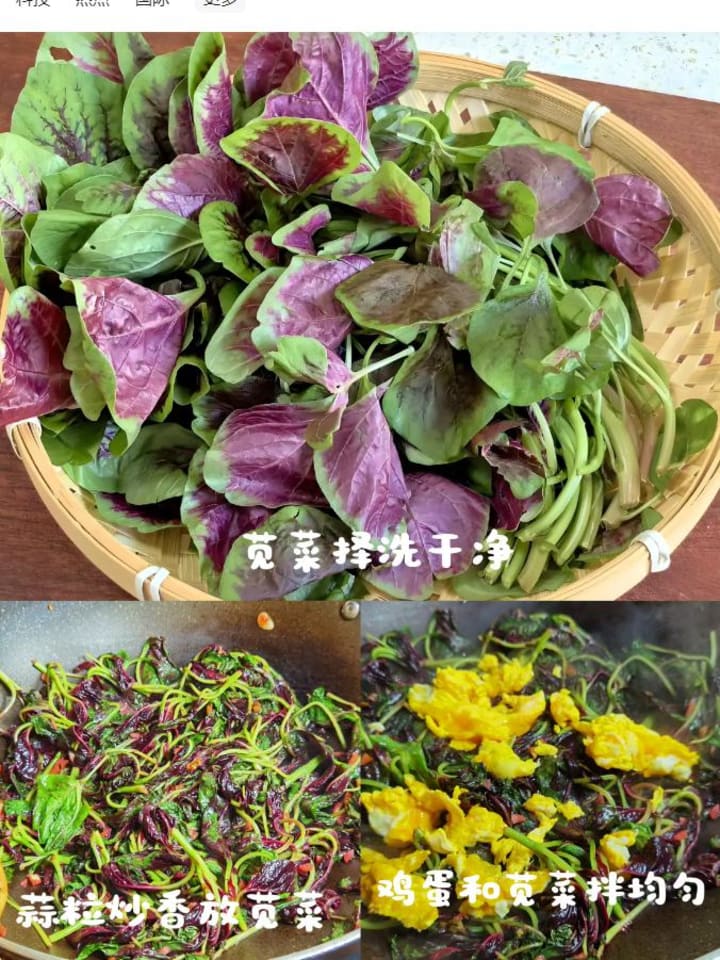
When summer heat bears down, a refreshing blanched amaranth salad makes a perfect, nutrient-preserving starter. The quick blanching process not only enhances its vivid green or purple-red hue but also helps unlock its nutritional bioavailability, making those valuable minerals more accessible to your body.
Method Essentials:
1. Prepare: Thoroughly wash the amaranth greens. Pinch off and discard any tough, woody stems, retaining only the tender stalks and leaves.
2. Blanch: Bring a pot of water to a rolling boil. Add a generous pinch of salt and a few drops of cooking oil (this helps retain color). Submerge the amaranth greens and blanch for only about 20 seconds. Immediately remove and plunge them into a bowl of ice-cold water to halt cooking and preserve crispness. Drain well, then gently squeeze out excess water – aim for moist, not soggy, greens.
3. Season: Transfer to a bowl. Add minced garlic, a splash of light soy sauce, a drizzle of fragrant Chinese black vinegar (or rice vinegar), a pinch of fine salt, and a tiny amount of sugar to balance and enhance the flavors. Finish with a generous drizzle of aromatic toasted sesame oil.
4. Combine: Toss everything together gently but thoroughly to coat the greens evenly.
5. Serve: Plate immediately.
The Experience: This dish is a visual delight, the vibrant greens or reds popping on the plate. The texture is a satisfying combination of tender-crisp freshness. The gentle bite of garlic harmonizes with the tangy vinegar and the rich nuttiness of sesame oil, creating a flavor profile that awakens the palate without overwhelming it. Perfect as an appetizer or a side dish with congee (rice porridge), this salad actively combats summer heat, promotes a feeling of coolness, and effortlessly delivers a potent dose of highly bioavailable calcium straight from nature’s pantry.
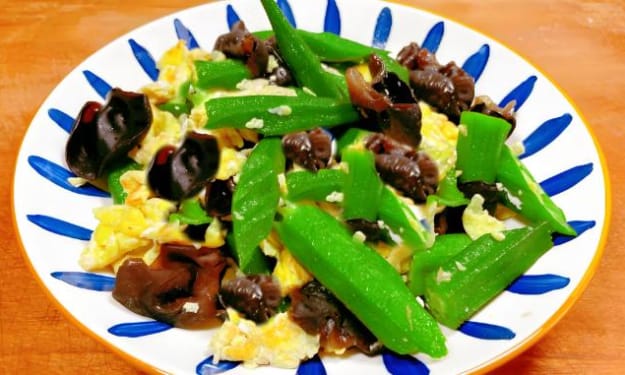
2. The Classic Pairing: Amaranth Greens Stir-fried with Eggs (苋菜炒鸡蛋)
The union of amaranth greens and eggs is a nutritional masterpiece – a perfect marriage of calcium, high-quality protein, and iron. Visually, the deep reds or greens of the amaranth mingling with bright yellow egg curds create a vibrant and appetizing summer tableau on the plate.

Method Essentials:
1. Prepare Greens: Wash amaranth thoroughly and cut into bite-sized segments (about 2-3 inches long).
2. Prepare Eggs: Crack eggs into a bowl. Add a tiny pinch of salt and about 1 teaspoon of water (this helps create fluffier curds). Beat vigorously until completely smooth and slightly frothy.
3. Cook Eggs: Heat a tablespoon of cooking oil in a wok or large skillet over medium-high heat until shimmering. Pour in the beaten eggs. As the edges start to set but the center is still slightly runny, use chopsticks or a spatula to gently push and fold the eggs, breaking them into soft, fluffy curds. Once just set but still tender, remove immediately from the wok and set aside.
4. Stir-fry Greens: Add another teaspoon of oil to the wok if needed. Add minced garlic and stir-fry for 10-15 seconds until fragrant but not browned. Immediately add the amaranth segments. Stir-fry quickly and constantly for 1-2 minutes until the greens are wilted and tender-crisp.
5. Combine: Return the scrambled eggs to the wok with the greens. Gently toss and stir-fry for another 30-60 seconds, allowing the flavors to meld. Season with salt to taste (be mindful of salt already added to the eggs).
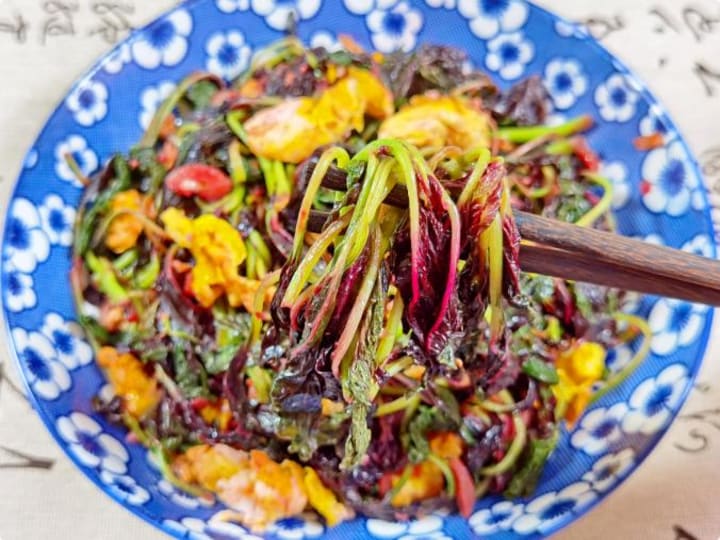
The Experience: A beautiful natural phenomenon often occurs: the vibrant pigments from the red amaranth varieties gently bleed into the surrounding egg curds, creating a stunning "jade-inlaid-with-gold" effect. The dish offers contrasting yet complementary textures – the velvety softness of the eggs enveloping the tender, slightly slippery greens. Flavor-wise, the mild sweetness and earthy notes of the amaranth pair flawlessly with the rich savoriness of the eggs. This dish is a double powerhouse: excellent for boosting calcium intake while simultaneously supporting healthy iron levels, making it particularly beneficial for growing children and women who need extra nutritional support.
3. Comfort Food, Elevated: Amaranth and Pork Dumplings (苋菜猪肉馅饺子)
Finely chopping amaranth greens and incorporating them into a savory pork filling, then encasing them in delicate dumpling wrappers, transforms simple ingredients into parcels bursting with both nourishment and heartfelt care. It’s like wrapping the very essence of "longevity" into each meticulously folded crescent.
Method Essentials:
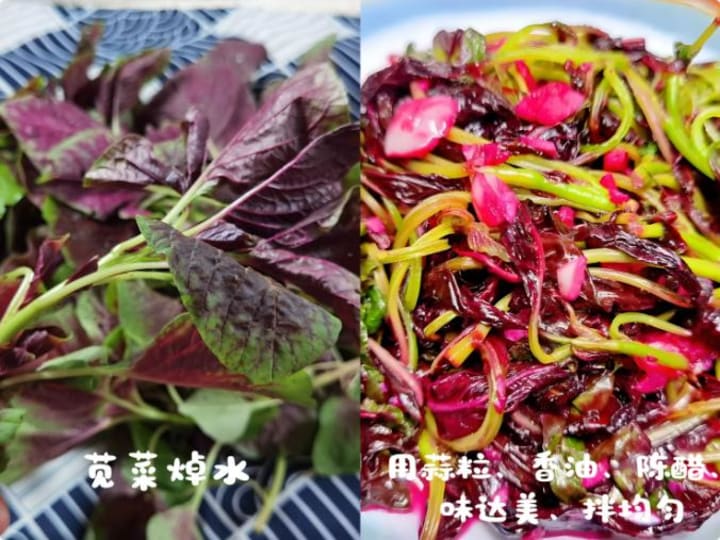
1. Prepare Greens: Wash amaranth thoroughly. Blanch exactly as described in the salad method (Step 2). Drain, cool, squeeze out excess water firmly (drier than for salad), and finely chop.
2. Prepare Filling: Use pork with a ratio of about 30% fat to 70% lean meat (ground or hand-chopped for better texture). Place in a bowl. Add the finely chopped, squeezed amaranth.
3. Season Filling: Add minced ginger, finely chopped scallions (green onions), light soy sauce, oyster sauce (or a vegetarian alternative), salt to taste, a small pinch of sugar, and white pepper. Mix everything together thoroughly. Then, using your hand or chopsticks, vigorously stir the filling in one direction only for several minutes. This "beating" action develops the proteins, creating a sticky, cohesive texture known as "起胶" (qǐ jiāo) – essential for juicy dumplings. The mixture should hold together when pressed.
4. Final Flavor: Just before wrapping, stir in 1 teaspoon of toasted sesame oil for added aroma.
5. Assemble & Cook: Fill dumpling wrappers using your preferred folding technique. Ensure edges are sealed well. Cook by boiling in gently simmering water until the wrappers are tender and the filling is cooked through (they will float when nearly done, but cook for another 1-2 minutes).
The Experience: The magic continues – the vibrant juice from the amaranth (especially red varieties) often seeps into the surrounding dumpling wrapper near the filling, creating beautiful, naturally tie-dyed pockets of pink or purple, adding whimsy to the plate. Biting into the dumpling releases savory pork juices that mingle perfectly with the unique, slightly mineral and grassy fragrance of the amaranth. The texture is satisfyingly rich yet balanced by the greens, avoiding any greasiness. For an extra layer of umami and a stealthy calcium boost, consider adding a small handful of rinsed dried shrimp (虾皮, xiāpí) to the filling mixture.
Embracing the "Longevity" Wisdom
Amaranth greens, this seemingly ordinary summer leaf, carry extraordinary "longevity" wisdom within its humble form. Its calcium content demonstrably outshines milk, glass for glass. Its significant iron contribution supports healthy blood and vitality. Born in the heat of summer, its inherent cooling nature aligns perfectly with the season’s needs, actively helping to dispel excess dampness and clear internal heat. This synergy of potent nutrition and traditional therapeutic action is precisely why it has earned the affectionate and deeply meaningful title of "longevity greens" – a simple name honoring a truly remarkable gift from nature’s garden. Making it a regular feature on your summer table is a delicious and powerful step towards nourishing foundational health for the whole family.
About the Creator
My Tous les Jours Trip
As someone who lives in a rural area, I don't get the chance to visit fancy restaurants or bakeries that often. So, when a friend told me about a French-Asian bakery that's less than an hour away, I knew I had to check it out and grab some pictures for social media. Tous les Jours ended up providing an immersive experience that went above and beyond my expectations--although I did leave with a few reservations.
By Kaitlin Shanks24 days ago in Feast
Searching for the Best Pizza in Doha: A Matter of Taste, Time, and Place
The idea of the “best pizza in Doha” is more complicated than it first appears. Doha is a city of contrasts—glass towers rising from the desert, quiet neighborhoods tucked behind busy roads, and people from every corner of the world bringing their own memories of what food should taste like. Pizza, a dish born far from Qatar, has found a surprising and comfortable home here. But defining the best version of it is less about rankings and more about moments.
By Harley Morrisabout 7 hours ago in Feast



Comments (1)
I had no idea amaranth greens were such a calcium powerhouse. Gonna try that blanched salad. Who knew a simple leafy green could be so good for you? It's cool how amaranth has other nutrients too. I'm gonna look for it at the market and experiment with the other recipes. Sounds like a great addition to our diet.