
Bombay Burritos: A Fusion of Indian and Mexican Flavors
Uniting Spices, Ingredients, and Cooking Techniques to Create a Delicious and Unique Dish
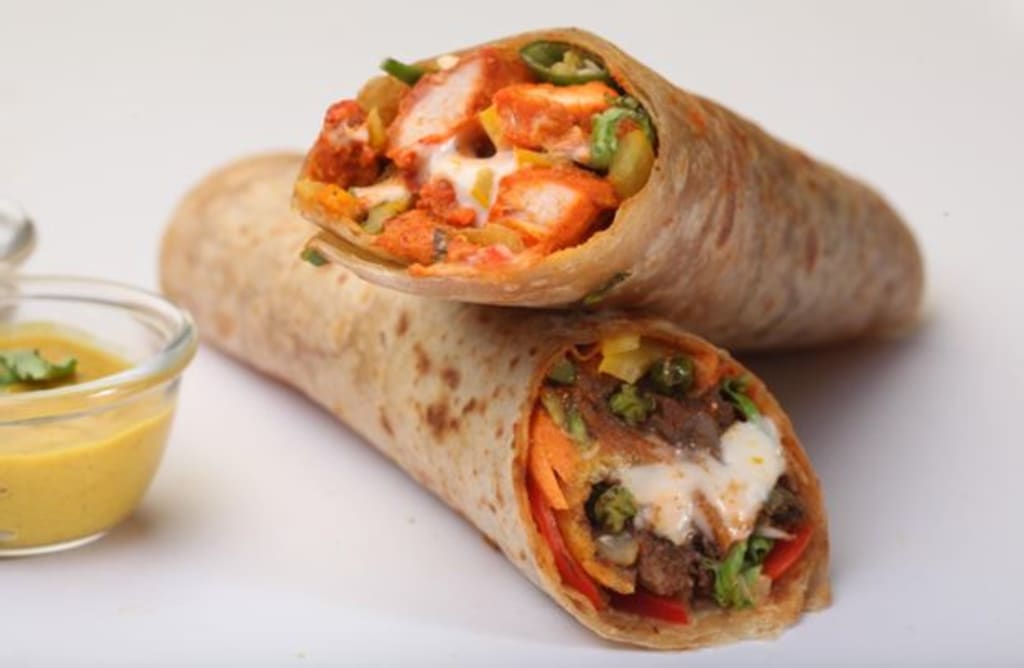
Bombay Burritos are a fusion of two of the world's most popular cuisines, Indian and Mexican. This dish combines the spices, flavors, and cooking techniques of both cultures to create a truly unique and delicious meal. The dish is made with a spicy filling of spiced potatoes and peas wrapped in a soft flour tortilla and served with a variety of toppings, such as yogurt raita, mango chutney, and fresh cilantro.
In this article, we will be exploring the history of both Indian and Mexican cuisine, and how they came together to form the delicious and popular dish that is the Bombay Burrito. We will also be detailing the steps necessary to make this dish in your own kitchen, from preparing the ingredients to the final presentation.
The History of Indian Cuisine
Indian cuisine is one of the oldest and most diverse in the world. With a history that spans thousands of years, Indian food has evolved over time to incorporate a wide variety of ingredients, spices, and cooking techniques. From the fiery curries of the south to the fragrant biryanis of the north, Indian cuisine is renowned for its bold flavors and aromatic spices.
One of the key ingredients in Indian cooking is the spice mixture known as garam masala. This mixture, which can vary greatly from region to region, typically includes cinnamon, cardamom, cloves, coriander, and cumin. These spices are used to create a range of flavors, from sweet and floral to savory and pungent. Garam masala is often added to curries, stews, and other dishes to add depth of flavor and aroma.
Another staple of Indian cuisine is the use of legumes, such as lentils and chickpeas. These ingredients are not only a source of protein, but also provide a filling and satisfying texture to dishes. In India, potatoes are also a popular ingredient, used in a wide range of dishes, from curries to snack foods.
The History of Mexican Cuisine
Mexican cuisine, like Indian cuisine, is rich in history and flavor. With a history that dates back to the Aztecs, Mexican food has evolved over time to incorporate a variety of ingredients, spices, and cooking techniques from around the world. Mexican cuisine is known for its bold flavors, such as smoky chili peppers, tangy lime, and rich cumin, and its use of fresh ingredients like cilantro and avocado.
One of the most popular dishes in Mexican cuisine is the burrito. A burrito is a soft flour tortilla filled with a variety of ingredients, such as beans, rice, cheese, and meat. The tortilla is then rolled up to create a compact and convenient meal. Burritos are a staple of Mexican cuisine and can be found in many different forms, from street food to upscale restaurants.
The Fusion of Indian and Mexican Cuisine
So, how did these two diverse cuisines come together to form the delicious and popular dish that is the Bombay Burrito? The answer is simple: globalization. With the increasing interconnectedness of the world, ingredients, spices, and cooking techniques are being shared and combined in new and exciting ways. The Bombay Burrito is a perfect example of this fusion of cuisines, combining the bold flavors of Indian spices with the convenience and versatility of a Mexican burrito.
Making the Bombay Burrito
Now that we have explored the history of both Indian and Mexican cuisine, let's get into the kitchen and make the Bombay Burrito.
Ingredients:
3 medium potatoes, peeled and diced
1 cup frozen peas, thawed
2 tablespoons olive oil1 teaspoon cumin seeds
1 teaspoon mustard seeds
1 teaspoon turmeric powder
1 teaspoon garam masala
1 teaspoon coriander powder
1 teaspoon cayenne pepper
1 teaspoon salt
6 large flour tortillas
For the Raita:
1 cup plain Greek yogurt
1/2 English cucumber, peeled and diced
1/4 teaspoon salt
1/4 teaspoon cumin powder
1/4 teaspoon coriander powder
For the Mango Chutney:
1 medium mango, peeled and diced
1/2 medium red onion, diced
1/2 jalapeno pepper, seeded and minced
1 tablespoon white wine vinegar
1/4 teaspoon salt
1/4 teaspoon cumin powder
1/4 teaspoon coriander powder
For serving:
Fresh cilantro leaves
Instructions:
- Start by preparing the filling. In a large skillet, heat the olive oil over medium heat. Add the cumin and mustard seeds and cook until fragrant, about 2 minutes.
- Add the diced potatoes and cook for 5 minutes, or until they are tender and lightly browned.
- Add the thawed peas, turmeric powder, garam masala, coriander powder, cayenne pepper, and salt to the skillet and stir to combine. Cook for 2-3 minutes, or until the peas are tender and the spices are fragrant. Remove from heat and set aside.
- To make the raita, mix together the Greek yogurt, diced cucumber, salt, cumin powder, and coriander powder in a medium bowl. Cover and refrigerate until ready to serve.
- To make the mango chutney, mix together the diced mango, red onion, jalapeno pepper, white wine vinegar, salt, cumin powder, and coriander powder in a medium bowl. Cover and refrigerate until ready to serve.
- To assemble the burritos, lay out the flour tortillas on a flat surface. Spoon about 1/6 of the potato and pea filling onto each tortilla, spreading it out into an even layer.
- Roll up the tortillas tightly, tucking in the sides as you go. Place the burritos seam-side down on a baking sheet.
- Preheat your oven to 375°F (190°C). Bake the burritos for 15-20 minutes, or until the tortillas are lightly browned and crispy.
- Serve the Bombay Burritos with a dollop of raita, a spoonful of mango chutney, and a sprinkle of fresh cilantro leaves.
Conclusion:
The Bombay Burrito is a delicious and unique fusion of Indian and Mexican cuisines that combines bold flavors, aromatic spices, and fresh ingredients to create a truly unforgettable meal. Whether you are a fan of Indian or Mexican cuisine, or simply looking for a new and exciting dish to try, the Bombay Burrito is sure to satisfy. So, go ahead and give it a try in your own kitchen today!
About the Creator
Keep reading
More stories from Tommy Nadeau and writers in Feast and other communities.
Lentil Bolognese: A Delicious and Nutritious Twist on the Classic Bolognese Sauce
Lentil Bolognese: A Delicious and Nutritious Twist on the Classic Bolognese Sauce Lentil Bolognese is a dish that is loved by people of all ages and dietary preferences. This vegetarian version of the classic Bolognese sauce offers a healthy and delicious alternative to the traditional meat-based dish. Made with lentils, vegetables, and a blend of spices, it is easy to make and can be served over pasta, rice, or vegetables for a satisfying meal. In this article, we will highlight the important steps for making a delicious and nutritious Lentil Bolognese dish that is sure to become a staple in your meal rotation.
By Tommy Nadeau3 years ago in Feast
My Tous les Jours Trip
As someone who lives in a rural area, I don't get the chance to visit fancy restaurants or bakeries that often. So, when a friend told me about a French-Asian bakery that's less than an hour away, I knew I had to check it out and grab some pictures for social media. Tous les Jours ended up providing an immersive experience that went above and beyond my expectations--although I did leave with a few reservations.
By Kaitlin Shanks24 days ago in Feast
Center Stage with Paul Stewart
*** I'm keen to republish the interviews I did for my series with Vocal creators. It's been a few years and I thought it might be nice to revisit these wonderful conversations. I'll be releasing them one at a time for a few weeks/months.
By Heather Hubler4 days ago in Interview



Comments
There are no comments for this story
Be the first to respond and start the conversation.