
Beyond Sushi: Why Japanese Cuisine Stands Out for Health and Culture
“Exploring the Balance, Beauty, and Health Benefits of Washoku”

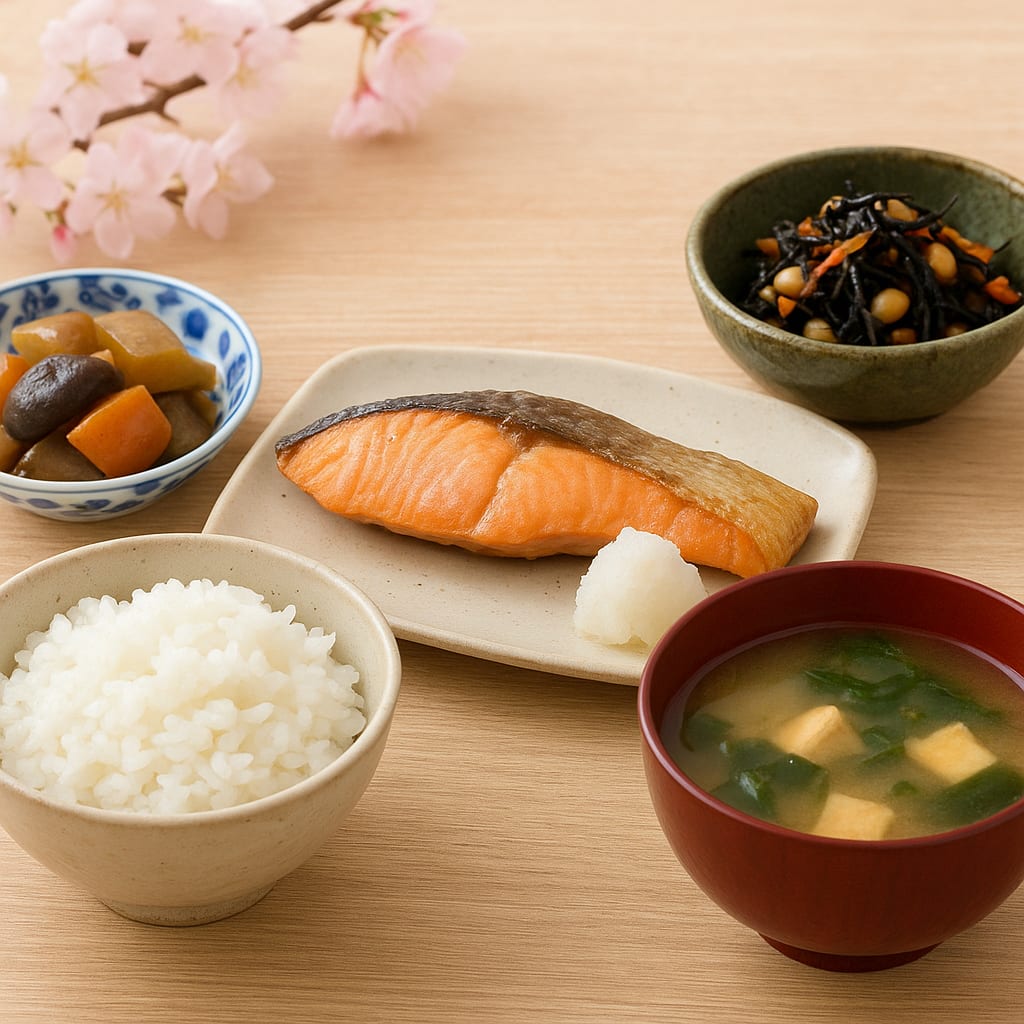
How Japanese food differs from other countries—and what it can teach us about living well
When many people outside Japan think of Japanese food, the first image that comes to mind is sushi: neat rolls of rice, raw fish, and seaweed served with soy sauce and wasabi. While sushi is iconic, it represents only a small fraction of what Japanese cuisine—known as washoku—has to offer. In fact, Japanese food was recognized by UNESCO as an Intangible Cultural Heritage, celebrated for its seasonal sensitivity, variety, and emphasis on harmony. But beyond its artistry, Japanese cuisine is also deeply linked to health and longevity, setting it apart from many other food cultures around the world.
⸻
The Philosophy of Washoku
Traditional Japanese cuisine is guided by the idea of ichiju-sansai, meaning “one soup and three dishes.” A typical meal consists of a bowl of rice, miso soup, a main dish (often grilled fish), and two side dishes, such as simmered vegetables or pickles. This structure emphasizes balance—of flavors, textures, and nutrients.
Compared to many Western meals, Japanese portions are smaller but more varied. Instead of one large plate, food is served in small bowls and plates, encouraging moderation and mindful eating. Meals are often designed to be visually pleasing, with careful attention to seasonal ingredients and presentation.
⸻
How Japanese Food Differs from Other Cuisines
Every food culture reflects its history and geography, and Japanese cuisine is no exception. Yet when compared to other national diets, some striking differences emerge:
• United States: Meals tend to focus on size and satiety. Fast food, processed ingredients, and higher amounts of sugar and fat dominate much of the American diet.
• France: Rich sauces, butter, and refined techniques characterize French cuisine. Meals are elegant and refined but often calorie-dense.
• China: With its immense variety, Chinese cuisine frequently relies on stir-frying and deep-frying, creating flavorful but often oily dishes.
• Japan: The use of dashi (a broth made from seaweed and dried fish) provides deep umami flavor without excessive fat or salt. Steaming, grilling, and simmering are preferred over frying. Freshness and subtlety take precedence over heaviness.
These differences reveal why Japanese food often feels “lighter” while still being deeply satisfying.
⸻
Health Benefits of Japanese Cuisine
It is no coincidence that Japan consistently ranks among the countries with the highest life expectancy. Diet plays a major role in this longevity. Some key elements include:
• Rice as a Staple: Unlike bread or pasta, plain rice is low in fat and pairs well with nutrient-rich side dishes.
• Seafood over Red Meat: Fish provides lean protein and omega-3 fatty acids, promoting heart health.
• Soy and Fermented Foods: Tofu, miso, and natto offer plant-based protein and probiotics, improving digestion and gut health.
• Vegetables and Seaweed: A wide variety of seasonal produce and sea vegetables ensures high intake of vitamins and minerals.
• Moderation and Portion Size: Smaller servings help prevent overeating, supporting weight management naturally.
In contrast, many Western diets rely heavily on processed foods, sugar, and red meat, which are linked to obesity and lifestyle-related diseases. The Japanese approach demonstrates that balance and tradition can be powerful tools for health.
⸻
Japanese Food Abroad: Adaptation and Global Popularity
Of course, Japanese cuisine has traveled far beyond its borders. Sushi chains thrive in nearly every major city, ramen shops attract late-night crowds, and matcha lattes have become a global trend. Yet what people eat abroad often differs from what is served in Japanese homes.
Take sushi, for example. In Japan, sushi is often simple—fresh fish on vinegared rice. Abroad, it has transformed into rolls filled with cream cheese, avocado, or fried tempura. These creative adaptations show how Japanese cuisine has blended with local tastes, though they sometimes stray far from its traditional healthfulness.
Still, the global fascination with Japanese food underscores its universal appeal: it is flavorful, beautiful, and rooted in a philosophy of respect for nature and seasonality.
⸻
Conclusion: A Cultural Recipe for Longevity
Japanese cuisine is more than just food—it is a reflection of cultural values: balance, respect for nature, and the celebration of seasons. While each country has its own food traditions worth cherishing, Japanese cuisine offers valuable lessons about how to eat for both pleasure and health.
Next time you sit down with a bowl of miso soup or savor fresh sushi, remember that you are not only enjoying a meal but also partaking in a centuries-old practice that has helped shape one of the world’s healthiest nations.
About the Creator
Takashi Nagaya
I want everyone to know about Japanese culture, history, food, anime, manga, etc.
Keep reading
More stories from Takashi Nagaya and writers in Feast and other communities.
🥘 【Isekai × Food Porn】Fantasy Feasts That Will Make You Hungry
When culinary cravings meet otherworldly adventures, these anime will steal your heart—and your appetite. In the vibrant world of anime, there’s a subgenre that combines two irresistible elements: fantasy adventures and mouthwatering food. Known affectionately as “Isekai Food Porn,” these shows transport characters—and viewers—into other worlds where food becomes a central part of the story. From monster cuisine to slow-cooked stews, these series don’t just showcase epic battles and magical lands. They also remind us that food is one of the most universal and powerful forms of comfort, no matter the dimension.
By Takashi Nagaya5 months ago in Feast
Cricket powder cinnamon banana bread
I lived in Mexico for some years, many Moons ago, twice. It was there when I saw for the first time fried crispy crickets (known as chapulines in Mexico) tacos seasoned with lime, garlic, salt, and chile. Cricket tacos are a traditional delicacy which is especially popular in the Oaxaca region of Mexico. You can find them as a street food optionat outdoor markets in Mexico (look for chapulines) or at speciality restauants in the U.S. (just make sure the crickets are for human consumption).
By Susan Fourtané 25 days ago in Feast
Global Butter Market Size & Forecast 2025–2033
Global Butter Market Overview The Global Butter Market is witnessing steady and sustained growth, supported by shifting consumer preferences toward natural dairy products and the continued expansion of bakery and foodservice industries worldwide. According to Renub Research, the global butter market is anticipated to grow from US$ 27.84 Billion in 2024 to US$ 40.81 Billion by 2033, registering a Compound Annual Growth Rate (CAGR) of 4.34% during 2025–2033.
By jaiklin Fanandish5 days ago in Feast



Comments
There are no comments for this story
Be the first to respond and start the conversation.