
Bakery Products Market Trends & Summary (2025–2033)
Global Bakery Products Market is projected to reach US$ 839.53 Billion by 2033


The global bakery products market continues to evolve, expand, and diversify as consumer lifestyles shift, dietary preferences transform, and innovation accelerates across categories. According to Renub Research, the market is expected to rise from US$ 558.64 billion in 2024 to US$ 839.53 billion by 2033, growing at a CAGR of 4.63% between 2025 and 2033. This robust outlook reflects rising demand for convenient, ready-to-eat baked foods, increasing investments in health-oriented product improvements, and a rapid surge in gluten-free and organic bakery alternatives.
From classic bread and biscuits to artisanal pastries and functional bakery goods, the global bakery sector remains deeply rooted in daily diets across cultures while simultaneously embracing modern food trends. Below is a comprehensive editorial overview of market trends, growth drivers, challenges, regional insights, and competitive dynamics shaping the bakery industry’s future.
Global Bakery Products Market Outlook
Bakery products encompass a diverse range of foods prepared primarily from flour and water, often complemented by sugar, fats, eggs, yeast, and flavorings. These products include:
Bread
Cakes & pastries
Cookies and biscuits
Muffins, pies, and morning goods
Whether consumed as breakfast staples, everyday snacks, or festive treats, bakery items hold strong cultural relevance and nutritional importance. Bread, in particular, remains a major global source of carbohydrates and energy.
Today, bakery consumption patterns are strongly influenced by urban lifestyles, increased snacking behavior, and premiumization trends seen in cafés, specialty shops, and online marketplaces. Additionally, the rise of functional and health-focused bakery products—featuring gluten-free grains, whole wheat, millet blends, probiotics, and reduced sugar formulations—has broadened the sector’s appeal to diverse consumer groups.
Key Growth Drivers of the Global Bakery Products Market
1. Growing Demand for Convenient, On-the-Go Food Options
One of the strongest forces driving bakery growth is consumer preference for quick, portable, ready-to-eat foods. Working professionals, students, and urban families increasingly rely on packaged bakery snacks such as biscuits, pastries, croissants, and muffins.
Reasons for growing convenience demand include:
Busy work schedules
Longer commuting times
Preference for hygienically packaged foods
Increased access through both offline and online retail channels
The boom in online grocery platforms has further boosted visibility and availability of bakery products.
Industry Example (Feb 2024):
Base Culture expanded its gluten-free frozen bakery range with a new Simply Bread line, responding to consumer demand for clean-label, allergen-friendly bakery items.
2. Rising Consumer Preference for Healthier Bakery Options
Consumers—especially in developed markets—are shifting toward:
Whole grain & fiber-rich products
Gluten-free and organic bakery foods
Vegan, keto, and high-protein baked snacks
Fortified bread with vitamins, minerals, and probiotics
Manufacturers are reformulating recipes with natural sweeteners, vegetable proteins, and functional additives to align with evolving dietary needs.
Industry Example (Apr 2023):
Britannia Industries introduced India’s first millet-based bread, free from refined flour—supporting demand for nutrition-focused bakery staples in emerging markets.
3. Expansion of Supermarkets, Hypermarkets & Online Retail
Wider retail penetration significantly contributes to bakery market growth. Supermarkets and hypermarkets remain dominant sales channels due to:
Extensive product visibility
In-store bakeries offering fresh goods
Seasonal and promotional displays
Increased private label offerings
Meanwhile, online grocery delivery is transforming purchase behavior, enabling consumers to subscribe to recurring bakery deliveries or explore niche bakery brands.
Industry Example (Feb 2025):
Furlani Foods acquired Cole’s Quality Foods, strengthening its presence in the specialty and frozen bakery segment.
Challenges Impacting the Bakery Sector
1. Raw Material Cost Volatility & Supply Chain Disruptions
The bakery industry is highly sensitive to fluctuations in prices of:
Flour
Sugar
Eggs
Dairy products
Packaging materials
Climate change, inflation, and geopolitical conflicts have disrupted global supply chains, increasing operational costs. Many companies have responded by adjusting product pricing or reducing pack sizes, which may affect consumer demand patterns.
2. Competition from Healthier Food Alternatives
Despite efforts to innovate, bakery products face stiff competition from:
Protein bars
Plant-based snacks
Fruit-based snacks
Low-carb diets
Growing awareness of diabetes, gluten intolerance, and sugar-related health concerns also impacts traditional bakery consumption. Continuous product reformulation and creative marketing strategies are necessary to maintain category relevance.
Segment Analysis of the Global Bakery Products Market
1. Global Bakery Biscuits Market
Biscuits and cookies remain top performers due to:
Long shelf life
Portability
Affordable pricing
Wide flavor variety
Health-conscious offerings now include:
Whole grain biscuits
High-fiber cookies
Nut- and seed-based crackers
Simultaneously, premium biscuit brands are gaining traction through artisanal textures, unique flavors, and clean labels.
2. Global Bread Market
Bread is a staple in nearly every culture, making it the largest bakery segment.
Trending offerings include:
Sourdough bread
Multigrain and seeded bread
Gluten-free bread
High-protein formulations
Vitamin- and probiotic-fortified bread
The rise of artisan bakeries has also encouraged experimentation with fermentation, heritage grains, and slow baking techniques.
3. Specialty Store Bakery Products
Specialty stores cater to premium, artisanal, and niche bakery demands. These outlets thrive by offering:
Gourmet pastries
Organic breads
Allergen-free baked goods
Customized cakes
Many specialty bakeries now operate online storefronts, expanding their customer base through delivery and subscription services.
4. Supermarkets/Hypermarkets as Leading Distribution Channels
Supermarkets dominate bakery sales due to:
In-store ovens baking fresh bread and pastries
Extensive packaged bakery shelves
Festival and seasonal launches
Competitive pricing through private labels
Consumers trust supermarkets for quality, freshness, and variety.
Regional Market Insights
United States Bakery Products Market
The U.S. market remains innovation-driven, supported by:
Higher demand for protein-rich, low-carb, and gluten-free options
Growing café culture
Online grocery expansion
Rising popularity of artisanal baked goods
Recent Development (July 2024):
Pillsbury Baking launched stuffed cookie kits and creamy cake mixes, targeting experiential home baking trends.
Italy Bakery Products Market
Italy’s bakery culture is rich with tradition—from crusty breads to iconic pastries like cannoli and panettone. The market emphasizes:
Artisanal craftsmanship
Local ingredients
Freshness
Yet, demand for packaged and gluten-free bakery items is steadily growing in retail outlets.
India Bakery Products Market
India is one of the fastest-growing bakery markets due to:
Urbanization
Rising disposable income
Growth of Western-style snacking
Online food delivery platforms
Health-focused innovations such as ragi biscuits, whole wheat breads, and sugar-free cakes are gaining popularity.
Recent Development (Oct 2024):
Bimbo Bakeries India launched a digital campaign for its CremTreat filled bun, strengthening engagement with teens and families.
Saudi Arabia Bakery Products Market
Saudi Arabia’s bakery sector is expanding due to lifestyle transitions and higher spending power. The market features both:
Traditional Arabic breads (khubz, samoon, maamoul)
Modern Western bakery offerings
Consumers increasingly demand:
Sugar-free options
High-fiber bread
Fortified baked foods
Online bakery ordering is a growing trend, supplementing supermarket sales.
Market Segmentation Overview
Products
Cakes & Pastries
Biscuits
Bread
Morning Goods
Other Bakery Products
Distribution Channels
Supermarkets/Hypermarkets
Convenience/Grocery Stores
Specialty Stores
Online Retail Stores
Other
Countries Covered
North America: United States, Canada
Europe: France, Germany, Italy, Spain, United Kingdom, Belgium, Netherlands, Turkey
Asia Pacific: China, Japan, India, Australia, South Korea, Thailand, Malaysia, Indonesia, New Zealand
Latin America: Brazil, Mexico, Argentina
Middle East & Africa: South Africa, Saudi Arabia, UAE
Key Player Analysis (4-Viewpoints)
1. Finsbury Food Group Plc
Major producer of cakes and specialty bread
Expanding through acquisitions and private-label manufacturing
2. Grupo Bimbo SAB de CV
World’s largest bakery company
Strong global presence and diverse product portfolio
3. Associated British Foods Plc
Known for branded and private-label bakery items
Active in health-forward formulations
4. Mondelēz International Inc.
Global leader in biscuits and sweet bakery snacks
Investing in premium and portion-controlled products
5. General Mills Inc.
Strong focus on snacks and packaged bakery items
Continuous innovation in gluten-free and clean-label segments
6. Kellogg Company
Diversifying bakery portfolio through acquired brands
Strong in breakfast-oriented bakery foods
7. Britannia Industries Ltd.
Dominant player in India’s biscuit market
Expanding into health-focused bakery staples
8. Walker’s Shortbread Ltd.
Premium shortbread maker with global distribution
Focus on high-quality, traditional recipes
9. Yıldız Holding
Owner of major biscuit and bakery brands
Strong footprint across Europe, Middle East, and Asia
10. McKee Foods Corporation
Known for snack cakes and pastries
Strong position in U.S. convenience bakery segment
Final Thoughts
The global bakery products market stands at the intersection of tradition and innovation. While classic staples like bread and biscuits continue to dominate global consumption patterns, the industry is rapidly evolving to meet contemporary preferences, from gluten-free and organic offerings to indulgent gourmet pastries.
With strong growth projected through 2033—reaching US$ 839.53 billion—the bakery sector’s future looks promising. Companies that embrace health-forward formulations, sustainable sourcing, digital retail expansion, and premium product diversification are likely to lead the next wave of industry transformation.
About the Creator
Keep reading
More stories from Aaina Oberoi and writers in Feast and other communities.
North America Snack Bar Market Trends & Summary (2025–2033)
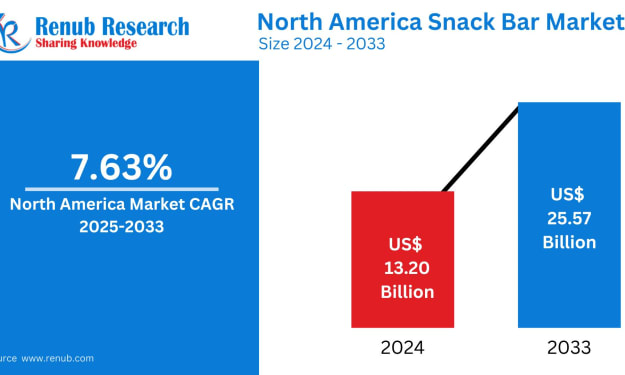
The North America Snack Bar market is entering a dynamic phase of growth, fueled by shifting consumer lifestyles, rising health awareness, and the widespread adoption of convenient, nutrient-dense eating habits. According to Renub Research, the North America Snack Bar Market is expected to reach US$ 25.57 billion by 2033, up from US$ 13.20 billion in 2024, reflecting a healthy CAGR of 7.63% from 2025 to 2033.
By Aaina Oberoiabout a month ago in Feast
My Tous les Jours Trip
As someone who lives in a rural area, I don't get the chance to visit fancy restaurants or bakeries that often. So, when a friend told me about a French-Asian bakery that's less than an hour away, I knew I had to check it out and grab some pictures for social media. Tous les Jours ended up providing an immersive experience that went above and beyond my expectations--although I did leave with a few reservations.
By Kaitlin Shanks21 days ago in Feast
White Mushroom Market Size and Forecast 2025–2033
Introduction White mushrooms—scientifically known as Agaricus bisporus—are no longer confined to salads, pizzas, and soups. Once considered a humble kitchen staple, they are now emerging as a strategic crop in the global agrifood ecosystem. Driven by sustainability trends, plant-based eating, and rising health consciousness, white mushrooms have carved out a powerful position in both consumer markets and foodservice industries.
By jaiklin Fanandishabout 18 hours ago in Feast



Comments
There are no comments for this story
Be the first to respond and start the conversation.