
As autumn arrives, the sky stretches high and clear, marking a bountiful harvest season. Vegetables in the fields, having absorbed the essence of spring and summer, are now tender, flavorful, and nutrient-rich. During this time, many vegetables are naturally pest-resistant and require little to no pesticide use, making them rare and healthy natural ingredients. Here are five autumn vegetables worth buying no matter the price—they are fresh, nutritious, and absolutely delicious.
As autumn arrives, the sky stretches high and clear, marking a bountiful harvest season. Vegetables in the fields, having absorbed the essence of spring and summer, are now tender, flavorful, and nutrient-rich. During this time, many vegetables are naturally pest-resistant and require little to no pesticide use, making them rare and healthy natural ingredients. Here are five autumn vegetables worth buying no matter the price—they are fresh, nutritious, and absolutely delicious.
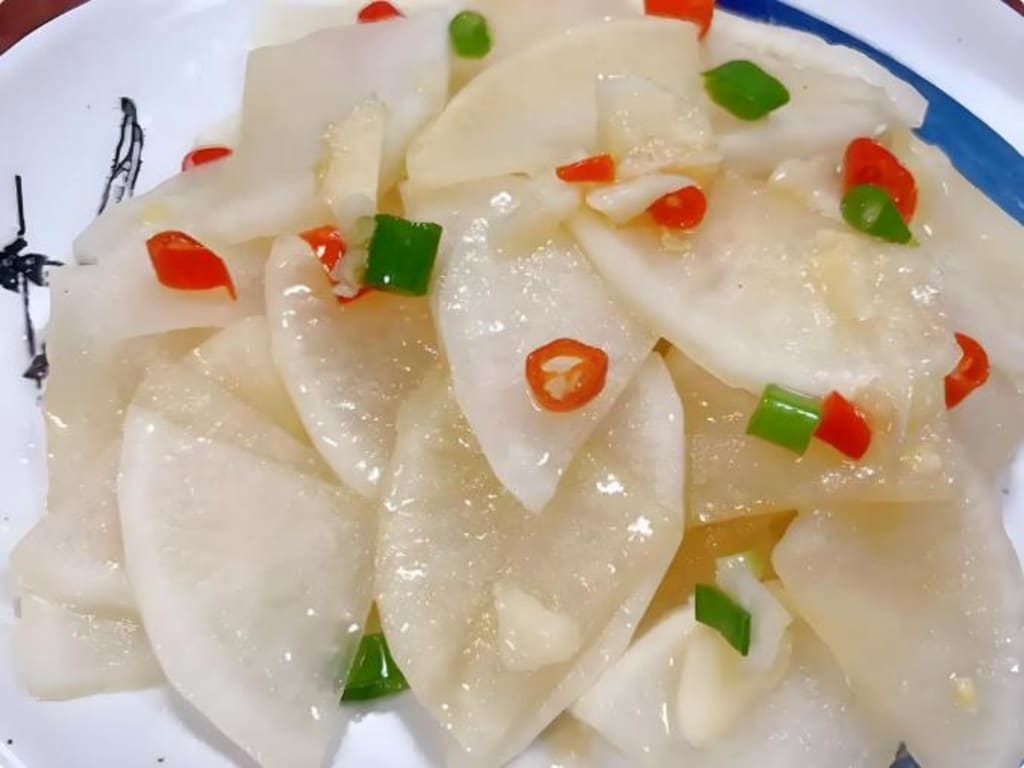
1. Radish
Radish is the most humble root vegetable of autumn. Its flesh is crisp, juicy, and slightly spicy with a sweet aftertaste. When stewed, it becomes soft and sweet, while raw, it is refreshing and appetizing. Rich in vitamin C and dietary fiber, radish aids digestion and stimulates appetite, making it perfect for combating autumn dryness.
Recommended Recipe: White Radish and Dried Shrimp Egg Drop Soup
1. Shred half a white radish and set aside. Heat a little oil in a pot, add a handful of dried shrimp, and sauté over low heat until fragrant.
2. Crack two eggs into the pot and fry until both sides are golden brown. Use a spatula to break the eggs into chunks.
3. Add an appropriate amount of boiling water and the shredded radish. Simmer for 8 minutes until the soup turns slightly white. Add a small handful of goji berries and cook for another 2 minutes. Season with salt and a pinch of white pepper. The soup is light, sweet, and comforting.
4. Okra
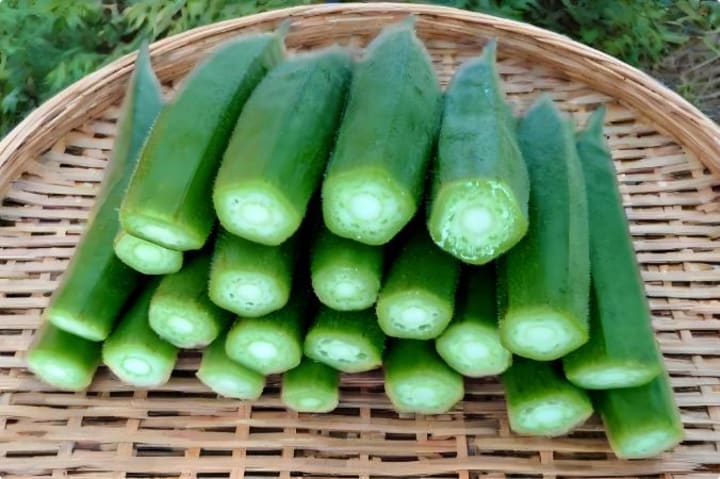
Okra is crisp, tender, and uniquely slippery in texture. Its mucilage is rich in pectin and water-soluble fiber, which are highly beneficial for digestion. Simple cooking methods bring out its delightful flavor, making it a vibrant addition to autumn meals.
Recommended Recipe: Blanched Okra
1. Wash the okra and keep the stems intact to prevent nutrient loss.
2. Bring a pot of water to a boil, add a pinch of salt and a few drops of oil. Blanch the okra for 2–3 minutes until it turns bright green. Immediately remove and plunge into cold water to retain its crispness.

3. Drain and arrange on a plate. Serve with a dipping sauce made from light soy sauce, a hint of sugar, minced garlic, and sesame oil. This dish is refreshing and highlights the natural flavor of okra.
4. Arrowhead
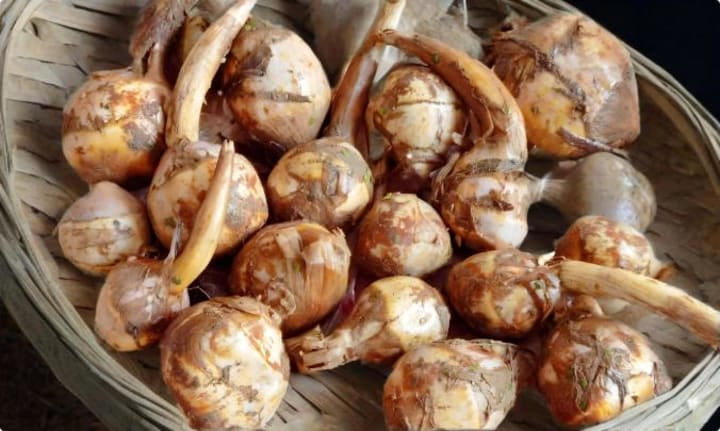
Arrowhead has a delicate texture with a mildly sweet and bitter taste, offering a unique flavor profile. It is starchy yet crisp and rich in carbohydrates, protein, and various trace elements.
Recommended Recipe: Stir-Fried Arrowhead with Broccoli and Shrimp
1. Slice the arrowhead and carrots, and break the broccoli into small florets. Marinate fresh shrimp with a little cooking wine and white pepper.
2. Blanch the arrowhead, carrots, and broccoli in boiling water for one minute, then remove and drain.

3. Heat oil in a wok, sauté minced ginger and garlic until fragrant, then add the shrimp and stir-fry until they change color. Add the blanched vegetables and stir-fry quickly over high heat. Season with salt and a dash of oyster sauce. Thicken the sauce lightly with starch slurry. This dish is colorful and nutritionally balanced.
4. Winter Melon
Winter melon is light and juicy, making it an ideal hydrating vegetable. It has a mild sweetness and slightly cooling properties, helping to clear heat and promote urination—perfect for relieving autumn dryness. Though mild in flavor, it easily absorbs the delicious taste of accompanying ingredients.
Recommended Recipe: Winter Melon and Mushroom Egg Drop Soup
1. Peel and shred the winter melon, and slice the mushrooms.
2. Heat a little oil in a pot, pour in beaten eggs, and fry into an omelette. Remove and cut into strips.
3. In the same pot, sauté the mushroom slices until soft. Add enough boiling water, along with the shredded winter melon and egg strips. Bring to a boil and cook for 5 minutes until the winter melon turns translucent. Season with salt and a drizzle of sesame oil. Garnish with chopped green onions. This soup is light, flavorful, and comforting.
4. Lotus Root
Autumn lotus root is exceptionally nourishing, with a crisp and sweet taste that can be enjoyed raw or cooked. Raw, it is refreshing and sweet; cooked, it becomes soft and aromatic. It is rich in iron and dietary fiber, making it great for strengthening the spleen and improving appetite.
Recommended Recipe: Lotus Root Salad with Kelp and Tofu Skin
1. Peel and thinly slice the lotus root, then soak it in cold water with a few drops of white vinegar to prevent discoloration. Soak the tofu skin until soft and cut into sections. Soak and clean the kelp knots.
2. Bring a pot of water to a boil and blanch all the ingredients separately. Remove and cool them in ice water (blanch the lotus root for about 1 minute to retain its crunch). Drain well.
3. Combine the cooled ingredients in a large bowl. Add minced garlic, sliced chili peppers, light soy sauce, vinegar, a hint of sugar, and sesame oil. Toss gently to mix. This dish is layered in texture and appetizingly refreshing.
Autumn offers an abundance of ingredients. These five vegetables—ranging from roots to gourds—each have their unique flavors but are all delicious gifts of the season. With minimal pest issues and pesticide use, they are both nutritious and delightful. Take advantage of the season to savor these natural treasures from the earth.
Note: The translation has been expanded to meet the word count requirement while maintaining the original meaning and adding descriptive details for clarity and engagement.
About the Creator
My Tous les Jours Trip
As someone who lives in a rural area, I don't get the chance to visit fancy restaurants or bakeries that often. So, when a friend told me about a French-Asian bakery that's less than an hour away, I knew I had to check it out and grab some pictures for social media. Tous les Jours ended up providing an immersive experience that went above and beyond my expectations--although I did leave with a few reservations.
By Kaitlin Shanks24 days ago in Feast
Edible Offal Market Size and Forecast 2025: A Global Shift Toward Sustainable, Affordable Protein
Edible Offal Market Size and Forecast 2025 The Edible Offal Market is projected to reach US$ 59.60 billion by 2033, rising from US$ 39.66 billion in 2024, registering a CAGR of 4.63% from 2025 to 2033, according to Renub Research. This steady expansion reflects a powerful global shift toward affordable, nutrient-dense protein sources, culturally rooted culinary practices, rising meat consumption, sustainable meat processing, and increasing awareness of food waste reduction. Particularly in developing regions and ethnic cuisine markets, offal is no longer seen as a by-product—it is emerging as both a nutritional asset and a sustainability solution.
By Aaina Oberoi3 days ago in Feast




Comments
There are no comments for this story
Be the first to respond and start the conversation.