
Artisanal Ice Cream Market Size and Forecast 2025–2033
Premium Flavors, Craftsmanship, and Conscious Consumption Reshape the Global Frozen Dessert Industry


Global Artisanal Ice Cream Market Overview
The Artisanal Ice Cream Market is steadily carving out a premium niche within the global frozen desserts industry, driven by consumers’ growing appetite for authenticity, quality, and experiential indulgence. According to Renub Research, the market is expected to reach US$ 13.47 billion by 2033, up from US$ 7.76 billion in 2024, expanding at a CAGR of 6.32% from 2025 to 2033.
Artisanal ice cream distinguishes itself through small-batch production, high-quality natural ingredients, and innovative flavor craftsmanship. Unlike mass-produced alternatives, these products emphasize freshness, transparency, and regional storytelling—qualities that strongly resonate with modern consumers. Millennials and Gen Z, in particular, are driving demand as they prioritize sustainability, ethical sourcing, and unique food experiences over conventional brand loyalty.
Globally, artisanal ice cream has evolved from a niche indulgence into a lifestyle-driven product category. Urbanization, premiumization of food choices, and social media influence have accelerated awareness and trial. Consumers increasingly view artisanal ice cream not merely as a dessert, but as a culinary experience aligned with health-conscious and values-driven consumption.
Market Size and Growth Outlook (Renub Research)
Market Size (2024): US$ 7.76 Billion
Forecast Value (2033): US$ 13.47 Billion
CAGR (2025–2033): 6.32%
The growth trajectory reflects sustained interest in premium frozen desserts, expanding retail availability, and the rise of direct-to-consumer (DTC) business models. While the market remains fragmented, strong brand narratives and product differentiation are enabling artisanal producers to compete effectively against multinational players.
Key Factors Driving the Artisanal Ice Cream Market
Rising Demand for Premium and Natural Ingredients
Modern consumers are increasingly rejecting artificial additives, synthetic flavors, and overly processed foods. Artisanal ice cream producers address this shift by using organic dairy, non-GMO ingredients, natural sweeteners, and locally sourced fruits and nuts. Clean-label transparency has become a critical purchasing factor, especially in urban markets.
This preference allows artisanal brands to command higher price points while building deep customer trust. By focusing on quality rather than volume, producers foster brand loyalty, repeat purchases, and strong word-of-mouth marketing.
Innovation in Flavors and Dietary Preferences
Flavor creativity is a defining strength of the artisanal segment. From lavender honey and miso caramel to saffron rose and matcha pistachio, producers continually experiment with bold combinations that appeal to adventurous palates.
Equally important is innovation in dietary-friendly offerings. Vegan, lactose-free, low-sugar, keto-friendly, and plant-based ice creams are expanding the consumer base. Oat milk, coconut cream, almond milk, and natural sugar substitutes have become mainstream in artisanal production, helping brands differentiate themselves from traditional commercial ice creams.
Growth of Online and Direct-to-Consumer Channels
Digital transformation has significantly benefited artisanal ice cream makers. E-commerce platforms, social media marketing, and subscription-based models allow small brands to reach customers without relying solely on physical storefronts.
Advancements in cold-chain logistics now enable safe long-distance delivery, preserving freshness while expanding geographic reach. Limited-edition launches, seasonal flavors, and curated gift boxes have further enhanced consumer engagement and brand storytelling.
Challenges Facing the Artisanal Ice Cream Market
High Production and Distribution Costs
Artisanal ice cream production is inherently cost-intensive. Premium ingredients, small-batch manufacturing, skilled labor, and sustainable packaging all increase operational expenses. Additionally, maintaining frozen storage and temperature-controlled transportation significantly raises distribution costs.
Scaling operations while preserving quality remains one of the biggest challenges, particularly for independent producers competing with large-scale commercial brands that benefit from economies of scale.
Regulatory and Shelf-Life Constraints
Unlike mass-produced ice creams, artisanal varieties often contain fewer preservatives, resulting in shorter shelf lives. This limits widespread retail distribution and complicates inventory management.
Compliance with food safety regulations across different regions can also be resource-intensive, especially for small producers seeking international expansion. Regulatory complexity and quality certifications remain barriers to rapid scaling.
Regional Analysis: Artisanal Ice Cream Market
United States Artisanal Ice Cream Market
The U.S. represents one of the most mature and competitive artisanal ice cream markets globally. Consumers emphasize sustainability, locally sourced ingredients, and clean-label products. Urban hubs such as New York, California, and the Pacific Northwest are home to thriving independent creameries.
Flavor experimentation and plant-based innovations—such as oat milk and avocado-based ice creams—are particularly popular. Subscription services, food delivery partnerships, and pop-up events continue to broaden consumer access while maintaining exclusivity.
United Kingdom Artisanal Ice Cream Market
In the UK, artisanal ice cream growth is supported by strong heritage food culture and increasing demand for locally produced goods. Boutique brands emphasize British dairy, seasonal sourcing, and low-sugar or vegan formulations.
Brands such as Jude’s and Northern Bloc have gained national recognition through farm stores, specialty retailers, and food festivals. Despite seasonal demand fluctuations, café culture and premium retail placements support steady growth.
India Artisanal Ice Cream Market
India’s artisanal ice cream market is expanding rapidly in metropolitan areas, driven by rising disposable incomes and experiential dining trends. Producers creatively blend traditional Indian flavors—such as mango, cardamom, pistachio, and jaggery—with modern, health-oriented formulations.
Challenges include infrastructure gaps in cold storage and high price sensitivity. However, online food delivery platforms and premium dessert cafés are unlocking new growth opportunities, especially among younger consumers.
United Arab Emirates Artisanal Ice Cream Market
The UAE’s year-round warm climate, cosmopolitan population, and luxury dining culture make it an attractive market for artisanal ice cream. Consumers favor visually appealing, innovative, and halal-certified products.
Distribution is concentrated in gourmet stores, high-end hotels, and lifestyle destinations. While high cold-chain costs pose challenges, strong tourism demand and premium positioning continue to support market expansion.
Recent Developments in the Artisanal Ice Cream Industry
June 2024: Bidcorp UK acquired Northern Bloc Ice Cream Ltd., strengthening its manufacturing footprint alongside Yarde Farm and Simply Food Solutions.
May 2024: Van Leeuwen Ice Cream partnered with Ollie to launch gourmet, dog-friendly ice creams, available through Van Leeuwen scoop shops and Petco.
Market Segmentation
By Flavor
Fruit & Nuts
Chocolate
Vanilla
By Type
Conventional
Lactose-Free
By Distribution Channel
Specialty Stores
Hypermarkets & Supermarkets
Convenience Stores
Online
Others
By Region
North America: United States, Canada
Europe: France, Germany, Italy, Spain, United Kingdom, Belgium, Netherlands, Turkey
Asia Pacific: China, Japan, India, South Korea, Thailand, Malaysia, Indonesia, Australia, New Zealand
Latin America: Brazil, Mexico, Argentina
Middle East & Africa: Saudi Arabia, United Arab Emirates, South Africa
Key Companies Covered
Unilever
Nye’s Cream Sandwiches
Nestlé
Carmela Ice Cream
Toscanini’s
McConnell’s Fine Ice Creams
L'Artisan des Glaces
Gelato Messina
Final Thoughts
The artisanal ice cream market is poised for sustained growth as consumers increasingly value quality over quantity, story over scale, and experience over convenience. Premiumization, health-conscious indulgence, and digital engagement are reshaping how frozen desserts are produced, marketed, and consumed.
While challenges such as high costs and regulatory constraints persist, brands that successfully balance craftsmanship with scalability are well-positioned to thrive. As global palates become more adventurous and values-driven, artisanal ice cream is set to remain a compelling symbol of modern food culture—where indulgence meets authenticity.
About the Creator
Diya Dey
Market Analyst
My Tous les Jours Trip
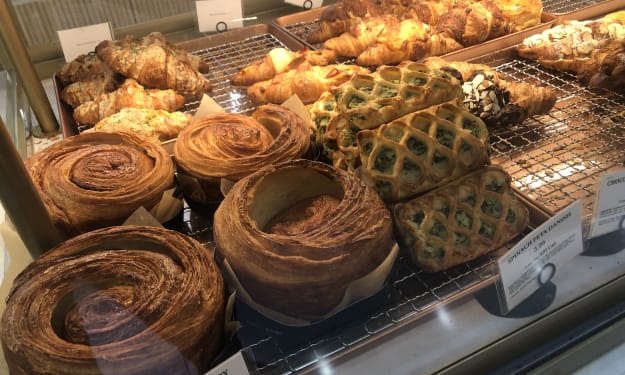
As someone who lives in a rural area, I don't get the chance to visit fancy restaurants or bakeries that often. So, when a friend told me about a French-Asian bakery that's less than an hour away, I knew I had to check it out and grab some pictures for social media. Tous les Jours ended up providing an immersive experience that went above and beyond my expectations--although I did leave with a few reservations.
By Kaitlin Shanks16 days ago in Feast



Comments
There are no comments for this story
Be the first to respond and start the conversation.