
Are French fries bad for you?
This article is in defense of French fries.

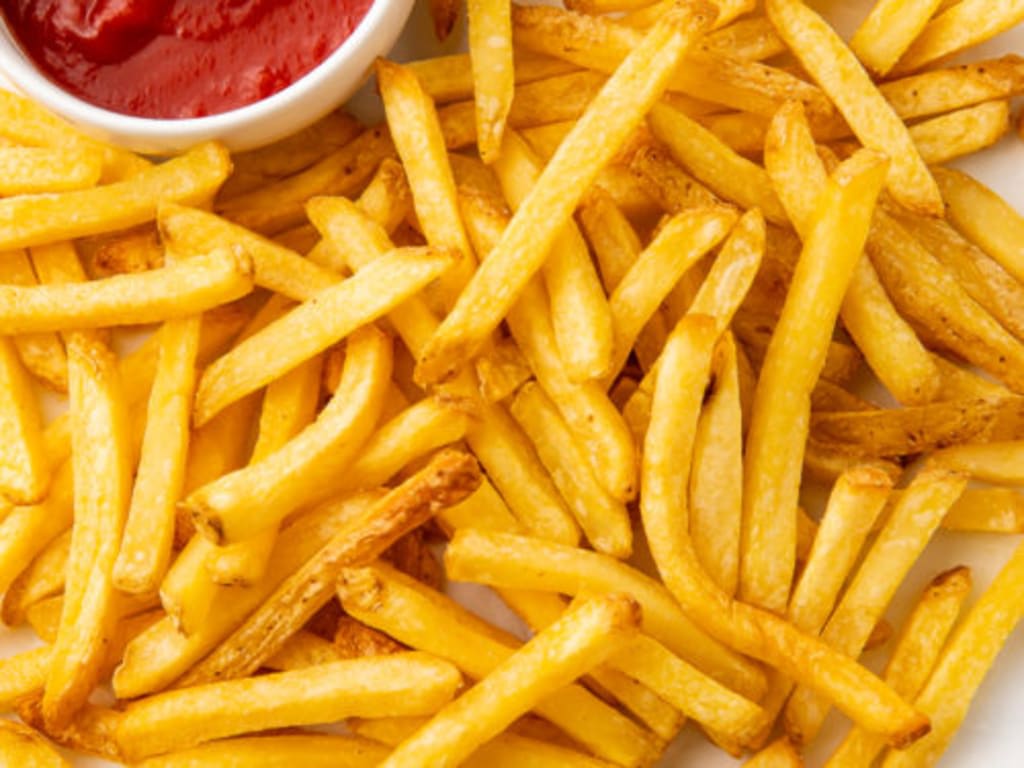
French fries are a staple in many cuisines around the world. Today, some people are health-conscious and have either stopped eating French fries or have refrained from eating them often. French fries are often regarded as the ultimate comfort food. They taste good, but are they good for us to eat frequently?
Even though consumers have questions about French fries, it does not keep them from eating them. So, are French fries bad for us? If so, how bad? Could eating French fries be bad for our health? Researchers have found that regular consumers of French fries don't live as long as those who eat them less often.
About French Fries

French fries are strips of potato that have been deep-fried until crispy. They can be served as a side dish, used as a topping for various meals, or enjoyed on their own as a snack.
Here are some reasons people are concerned when it comes to eating French fries regularly.
- French fries have a lot of fat and salt that could raise the risk of cardiovascular disease.
- High consumption of French fries could increase the risk of future high blood pressure, diabetes, or obesity.
- High consumers of French fries often might also be high consumers of other high-fat or high-salt foods, sweetened beverages, and red meat.
French fries and the brain
French fries, like other fried foods, are not good for the brain. Those who consume a lot of fries and other fried foods almost always do worse on memory tests than those who do not consume a lot of fried foods. Fried and fatty foods cause inflammation, which can damage the blood vessels that supply the brain with blood and harm the brain. Be good to your brain and limit the fried foods you eat.

A serving of French fries is about 10 to 15 individual fries. Most fast food establishments offer small, medium, and large sizes with more than 15 fries. However, it is up to customers which size they should purchase.
People who are concerned about restaurant French fries choose to make them at home because they can choose the cooking method, the kind of oil used, the amount of oil, and the amount of salt.
Cooking methods of French fries
The nutritional content and healthiness of French fries vary significantly depending on the cooking method.
- Deep-frying is the most common method, which involves submerging the potato strips in hot oil, which increases their calorie and fat content.
- Baked French fries are a healthier alternative, as they are cooked in the oven without added oil, reducing the calorie and fat content while preserving more of the potato’s natural nutrients.
- Air fryer French fries are made when hot air is circulated around the food, simulating the effect of deep-frying but with significantly less oil. This is known as convection cooking, allowing food to cook evenly while achieving a crisp exterior without the need for deep oil immersion. This method requires much less fat, which can translate into fewer calories.
Nutritional Content of French Fries
To understand the health implications of French fries, it’s essential to examine their nutritional content. A serving of French fries (approximately 3 ounces or 85 grams) typically contains:
- Calories: Around 160-200, depending on the cooking method and portion size.
- Fat: Mostly from the frying oil, which can range from 8 to 12 grams per serving, with a significant portion being saturated fats.
- Sodium: High amounts, often over 300 milligrams per serving, due to added salt.
- Carbohydrates: Primarily from the potatoes, with about 20-25 grams per serving.
- Fiber: Relatively low, around 2-3 grams per serving.
- Protein: Low, approximately 2-3 grams per serving.
Conclusion of the matter

There is no reason to stop eating French fries. It is safe to eat them occasionally, especially if you eat only a single portion. Eating them once a week or less does not have a significant impact on a person's health. However, the higher risk happens when people consume French fries more than twice a week, as well as eating more than one serving, especially when cooked in oil.
About the Creator
Margaret Minnicks
Margaret Minnicks has a bachelor's degree in English. She is an ordained minister with two master's degrees in theology and Christian education. She has been an online writer for over 15 years. Thanks for reading and sending TIPS her way.
Keep reading
More stories from Margaret Minnicks and writers in Feast and other communities.
The Evolution of Cornbread
I often write about my Southern roots. I grew up in rural Sussex County, Virginia. I am one of ten siblings raised by our mother. All the siblings had chores to do on designated days. I enjoyed cooking on days when we had certain foods to eat. I loved it when my day included cornbread instead of biscuits. Cooking cornbread was much easier and required less time than making biscuits from scratch. Besides, there were only two ingredients to make cornbread.
By Margaret Minnicks6 months ago in Feast


Comments
There are no comments for this story
Be the first to respond and start the conversation.